



As British Columbia accelerates its ambitious transition toward a zero-emission future, the automotive landscape is undergoing a seismic shift. With the provincial government’s Zero-Emission Vehicles Act mandating that all new light-duty vehicle sales be zero-emission by 2035, the demand for specialized technical expertise has reached a critical juncture. In response to this industry-wide imperative, Vancouver Community College (VCC) has unveiled a comprehensive suite of automotive training programs specifically engineered to prepare the next generation of technicians for the surge of hybrid and electric vehicles (EVs) hitting B.C. roads.
This initiative represents more than a curriculum update; it is a strategic alignment between academia and the private sector designed to bridge the growing "skills gap" that threatens to hinder the province’s climate goals.
The Core Mandate: Addressing a Technician Shortage
The automotive service industry is currently grappling with a dual challenge: an aging workforce and the rapid adoption of complex, high-voltage vehicle architectures. Traditional combustion engine training, while still relevant, is no longer sufficient to meet the demands of modern electrified fleets.
VCC’s new programs are the result of extensive collaboration with industry leaders, ensuring that the training provided is not only academic but highly practical. By working directly with automotive service centers, VCC has identified the specific pain points—ranging from diagnostic capabilities to battery health assessment—that technicians face today. The goal is to provide a steady pipeline of job-ready graduates who can step into repair bays and immediately manage the complexities of lithium-ion battery management, electric traction motors, and integrated software systems.
Chronology: A Roadmap to Electrification
The journey toward this curriculum launch has been characterized by careful planning and stakeholder engagement.
- Early 2023: VCC began formal consultations with provincial automotive associations and major service providers to assess the future labor requirements necessitated by the Zero-Emission Vehicles Act.
- Late 2023 – Early 2024: The development phase. Curriculum designers worked alongside EV engineers to define the technical competencies required for modern diagnostics and maintenance.
- Mid-2024: Finalization of program frameworks, focusing on the integration of high-voltage safety standards and evolving environmental regulations.
- Late 2024: Official announcement of the program suite, signaling to the market that a specialized workforce is on the horizon.
- September 2026: The official start date for the primary intake of students, marking the beginning of a new era in B.C. trade education.
Supporting Data: The EV Surge in British Columbia
The necessity of these programs is underscored by the provincial government’s own data. British Columbia leads the country in EV adoption rates, with a significant percentage of new vehicle registrations now consisting of battery-electric or plug-in hybrid models.
According to recent industry reports, the "vehicle parc" (the total number of vehicles currently on the road) in B.C. is becoming increasingly heterogeneous. As EVs age, they move from manufacturer-specific service centers to independent repair shops, which often lack the specialized equipment and trained personnel to handle high-voltage systems.
Industry surveys suggest that for every 10,000 EVs added to the road, a specific ratio of qualified technicians is required to maintain them. Currently, the province is falling behind this ratio. VCC’s investment in this training is a proactive measure to ensure that consumers have access to reliable service, thereby maintaining confidence in the long-term viability of electric transportation.
Official Perspectives: Shaping the Future of Trade
The leadership at VCC views this expansion as a pivotal moment for the institution and the broader economy. Brett Griffiths, Dean of Trades, Technology and Design at VCC, emphasized that the program’s creation was a collaborative effort.
"Now is an exciting time to be working in the automotive industry as we’re seeing a huge expansion in the roles and skills needed within the field," Griffiths stated. "VCC partnered closely with industry to develop these programs because we understand that our curriculum must be as dynamic as the technology itself. We aren’t just teaching mechanics; we are teaching the future of transportation technology."
Industry partners have lauded the move, noting that the ability to hire a technician who already understands high-voltage safety and battery diagnostics significantly reduces onboarding time and operational risk.
Technical Curriculum: Beyond the Combustion Engine
The new curriculum moves beyond the traditional "oil change and brake job" mentality. Instead, it immerses students in the high-tech reality of modern mobility. Key areas of focus include:
High-Voltage Systems
Students will undergo rigorous training in the maintenance of high-voltage battery packs. This includes understanding state-of-charge (SoC) diagnostics, thermal management systems, and the safe handling of high-voltage cables and components.
Electric Traction Motors
The programs provide deep dives into the mechanics and electronics of traction motors, including inverter/converter systems and regenerative braking technology.
Software and Inventory Management
Modern vehicles are essentially "computers on wheels." The curriculum integrates training on digital diagnostic tools, firmware updates, and the nuances of sourcing specialized parts for electrified platforms, which often differ significantly from traditional aftermarket supply chains.
Flexibility: Diploma Pathways and Microcredentials
Recognizing that the automotive industry is diverse, VCC has structured its offerings to accommodate various learner profiles.
- The Diploma Pathway: Designed for those new to the trade, this comprehensive course of study provides a foundational understanding of both traditional and electrified platforms, ensuring graduates are versatile technicians.
- Microcredentials: These short-term, intensive courses are targeted at working professionals—journeymen and women who have years of experience with internal combustion engines but require specialized "top-up" training to stay relevant in an EV-dominated market. These programs allow professionals to upskill without pausing their careers for extended periods.
Implications: A Catalyst for the Green Economy
The implications of VCC’s new programs extend far beyond the campus. By producing a highly skilled workforce, VCC is effectively reducing the "cost of ownership" for B.C. drivers. When repair centers are well-staffed with qualified professionals, repair times decrease, and service costs stabilize, making the transition to electric vehicles more attractive for the average consumer.
Furthermore, this initiative supports B.C.’s economic diversification. As the province moves away from traditional fossil-fuel-dependent industries, nurturing a workforce capable of servicing a clean-energy economy is vital. Graduates of these programs will be at the forefront of a technological revolution, possessing a skill set that will remain in high demand for the next several decades.
The Road Ahead: September 2026 and Beyond
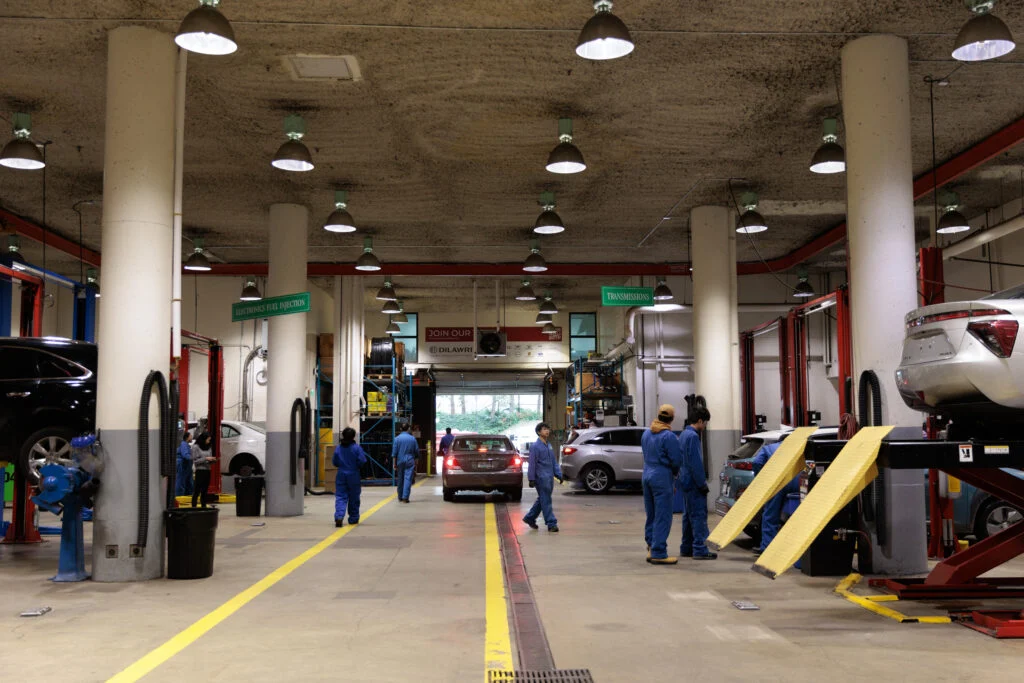
As the September 2026 launch date approaches, VCC is focusing on building out state-of-the-art laboratory spaces. These facilities will feature the latest in diagnostic equipment and dedicated EV bays, providing students with a "real-world" environment that mirrors the most advanced service centers in the province.
VCC’s commitment to hands-on learning—ensuring that students spend more time under the hood than behind a desk—will be the hallmark of this program. By fostering direct connections with industry employers, the college intends to create a seamless transition from the classroom to the workforce, ensuring that the "skills gap" is not just narrowed, but closed.
In conclusion, Vancouver Community College’s new automotive suite represents a landmark commitment to the future of British Columbia’s transportation sector. By aligning academic rigor with the rapidly evolving needs of the automotive industry, VCC is not only training technicians; it is building the infrastructure necessary to power a cleaner, more sustainable future. As the province continues its charge toward 2035, these graduates will be the ones keeping the wheels of B.C.’s economy turning, one electric motor at a time.
