





Skift Take
Wyndham Hotels & Resorts has mastered the art of scaling budget-friendly accommodations across a global footprint of thousands of properties. However, the launch of Dolce Nova represents a radical departure from this playbook. This upper-upscale boutique extension of the Dolce Hotels & Resorts brand requires a completely different operational instinct—one rooted in architectural restraint, bespoke design, and an affluent, lifestyle-oriented guest that the company has historically struggled to capture.
The Main Facts: Defining Dolce Nova
On Monday, at the Annual Hospitality Conference in Manchester, Wyndham Hotels & Resorts officially unveiled Dolce Nova. This new brand concept is not merely a name change; it is an upper-upscale boutique extension of the company’s established Dolce Hotels & Resorts banner, which has long been synonymous with high-end meetings, conferences, and corporate retreats.
The launch is a significant milestone for the hotel giant. Unlike the majority of Wyndham’s portfolio—which has been built primarily through aggressive M&A activity—Dolce Nova is the first brand concept to be developed entirely from within the company’s EMEA (Europe, Middle East, Eurasia, and Africa) division.
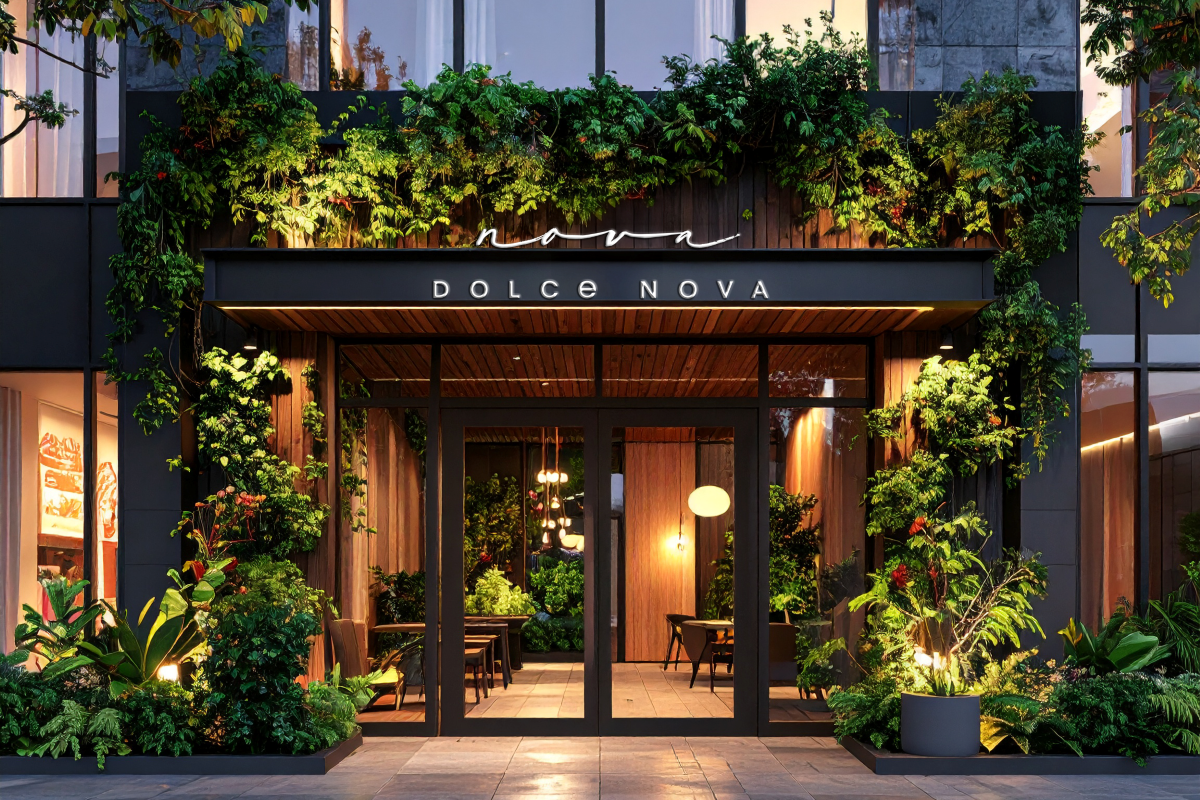
While the parent brand, Dolce, is known for large-scale, functional, and meeting-centric properties with footprints ranging from 200 to 400 rooms, Dolce Nova is designed to be leaner, more aesthetic, and inherently more flexible. It is a play for the "bleisure" traveler—the professional who demands the productivity of a corporate hub but desires the design-led experience of a lifestyle boutique.
Chronology: The Evolution of Wyndham’s Portfolio
To understand the significance of Dolce Nova, one must look at the historical trajectory of Wyndham Hotels & Resorts.
The Era of Acquisition (2006–2020)
For nearly two decades, Wyndham’s growth strategy was defined by the mantra of "buying scale." Since its spin-off from Cendant Corporation, the company has operated with a focus on volume. Today, Wyndham maintains a portfolio of 25 brands, yet a staggering 20 of those were acquired rather than created in-house. From the acquisition of Super 8 and Days Inn to the 2015 purchase of the Dolce brand, Wyndham became the world’s largest hotel franchisor by focusing on efficiency, supply chain dominance, and rapid integration.
The Turning Point: The EMEA Shift
As the market saturated, leadership recognized that a "one-size-fits-all" franchising model could not sustain growth in the high-end boutique sector. Dimitris Manikis, President for EMEA, began advocating for a shift in strategy. The team realized that while acquisition was excellent for market share, it often led to fragmented brand identities.
The Birth of Dolce Nova
Internal discussions regarding the "Nova" concept began in earnest in 2023. The goal was to leverage the prestige of the Dolce name—which carries weight in the corporate events world—while stripping away the rigid, meeting-first architecture that often makes older Dolce properties feel sterile. By mid-2024, the concept was finalized, focusing on high-touch design, curated local experiences, and a smaller room count that allows for more personalized service.
Supporting Data: The Boutique Upscale Opportunity
Wyndham is entering a competitive landscape dominated by players like Accor’s MGallery, Marriott’s Autograph Collection, and IHG’s Kimpton. The data, however, supports their timing:
- Market Demand: According to recent industry reports, the "upper-upscale" boutique sector is growing at twice the rate of traditional full-service hotels. Travelers aged 30–50 are increasingly prioritizing "design-led" environments over traditional luxury.
- The Power of the Dolce Brand: The existing Dolce portfolio boasts a high Net Promoter Score (NPS) among corporate event planners. By extending this into the "Nova" sub-brand, Wyndham is attempting to capture the loyalty of the same professional who uses a Dolce hotel for a conference but stays at an independent boutique for a weekend getaway.
- Asset-Light Efficiency: By creating an extension rather than a new standalone brand, Wyndham avoids the massive marketing spend required to establish brand awareness from zero. They are utilizing the "Dolce" equity while pivoting the consumer perception toward lifestyle hospitality.
Official Responses: A Philosophy of Creation
Speaking at the Annual Hospitality Conference in Manchester, Dimitris Manikis addressed the elephant in the room: Why stop buying and start building?
"Why would we spend a lot of money to buy something when we actually can create an extension of the Dolce brand and introduce it to a new consumer base?" Manikis remarked. His sentiment reflects a broader strategic shift within the company: a move toward organic brand creation as a way to maintain tighter control over brand standards.
Manikis emphasized that Dolce Nova is about "restraint." He noted that in the past, Wyndham’s growth was driven by the ability to scale quickly. With Dolce Nova, the goal is not to have 5,000 properties. The goal is to have the right properties in the right cultural hubs. "We are moving away from the industrialization of hospitality and toward the individualization of it," Manikis added.
The leadership team has been clear that Dolce Nova will feature stricter design guidelines. Unlike the budget brands where franchisees have significant latitude in renovation, Dolce Nova properties will be required to adhere to a specific design language that emphasizes local architecture, sustainable materials, and "warm" minimalism.
Implications: The Road Ahead
The launch of Dolce Nova carries profound implications for the future of Wyndham and the broader hotel industry.
1. A Test of Corporate DNA
Can a company that has spent 20 years perfecting the art of budget, high-volume franchising pivot to become a boutique curator? This is the central question for investors. The operational requirements for a lifestyle boutique are diametrically opposed to those of a highway-side budget hotel. Wyndham must now demonstrate it can provide the high-touch, concierge-level training that guests at the upper-upscale level expect.
2. The Battle for the Bleisure Traveler
Dolce Nova sits at the intersection of business and leisure. By offering the connectivity and event space of a legacy brand with the aesthetic appeal of a boutique hotel, Wyndham is making a direct play for the modern corporate traveler who wants to stay on after a conference to explore the city. If successful, this could significantly increase the "RevPAR" (Revenue Per Available Room) for the company’s EMEA portfolio.
3. A Potential Blueprint for Other Regions
If Dolce Nova gains traction in Europe and the Middle East, there is little doubt that the model will be exported to the Americas and Asia-Pacific. Wyndham is currently using the EMEA region as a "sandbox" for innovation. If the brand proves that Wyndham can command higher ADRs (Average Daily Rates) without the need for expensive acquisitions, the company may pivot its global strategy toward more in-house incubator projects.
4. Competitive Pressure on Independent Boutique Hotels
For smaller, independent boutique hotels, the entry of a massive conglomerate like Wyndham into their specific niche is a wake-up call. Wyndham brings massive distribution power, a world-class loyalty program (Wyndham Rewards), and the ability to negotiate global corporate contracts. Independent boutiques will need to double down on their hyper-local authenticity to compete with the sheer scale and reach that the "Dolce Nova" name will eventually command.
Conclusion
Wyndham Hotels & Resorts is at a crossroads. By launching Dolce Nova, the company is signaling that it is no longer content to be solely a "volume" player. While its history is written in acquisitions, its future—if this experiment works—will be defined by design, nuance, and a more sophisticated understanding of the modern traveler.
The transition will not be easy. Restraint is often harder to achieve than growth, and creating a brand identity that feels "authentic" is a monumental task for a company known for its massive scale. However, with the launch of Dolce Nova, Wyndham has taken the first, necessary step toward redefining itself in the eyes of the global traveler. Whether this marks the beginning of a new era of innovation or a costly detour remains to be seen, but the industry is watching closely. For a company that has mastered the science of the room, Dolce Nova is their attempt to master the art of the stay.
