


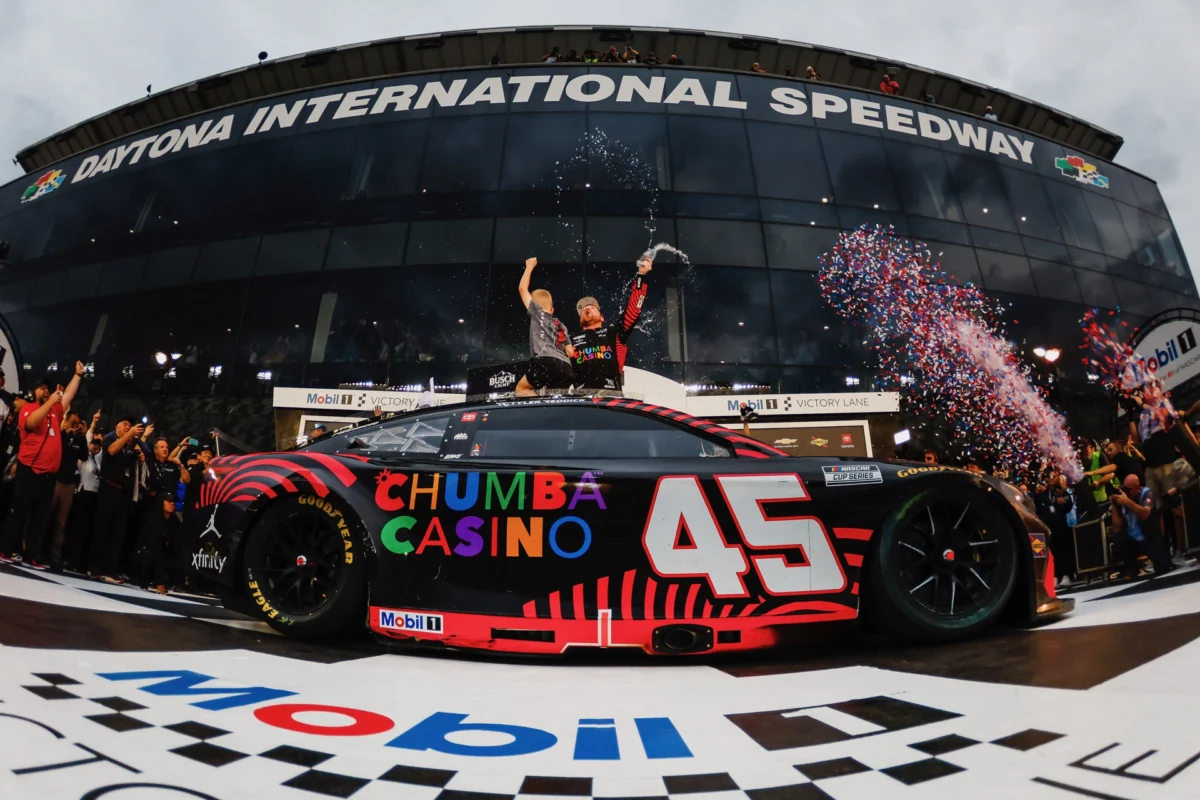
As the NASCAR Cup Series prepares for the high-stakes intensity of the Coke Zero Sugar 400 on August 29, the sanctioning body has unveiled a radical shift in its technical rulebook. In an effort to curb the "stagnant" nature of modern superspeedway racing, NASCAR will implement a significant reduction in horsepower and a major overhaul of the aerodynamic package. For the legions of fans accustomed to the raw, high-revving spectacle of 500-plus horsepower machines, the move represents a controversial but calculated gamble to inject excitement back into the sport’s crown jewel venues.
The Technical Shift: Less Power, Less Drag
When the field takes the green flag at Daytona International Speedway later this summer, the Next-Gen Cup cars will be restricted to just 465 horsepower. This represents a 45-horsepower reduction from the current superspeedway configuration. To put this in perspective, these purpose-built racing machines will now possess less output than a factory-stock Ford Mustang GT (480 hp) and fall significantly short of the production-level Mustang Dark Horse.
This reduction is not a standalone decision; it is the secondary component of a holistic aerodynamic reset. NASCAR is slashing the rear spoiler height from the current 7 inches down to 4 inches. This configuration, which mirrors the setup currently utilized at intermediate ovals like Atlanta Motor Speedway, is designed to reduce the overall aerodynamic drag on the cars. By stripping away both the engine’s output and the car’s ability to "push" air, NASCAR engineers believe they can alter the fundamental behavior of the cars when running in close-quarters packs.
Chronology of a Regulatory Evolution
The road to this decision has been paved with years of data collection and driver feedback. Since the introduction of the Next-Gen chassis in 2022, NASCAR has grappled with the unintended consequences of high-downforce, high-drag racing at superspeedways.
- 2022–2023: The Next-Gen car debuted with an emphasis on parity and component durability. However, drivers quickly noted that the cars were incredibly difficult to maneuver out of a pack. The "drafting" effect became so potent that passing required a tandem push, often leading to "trains" of cars where track position was dictated by pit strategy rather than driver skill.
- Early 2024: Concerns reached a fever pitch during the Daytona 500 and subsequent superspeedway events. Drivers expressed frustration that the cars were "locked" in position, making it nearly impossible to mount a charge from the middle of the pack without triggering a "Big One" or getting stuck in a lane that had zero forward momentum.
- Mid-2026: A specialized working group—which included veteran drivers like Denny Hamlin—began evaluating simulated data to determine if a "less is more" approach to power could facilitate better racing.
- July 2026: NASCAR formally announced the rule change for the upcoming Coke Zero Sugar 400, signaling a clear departure from the high-horsepower era of the past.
Supporting Data: Why 465 Horsepower?
The core objective is to shift the speed advantage from the "pack" to the "individual." Currently, at Daytona and Talladega, a single car is effectively neutered by its own wind resistance. By lowering the spoiler, NASCAR expects individual cars to gain approximately 3 mph in straight-line speed.
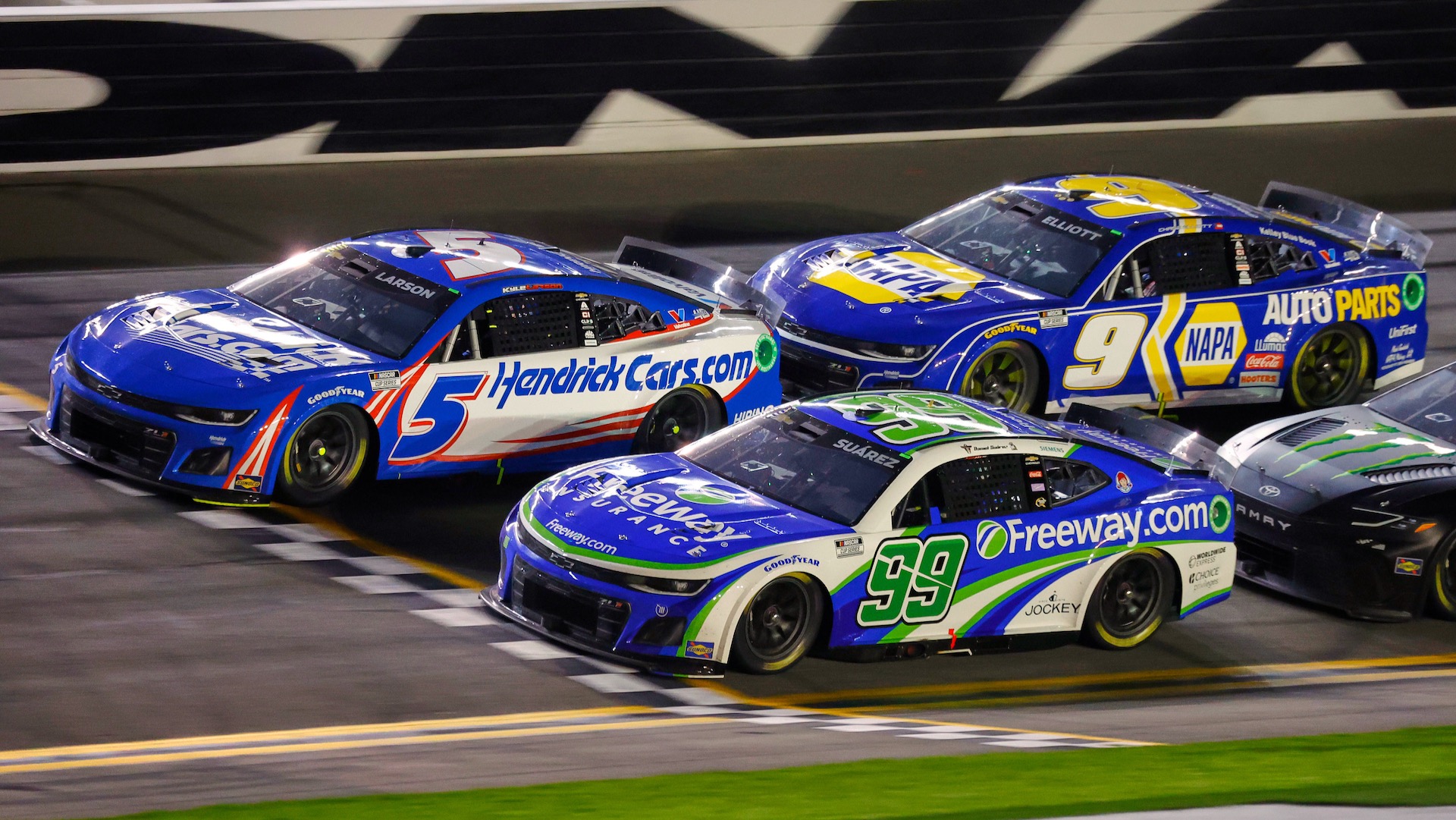
While 3 mph may seem marginal to the casual observer, in the world of professional racing, it is the difference between being a "sitting duck" and having the ability to complete a pass. NASCAR’s simulation models indicate that this change will not necessarily slow down the cars significantly when they are locked together in a tight, aerodynamic draft. Instead, it creates a "breakaway" potential. If a driver sees an opening, the reduction in drag should allow them to accelerate away from the line they are in, rather than being glued to the bumper of the car ahead.
Official Responses: The Driver’s Perspective
The move has been met with a mix of cautious optimism and intense scrutiny from the garage area. Perhaps no voice has been more influential in this change than that of Denny Hamlin, the Joe Gibbs Racing star and 23XI Racing team co-owner. Hamlin has been a vocal critic of the "fuel-mileage" era of superspeedway racing.
"I can tell you from the driver’s seat what happens for us is that we spend the entire race fuel-mileage saving all for that last pit stop," Hamlin noted during a recent episode of NASCAR’s Inside the Race. "We basically know you have to be in the top four inside that last fuel window, unless there’s a big wreck, to have a shot at winning. I mean, if you come out 10th, you are log-jammed; you’re not going anywhere."
Hamlin believes the shorter spoiler is the "missing link" to allowing drivers to be aggressive again. "It’s not going to make them so apprehensive to go make that bold move with 30 to go," he added. He described the current state of the racing as "the first bite of the apple," projecting a 33% improvement in the ability for drivers to initiate and complete passes, effectively ending the static nature of the final 50 laps.
Implications for the Championship Chase
The timing of this rule change is critical. By introducing the package for the final race of the regular season, NASCAR is essentially using the Coke Zero Sugar 400 as a high-stakes stress test.
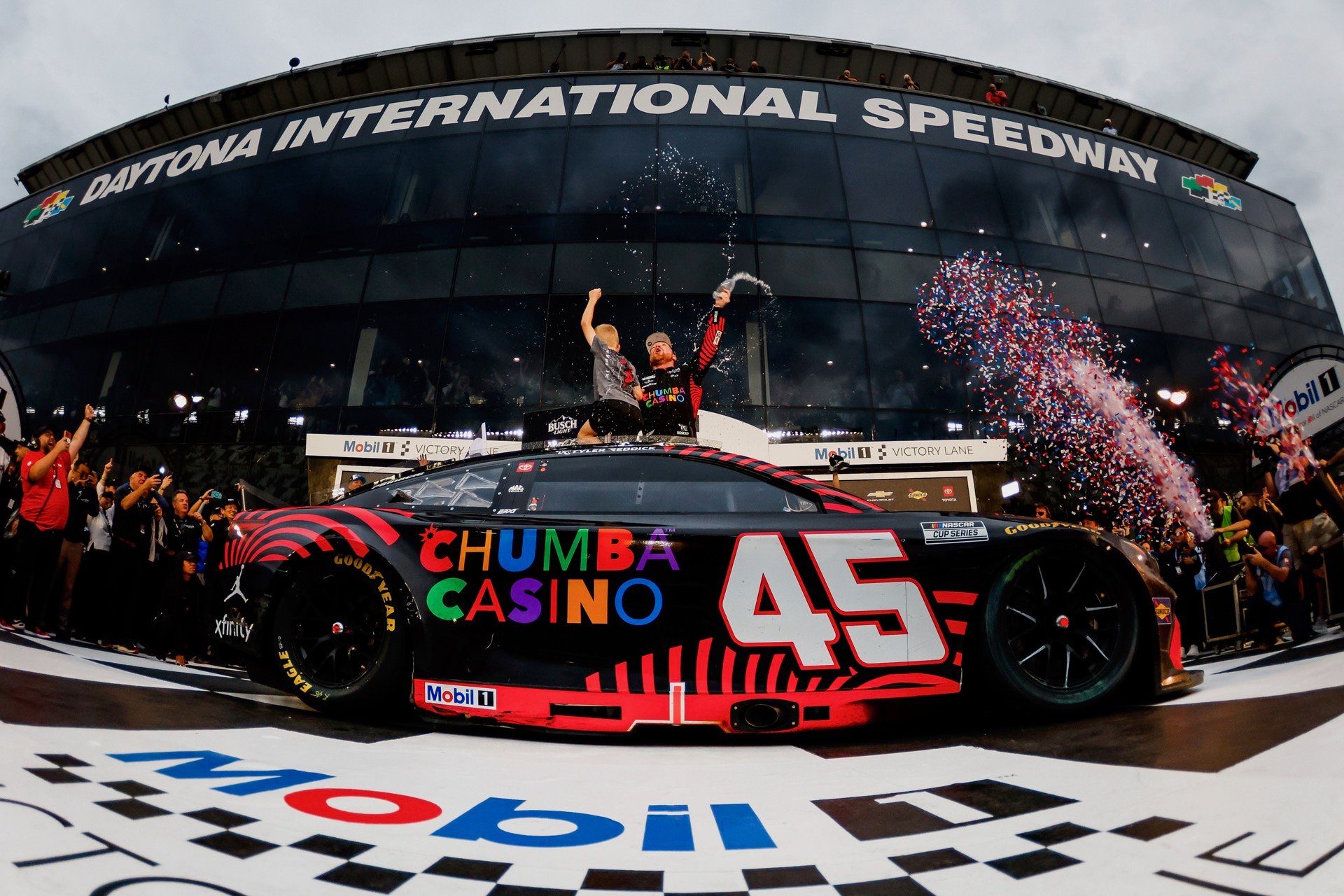
Following this, the playoffs—which have seen a return to the classic "Chase" branding—will head to Talladega in October. This will be the first time the new aerodynamic package will be tested under the pressure of a championship elimination round. With the rules regarding playoff qualification shifting away from simple race wins and back toward a more merit-based, point-accrual system, the racing at Talladega will be more than just a spectacle—it will be a defining moment for the 16 drivers fighting for the title.
Conclusion: A Gamble for the Future
NASCAR is walking a fine line. By reducing horsepower, they risk alienating purists who believe that the sport should be defined by the sheer, unbridled power of the internal combustion engine. However, the governing body is clearly betting that the modern fan—and the viability of the broadcast product—depends on "action" rather than "speed."
If the experiment succeeds, we will see a chaotic, multi-lane race at Daytona where the lead can change in the final corner. If it fails, NASCAR will likely face even more pressure to return to higher horsepower levels. As the industry watches, the focus remains on August 29. The cars will have less power, but the drivers will have more options. In the high-speed chess match of superspeedway racing, that might be exactly what the sport needs.
