




In a rare display of cross-aisle cooperation, a coalition of 210 U.S. mayors has issued a stern warning to Congress: the current trajectory of federal nutrition assistance is pushing American cities toward a breaking point. As the U.S. Senate deliberates on the 2026 Farm Bill, municipal leaders from both sides of the political spectrum are pushing back against the restrictive measures introduced by the "One Big Beautiful Bill Act," which was enacted in July 2025.
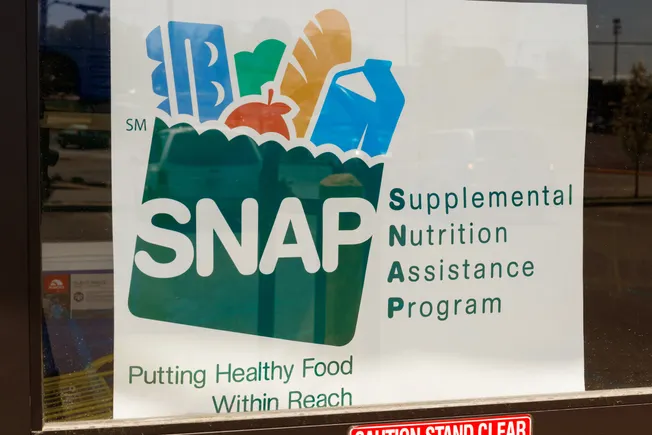
For city officials, the issue is not one of abstract policy, but of urgent, daily survival. With over 4 million Americans losing access to the Supplemental Nutrition Assistance Program (SNAP) in the wake of the 2025 legislation, mayors are grappling with the reality that local food banks, private charities, and municipal budgets are simply not equipped to fill the void left by federal retrenchment.
Main Facts: A Safety Net Under Siege
The current crisis stems from the provisions of the One Big Beautiful Bill Act, which tightened eligibility requirements and shifted administrative and fiscal burdens onto state and local governments. In Richland County, South Carolina, the impact is particularly acute. Approximately 67,000 residents—nearly 15% of the county’s population, with children accounting for nearly half of that figure—rely on SNAP to bridge the gap between their income and the rising costs of living.
Columbia Mayor Dan Rickenmann, a vocal critic of the recent cuts, has made it clear that the city cannot bridge this gap. "If the city has to step in and help, we’d have to reevaluate where we’re spending money," Rickenmann stated in an interview. This reevaluation would likely involve diverting critical funds away from essential municipal services, such as transitional and supportive housing programs for the local homeless population.
The core of the mayors’ appeal to the Senate is simple: the current policy is creating a ripple effect that threatens the social and economic fabric of cities across the nation. By demanding that states absorb 25% more in administrative costs and mandating that states pay for a portion of benefit costs based on "payment error rates," the federal government is effectively forcing local taxpayers to pay for the withdrawal of federal support.
Chronology of the Crisis
- July 2025: The "One Big Beautiful Bill Act" is signed into law, introducing significant tightening of SNAP eligibility and shifting financial responsibility for administrative costs to states.
- Late 2025: A federal government shutdown leads to a temporary pause in SNAP benefit distribution. This period serves as a "stress test" for local communities, revealing the fragility of food security in cities like Columbia and Allentown.
- November 2025: Local officials begin to report widespread public outcry as families grapple with the sudden loss of nutrition assistance. The humanitarian impact becomes impossible for local governments to ignore.
- July 20, 2026: The U.S. Conference of Mayors formally submits a letter to the U.S. Senate, signed by 210 mayors, urging lawmakers to reverse the cuts and provide fiscal relief to states and localities.
- Present Day: The Senate considers the 2026 Farm Bill, with the bipartisan group of mayors lobbying for a legislative "course correction" to protect the nation’s most vulnerable populations.
Supporting Data: The Scale of the Impact
The data provided by the U.S. Department of Agriculture (USDA) paints a stark picture of the national landscape. Since the enactment of the One Big Beautiful Bill Act, more than 4 million individuals have been removed from the SNAP rolls.
In Richland County, the dependency statistics highlight the high stakes. With 67,000 participants out of 440,000 residents, the program is a foundational pillar of the community’s food security. When those benefits are cut, the burden shifts immediately to non-profits and food pantries. Representatives from regional food banks have told Mayor Rickenmann that their storage and distribution capacities have been overwhelmed. They are no longer able to absorb the increased demand, leaving thousands of families in a precarious position.
Furthermore, the administrative cost-shift scheduled for October 2026 creates an "unsustainable fiscal burden," according to the U.S. Conference of Mayors. By forcing states to pay a percentage of benefit costs linked to error rates starting in 2027, the legislation effectively punishes states for the complexities of benefit administration, rather than providing the resources needed to improve accuracy and efficiency.
Official Responses and Bipartisan Alignment
Perhaps the most significant aspect of this pushback is the bipartisan nature of the coalition. Among the 210 signatories to the July 20 letter are more than 100 mayors representing cities in states that voted Republican in the 2024 presidential election.
"This is not a partisan issue," Mayor Rickenmann emphasized. He views SNAP as a "commonsense decision" that serves the public interest by ensuring the health and stability of the workforce and their families. While Rickenmann supports rigorous auditing of state-level SNAP administration to ensure that funds are used correctly, he argues that the current, punitive approach ignores the economic reality of rising food, fuel, and housing costs.
Mayor Matt Tuerk of Allentown, Pennsylvania, echoes these sentiments. Tuerk, who has been at the forefront of the advocacy effort in the Northeast, points out that the federal government’s withdrawal of support creates a "secondary effect" that local governments are forced to manage. The mayors are not merely asking for more money; they are asking for a federal policy that accounts for the reality of city management. They are calling for an extension of the benefit-cost shift delay until fiscal year 2030, allowing states the necessary time to modernize their systems and budget effectively.
Implications: The High Cost of Food Insecurity
The implications of these cuts extend far beyond the dinner table. Mayor Tuerk highlights several areas where the withdrawal of SNAP support could lead to increased costs for cities, potentially offsetting any federal savings achieved by the cuts:
1. Public Safety and Crime
When families are faced with the impossible choice between feeding their children or going hungry, desperation can lead to unintended consequences. Mayor Tuerk noted that his police chief has expressed significant concerns regarding a potential uptick in retail theft. "When they have to make decisions about putting food on the table, will they turn to retail theft?" Tuerk asked. The social instability caused by food insecurity is a burden that police departments are not equipped to handle, and it diverts resources from other essential public safety duties.
2. Public Health and Emergency Services
The lack of access to nutritious food has a direct correlation with long-term physical health outcomes. Tuerk points out that cities are responsible for the operation of emergency medical services (EMS). If malnutrition leads to increased chronic illness or health crises, it is the city’s ambulances that are dispatched to the emergency room. The hidden costs of these medical emergencies often end up as uncompensated care, further straining local healthcare systems.
3. Economic Impact on Small Businesses
SNAP benefits are a vital component of local economies. Small grocers, bodegas, and corner stores in urban centers rely on SNAP transactions to sustain their operations. When these benefits are cut, it represents a direct reduction in the circulation of capital within the community. "Those SNAP dollars help run our city economy," Tuerk said. By starving the program, the federal government is effectively pulling the rug out from under the small businesses that serve the most vulnerable neighborhoods.
Conclusion: A Call for Common Sense
As the Senate prepares to vote on the 2026 Farm Bill, the message from the nation’s mayors is clear: the current path is unsustainable. They are not asking for a radical transformation of the welfare state; they are asking for the restoration of a program that has historically functioned as a buffer against poverty and a catalyst for economic stability.
The bipartisan coalition is demanding that Congress treat states equitably, delay the crushing fiscal mandates, and acknowledge that the strength of the nation begins at the local level. Whether or not lawmakers will heed the advice of those on the front lines of the crisis remains to be seen. However, as the mayors of Columbia, Allentown, and 208 other cities have made clear, the cost of inaction is one that local governments—and the families they serve—can no longer afford to pay.
