





When your car refuses to start on a frigid Monday morning, the culprit is almost invariably the battery. As economic pressures, supply chain volatility, and shifting manufacturing standards drive up the cost of automotive maintenance, many drivers find themselves gravitating toward "budget-friendly" options at big-box retailers. However, a recent, rigorous series of stress tests conducted by the popular technical analysis channel Project Farm suggests that the age-old adage remains true: you truly get what you pay for.
The test, which pitted Walmart’s private-label batteries against those from O’Reilly Auto Parts, serves as a wake-up call for DIY mechanics and car owners alike. By pushing these components to their physical limits, the testing highlights that the price gap between a "value" battery and a premium one may be a small insurance premium against the cost of a stranded vehicle.
The Testing Methodology: A Scientific Approach to Power
In an industry where marketing claims often outweigh actual performance, Project Farm host Todd employed a strictly empirical methodology to separate the contenders from the pretenders. The experiment involved nine brand-new Group 65-rated batteries—the standard size for many domestic trucks and SUVs.
The lineup included four batteries sourced from Walmart and five from O’Reilly Auto Parts. The selection was diverse, featuring both conventional flooded lead-acid batteries and the more robust Absorbed Glass Mat (AGM) technology. To ensure a fair comparison, the batteries were subjected to a series of standardized tests that mimic the harsh realities of real-world automotive use.
Key metrics included:
- Resting Voltage and State of Health (SOH): Measured at ambient temperature.
- Internal Resistance: A critical indicator of a battery’s ability to deliver current efficiently.
- Cold Cranking Amps (CCA): Testing performance at 0 degrees Fahrenheit to simulate winter starts.
- Reserve Capacity: Evaluating how long the battery can sustain power under a standardized load.
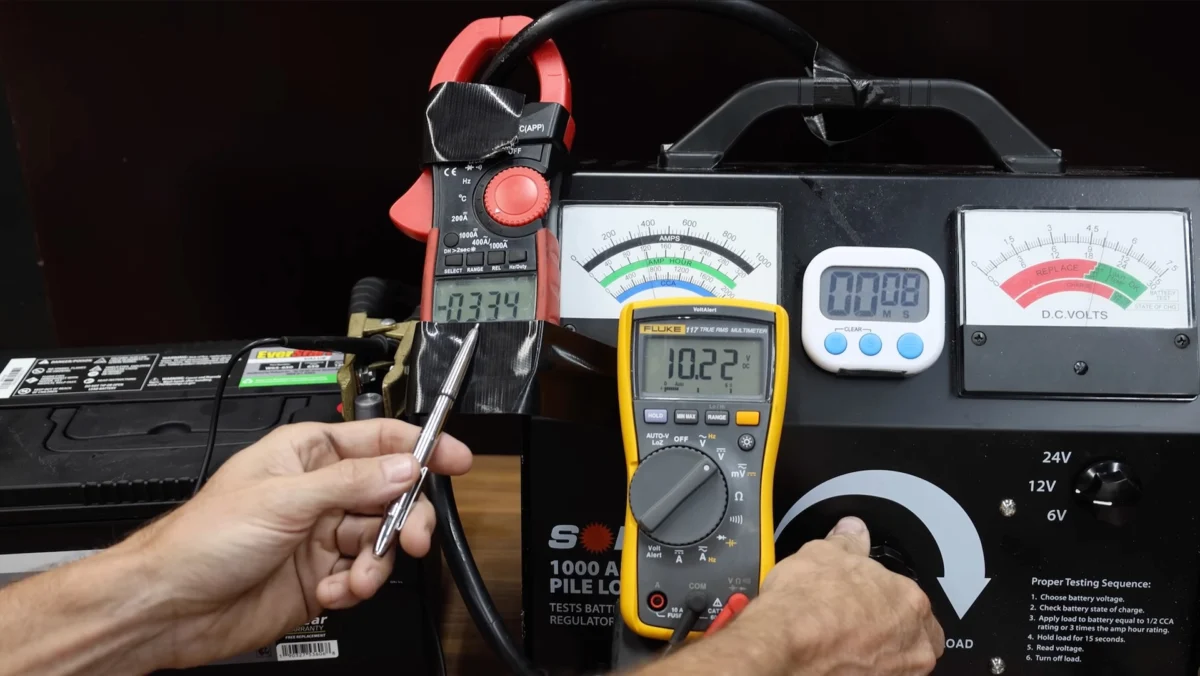
- Carbon Pile Load Testing: Assessing how the battery holds up under the sudden, massive current draw required by a starter motor.
Chronology of the Testing Phase
The testing process was systematic, beginning with baseline diagnostics. Before the batteries were ever installed in a vehicle, they were analyzed using professional-grade multimeters and battery testers.
Initially, the Walmart units displayed signs of concern. While the batteries were brand new, the internal resistance readings were consistently higher than those of the O’Reilly counterparts. High internal resistance acts as a "bottleneck" for electrical flow, which is exactly the opposite of what a starter motor requires during a cold-start ignition cycle. Furthermore, the Walmart lead-acid units reported a State of Health (SOH) between 84% and 88%. While these figures are technically "functional," they are unexpectedly low for a product that has just left the factory shelf.
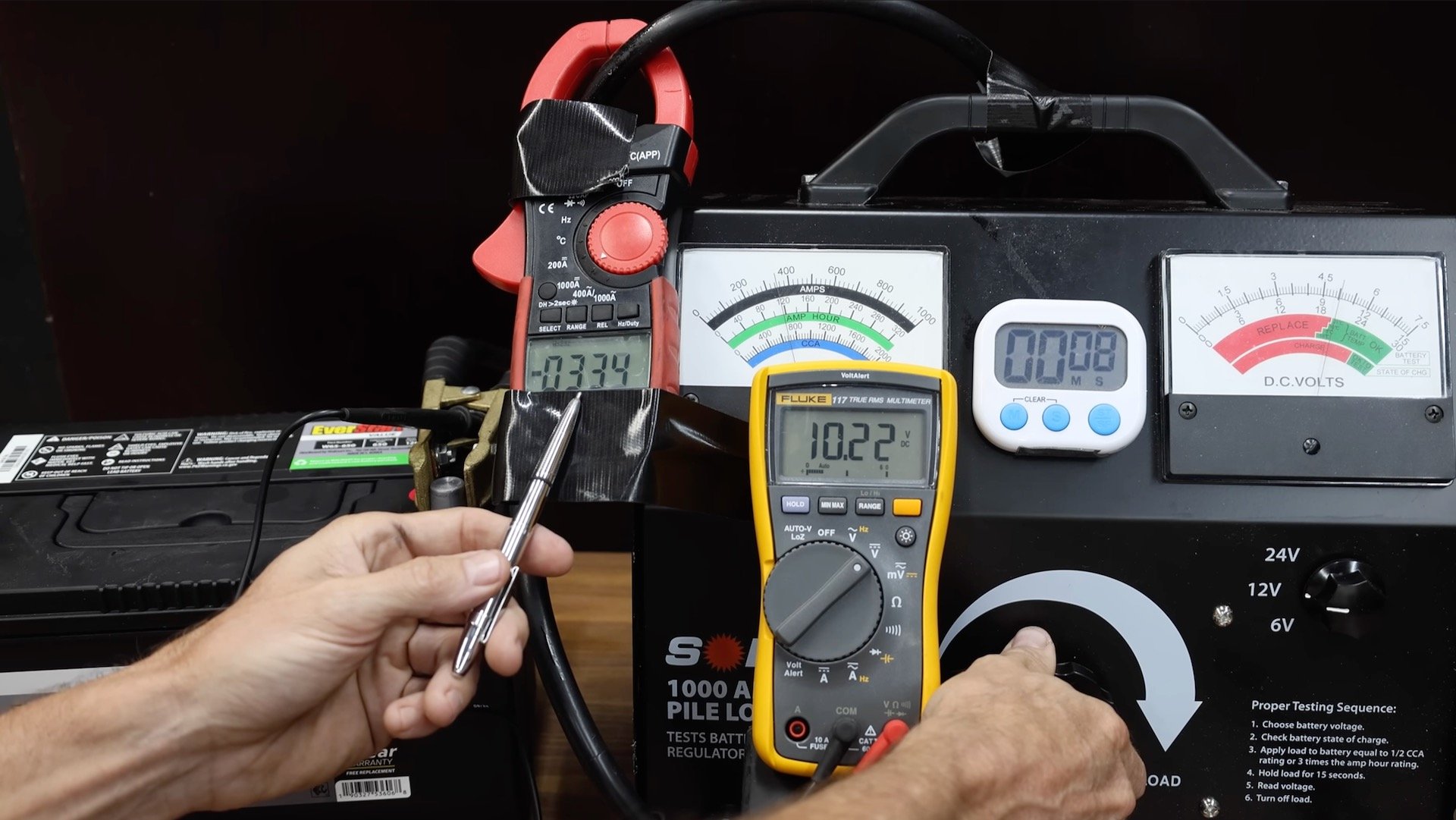
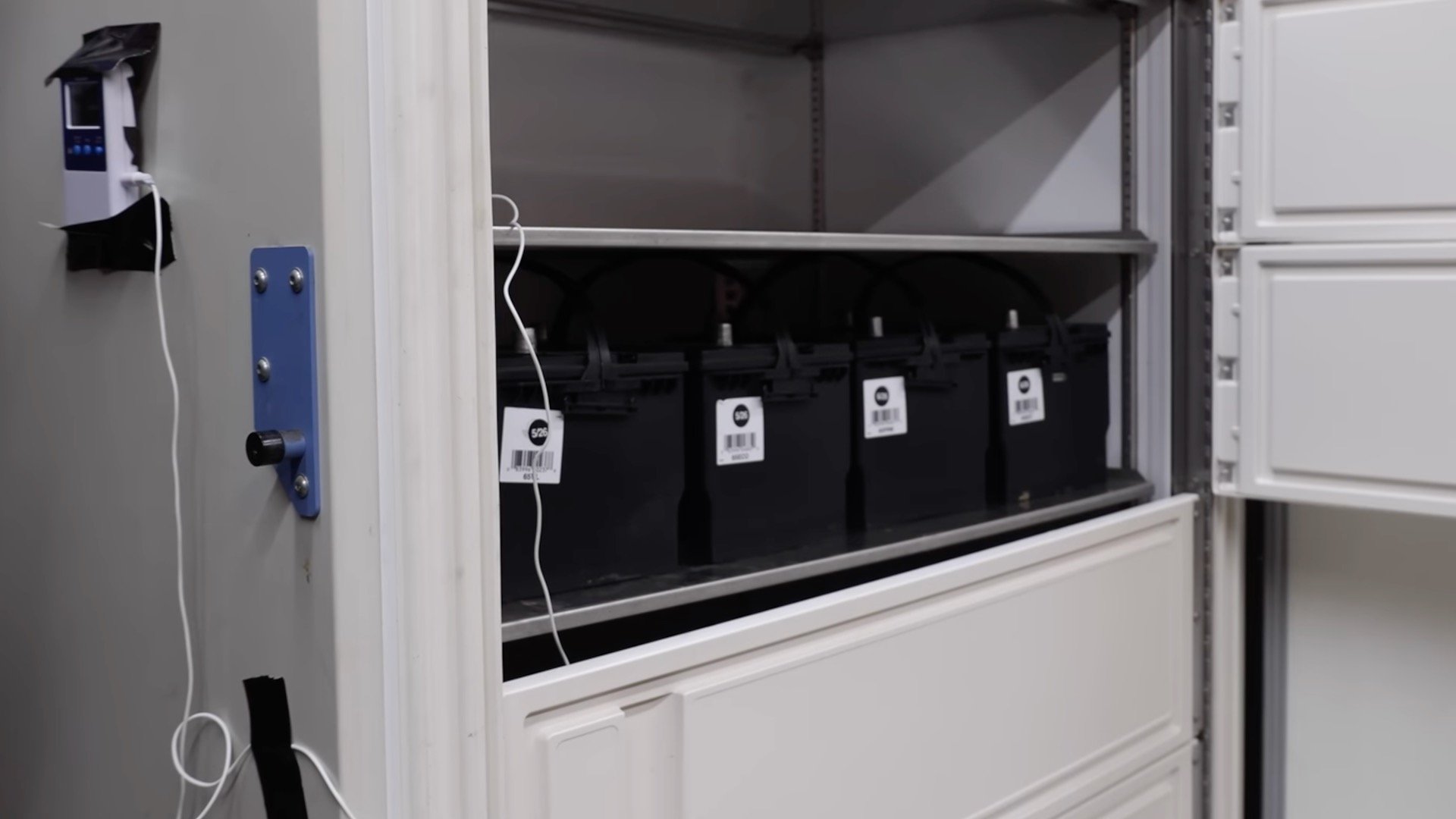
Following the baseline check, the batteries were moved to a cold-storage environment. By chilling the units to 0 degrees Fahrenheit, the testers were able to measure true Cold Cranking Amps—the most vital metric for anyone living in northern climates. Finally, the batteries were subjected to the "carbon pile" test, which mimics the intense, short-duration load of starting an engine. This is where the physical differences in lead-plate construction and internal design became strikingly apparent.
Supporting Data: The Performance Divide
The results provided a clear, quantitative look at the disparity between the two brands. While Walmart’s AGM battery demonstrated respectable performance—even outperforming the O’Reilly AGM in certain load tests—the narrative for the conventional flooded lead-acid batteries was starkly different.
In the cold-cranking test, the $100 O’Reilly "Super Start Value" battery—an entry-level offering—delivered a robust 827 CCA. In contrast, the cheapest Walmart battery, priced only $20 lower, struggled to reach anywhere near that output. The 302-amp difference is not merely a statistical curiosity; it is the difference between a vehicle that starts instantly and one that requires multiple attempts, putting unnecessary wear and tear on your starter and alternator.
Across the board, the O’Reilly lead-acid batteries maintained higher performance scores. The final ranking saw O’Reilly occupying the top two positions, while Walmart’s lead-acid offerings lagged behind their counterparts in almost every metric of endurance and raw power.
The Role of AGM Technology
It is important to address the specific performance of the AGM (Absorbed Glass Mat) batteries included in the study. AGM batteries are designed with a fiberglass mat separator that absorbs the electrolyte, making them more resistant to vibration and capable of deeper discharge cycles.
Walmart’s AGM unit did indeed show promise, outperforming the O’Reilly AGM in the load test. Given that the Walmart AGM costs $189 compared to the higher-priced O’Reilly version, there is a compelling argument for the value proposition of Walmart’s premium tier. However, when the overall scores were tallied, the Walmart AGM tied for third place with one of the O’Reilly lead-acid models. This suggests that while Walmart’s high-end offering is decent, it does not necessarily represent the "best-in-class" performance that many consumers expect when paying a premium for AGM tech.
Implications for the Automotive Consumer
What does this mean for the average driver? The primary implication is that "cost-saving" measures at the parts counter can lead to increased costs in the long term.
1. The Hidden Cost of Reliability
If a battery fails in two years instead of four, the "cheaper" option ends up being more expensive when you factor in the time, labor, and potential towing fees associated with a dead car. If you are a driver who relies on your vehicle for a daily commute or work, the reliability of your battery is a non-negotiable asset.
2. The Impact of Manufacturing Standards
The test results highlight that variations in manufacturing—such as the purity of the lead plates or the quality of the electrolyte—significantly impact the longevity of the battery. The higher internal resistance found in the lower-tier batteries is a hallmark of cost-cutting in the manufacturing process. Consumers should be aware that the price tag often reflects the quality of these internal components, not just the brand name.
3. Understanding Your Vehicle’s Needs
Different vehicles have different power demands. A modern vehicle with complex electronics, start-stop technology, and multiple power-hungry sensors may be more sensitive to battery health than an older, simpler vehicle. Choosing the right technology—whether flooded lead-acid or AGM—is just as important as choosing the brand.
Official Industry Perspectives
While retail giants like Walmart and O’Reilly Auto Parts rarely provide granular data on their private-label supply chains, industry experts note that "house brands" are often produced by a handful of large-scale manufacturers (such as Clarios, East Penn, or Exide) and rebranded for the retailer.
However, retailers often specify the "build sheet" for these batteries. This means one retailer may request a higher lead count or a different plate thickness to hit a specific price point, while another may prioritize longevity. The Project Farm test suggests that O’Reilly’s specifications—or the quality control applied to their chosen suppliers—result in a more consistent and powerful product than what is currently being offered on the shelves at Walmart.
Conclusion: A Lesson in Value
The test conducted by Project Farm serves as a stark reminder that in the automotive world, the "cheapest" choice is often a false economy. While the price difference between a $79 battery and a $100 battery may seem significant at the checkout counter, the performance delta revealed in these tests is substantial.
For the average consumer, the data suggests a clear path forward: prioritize performance and reliability metrics over initial purchase price. When it comes to the heart of your vehicle’s electrical system, the peace of mind afforded by a higher-quality battery is worth every extra penny. Before you reach for the cheapest option on the rack, consider the cold, hard data: your car’s ability to start in the dead of winter depends on it.
