




For a generation of gamers who grew up in the golden age of the local arcade, the sensory experience of racing was defined by a specific set of stimuli: the neon glow of CRT monitors, the tactile clatter of mechanical shifters, and the distinct, slightly acrid scent of floor cleaner and stale popcorn. While the industry has since pivoted toward home consoles and hyper-realistic virtual reality, there remains a persistent yearning for the physical, social theater of the arcade cabinet.
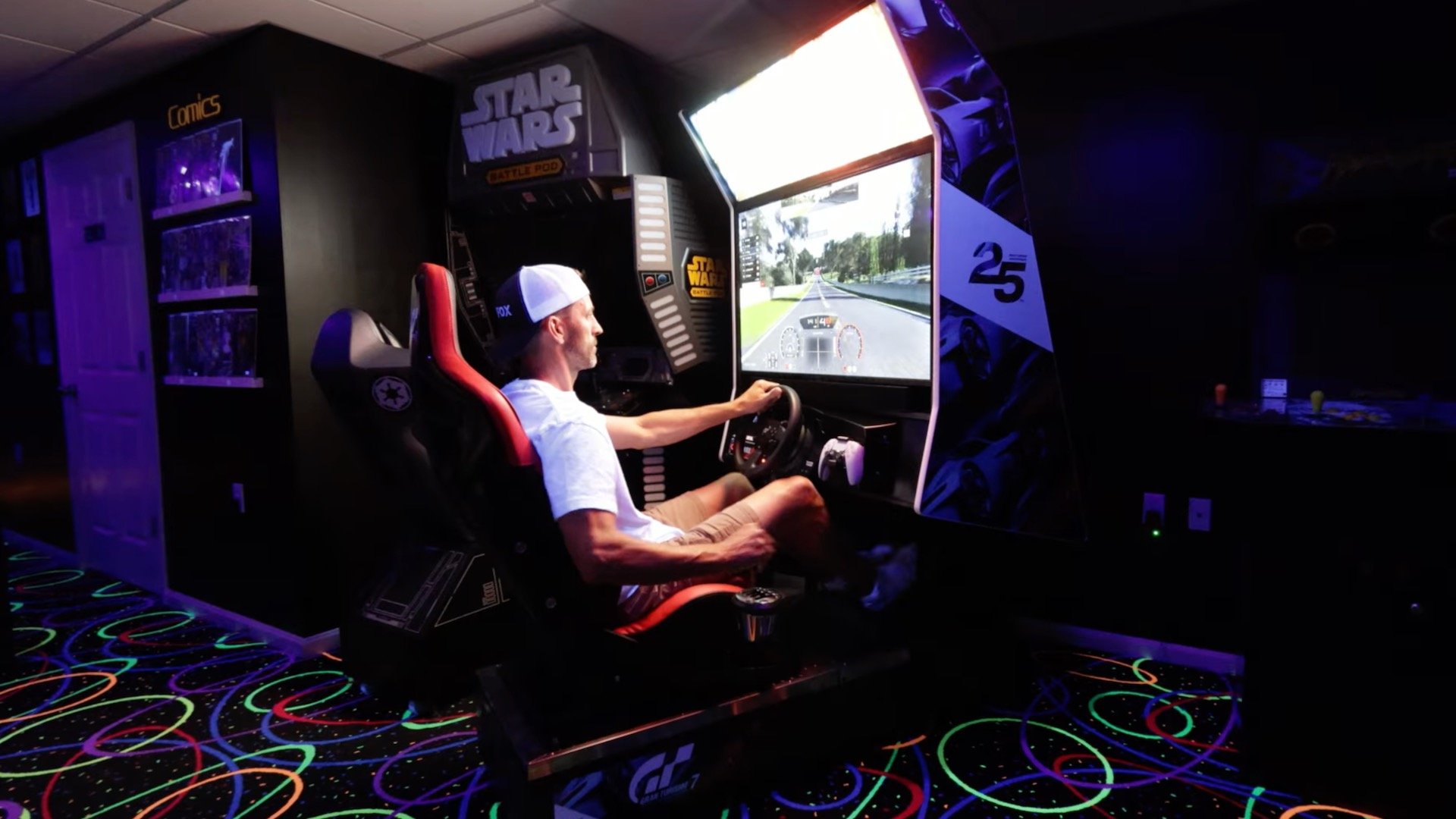
One builder, known online as 19kfox, has bridged the gap between these two eras. Through a meticulous eight-part project documented on YouTube, the creator has successfully transformed a derelict Sega Jambo Safari arcade cabinet into a bespoke, high-performance cockpit for Gran Turismo 7. This isn’t just a gaming setup; it is an architectural homage to the history of automotive gaming, blending the modern fidelity of Polyphony Digital’s flagship racer with the nostalgic heft of a traditional arcade machine.
The Genesis of a Hybrid: From Scrap to Sim-Rig
The project began not with a blank slate, but with a piece of industrial detritus. 19kfox sourced a "junked" Sega Jambo Safari cabinet—a piece of arcade hardware that had long since lost its original purpose. The choice of donor hardware was deliberate. Previous attempts by the builder to construct a rig from scratch resulted in a machine that was structurally unsound and unnecessarily bulky. By utilizing a pre-existing arcade chassis, 19kfox secured a footprint that was authentic to the "coin-op" experience, ensuring the machine would fit comfortably within the standard dimensions of a commercial arcade floor or a home game room.
However, retrofitting a 20-year-old cabinet for a 2026 gaming environment is an exercise in engineering rather than mere aesthetics. The cabinet required significant surgery to accommodate modern hardware. The frame was widened, a process that necessitated extensive cutting and structural welding to ensure the chassis could handle the torque and weight of a dedicated racing seat and a high-resolution display.
Chronology of Construction
The transformation took place over several months, with the progress captured in an exhaustive series of eight videos. The journey can be broken down into four distinct phases:
- Deconstruction and Structural Refinement: The initial phase focused on stripping the Jambo Safari unit down to its skeletal frame. The interior was gutted to remove the obsolete CRT circuitry and proprietary Sega controllers, leaving a clean slate for modern peripherals.
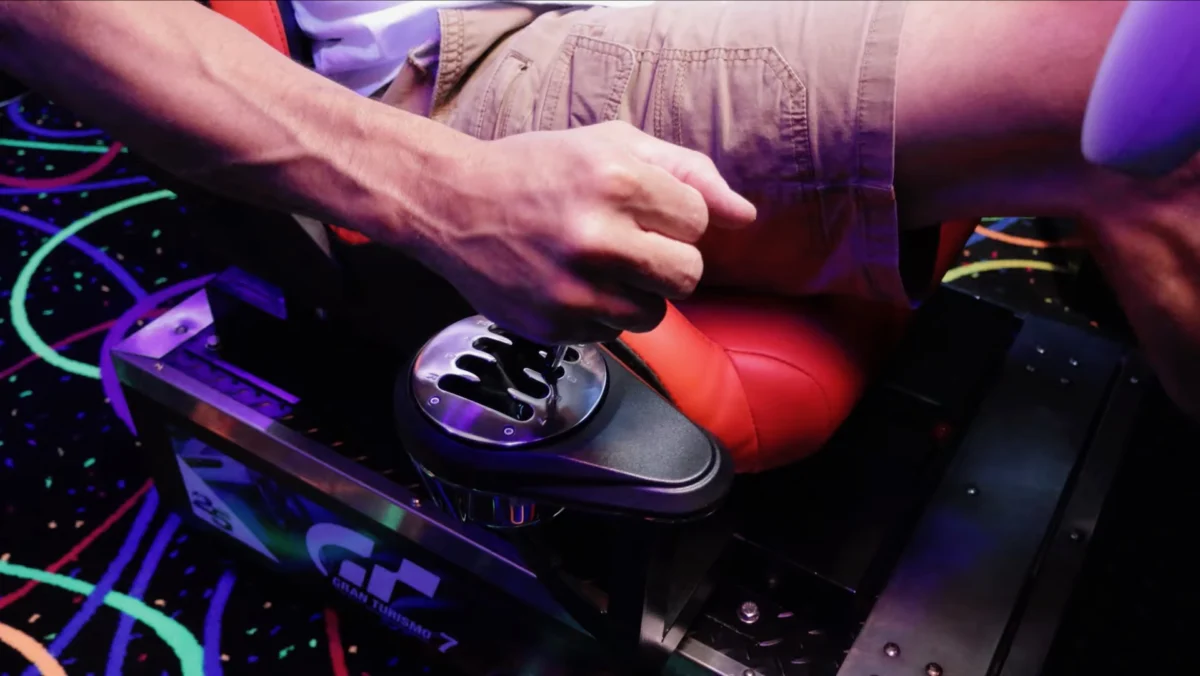
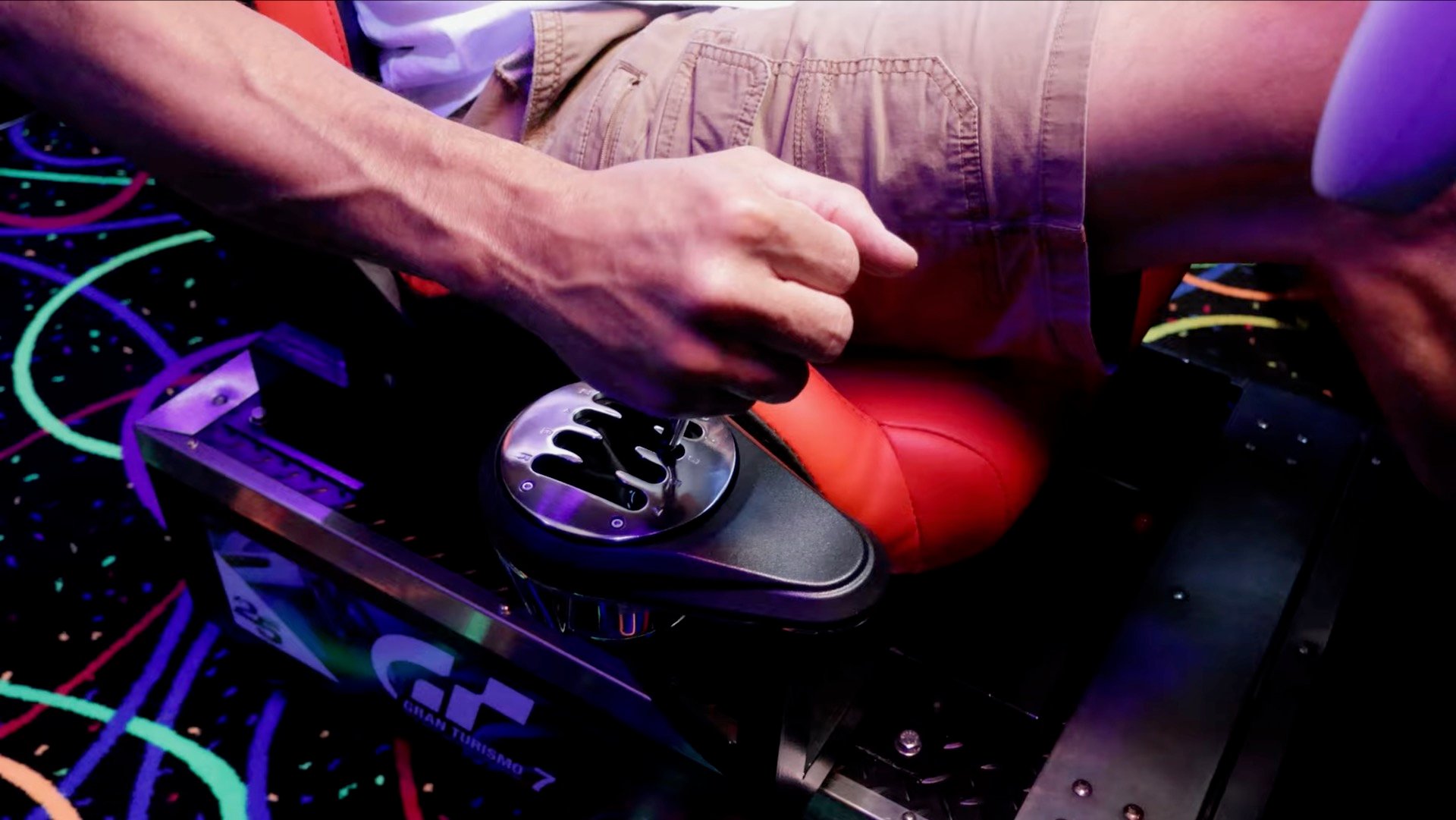
- Fabrication and Ergonomics: The most challenging aspect was modifying the chassis to mimic a real car’s cockpit. The builder relocated the gear shifter from a traditional dashboard-mounted position to the right-hand side of the racing seat, creating a more natural, realistic driving posture. This required custom-fabricated mounting brackets and reinforced steel plating to minimize vibrations.
- Systems Integration: Integrating a modern gaming console with an arcade interface is a common hurdle for DIYers. 19kfox implemented a custom wiring loom to map the steering wheel and pedals to the console’s input signals, while also installing a refined lighting system. A notable feature is the "immersion switch," which allows the player to extinguish the cabinet’s marquee light, effectively eliminating peripheral glare for maximum focus.
- Aesthetic Restoration: The final phase involved applying custom-cut vinyl decals that pay tribute to the classic Sega aesthetic while signaling the transition to the Gran Turismo branding.
The Convergence of Simulation and Arcade Fun
The choice of Gran Turismo 7 as the software engine for this rig is particularly poignant. Since its inception, the Gran Turismo series has occupied a unique middle ground in the automotive gaming world. It is neither as clinical or "dry" as professional-grade training simulators, nor is it as arcade-focused as the Need for Speed or Forza Horizon franchises.
GT7 provides a perfect balance for this hardware. The game’s commitment to automotive history and the "Car Culture" lifestyle mirrors the spirit of the old-school arcade. While the graphics are state-of-the-art—boasting ray-traced reflections and physically accurate tire models—the game maintains a sense of accessibility that rewards the player without requiring the obsessive, often isolating, nature of professional sim-racing gear.
In this cabinet, the game feels rejuvenated. By standing up in a cockpit rather than sitting on a couch, the user’s relationship with the physics engine changes. The physical act of turning the wheel, combined with the enclosed, darkened environment of the cabinet, creates a level of "presence" that even high-end VR headsets sometimes struggle to match, largely because the tactile feedback of the cabinet’s chassis provides a grounding sensation that VR cannot replicate.
Supporting Data: The Longevity of GT7
Despite being four years into its lifecycle, Gran Turismo 7 remains a juggernaut in the racing genre. Developer Polyphony Digital has maintained a consistent, aggressive update schedule, frequently adding new vehicles that range from the obscure to the cutting-edge.
Current rosters include everything from the humble Renault Twingo to the Yangwang U9—a quad-motor electric hypercar capable of 1,300 horsepower and, perhaps most impressively, the ability to "hop" or drive on three wheels due to its advanced active suspension system. This diversity in the car list is what makes the game, and by extension this arcade cabinet, a "living" project. Every month, the machine is essentially updated with new mechanical challenges, ensuring that the cabinet will remain relevant for years to come.
Implications for the Sim-Racing Community
The success of the 19kfox build highlights a growing trend within the gaming enthusiast community: the "analogization" of digital experiences. As technology becomes more ethereal and cloud-based, there is a counter-movement to build physical manifestations of our digital hobbies.
The implications for this are twofold:
- The Rise of the Bespoke "Sim-cade": We are seeing a move away from mass-produced plastic steering wheels clamped to desks. Instead, there is a surge in demand for dedicated, custom-built environments that prioritize the "feel" of the experience over pure hardware specs.
- Archival Engineering: Projects like this perform a secondary service by salvaging discarded arcade hardware. By repurposing cabinets that would otherwise be destined for landfills, builders are preserving the aesthetic legacy of the 1990s and early 2000s, grafting modern technology onto the classic silhouette of the arcade era.
A Final Word on Immersion
While the industry continues to chase the next breakthrough in haptics or graphical fidelity, the most profound experiences are often the ones that respect the history of the medium. The Gran Turismo 7 cabinet is a testament to the fact that immersion is not just about resolution or frame rates; it is about the environment. By recreating the physical sensation of stepping into an arcade, 19kfox has managed to make one of the most sophisticated racing games on the market feel like a brand-new experience.
In an era where "no BS" and "authentic content" are the gold standards for enthusiast media, this build stands out as a beacon of what is possible when passion meets technical craftsmanship. It is, quite simply, the ultimate way to experience the virtual open road.
