


The Porsche 911 is perhaps the most recognizable sports car silhouette in history. Its bug-eyed headlamps and sweeping roofline have defined the automotive landscape for over sixty years. Yet, among the vast catalog of 911 variants, one aesthetic choice remains the ultimate symbol of 1980s excess and engineering bravado: the Flachbau, or "Slantnose."
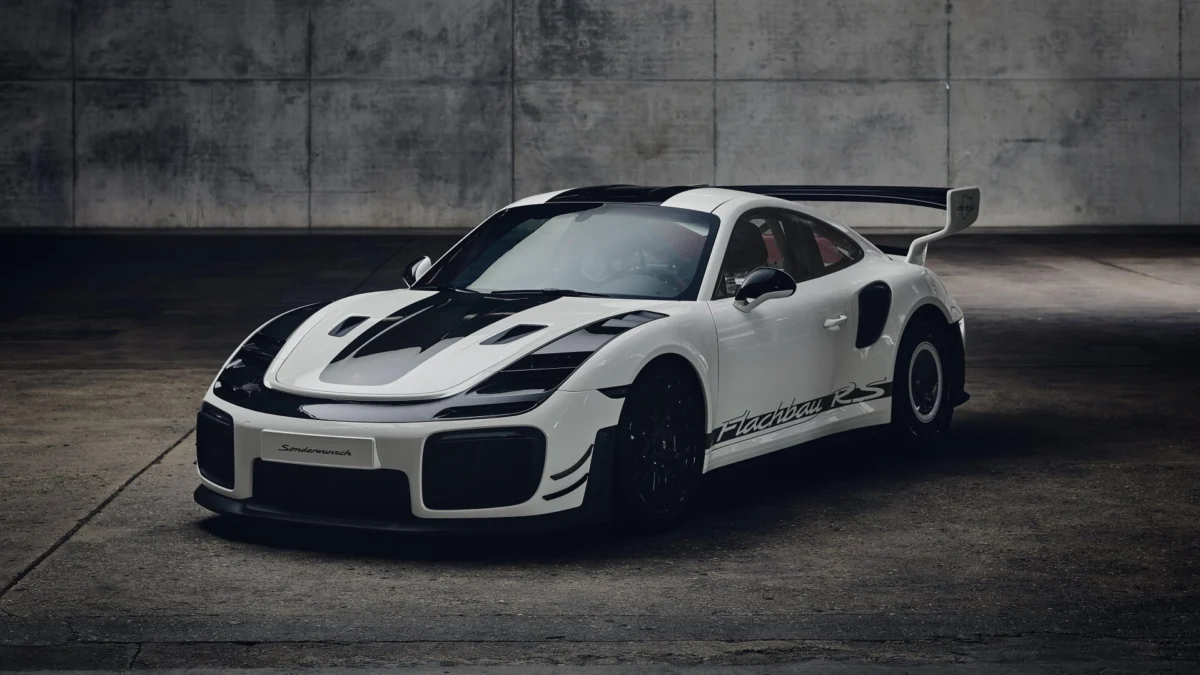
For decades, the Slantnose has been a collector’s holy grail—a radical, aerodynamic departure from the classic 911 face. Recently, the legend was reignited when a bespoke, one-off commission known as the "Flachbau RS" appeared at Monterey Car Week. While this specific machine is a strictly singular masterpiece, whispers from high-level Porsche executives suggest that the iconic flat-front design might not be destined to remain a museum piece or a billionaire’s plaything.
The Genesis of the Slantnose: A History of Individualization
To understand why the automotive world is abuzz about a potential return of the Slantnose, one must look back to the origins of the design. The aesthetic was born on the race track, specifically with the legendary Porsche 935, which dominated endurance racing throughout the late 1970s. By removing the traditional, bulbous headlamps and replacing them with a flat, sloping hood and pop-up lights, Porsche engineers significantly reduced drag, creating a car that could slice through the air at Mulsanne Straight speeds.
The transition from track-only weapon to road-going icon was not initially part of the official Porsche playbook. It began with a specific client request. Mansour Ojjeh, the influential owner of Techniques d’Avant Garde (TAG), approached Porsche’s nascent "Sonderwunsch" (Special Wishes) program in the early 1980s. He wanted a street-legal version of the 935 racer.
Porsche complied, delivering the 935 Street in 1983. The car was an instant sensation among the elite. Seeing the untapped market potential, Porsche moved to offer the look to the general public. Between 1981 and 1989, approximately 948 units of the 930 Turbo were delivered with the factory-authorized "Slantnose" conversion. These cars remain among the most valuable 911s on the secondary market today, representing a unique bridge between pure motorsports engineering and luxury grand touring.
The Modern Catalyst: The Flachbau RS
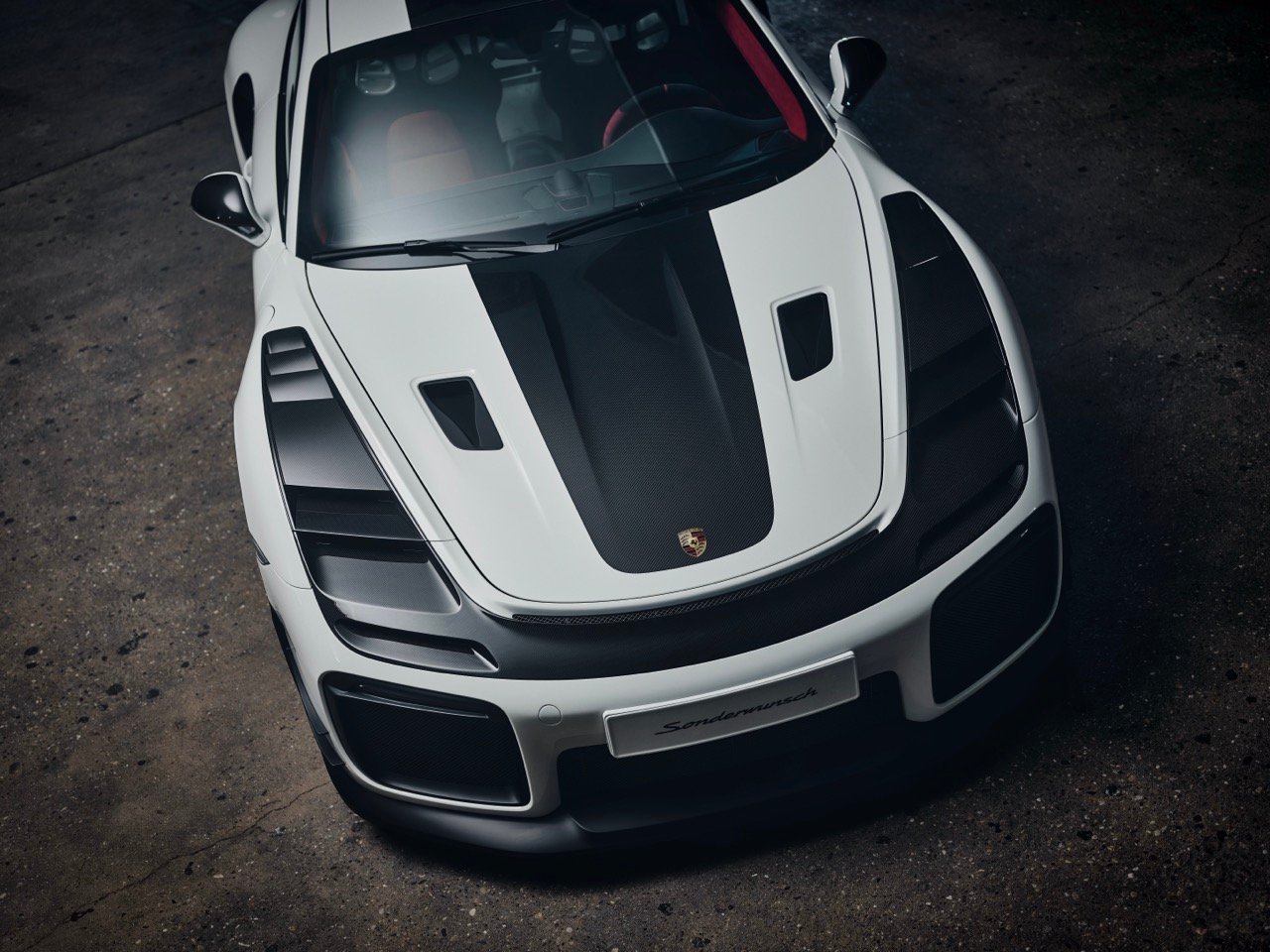
The conversation surrounding the revival of this design was reignited by the appearance of the Flachbau RS at Monterey Car Week. Built through the modern-day iteration of the Sonderwunsch program, this vehicle is based on the 2018 911 GT2 RS.
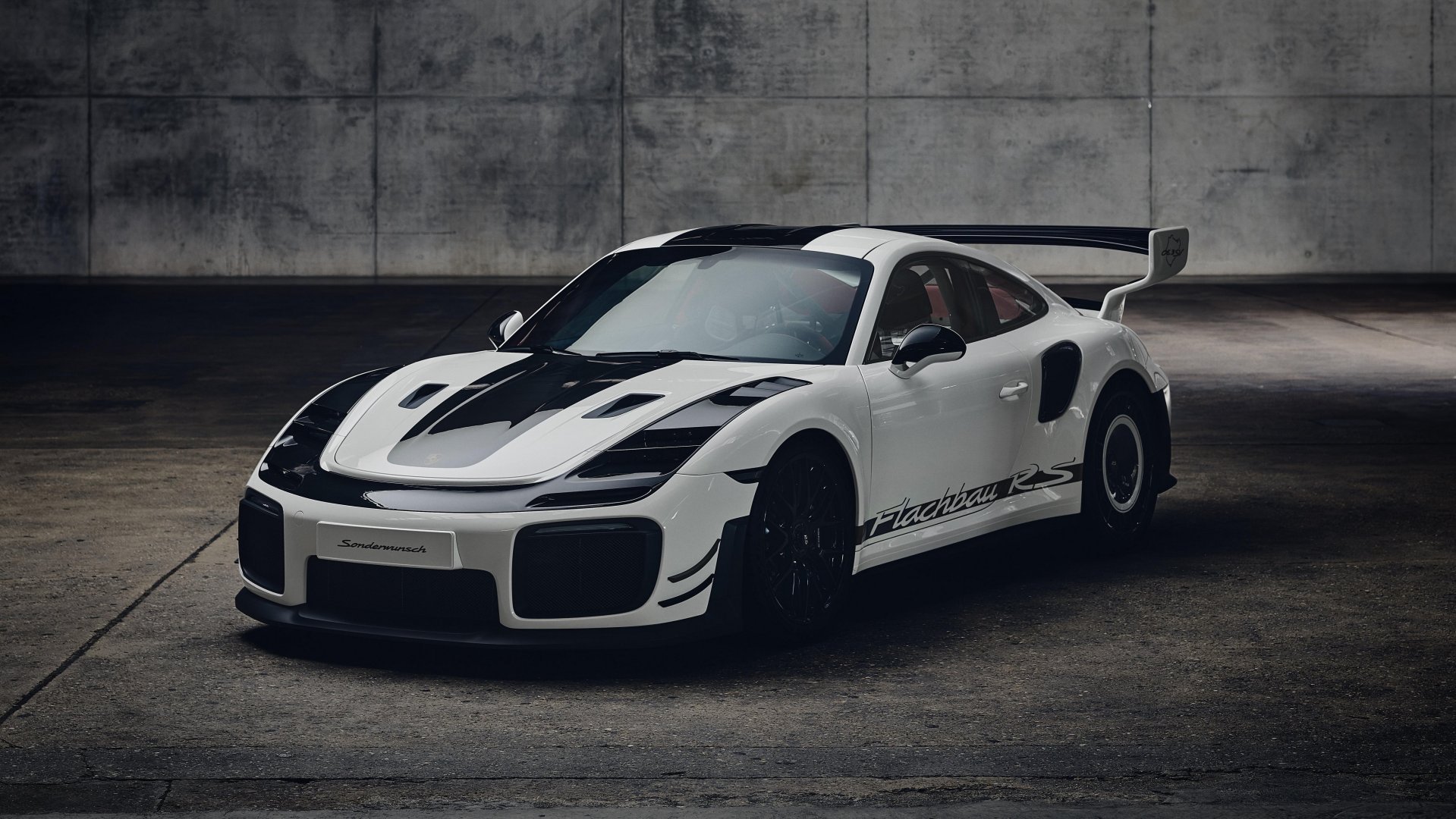
Under the hood, the Flachbau RS is a testament to what happens when a client is given total creative control over a high-performance platform. The car utilizes the 3.8-liter, twin-turbocharged flat-six engine from the GT2 RS, producing a staggering 700 horsepower and 553 lb-ft of torque. It is, by all accounts, a visceral, track-focused machine that marries the aesthetic of the 1980s with the precision of 21st-century aerodynamics and chassis dynamics.
However, the Flachbau RS is a one-off. It is not slated for series production, and the manufacturing process required to create it—involving hand-formed body panels and extensive structural modifications—makes it prohibitively expensive for mass-market consumption. Yet, it serves a secondary purpose: it acts as a testbed for public interest and a proof-of-concept for how a modern Slantnose could be engineered.
Official Responses: The "Trickle-Down" Strategy
During Monterey Car Week, The Drive sat down with Alexander Fabig, Porsche’s Vice President of Product and Individualization, to gauge the likelihood of a series-production Slantnose. Fabig’s response was measured, professional, and undeniably optimistic.
"The idea of Sonderwunsch was always that this is an inspiration for our series products," Fabig explained. He noted that the company has a long history of observing the "individual topics" requested by their most dedicated clients and gradually integrating them into the wider product portfolio.
Fabig outlined the typical trajectory of a feature that begins as a bespoke commission:
- The Individual Commission: A single customer requests a custom modification, such as the Slantnose design.
- The Manufaktur Option: The modification is refined and offered as an "Exclusive Manufaktur" option for a limited number of buyers.
- The Standard Option: The feature is standardized across a model range or a specific trim level.
- The Series Product: The design element becomes a defining characteristic of a future, mass-produced model.
Fabig pointed to the "X50" and "X51" power kits of the late 20th century as perfect examples of this process. These performance upgrades began as bespoke, high-cost options for customers who wanted more power than the standard Turbo could provide. Eventually, the demand for these kits was so consistent that Porsche integrated the performance technology into the standard Turbo S production line.
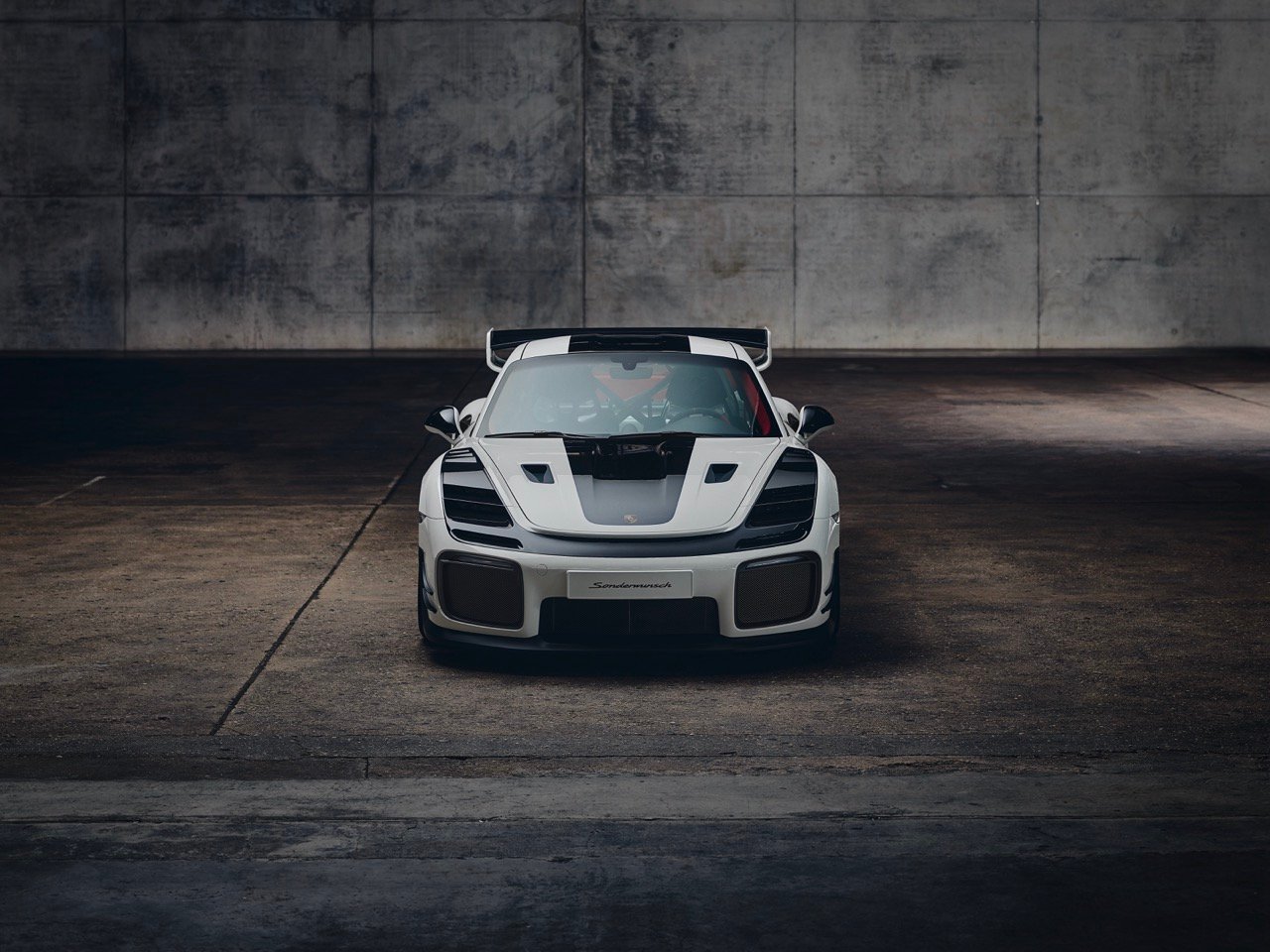
"It’s very well possible that you see not exactly this [the Flachbau RS], but elements of it, or reinterpretations of it as a series offer," Fabig stated. This suggests that Porsche is not merely looking at the Slantnose as a nostalgia piece, but as a potential design language that could be modernized for the next generation of the 911.
Economic and Technical Implications
If Porsche were to move forward with a production-ready Slantnose, the implications would be significant for both the brand and the market.
From an economic perspective, Porsche already utilizes a strategy to recoup development costs for custom work. Currently, when a customer commissions a unique paint color, that color remains exclusive to the owner for exactly one year. After that period, the color is added to the general Porsche catalog. This allows the company to capitalize on the exclusivity of the first buyer while simultaneously generating long-term revenue from the broader market. Fabig suggested that this same philosophy could be applied to more radical, structural projects like the Slantnose.
Technically, a modern Slantnose would need to adhere to significantly stricter safety and pedestrian-impact regulations than its 1980s predecessor. The original cars used pop-up headlights, a feature that has largely vanished from the automotive industry due to pedestrian safety standards and the complexity of moving parts. A 2026-era Slantnose would likely need to incorporate flush-mounted LED lighting or a fixed, low-profile headlight housing that mimics the "flat" look while meeting global regulatory requirements.
Furthermore, the performance envelope of a modern 911 is vastly different. With the introduction of the T-Hybrid system in the current 911 Turbo S—which produces 701 horsepower and achieves a 0-60 mph sprint in just 2.4 seconds—any future Slantnose would be expected to perform at the absolute bleeding edge of internal combustion (or hybrid) technology.
The Future: A Reinterpretation of an Icon
The automotive world is currently in a state of transition, shifting toward electrification and highly complex software-defined vehicles. In such an environment, the return of a design as pure and evocative as the Slantnose would be a powerful statement. It would signal that Porsche remains committed to its heritage, even while pushing forward into the future of high-performance engineering.
While Alexander Fabig’s comments are not an official product announcement, they constitute a clear acknowledgment that the internal appetite for a modern, factory-sanctioned Slantnose exists. For enthusiasts, the prospect of a "Series-Production Slantnose" represents the perfect harmony of the past and the future.
As the automotive industry continues to evolve, Porsche’s ability to balance its legendary history with its innovative future will be the key to its continued success. Whether we see a limited-run special edition or a design cue that eventually finds its way onto the standard 911 lineup, one thing is certain: the Slantnose has never truly left the consciousness of the Porsche faithful. The only question now is when, not if, we will see it on the road again.
For now, the Flachbau RS remains the standard-bearer for this movement—a tantalizing glimpse of what might come. And for those waiting in the wings for a new generation of the flat-nosed 911, the promise of a "reinterpretation" from the engineers in Stuttgart is more than enough to keep the dream alive.
