
For the automotive enthusiast, the Porsche configurator is a playground of endless possibilities. Yet, even with the staggering array of paint-to-sample colors, leather stitching options, and performance packages, there exists a ceiling. Eventually, every buyer hits a wall where the factory’s standardized production lines simply cannot accommodate a specific, deeply personal vision. But for those with the means and the patience, that wall is not a dead end—it is an invitation.
Porsche’s Sonderwunsch (Special Wish) program has emerged as the ultimate bespoke atelier for the Stuttgart brand. It is a department where the traditional constraints of mass-market manufacturing are stripped away, allowing for one-off commissions that push the boundaries of engineering, design, and legality. From the recently unveiled, breath-taking "Flachbau" (Slantnose) 911 to the tantalizing possibility of a manual-transmission Panamera, Porsche is signaling that if you can dream it, they are willing to attempt the build.
The Core Mandate: Redefining Bespoke
At its heart, the Sonderwunsch program is about co-creation. It isn’t merely an "option list" upgrade; it is a collaborative process between the client and the engineers, designers, and artisans at Porsche’s Zuffenhausen headquarters.
Alexander Fabig, the lead executive for the program, notes that the philosophy behind these commissions is centered on creative partnership. "Sonderwunsch is all about being part of Porsche and being the creator of your own car," Fabig explained during a recent interview at Monterey Car Week. The goal is to move beyond simple performance metrics—which can often be addressed through aftermarket tuning—and into the realm of architectural and experiential transformation. Whether it is a radical change to the bodywork or a complete reimagining of the interior, the program allows the client’s identity to be baked into the chassis itself.
Chronology of a Masterpiece: The Flachbau RS
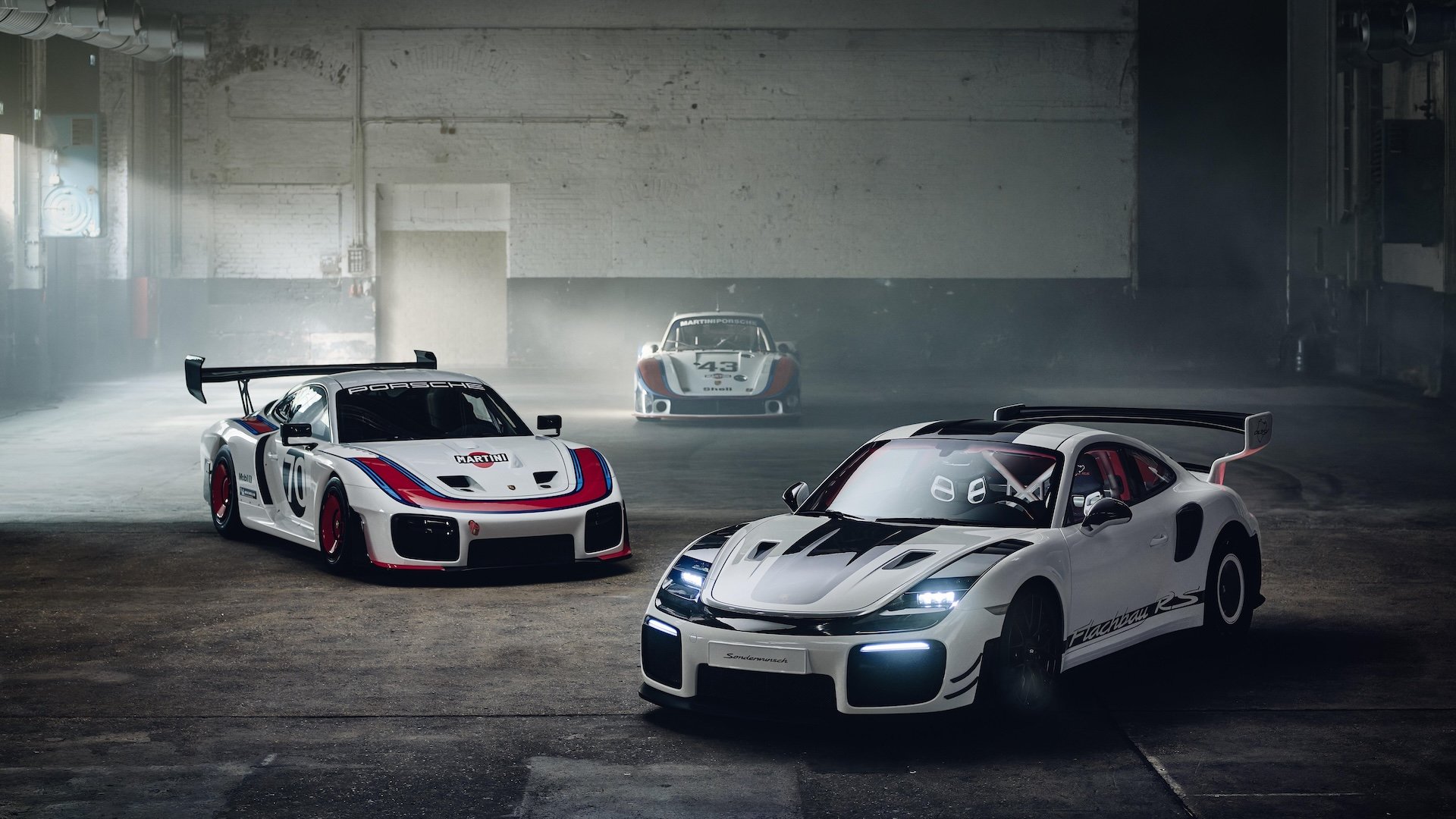
The most recent public testament to the program’s capability is the Flachbau RS. The project, which was years in the making, serves as the ultimate showcase for the program’s patience and technical prowess.
Commissioned by a private European client, the project required over three years of intensive development. It was not a rushed assembly-line job; it was a masterclass in re-engineering. The client sought to revive the iconic "Slantnose" aesthetic—a design language popularized by the 930-series 911s of the 1980s—and apply it to a modern, high-performance platform.
The process was exhaustive. Every panel of the car had to be custom-fabricated to ensure that the aggressive, aerodynamic slope of the front end did not compromise the cooling or structural integrity of the modern 911 donor vehicle. The resulting vehicle is a singular monument to the program’s ability to bridge the gap between Porsche’s rich heritage and its current technological peak. By the time the final clear coat was applied, the project had consumed millions of dollars and countless hours of wind-tunnel testing and prototype iteration, illustrating that for Sonderwunsch, there is no "too much" when it comes to quality.
Engineering the Impossible: Transmissions and Powertrains
One of the most provocative revelations from the recent dialogue with Porsche leadership concerns the extent of the mechanical modifications the program is willing to undertake.
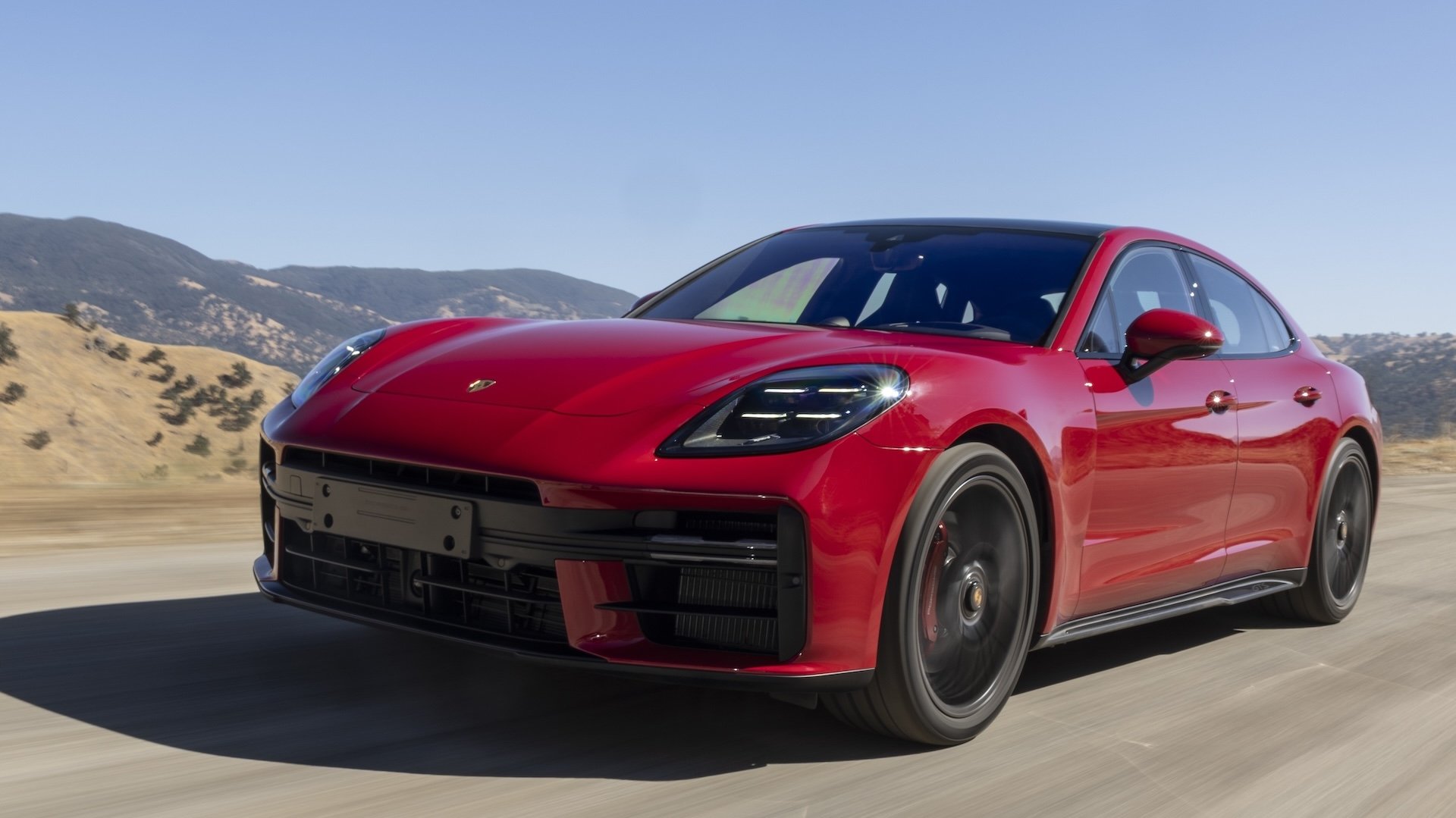
While the Flachbau RS left the engine untouched to preserve the factory-tuned balance of the modern powertrain, Fabig confirmed that the program is actively looking at more drastic mechanical interventions. When asked directly if the program would entertain the notion of a manual-transmission Panamera—a vehicle that has long been strictly offered with dual-clutch automatic gearboxes—Fabig’s response was an emphatic, "Yes, yes, yes."
This is a seismic shift in how the industry views "bespoke" work. Traditionally, manufacturers are terrified of tampering with drivetrain homologation due to the immense costs of emissions testing and safety compliance. However, by leveraging the Sonderwunsch program, Porsche is effectively creating a space where the "manual side of life" can be preserved for those willing to subsidize the development costs.
The Regulatory Boundary: Where the Dream Ends
Despite the "nothing is impossible" ethos of the program, there is a hard line that cannot be crossed: the law.
Fabig is candid about the limitations. "Regulatory issues are always the limit," he states. Porsche operates within a global framework of safety standards, crash-test requirements, and emissions regulations. If a customer demands a feature that would fundamentally compromise the safety of the vehicle or render it incapable of passing basic road-legal criteria, Porsche will decline.
However, the program offers a clever workaround for the most extreme collectors: the "non-street-legal" commission. If a client desires a vehicle that is built purely for the track or for private estate use, the regulatory handcuffs are removed. As Fabig jokingly noted, "If you’re happy enough to have your own country, then maybe you don’t need a license plate." For the ultra-wealthy, this opens up a world of extreme performance, lightweight carbon-fiber monocoques, and engine configurations that would never survive the scrutiny of the EPA or European regulators.
The Future of Customization: Beyond Horsepower
When people think of custom cars, they often think of "more"—more horsepower, more torque, more speed. But the Sonderwunsch program is finding that its most satisfied clients are interested in "more" only in the sense of more experience.
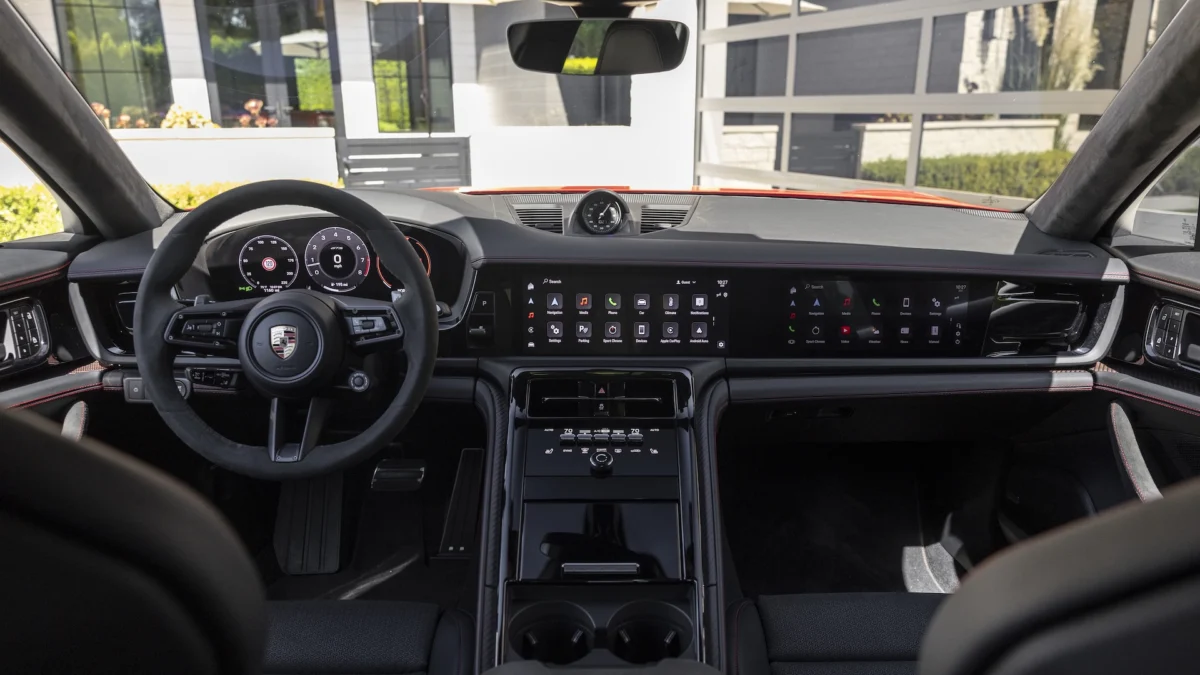
Fabig distinguishes between the "easy" requests and the "creative" ones. Asking for an extra 100 horsepower is a simple matter of tuning and component swapping; it is a transactional request. True creativity, he argues, happens in the design studio. It happens when a client sits down to discuss the tactile quality of the leather, the precise ergonomics of the center console, or the way the roofline interacts with the rear haunches.
This emphasis on "tangible" design elements suggests that the future of the luxury automotive market is shifting away from pure spec-sheet supremacy and toward artistic expression. The car is no longer just a machine; it is a personal statement, a sculpture that functions at 200 mph.
Implications for the Industry
The success of Porsche’s Sonderwunsch program signals a broader trend in the high-end automotive sector. As electrification begins to standardize the driving experience—with instant torque and silent, efficient powertrains becoming the norm—the experience of the car will become the primary differentiator for luxury brands.
By leaning into bespoke commissions, Porsche is insulating itself against the commoditization of the electric era. If every car is fast, the only way to be "better" is to be more personal. The ability to offer a unique body style, a rare manual transmission, or a custom interior is a moat that few other manufacturers can cross.
Furthermore, this program provides a "skunkworks" laboratory for Porsche’s engineers. Every crazy idea that comes through the Sonderwunsch office provides data and feedback that can eventually inform future production models. If a manual-transmission project for the Panamera succeeds, the lessons learned regarding pedal feel, linkage, and software integration could potentially influence future limited-run GT products.
Conclusion: The Ultimate Luxury
The Sonderwunsch program is more than just a service for the wealthy; it is a guardian of the Porsche soul. By allowing the most passionate collectors to influence the shape and function of the brand’s offerings, Porsche is ensuring that its vehicles remain more than just appliances.
As we look toward an automotive future dominated by software updates and standardized platforms, the work being done in the Sonderwunsch workshops stands as a defiant, beautiful anomaly. It is a reminder that while the world moves toward mass efficiency, there will always be a place for the bespoke, the eccentric, and the extraordinary. For the right price, and with enough patience, you aren’t just buying a Porsche; you are participating in its history, one "special wish" at a time.
