





In the quiet corridors of Canada’s major shipping ports, a sophisticated criminal enterprise is unfolding in plain sight. While law enforcement agencies have long focused on the traditional “smash-and-grab” style of vehicle theft, a new report from the Canadian Finance & Leasing Association (CFLA) has exposed a more insidious threat: the weaponization of Canada’s vehicle financing and export infrastructure by organized crime syndicates.
According to the report, Fraudulent Financing and Illegal Vehicle Exports, Canada is becoming a primary source for high-end, fraudulently obtained vehicles destined for overseas markets. These are not necessarily cars stolen at gunpoint or snatched from driveways; rather, they are vehicles purchased through elaborate identity theft and credit fraud schemes, then shipped out of ports like Montreal and Halifax before the financing institutions even realize a crime has occurred.
The Mechanics of the Fraud: How the System is Exploited
The core of the issue lies in a structural "blind spot" within the Canadian export process. In a typical scenario, criminal actors utilize stolen or synthetic identities to secure auto loans from unsuspecting lenders. Once the financing is approved and the vehicle is delivered, the fraudsters immediately move the car into the export chain.
Because the vehicle is technically “owned” by the borrower (albeit via fraudulent means) and is not flagged as stolen in the National Crime Information Centre (NCIC) or the Canadian Police Information Centre (CPIC) databases at the time of export, it clears customs without incident. By the time the financing company realizes the payments are not forthcoming and begins an investigation, the vehicle is often thousands of miles away, sitting on a ship in the Atlantic or already being sold in foreign markets where recovery is nearly impossible.
The 72 Percent Surge
The CFLA’s data reveals a startling escalation. Fraudulently financed vehicles being funneled into the export pipeline rose by 72 percent year-over-year. This staggering increase suggests that organized crime groups have not only identified a weakness in the system but have industrialized the process, creating a reliable revenue stream that bypasses traditional anti-theft measures.
Chronology of a Growing Crisis
The emergence of this trend did not happen overnight. To understand the current climate, one must look at the evolution of auto-theft tactics in Canada over the last five years.
- 2019–2020: The Shift in Modus Operandi: During the early stages of the pandemic, traditional vehicle theft—which relies on breaking into vehicles or using relay devices to steal keyless ignitions—faced logistical challenges due to lockdowns. Criminal groups began pivoting toward "document-based" theft, leveraging the rise of digital financing and remote credit applications.
- 2021–2022: The Infrastructure Gap: As supply chains tightened and vehicle inventory plummeted, the demand for high-end North American vehicles in Europe, the Middle East, and Africa skyrocketed. Criminal organizations recognized that exporting a vehicle purchased through a loan was lower-risk than stealing a car from a driveway, as it avoided the immediate alert of a police report.
- 2023–2024: The Systemic Recognition: Industry associations, led by the CFLA and the Canadian Automobile Dealers Association (CADA), began aggregating data from lenders and retailers. They discovered that the volume of non-performing, fraudulent loans linked to exported vehicles had reached a critical threshold, prompting the formal investigation that resulted in the current report.
Supporting Data: The Anatomy of the Financial Drain
The financial implications of this trend extend far beyond the immediate loss for leasing companies. The CFLA report emphasizes that the cost of these crimes is inevitably passed down the value chain.
The Data Breakdown
- Export Volume: The 72 percent year-over-year spike in fraudulently financed exports represents one of the fastest-growing categories of automotive crime in the country.
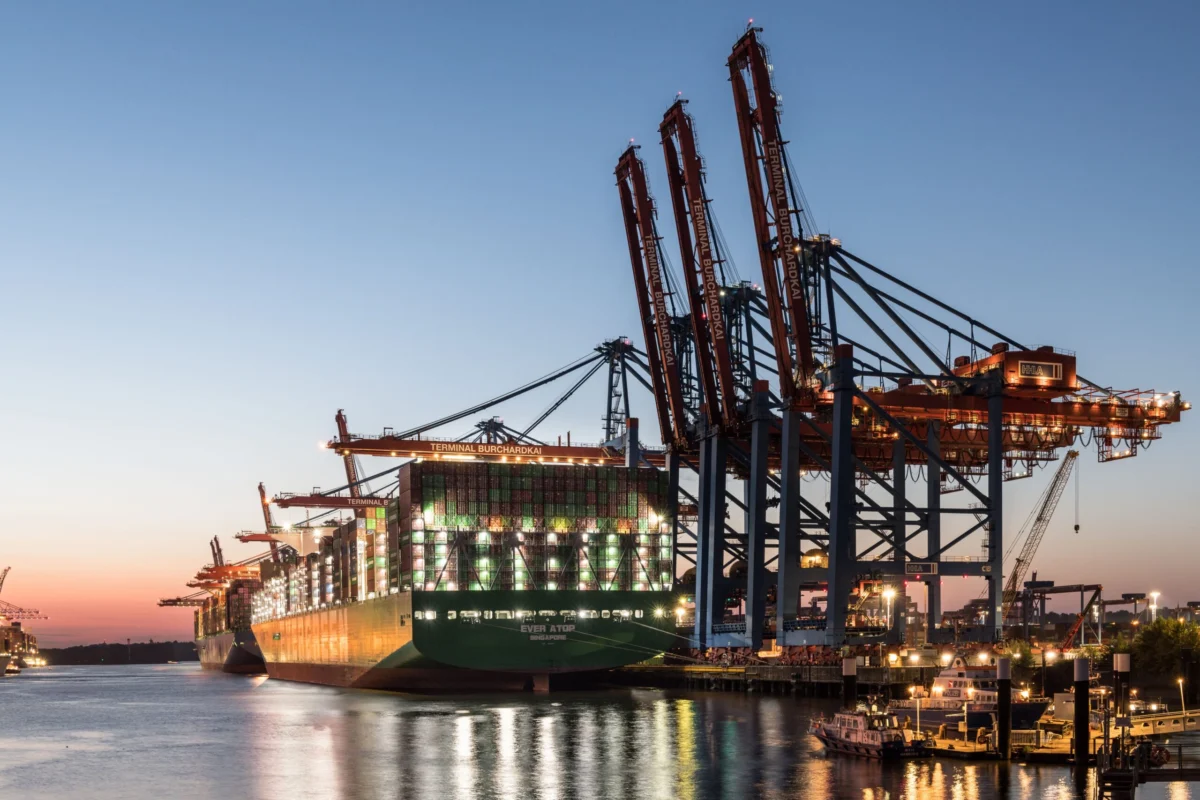
- Port Utilization: Major hubs, specifically the Port of Montreal and the Port of Halifax, are identified as primary exit points. These ports, which handle massive volumes of international cargo, are being used as gateways for containers filled with high-value SUVs and trucks.
- The Information Asymmetry: Currently, the Canada Border Services Agency (CBSA) maintains the authority to detain and seize suspicious cargo under the Customs Act. However, the data reveals a fundamental failure in communication: border officers do not have real-time access to the lien and financing registries that would allow them to distinguish between a legitimate consumer export and a fraudulent one.
Official Responses and the Call for Reform
The reaction from industry leaders has been one of urgent demand for regulatory modernization. Michael Rothe, President and CEO of the CFLA, has been vocal in his critique of the current status quo.
“Organized crime has adapted, and Canada’s enforcement systems need to adapt with it,” Rothe stated upon the report’s release. “We have strengthened our law enforcement’s ability to address conventionally stolen vehicles, but criminals are exploiting a blind spot in the system, with fraudulently financed vehicles being able to leave Canada before anyone knows the crime has occurred.”
The Legislative Hurdle
Crucially, the CFLA maintains that the problem is not a lack of legal authority. The tools are already in place; it is the operational integration that is missing. The CBSA currently possesses the legal standing to inspect cargo, but without a centralized digital bridge between private sector lien-holders and public sector border agents, the agency is essentially flying blind.
Huw Williams, national spokesperson for the Canadian Automobile Dealers Association (CADA), highlighted the broader societal impact of this failure. “This isn’t just a problem for automotive dealers and finance companies,” Williams noted. “If this trend continues, it risks making financing more expensive and less accessible for Canadians looking to purchase a vehicle.”
Implications: A Risk to the Canadian Economy
The implications of this organized crime trend are multi-faceted, affecting everyone from the individual consumer to the federal government’s fiscal health.
1. Increased Costs for Consumers
If finance companies continue to face high losses due to fraudulent exports, they will be forced to adjust their risk models. This could manifest as higher interest rates, stricter credit requirements, and larger down payments for the average Canadian borrower. The criminal activity essentially acts as a tax on the legitimate automotive market.
2. Erosion of Trust in Financial Systems
As fraud becomes more sophisticated, financial institutions may become more hesitant to utilize digital, paperless, or remote lending platforms—tools that have otherwise made car buying more efficient for the public. This could lead to a regression in industry technology, forcing consumers back into archaic, time-consuming administrative processes.
3. National Security and Border Integrity
The fact that organized crime groups can bypass border security with such high frequency suggests that these same networks are likely utilizing these existing infrastructure routes for other illicit activities, including the smuggling of weapons, narcotics, and other contraband. Strengthening the oversight of vehicle exports is, therefore, a matter of national border security, not just corporate loss prevention.
The Path Forward: A Call for Federal Action
The CFLA and CADA are calling for an immediate, multi-stakeholder intervention. They are proposing a framework that includes:
- Inter-agency Data Integration: The development of a secure, real-time database that allows the CBSA to verify the financing status of a vehicle against lender records before it is loaded onto a vessel.
- Federal-Provincial Coordination: A unified approach to title and registration tracking to ensure that vehicles cannot be re-registered or exported without a clear, verified chain of custody.
- Enhanced Surveillance at Ports: Increased physical and digital scrutiny of high-risk cargo, specifically targeting containers identified through predictive analytics as having a high probability of containing fraudulently financed goods.
“The government needs to step in to ensure that Canadians across the country are protected from organized crime,” Rothe concluded. “The CFLA and CADA stand ready to work with federal and provincial partners to stop this worsening problem facing our country.”
As Canada looks to secure its borders and stabilize its domestic automotive market, the "blind spot" identified in the CFLA report serves as a stark reminder that in the digital age, financial crime is a borderless threat. Without a swift move to integrate private-sector intelligence with public-sector enforcement, the country risks turning its ports into the primary exit ramp for a multi-billion dollar, criminal-led, and consumer-funded black market.
