

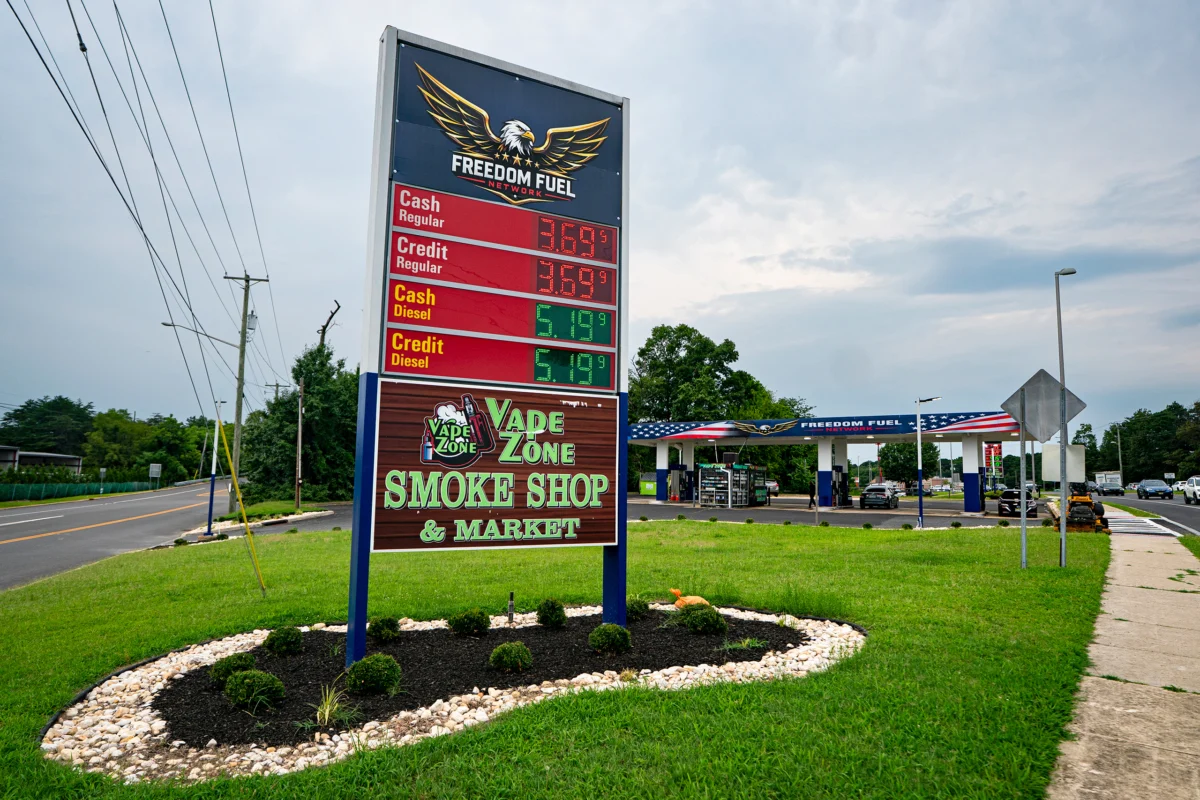
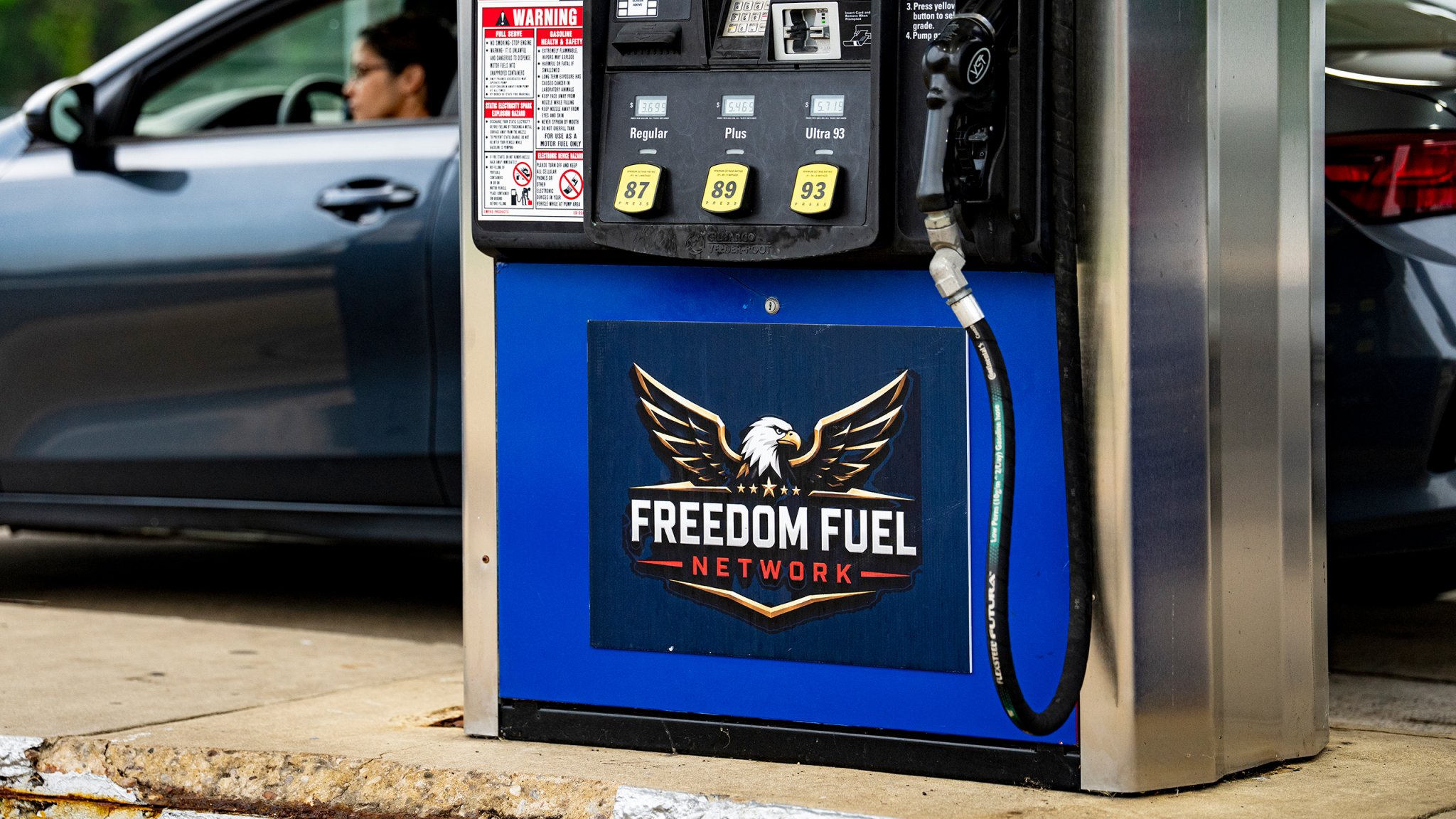
The emergence of the "Freedom Fuel Network" in the Northeast this past July felt like a retail miracle. In an era of volatile energy costs, the sudden appearance of a gas station chain offering fuel at prices nearly 30 cents per gallon below the national average was, at first, celebrated as a triumph of market competition. However, the mystery behind these bargain-bin prices has shifted from a curiosity into a high-stakes legal battle, as allegations of massive fuel theft and corporate malfeasance have surfaced, casting a long shadow over the chain’s rapid expansion.
The Freedom Fuel Network, which boasts 29 locations across New Jersey and Pennsylvania, became a national talking point almost overnight. It received an unusual amount of high-level validation, with the White House’s official X account promoting its first site and President Donald Trump praising the chain as a "VERY smart Retailer." Yet, as the ink dries on a multi-million dollar federal lawsuit, the "smart" business model of Freedom Fuel appears to be built on a foundation of unpaid debts and illicit supply chains.
The Core Allegation: Gas at a Cost of Theft
The primary source of the controversy is a lawsuit filed by the Georgia-based Mansfield Oil Company in the U.S. District Court for the Eastern District of Pennsylvania. Mansfield, a major distributor, alleges that the New Jersey-based fuel distributor KRSM, led by president Syed Kazmi, effectively "stole" over $4 million worth of gasoline.
According to the legal filing, Mansfield delivered approximately 1.1 million gallons of fuel to KRSM. The complaint alleges that KRSM accepted the fuel but failed to remit payment for a single dollar of the $4 million balance. The lawsuit contends that KRSM then offloaded this unpaid inventory to the Freedom Fuel Network at a steep discount. By circumventing the wholesale cost of the fuel, Freedom Fuel was able to undercut competitors, creating the illusion of a revolutionary business model while, according to the plaintiff, operating on stolen inventory.
Chronology of a Corporate Collapse
The timeline of the dispute highlights a frantic few weeks that saw the rapid growth of the chain met with the cold reality of litigation.
- July 2026: The Freedom Fuel Network officially launches its first locations in the Northeast. The brand gains immediate momentum through social media endorsements from the highest levels of the U.S. government.
- Late July 2026: Mansfield Oil reports a "data error" that delayed the invoicing of KRSM. Upon receiving the invoice, KRSM allegedly refuses to pay, claiming the pricing is erroneous.
- Early August 2026: Despite the payment dispute, Mansfield alleges that Syed Kazmi offered verbal assurances that the debt would be settled. These promises, according to the suit, were never honored.
- August 10, 2026: Public interest in the chain reaches a fever pitch as photographers document the unusually low prices at Freedom Fuel stations, such as those in West Berlin, New Jersey.
- August 19, 2026: Mansfield Oil files a formal complaint against KRSM in the U.S. District Court, seeking $3.998 million in damages plus interest and legal costs.
- Late August 2026: Judge Gerald Austin McHugh issues a directive requiring KRSM to freeze at least $2.75 million in a bank account while the litigation proceeds, signaling the court’s concern over the missing assets.
The Financial Mechanics: How the "Discount" Worked
The fundamental question remains: how could a startup chain maintain such aggressively low prices without government subsidies? The lawsuit provides a simple, albeit illegal, answer: the "cost of goods sold" was effectively zero.
If a retailer does not pay their supplier, their overhead costs are drastically reduced. In the fuel industry, where margins are notoriously razor-thin, the ability to sell at 30 cents below the average is mathematically impossible without either extreme subsidies or, as alleged here, the acquisition of fuel through non-payment.
Mansfield Oil’s legal representative, Urs Broderick Furrer, was blunt in his assessment: "Despite the fact that the last delivery was more than five weeks ago, KRSM has not paid one dollar towards the $4,000,000 that KRSM owes Mansfield." This creates a scenario where the consumer benefited from a price war funded, potentially, by the insolvency of a distributor who ignored its contractual obligations.
Official Responses and the "Phantom" Ownership
Perhaps the most bizarre aspect of the Freedom Fuel phenomenon is the total lack of public accountability regarding ownership. Despite the chain’s high-profile backing and the rapid proliferation of its branding, the entity behind the Freedom Fuel Network remains elusive.
When questioned, KRSM and its president, Syed Kazmi, have denied any direct ownership relationship with the Freedom Fuel brand. Their legal defense, led by attorney Mauro Tucci, characterizes the conflict as a simple accounting dispute. "KRSM disputes the allegations in this case, which is an accounting dispute over fuel invoices mis-priced by Mansfield Oil," Tucci stated.
Meanwhile, the federal government—which previously championed the company—has distanced itself as the scandal has unfolded. A White House spokesperson explicitly told the media that the administration has had "zero contact or dealings" with the defendant, KRSM, or its president, Sayed Kazmi. This leaves a vacuum of information: if KRSM is just a distributor and the White House is not involved, who is the driving force behind the Freedom Fuel brand, and why are they so difficult to identify?
Legal Implications and Market Impact
The court’s involvement has begun to tighten the noose around the financial operations of the parties involved. Judge McHugh’s requirement for the $2.75 million asset freeze is a significant move that suggests the court finds the threat of insolvency or asset dissipation to be credible.
Beyond the immediate legal battle, this case raises profound questions about supply chain security and the vetting of new market entrants. In the fuel industry, credit is the lifeblood of distribution. When a major player like Mansfield Oil is stiffed for over a million gallons of fuel, it sends ripples through the entire regional supply chain, potentially driving up costs for honest retailers who are paying their invoices on time.
Furthermore, the "Freedom Fuel" incident serves as a cautionary tale about the intersection of political rhetoric and commercial reality. The desire to see lower fuel prices led to a collective suspension of disbelief, with many accepting the "smart retailer" narrative without investigating the logistics behind the discount.
Conclusion: A Cautionary Tale
As the case moves toward discovery, the industry will be watching closely to see if the "Freedom Fuel" model was a deliberate attempt to game the system or a chaotic failure of financial management. Regardless of the court’s eventual verdict, the saga of the Freedom Fuel Network serves as a reminder that in the complex world of global commodities, if a deal seems too good to be true, it is likely being paid for by someone else.
For now, the 29 stations bearing the Freedom Fuel sign remain a symbol of a mystery that is only beginning to be unraveled. As the judicial process continues, the focus will shift from the price at the pump to the integrity of the ledger, and whether those responsible for this scheme will be held accountable for the $4 million in missing fuel.
