




By Industry News Desk | September 1, 2026
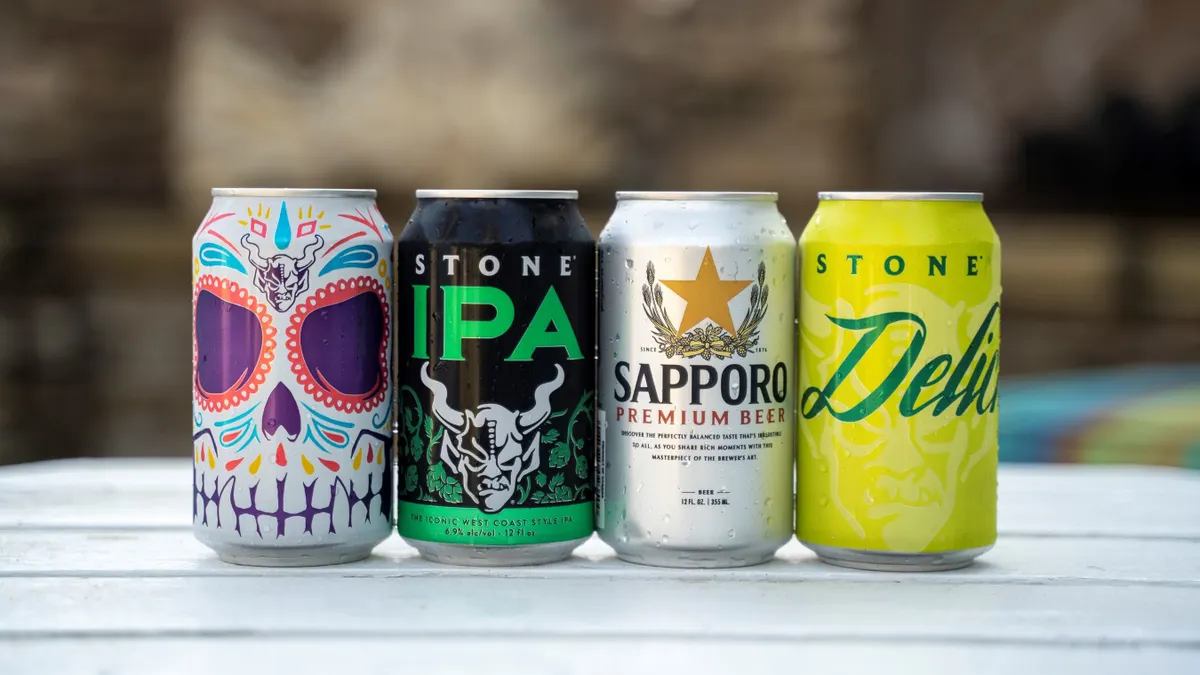
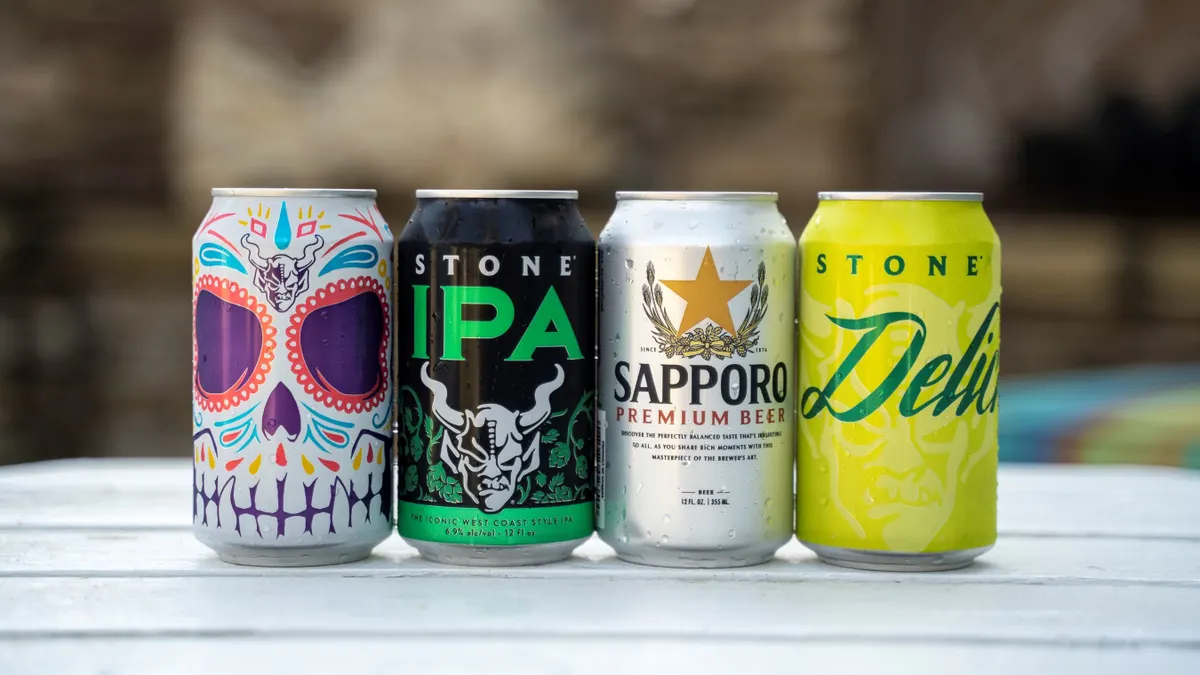
In a significant structural pivot that signals a profound shift in the American craft beer landscape, Sapporo USA has announced the closure of three historic Stone Brewing facilities in Escondido, California. The move, which involves the layoff of approximately 220 employees, marks the final chapter of a strategic realignment that saw the Japanese brewing giant divest from the very craft brand it acquired just four years ago.
The consolidation of Sapporo’s U.S. footprint into a single hub in Richmond, Virginia, underscores a broader trend in the beverage industry: the prioritization of operational efficiency and economies of scale over the diverse, localized production models that defined the craft beer boom of the 2010s.
The Core Facts: A Strategic Retreat
The closure of the Escondido operations follows the April 2026 sale of the Stone Brewing brand to Firestone Walker, a subsidiary of the global brewing powerhouse Duvel Moortgat. While Firestone Walker acquired the intellectual property, recipes, and brand equity of the legendary craft brewer, the transaction notably excluded the physical production infrastructure in California.
According to a WARN (Worker Adjustment and Retraining Notification) notice filed with the State of California, the layoffs are slated to begin in October. The phased reduction will impact a wide swath of the workforce, including skilled brewers, quality control technicians, warehouse personnel, and logistics coordinators.
For the local community in Southern California, the news represents the loss of a cultural landmark. Founded in 1996, Stone Brewing was more than just a production facility; it was a pilgrimage site for IPA enthusiasts and a cornerstone of the regional economy. As these doors close, Sapporo is moving to centralize its entire U.S. production output to its Richmond, Virginia facility, a site the company believes is better positioned to handle the high-volume output required for its flagship Sapporo lager.
A Chronology of Change
The dissolution of the Sapporo-Stone partnership did not happen overnight. To understand the current climate, one must look back at the rapid-fire succession of events that brought the industry to this juncture.
- 1996: Stone Brewing is founded in San Marcos, California, eventually becoming a titan of the West Coast IPA movement.
- August 2022: Sapporo USA acquires Stone Brewing for approximately $165 million. At the time, Sapporo executives hailed the deal as a “synergistic masterstroke,” intending to leverage Stone’s U.S. infrastructure to brew Sapporo products locally, thereby cutting import costs and logistics lag.
- 2023–2025: The craft beer industry begins a period of “market correction.” Consumer preferences shift, and rising operational costs begin to squeeze mid-sized breweries. Sapporo’s flagship lager sees growth, but Stone’s craft portfolio faces headwinds.
- April 2026: Sapporo announces the sale of the Stone Brewing brand to Firestone Walker. The sale is framed as a move to focus on the growth of the Sapporo namesake brand.
- September 1, 2026: Sapporo confirms the closure of the Escondido facilities and the layoff of 220 staff members, signaling the end of its California-based brewing experiment.
Supporting Data: The Craft Beer Correction
The decision by Sapporo is not an isolated event; it is a direct response to a changing macroeconomic reality. Data from the Brewers Association indicates that 2025 was a year of significant contraction for the craft segment.

Industry metrics show a 4% decline in overall craft beer production last year, with nearly 60% of independent breweries reporting a decrease in volume. Several factors have contributed to this "cooling" of the craft segment:
- Saturation: The U.S. market has become hyper-saturated, with consumers facing "choice paralysis" and increasingly pivoting toward alternatives like hard seltzers, ready-to-drink (RTD) cocktails, and non-alcoholic beverages.
- Operational Inflation: The cost of raw materials—specifically high-quality hops and malt—alongside energy and labor costs, has surged. For large companies like Sapporo, the cost of maintaining distributed brewing networks has become untenable.
- The "Big Beer" Pivot: Large international brewers are increasingly shedding their smaller, craft-centric acquisitions to focus on high-margin, high-volume products that offer predictable growth in a volatile economy.
By shifting production to Richmond, Sapporo is betting on the centralized model. Richmond offers better proximity to the heavy consumption markets of the East Coast and a centralized logistics network that can service the entire country with greater precision than the previous multi-site, coast-to-coast model.
Official Responses and Corporate Strategy
In the wake of the announcement, Sapporo representatives have characterized the move as a necessary evolution. "Our decision to transition all U.S. brewing operations to our Richmond facility is driven by our commitment to long-term sustainability and growth," a company spokesperson stated. "By focusing our resources on a single, state-of-the-art facility, we can better manage our supply chain and continue to provide the quality that Sapporo consumers expect."
The company maintains that the sale of Stone to Firestone Walker was the most responsible way to ensure the future of the Stone brand. By handing the reins to a company with deep roots in the craft sector—Duvel Moortgat—Sapporo argues that the brand is in "better hands" for its specific niche, while Sapporo focuses on its core competitive advantage: the global lager market.

However, labor advocates and local economic experts have expressed concern over the human cost. The loss of 220 jobs in the Escondido area is a significant blow to the local manufacturing sector. Many of the affected workers were instrumental in building Stone’s reputation as a world-class brewer, and their displacement highlights the volatility inherent in corporate acquisitions.
Broader Implications: What Does This Mean for Beer?
The closure of the Escondido facility marks the end of a specific era in American beer—the era of the "Mega-Craft" merger. For years, the industry debated whether global conglomerates could successfully nurture independent-minded craft brands. The Sapporo-Stone experiment suggests that the answer, in the current economic climate, is "no."
1. The Death of the "Craft-as-Growth" Strategy
Global brewers are moving away from the idea that buying a craft brand is the "magic bullet" for growth. Instead, they are doubling down on their core, recognizable international brands. We can expect to see further divestments as larger brewers offload craft labels that do not fit into a streamlined, high-volume operational model.
2. Centralization vs. Localization
The shift to Richmond signals a return to centralization. In the 2010s, "brewing local" was the mantra for craft success. In 2026, the mantra for big beverage is "efficiency." The economies of scale offered by a single massive facility in Virginia are simply more attractive to stakeholders than the distributed risks of managing facilities across multiple time zones.
3. The Future of the Stone Brand
While Stone Brewing lives on under Firestone Walker, it will likely look different. The brand is now part of a much larger, global ecosystem. Whether the "Stone identity"—long defined by its rebellious, anti-establishment, West Coast aesthetic—can survive under the corporate umbrella of a multi-national brewing conglomerate remains the primary question for loyalists of the brand.
4. Labor and Community Impact
The layoff of 220 workers in California is a stark reminder of the "last-in, first-out" nature of corporate consolidation. As these facilities shutter, the regional brewing workforce faces a period of transition. Industry analysts suggest that we may see a migration of skilled brewing talent toward smaller, truly independent microbreweries that are less prone to the fluctuations of the global corporate market.
Conclusion
As the sun sets on the Escondido facilities, the industry is left to grapple with the reality that the "craft boom" has matured into a "market correction." The departure of Sapporo from California is not just a business transaction; it is a reflection of a consumer base that has changed, an economy that has tightened, and a global brewing industry that is prioritizing stability over expansion.
For the workers leaving the Escondido site, the closure represents a personal loss of a career built on passion. For the beer industry at large, it serves as a milestone, marking the end of a period of rapid, sometimes reckless, consolidation and the beginning of a more cautious, efficiency-driven future. Whether this path leads to long-term success for the titans of the industry or leaves a vacuum to be filled by the next generation of independent brewers, only time will tell.
