




By Alejandra Carranza | Sept. 2, 2026
In an era defined by supply chain volatility and the relentless pursuit of operational efficiency, the North Carolina Railroad Company (NCRR) has signaled a major commitment to industrial growth. By pledging a $600,000 investment in rail infrastructure for Great Southern Wood-NC, the NCRR is not merely funding a construction project; it is anchoring a $40 million manufacturing expansion in Scotland County that promises to reshape the logistical landscape for one of the nation’s largest lumber suppliers.
As manufacturers across the United States pivot toward rail-served facilities to mitigate rising transportation costs and enhance supply chain reliability, this project serves as a microcosm of a broader national trend. From the Midwest to the Southeast, industrial giants are increasingly bypassing traditional trucking bottlenecks in favor of the long-haul efficiency and environmental benefits afforded by direct rail access.
The Core of the Investment: A Strategic Partnership
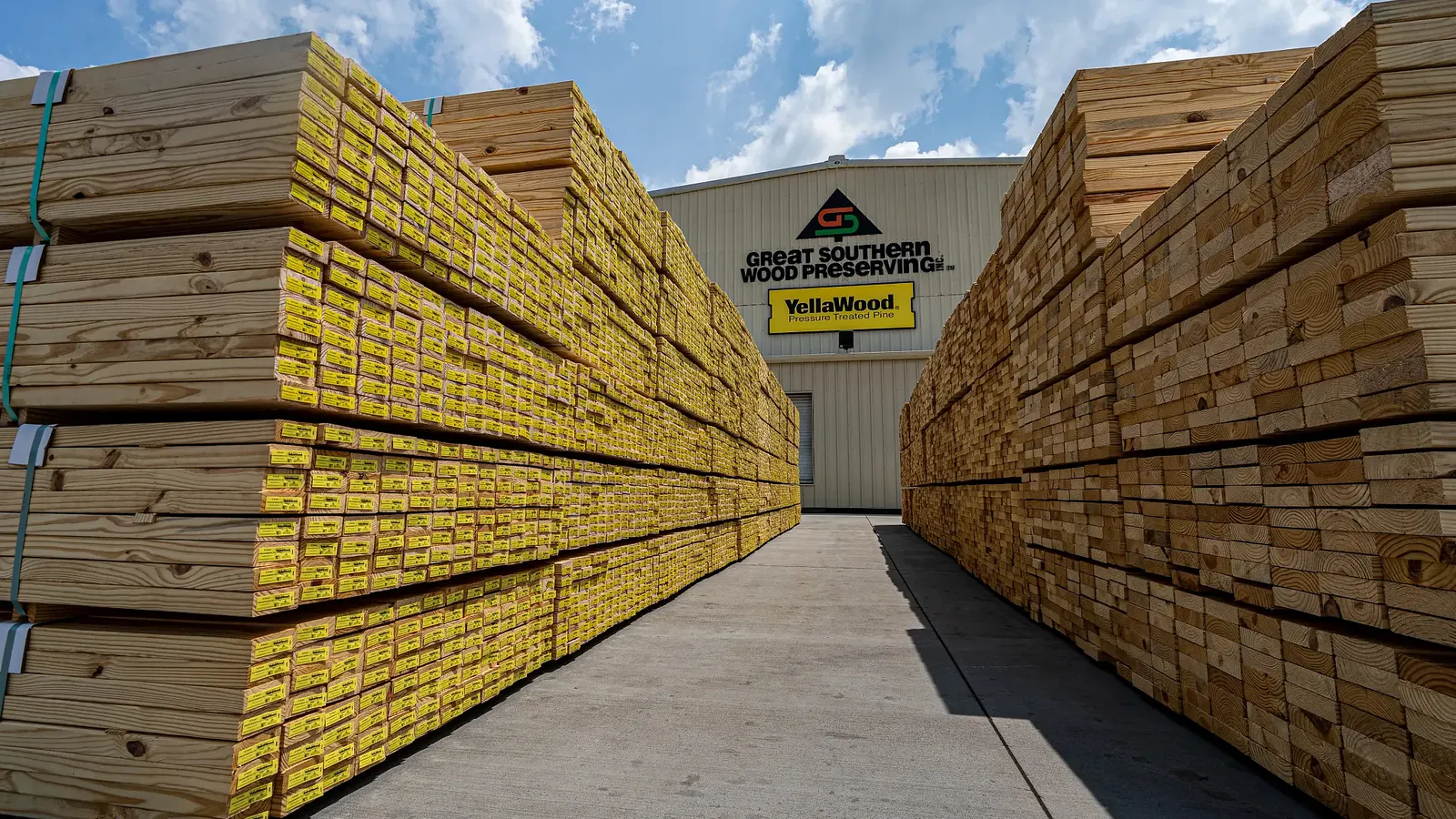
The partnership between the North Carolina Railroad Company and Great Southern Wood-NC centers on a new, state-of-the-art lumber treatment facility located at the Laurinburg-Maxton Airport. The facility, a massive $40 million undertaking by Great Southern Wood-NC, represents a significant boost for the regional economy in Scotland County.
The NCRR’s $600,000 capital infusion is specifically earmarked for the construction of critical on-site rail infrastructure. This infrastructure will allow Great Southern Wood-NC to transition from a reliance on over-the-road freight to a more robust, integrated rail-to-facility model. According to official projections, the facility is slated to become a logistical hub, expected to process a minimum of 421 railcar shipments annually by 2030.
Chronology of the Project Development
The journey toward this rail-integrated facility did not happen overnight. It is the result of long-term planning and coordination between state infrastructure bodies and private enterprise.
- Initial Planning Phase: Over the last 24 months, Great Southern Wood-NC identified the need to expand its footprint in the Carolinas to better serve its massive distribution network across 28 states and the District of Columbia.
- Site Selection: The Laurinburg-Maxton Airport location was chosen for its strategic proximity to existing freight corridors and the potential for infrastructure development.
- Infrastructure Agreement (August 2026): After months of negotiation, the NCRR formalized its $600,000 investment plan, as announced on August 25, 2026. This move was designed to accelerate the timeline for the facility’s rail connectivity.
- Future Milestones: The facility is currently moving toward its final construction phases. Once the rail spurs are completed and operational, the site is expected to ramp up its inbound raw material intake and outbound product distribution, hitting full operational capacity in the coming years.
Supporting Data: Why Rail Infrastructure Matters
The decision to prioritize rail is rooted in cold, hard economics. As fuel prices fluctuate and the national shortage of long-haul truck drivers continues to plague the logistics industry, rail offers a stable alternative.
The Efficiency Equation
For a company like Great Southern Wood-NC, which deals in high-volume building materials, the math is compelling. A single railcar can carry the equivalent load of three to four tractor-trailers. By shifting volume to rail, the company reduces its carbon footprint, lowers fuel consumption, and mitigates the impact of driver shortages.
Industry Benchmarks
The NCRR’s move aligns with a wave of similar projects across the U.S.:
- Hobby Lobby & BNSF (2025): The retail giant established an intermodal facility in Oklahoma City to streamline container movements from the ports of Los Angeles and Long Beach. This move effectively linked international supply chains with regional distribution hubs.
- International Paper (2026): In June, International Paper broke ground on a massive packaging facility in Rankin County, Mississippi. By partnering with Canadian Pacific Kansas City (CPKC) for inbound and outbound rail, the company aims to reduce material handling steps—a key factor in reducing product damage and lowering total landed costs.
Official Perspectives: The Vision for North Carolina
For the NCRR, the Great Southern Wood-NC project is a testament to the idea that infrastructure is the backbone of industrial success.

"Rail-served businesses like Great Southern Wood-NC understand the benefits of lower transportation costs, greater supply chain efficiency and expanded market access," said Carl Warren, President and CEO of the North Carolina Railroad Company. "The track to sustained success is built on infrastructure."
Warren’s sentiment reflects a growing consensus among state economic development agencies: to attract high-value manufacturing, you must provide the physical rails that allow those companies to compete on a global scale. Great Southern Wood-NC, which supplies a vast network of residential, commercial, and industrial dealers, views this investment as a vital mechanism for maintaining its competitive edge in a crowded market.
Implications for the Supply Chain
The implications of the Scotland County project extend far beyond the immediate construction site.
1. Reducing the "Last Mile" Burden
By bringing rail directly to the facility, Great Southern Wood-NC minimizes the "last mile" complexity that often adds significant costs to lumber logistics. With the ability to receive raw timber and distribute treated products directly via rail, the company effectively insulates itself from the volatility of the regional trucking market.
2. Economic Multiplier Effect
The $40 million investment in the facility itself is expected to create jobs and stimulate the local economy in Scotland County. When companies commit to infrastructure of this scale, it often signals to other businesses that the area is "logistics-ready," potentially drawing secondary industries to the region.

3. Sustainability and ESG Goals
As corporations face increasing pressure to improve their Environmental, Social, and Governance (ESG) scores, the transition from road to rail is a clear win. Rail transport is significantly more fuel-efficient per ton-mile than trucking. For a lumber company, which manages massive volumes of raw and finished goods, this shift is a major contributor to reducing the overall carbon intensity of their supply chain.
4. Market Resilience
The ability to tap into the national rail network means that Great Southern Wood-NC can source materials from a wider geographic radius. If regional supply chains are disrupted—whether by extreme weather, labor strikes, or fuel spikes—the connectivity provided by the NCRR allows the company to pivot, sourcing from different parts of the country with greater ease than a trucking-only fleet would allow.
Conclusion: A Blueprint for the Future
The North Carolina Railroad Company’s $600,000 investment in Great Southern Wood-NC is a small price to pay for the long-term industrial stability it creates. By prioritizing infrastructure that bridges the gap between regional manufacturing and national distribution, stakeholders are demonstrating a clear understanding of the future of supply chain management.
As we look toward 2030, the success of the Laurinburg-Maxton facility will likely be measured by more than just the number of railcars handled. It will be measured by the company’s ability to maintain lower transportation costs, provide consistent service to its dealers, and adapt to a changing economic environment. For manufacturers, the lesson is clear: if you want to build a sustainable future, you must start with the track.
