




By Max Garland | Published September 2, 2026
In an era where consumer patience is rapidly evaporating, the battle for the "last mile" has moved well beyond groceries and take-out. DoorDash, the delivery giant that redefined the restaurant-to-door experience, is doubling down on its aggressive push into the retail sector. The company announced this week that it has finalized a new partnership with Gap Inc., further cementing its ambition to become the default infrastructure for on-demand commerce. With this latest integration, DoorDash now boasts more than half a million individual products eligible for sub-hour delivery, signaling a tectonic shift in how apparel and lifestyle brands approach logistics.
The Main Facts: A New Retail Frontier
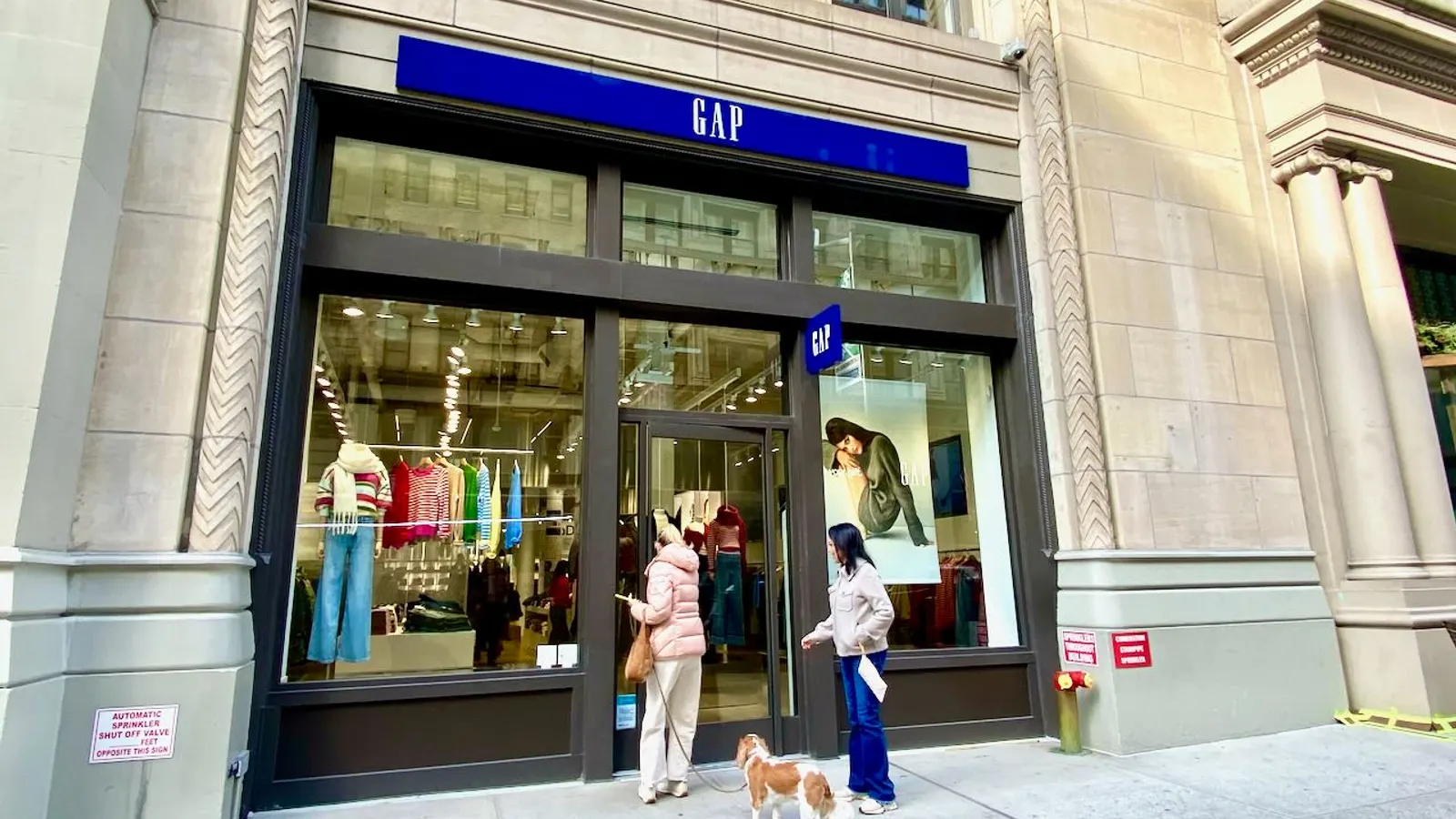
The collaboration with Gap Inc. is not merely a pilot program; it represents a strategic alignment between a legacy retail powerhouse and a modern logistics utility. Under the terms of the deal, Gap and Gap Factory stores are now integrated into the DoorDash marketplace, allowing customers to browse and receive clothing items within minutes rather than days.
This move is the latest in a series of high-profile retail integrations for DoorDash, which has been systematically diversifying its revenue streams away from its core restaurant business. By leveraging its massive fleet of independent contractors, DoorDash is effectively turning local retail storefronts into decentralized distribution centers. For the consumer, this means the "instant gratification" threshold has been raised: a pair of jeans or a seasonal sweater can now arrive at one’s doorstep with the same speed as a pizza.
Chronology: Building the Retail Ecosystem
To understand the significance of the Gap partnership, one must look at the rapid acceleration of DoorDash’s retail strategy over the past 24 months.
- Late 2025: The relationship between DoorDash and Gap Inc. first showed signs of maturity when the Old Navy division—a key pillar of the Gap portfolio—launched a trial partnership with the delivery provider. The success of this initial foray provided the data-backed confidence required to expand the service to the flagship Gap and Gap Factory brands.
- Early 2026: DoorDash signaled its intent to dominate non-restaurant categories with a blistering Q1 performance. During this period, the company successfully fulfilled tens of millions of retail and grocery orders in under 30 minutes, a metric that spans more than 22,000 ZIP codes across the United States.
- Mid-2026: Throughout the second quarter, DoorDash began closing deals at a rapid clip. Partnerships with major retail players, including Foot Locker and Urban Outfitters, were finalized, significantly expanding the breadth of "non-food" items available on the platform.
- August 5, 2026: DoorDash released its Q2 financial results, confirming that its non-restaurant marketplace orders were not just growing in volume, but were also seeing significant improvements in unit economics.
- September 2, 2026: The official announcement of the broader Gap Inc. partnership serves as the latest milestone in this ongoing expansion, marking a clear pivot toward apparel as a cornerstone of the company’s retail strategy.
Supporting Data: The Economics of Speed
The financial rationale behind this pivot is rooted in shifting consumer behavior and the necessity of improved unit economics. As DoorDash matures as a public company, the pressure to achieve profitability per delivery has intensified.
According to the company’s Q2 2026 earnings report, the retail and grocery categories have moved from "growth-at-all-costs" to a model of sustainable efficiency. By increasing the density of deliveries—picking up a retail order alongside a grocery order or multiple retail items from a single shopping center—DoorDash is optimizing its delivery routes.
Data from the first half of 2026 reveals that the demand for sub-hour retail delivery is not a niche luxury but a burgeoning expectation. Retailers are responding to the "Amazon effect," where the e-commerce titan’s recent push for one-hour and three-hour delivery windows has set a new industry standard. With Sam’s Club also entering the fray with a one-hour delivery offering, the competitive pressure on traditional retailers to provide "immediacy" has never been higher.
Official Responses: The Strategic Vision
For Gap Inc., the partnership is an exercise in brand relevance. Mark Breitbard, president and CEO of Gap Brand, emphasized that the decision was driven by a need to meet the evolving expectations of the modern shopper.
"Partnering with DoorDash extends the reach of Gap and Gap Factory, combining iconic style with the convenience and immediacy that our customers expect," Breitbard said in a recent press statement. "This is about meeting our shoppers where they are, and increasingly, they are looking for ways to integrate our products into their lives without the friction of traditional shipping delays."

DoorDash, meanwhile, frames the development as a natural evolution of its platform. While the company initially captured the market through food, its leadership team has long viewed the app as a "local commerce engine." By moving into apparel, they are effectively capturing the "impulse buy" market—a segment that has traditionally been dominated by physical storefronts or high-cost expedited shipping services.
Implications: The Future of the "Local" Economy
The implications of this shift are profound, both for retail and for the future of urban logistics.
1. The Death of the Warehouse-Only Model
For decades, the retail logistics model relied on centralized distribution centers and regional hubs. By utilizing DoorDash, retailers like Gap are shifting toward a "distributed inventory" model. The local mall becomes a warehouse, and the customer’s home becomes the final destination. This reduces the carbon footprint associated with long-haul shipping and bypasses the congestion currently plaguing major national shipping carriers.
2. Changing Consumer Habits
The normalization of sub-hour apparel delivery could fundamentally change how consumers plan their shopping. The "last-minute outfit" for an event or the "emergency replacement" for a work-from-home essential is no longer a logistical impossibility. This, however, puts pressure on brick-and-mortar store associates, who must now act as both customer service representatives and warehouse pickers for digital orders.
3. The Platform Monopoly Risk
As DoorDash expands its grip on retail, the power dynamic between retailers and the delivery platform becomes increasingly lopsided. While retailers gain access to a massive user base, they also cede control over the customer experience and the delivery process. For DoorDash, the risk is in over-extension—maintaining quality control for a delicate retail item is vastly different from managing a hot bag of takeout.

4. Competitive Landscape
The retail industry is currently witnessing a consolidation of logistics providers. With Amazon, Walmart, and DoorDash essentially engaged in an arms race for speed, smaller retailers without access to these third-party logistics platforms risk being left behind. We are likely to see a wave of secondary partnerships as other apparel brands scramble to keep pace with Gap’s digital transformation.
Conclusion: The Final Mile is Now the First Mile
As of September 2026, the lines between "retail," "grocery," and "restaurant" have been effectively blurred by the delivery app interface. DoorDash’s successful integration of apparel brands into its sub-hour ecosystem marks the end of the traditional e-commerce cycle, where shipping times were measured in days.
In this new paradigm, the store is as close as the smartphone. As DoorDash continues to scale, the industry will be watching closely to see if this model can remain profitable at scale, or if the costs of such extreme convenience will eventually force a rethink of the "instant delivery" promise. For now, however, the race to deliver continues, and with over half a million products now at their fingertips, consumers are the primary beneficiaries of this logistics revolution.
