




While the average American consumer tends to fixate on the fluctuating price of unleaded gasoline, economists and industry analysts are sounding an alarm over a far more critical metric: the cost of diesel fuel. Unlike gasoline, which serves as the lifeblood of the personal commute, diesel is the propellant of the American economy. From the semi-trucks traversing interstate corridors to the heavy machinery harvesting the nation’s crops, the entire supply chain is tethered to the price of this refined distillate.
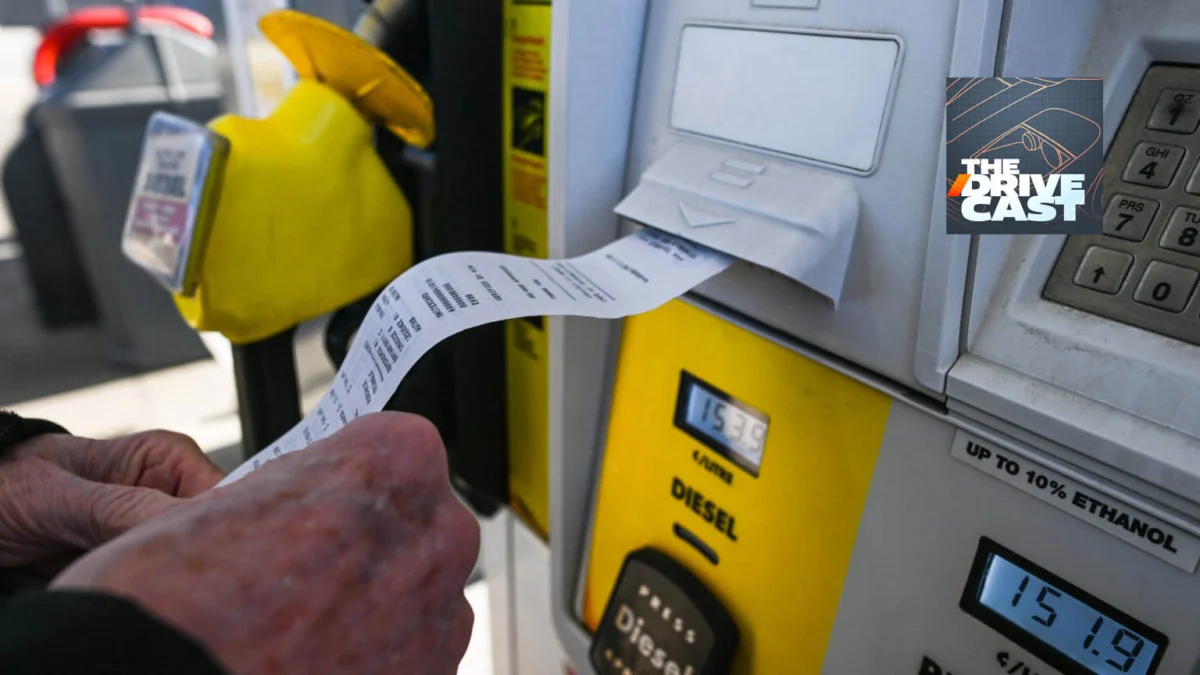
As diesel prices have climbed by 50% over the last year—surging from $3.70 per gallon to $5.60—the ripple effects are beginning to manifest. With some forecasts predicting a record-breaking $6.00 per gallon by the end of the year, the stability of the logistics, agricultural, and retail sectors is being pushed to a breaking point.
The Main Facts: Why Diesel Defies Easy Solutions
The most troubling aspect of the current diesel crisis is the lack of policy levers available to mitigate it. When gasoline prices skyrocket, the federal government has historically attempted to curb costs by adjusting fuel formulations or releasing reserves. However, diesel does not benefit from these "quick fixes." The fuel’s chemical composition is strictly regulated, and it cannot be diluted with additives like ethanol to increase volume without causing catastrophic damage to the sophisticated emission systems of modern heavy-duty engines.
Furthermore, America’s dependence on diesel is absolute. Every piece of hardware—from Amazon delivery vans and freight trains to school buses and emergency vehicles—relies on it. When fuel costs rise by 50%, businesses cannot simply absorb the expense. These costs are inevitably passed down to the consumer, acting as a "hidden tax" on every good and service produced or transported in the United States.
A Chronology of the Supply Squeeze
The current predicament is not the result of a single event, but a compounding series of geopolitical and industrial factors that have drained global inventories.
- The Global Conflict Factor: The ongoing war between Russia and Ukraine has removed a significant portion of Russia’s refined fuel exports from the global market. As the world’s second-largest exporter of refined fuels, Russia’s internal infrastructure issues—compounded by targeted drone strikes on refineries—have severely constrained global supply.
- Logistical Choke Points: The instability surrounding the Strait of Hormuz has created a massive bottleneck for global oil transit. While crude oil supply has remained somewhat stable, the capacity to move that oil to refineries and then distribute the finished product to the end user has been severely hampered.
- Refinery Stagnation: A glaring issue in the U.S. is the lack of new refinery construction. No major new refinery has been built in the United States since the 1970s. While existing facilities have been expanded, they are operating near peak capacity. According to data from Goldman Sachs, global refinery capacity outages are currently 60% higher than the seasonal average, leaving no buffer for unforeseen disruptions.
Supporting Data: The Math of the "Diesel Tax"
To understand the scale of this economic pressure, one must look at the operational costs for logistics providers. A typical long-haul semi-truck utilizes dual 100-gallon fuel tanks. With the price of diesel rising nearly $2.00 per gallon compared to last year, a single fill-up now costs an additional $388.
When extrapolated across a fleet of 100 trucks, this creates a monthly operational deficit that can easily exceed $300,000. In a low-margin industry like freight, these costs cannot be absorbed by the carrier. They must be recouped through higher shipping rates.
When shipping rates rise, the cost of goods—from produce at the grocery store to holiday presents at the mall—rises accordingly. Because this cycle is staggered, the full inflationary impact of the current fuel surge has yet to be felt. As companies finish their current fiscal quarters and renew long-term contracts, the "invisible" cost of diesel will soon become a highly visible line item for every household.
Industry and Political Implications
The political implications of this crisis are substantial. As the country enters an election season, diesel prices have become a lightning rod for broader concerns about the cost of living. Unlike gasoline, where drivers can pivot to hybrid or electric vehicles to mitigate costs, there is currently no viable, large-scale electric alternative for the heavy-duty logistics sector. The Tesla Semi and other experimental platforms are in their infancy, and they cannot currently replace the millions of diesel-powered trucks that keep the country’s shelves stocked.
The Impact on Public Infrastructure
Local municipalities are also facing a fiscal crisis. School districts, which operate fleets of buses, are bracing for a massive shortfall in their transportation budgets. Because these districts operate on fixed annual budgets, a spike in fuel prices often necessitates cuts in other areas, such as extracurricular activities, teacher staffing, or classroom resources.
Furthermore, the idea of offering tax relief on diesel is met with skepticism by infrastructure experts. Diesel taxes are the primary funding mechanism for the Federal Highway Trust Fund, which maintains the very roads that heavy-duty trucks destroy. Stripping those taxes to lower prices would create a secondary crisis in infrastructure maintenance, proving that there are no "free lunches" in energy policy.
The Outlook: Is $5.00 the New Normal?
Industry experts note that we are currently in a "staggered window" of economic impact. For the first few months of a price hike, large companies operate on pre-existing contracts, masking the true impact of the surge. However, as those contracts expire, the price of everything from construction materials to consumer electronics will begin to reflect the true cost of transportation.
The historical context provides little comfort. While the 2022 record of $5.82 per gallon (set following the initial Russian invasion of Ukraine) was a sharp, time-limited spike, the current situation feels more structural. We are not facing a single, sudden shock, but a long-term erosion of supply security.
As we approach the holiday shopping season, the average consumer will likely notice that their dollar does not stretch as far as it once did. They may attribute this to inflation or the rising cost of specific commodities, but the driving force is the quiet, relentless expense of the diesel fuel that moved those goods from the factory to their front door.
Ultimately, the nation is faced with a stark reality: our economy runs on diesel, and we are currently operating in a, "precedented" environment of high prices and low supply. Without significant investment in domestic refining capacity or a massive shift in logistical technology, the current price levels are likely to persist, forcing households and businesses alike to navigate a future where energy costs act as a constant drag on growth. Whether or not the price hits a record $6.00, the "diesel tax" is already being paid by every American, every single day.
