



Main Facts: The Start of Final Detroit Three Negotiations
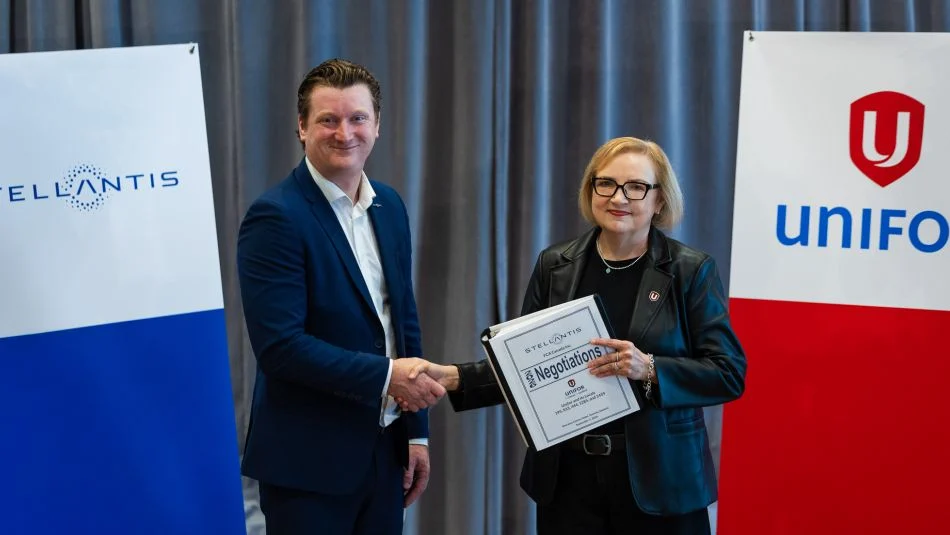
Negotiations between Unifor, Canada’s largest private-sector union, and Stellantis officially commenced this week, marking the beginning of a pivotal chapter in the Canadian automotive industry. Representing more than 9,000 workers across various facilities, Unifor is entering the final leg of its "Detroit Three" bargaining cycle. Having already established pattern agreements with Ford Motor Company and General Motors, the union now faces the challenge of securing similar, if not improved, terms from the manufacturer of Chrysler, Dodge, Jeep, and Ram vehicles.
The bargaining process, which began in earnest in Toronto, is set against a backdrop of rapid industry transformation. As the global automotive sector pivots toward electrification, the stakes for Canadian manufacturing have never been higher. Unifor’s leadership has made it clear that this contract is not merely about wages and benefits; it is about securing the long-term viability of the Canadian footprint within the Stellantis global strategy.
Chronology: The Road to the Table
The journey to these negotiations began months ago as Unifor strategically selected its "target" company to set the pattern for the industry.
- Initial Targeting: In August, Unifor leadership announced that Ford would be the lead company for negotiations. This was a tactical decision designed to leverage Ford’s specific position in the EV transition to establish a baseline for wages, pension improvements, and investment commitments.
- The Pattern Agreements: Following intense negotiations, Unifor reached a tentative agreement with Ford, which was subsequently ratified by members. This "pattern" was then taken to General Motors, where, after a brief strike, a similar agreement was achieved.
- The Stellantis Commencement: With the industry standard now established, Unifor turned its attention to Stellantis. The formal opening of talks marks the final stage of this year’s round of bargaining, with the union aiming to use the established patterns as a floor rather than a ceiling for its demands.
- The September 11 Deadline: Unifor has set an internal deadline of September 11 to reach a tentative agreement. This self-imposed timeline is designed to maintain pressure on the company and provide a clear signal to members that the union is committed to reaching a deal without unnecessary delays or prolonged industrial action.
Supporting Data: The Canadian Footprint
The Stellantis-Unifor relationship covers a diverse range of facilities, each with its own unique challenges and strategic importance to the Canadian economy:
1. The Brampton Assembly Plant
Perhaps the most contentious issue on the table is the future of the Brampton Assembly Plant. Currently idled, the plant has left approximately 2,200 members in a state of limbo on indefinite layoff. The union is seeking clear, enforceable commitments regarding the future product allocation for this facility. For the workers in Brampton, this is not just a contract negotiation; it is a fight for their professional survival.
2. The Windsor Assembly Plant
As the heart of Stellantis’ Canadian operations, the Windsor Assembly Plant is critical to the company’s North American production strategy. Unifor is pushing for guaranteed production volumes to ensure that the facility remains a cornerstone of the company’s minivan and future EV production lines.
3. The Etobicoke Casting Plant
Often overlooked, the Etobicoke facility is a vital link in the supply chain. Ensuring its long-term operational stability is a key focus for the union, as the transition to electric vehicles threatens the traditional manufacturing roles that this plant has historically filled.
Official Responses and Strategic Positioning
The rhetoric from both sides of the bargaining table highlights the gravity of these talks. Unifor National President Lana Payne has been unequivocal in her stance regarding the company’s obligations to its Canadian workforce.
"Our focus in this round of bargaining will be on Stellantis’ commitment to Canada, and what that looks like. It’s about positioning our members for the future," Payne stated during the opening sessions. She emphasized a message of accountability, adding, "The message I delivered to the company is that Stellantis can never take our members for granted. Should never take our union for granted. And can never take this country for granted."
On the union’s internal front, James Stewart, Chairperson of the Unifor Stellantis Master Bargaining Committee, acknowledged the difficulty of the road ahead. "We expect there to be some difficult conversations in the days to come, but our bargaining team is here to do the work and to get the right deal for all our members," Stewart said.
For its part, Stellantis has maintained a disciplined silence regarding the specifics of the proposals, emphasizing a focus on competitive manufacturing in a volatile global market. The company is currently navigating the complexities of high capital expenditure requirements for battery electric vehicle (BEV) production while simultaneously balancing the demands of global labor markets.
Implications: The Future of Canadian Auto Manufacturing
The outcome of these negotiations will have profound implications for the Canadian economy and the future of domestic automotive manufacturing.
The EV Transition
The central theme underlying all negotiations is the "Just Transition." As Stellantis shifts its portfolio toward electric vehicles, the nature of the work performed by Unifor members is changing. The union is focused on ensuring that the high-tech jobs created by this transition are filled by existing workers, rather than being outsourced or automated away without a social safety net.
Economic Stability for Workers
With the rising cost of living and inflation, wage increases are a non-negotiable demand. However, the "pattern" established with Ford and GM includes not only wage growth but also significant improvements to pension plans and health benefits. Securing these for Stellantis members is essential for maintaining the standard of living for thousands of families across Ontario.
Canada’s Global Standing
Stellantis’ decision to invest in Canada—or lack thereof—serves as a barometer for the country’s attractiveness as a manufacturing hub. If Unifor can secure a contract that guarantees production and long-term investment, it reinforces Canada’s role in the global EV supply chain. Conversely, a failure to reach an agreement could lead to production shifts, potentially diminishing Canada’s manufacturing footprint in the long term.
The Risk of Industrial Action
The September 11 deadline serves as a catalyst for either a settlement or a strike. Unifor’s success in previous rounds has demonstrated its capacity to mobilize its membership effectively. Should the talks stall, the potential for a work stoppage at key Stellantis facilities would have immediate consequences for the company’s North American supply chain, potentially costing millions of dollars per day.
Conclusion
As the clock ticks toward the September 11 deadline, all eyes remain on the bargaining table. The negotiations between Unifor and Stellantis represent a critical juncture for the Canadian automotive sector. The union’s focus on job security, production volumes, and the transition to a sustainable future reflects the broader anxieties and ambitions of the workforce.
While the "Detroit Three" pattern has provided a roadmap, the unique circumstances surrounding the Brampton Assembly Plant and the specific operational requirements of Stellantis mean that this round of bargaining will be anything but routine. The resolve of the union, matched against the strategic imperatives of a multinational corporation, will ultimately determine the future of thousands of workers and the health of the Canadian manufacturing sector for years to come.
As Lana Payne noted, this is about more than just a contract; it is about ensuring that Canada remains a vital, respected, and prosperous player in the global automotive landscape. The coming days will test the commitment of both parties to find a common path forward, balancing the demands of a changing industry with the dignity and security of the workers who build it.
