





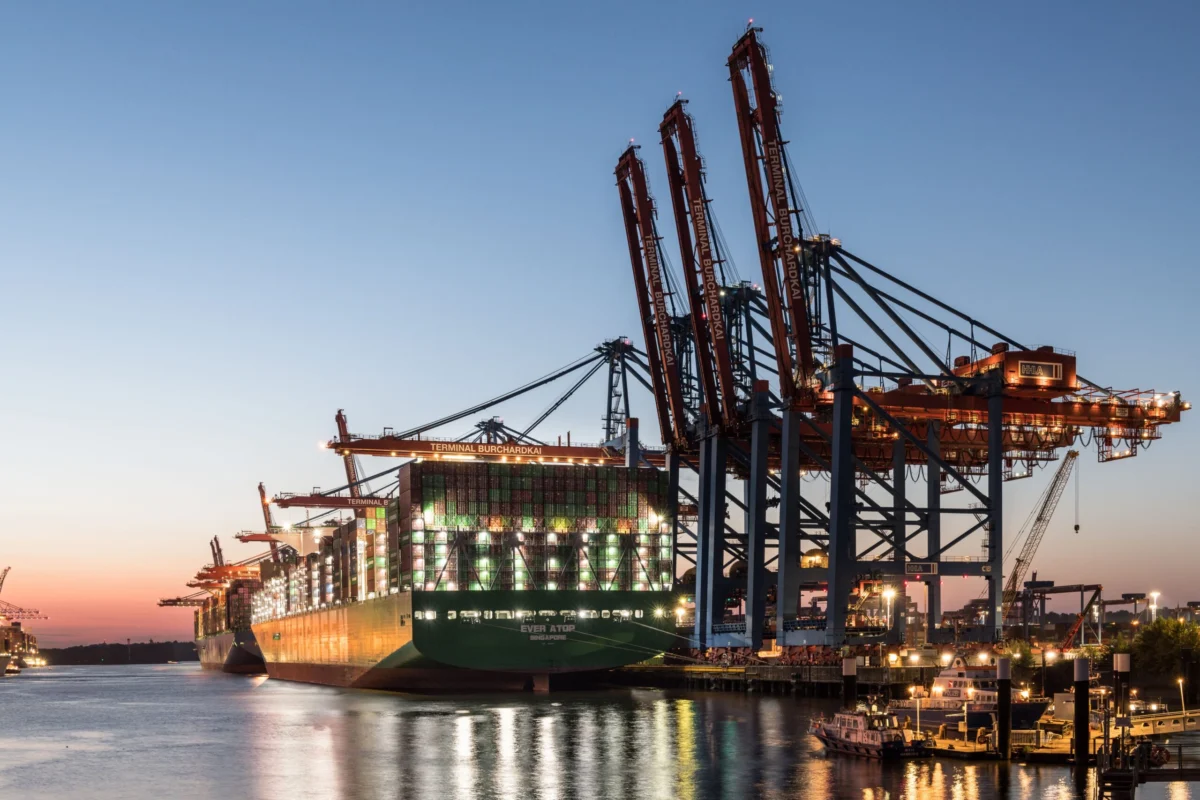
A sophisticated and burgeoning criminal enterprise is currently exploiting a critical vulnerability in Canada’s national infrastructure, turning the country’s vehicle financing and export systems into a pipeline for international illicit trade. According to a landmark report released by the Canadian Finance & Leasing Association (CFLA), organized crime syndicates are increasingly utilizing fraudulent financing schemes to secure vehicles, which are subsequently shipped overseas through major Canadian ports, most notably Montreal and Halifax.
The report, titled Fraudulent Financing and Illegal Vehicle Exports, serves as a stark wake-up call for federal regulators, law enforcement, and the automotive industry. It highlights a 72% year-over-year surge in vehicles acquired through fraudulent financing that are destined for export, underscoring a systemic failure that allows these high-value assets to exit the country long before the underlying crimes are even detected.
The Mechanics of the Fraud: How the System is Being Subverted
The methodology employed by these criminal networks is as complex as it is effective. Unlike traditional "smash-and-grab" car thefts, which involve breaking into a vehicle and physically stealing it, the current crisis involves the strategic abuse of the legal financial system.
Criminals are utilizing "straw buyers"—individuals who use their own credit, often under duress or through predatory coercion, or stolen identities—to secure financing for high-end vehicles. Once the vehicle is secured through a dealership under these fraudulent pretenses, it is effectively "clean" in the eyes of the law at the moment of purchase. By the time the finance company realizes the payments are not forthcoming and the loan is fraudulent, the vehicle has already been moved, processed, and loaded into a shipping container bound for overseas markets.
The Role of Canadian Ports
The geographic concentration of this activity centers on Canada’s primary maritime gateways. The Port of Montreal and the Port of Halifax have become the primary conduits for these illicit exports. Because the vehicles are documented as legally purchased at the time of their movement toward the port, they pass through export checkpoints with relative ease. The lack of real-time data integration between financial institutions and the Canada Border Services Agency (CBSA) means that, for all intents and purposes, the vehicles appear legitimate until the financing fraud is flagged—often weeks or months after the car has reached international waters.
Chronology of a Growing Crisis
The escalation of this trend did not happen overnight. Industry analysts and law enforcement observers have noted a distinct shift in the modus operandi of organized crime over the last five years.
- 2019-2020: The Shift in Strategy: As law enforcement agencies successfully increased their focus on traditional car theft rings—utilizing improved tracking technology and better inter-agency cooperation—criminal syndicates began pivoting toward white-collar fraud. They recognized that it was safer and more lucrative to "legally" acquire a vehicle through financing fraud than to risk a violent confrontation during a physical theft.
- 2021-2022: Rapid Proliferation: During the post-pandemic period, supply chain shortages caused vehicle values to skyrocket. This created a lucrative arbitrage opportunity for criminals, who could sell these vehicles in international markets for significantly higher prices than their domestic book value.
- 2023: The 72% Surge: The CFLA’s data pinpointed 2023 as a critical tipping point. The 72% year-over-year increase in fraudulently financed vehicles directed toward export signaled that this was no longer a localized issue but a national security and economic threat.
- 2024: The Call for Reform: The release of the Fraudulent Financing and Illegal Vehicle Exports report has forced the issue into the national spotlight, prompting calls for immediate legislative and administrative intervention.
Supporting Data: The Scale of the Problem
The numbers provided by the CFLA paint a grim picture of a system that is currently ill-equipped to handle the ingenuity of modern criminal networks.
The most alarming metric is the speed at which these assets move. In a typical case of financing fraud, a vehicle can be purchased on a Monday and be inside a shipping container by Wednesday. The administrative lag in reporting a "default" or "fraudulent" status on a vehicle’s title is the primary window of opportunity for these syndicates.
Furthermore, the economic impact is not limited to the losses incurred by individual lenders. The systemic risk involves the integrity of the credit market. As these losses mount, financial institutions are forced to tighten their lending criteria. This leads to higher interest rates and more stringent requirements for honest, everyday Canadians who simply wish to finance a vehicle for their families.
Official Responses and the "Information Gap"
A central tenet of the CFLA’s report is that the current crisis is not a result of a lack of legal authority. The Canada Border Services Agency (CBSA) already possesses the legislative mandate under the Customs Act to examine, detain, and seize goods suspected of being involved in criminal activity.
However, the disconnect lies in information accessibility. Currently, border agents do not have access to a centralized, real-time database of lien and financing information. When an agent scans a vehicle for export, they see a vehicle that has been purchased through a dealer, with valid registration. They do not see the "red flags" that the financing company sees, such as the fact that the buyer’s credit file was recently compromised or that the loan has been flagged for internal investigation.
Michael Rothe’s Assessment
Michael Rothe, President and CEO of the CFLA, has been vocal about the need for institutional adaptation. "Organized crime has adapted, and Canada’s enforcement systems need to adapt with it," Rothe stated during the report’s unveiling. "We have strengthened our law enforcement’s ability to address conventionally stolen vehicles, but criminals are exploiting a blind spot in the system, with fraudulently financed vehicles being able to leave Canada before anyone knows the crime has occurred."
Industry Warning
Huw Williams, national spokesperson for the Canadian Automobile Dealers Association (CADA), echoed these sentiments, emphasizing the broader economic consequences. "This isn’t just a problem for automotive dealers and finance companies," Williams noted. "If this trend continues, it risks making financing more expensive and less accessible for Canadians looking to purchase a vehicle."
Implications: A National Economic Security Concern
The implications of this trend extend far beyond the automotive sector. When organized crime groups are able to successfully move high-value assets across borders with impunity, it undermines the rule of law and places a heavy tax on the Canadian economy.
1. Increased Costs for Consumers
As lenders absorb the losses from fraudulent defaults, those costs are inevitably passed down to the consumer. In an environment of already high inflation and interest rates, the additional burden of "fraud insurance" or higher risk-adjusted pricing on car loans makes vehicle ownership an increasingly difficult prospect for the average Canadian.
2. Undermining Public Trust
The inability of government agencies to secure the nation’s ports against such blatant fraud erodes public trust in regulatory institutions. When criminals can manipulate the financial system to facilitate international theft, it creates a perception of systemic incompetence that the federal government is eager to avoid.
3. The Need for Inter-Agency Collaboration
The solution, as proposed by both the CFLA and CADA, is a collaborative effort. They are calling for a multi-stakeholder approach that involves:
- Federal-Provincial Cooperation: Integrating provincial vehicle registration databases with federal border security systems.
- Real-Time Data Sharing: Allowing financial institutions to input "flagged" vehicles into a system accessible by the CBSA.
- Regulatory Reform: Closing the loopholes that allow vehicles to be exported without a clear title or verified ownership history.
The Path Forward: Addressing the Blind Spot
The government is now under pressure to act. The requested reforms would essentially create a "digital fence" around Canada’s ports. By requiring a real-time verification of a vehicle’s financing status before it is permitted to clear customs, the CBSA could stop these fraudulent exports at the source.
Rothe remains optimistic but urgent. "The government needs to step in to ensure that Canadians across the country are protected from organized crime," he said. "The CFLA and CADA stand ready to work with federal and provincial partners to stop this worsening problem facing our country."
As Canada navigates this complex issue, the focus must remain on closing the information gap. The technology exists to facilitate this exchange of data; what is required is the political will and the administrative alignment to ensure that the systems designed to protect commerce are not used to facilitate crime. Without these changes, the "blind spot" will continue to widen, costing taxpayers, consumers, and businesses alike, while organized crime continues to profit from the gaps in Canada’s regulatory framework.
The report by the CFLA is not merely an industry document; it is a blueprint for necessary reform. Whether the federal government will treat this with the urgency it demands remains to be seen, but one thing is clear: the status quo is unsustainable. For a country that prides itself on robust financial and border systems, the current reality of illegal, fraud-based vehicle exports is a challenge that can no longer be ignored.
