



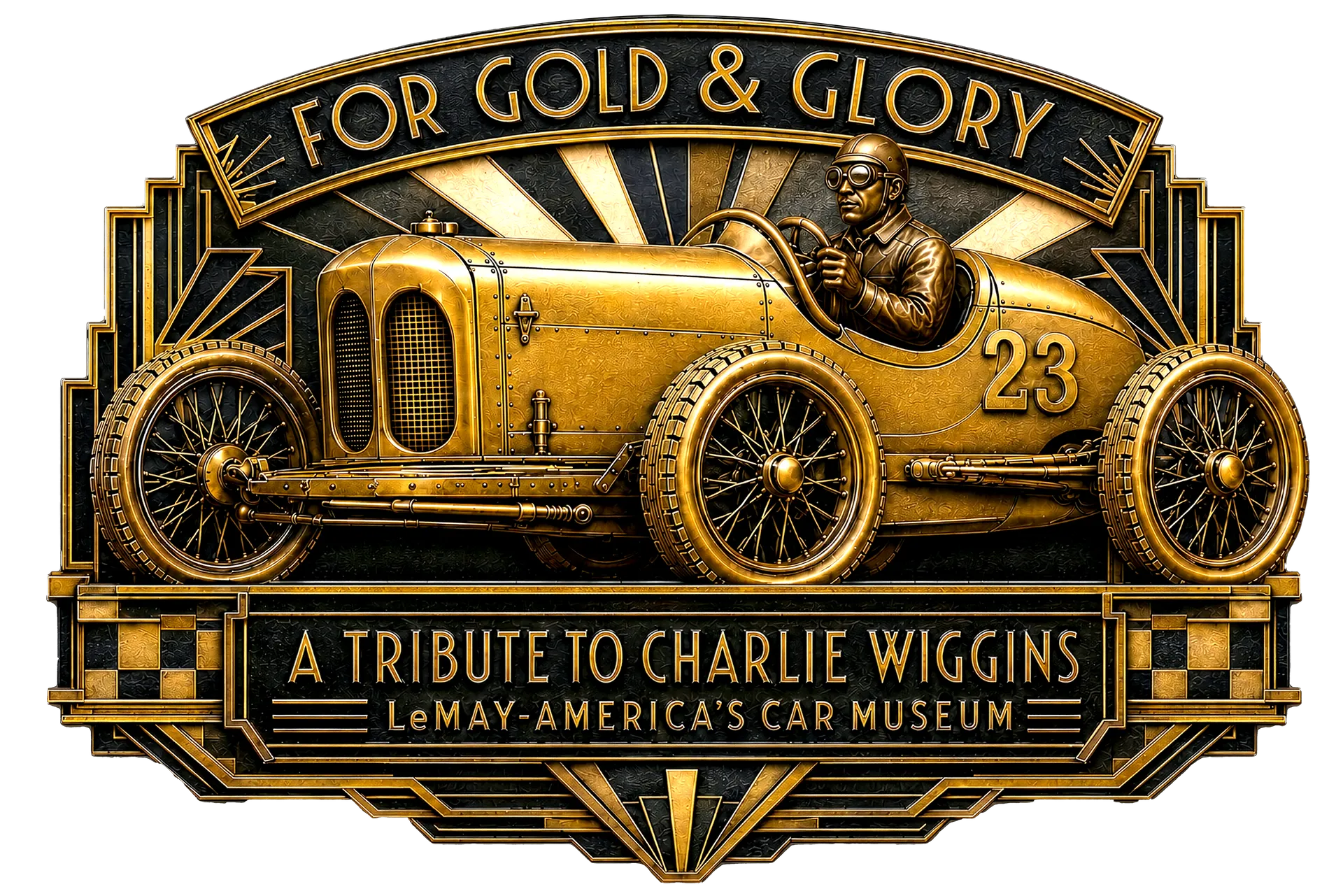
For decades, the annals of American motorsports have been incomplete, marred by the systemic exclusion of Black pioneers who braved both the racetrack and the brutal social realities of a segregated nation. On September 19, LeMay – America’s Car Museum (ACM) in Tacoma, Washington, aims to correct this historical omission with the grand opening of For Gold & Glory.
The exhibition serves as a profound reclamation of the life and career of Charlie Wiggins, a man whose mechanical genius and racing prowess once dominated the "Gold & Glory Sweepstakes"—the premier racing circuit for Black drivers in the early 20th century. By showcasing the recently recovered "Wiggins Special," the museum is not merely displaying a vintage vehicle; it is resurrecting a narrative of ingenuity that was nearly erased by time and prejudice.
The Main Facts: A Story Reclaimed
At the heart of the exhibition lies the Wiggins Special, a one-of-a-kind race car that stood as a testament to Charlie Wiggins’ brilliance. After vanishing from the public eye for more than 90 years, the vehicle’s rediscovery provides the physical anchor for an exhibit that bridges the gap between historical erasure and modern recognition.
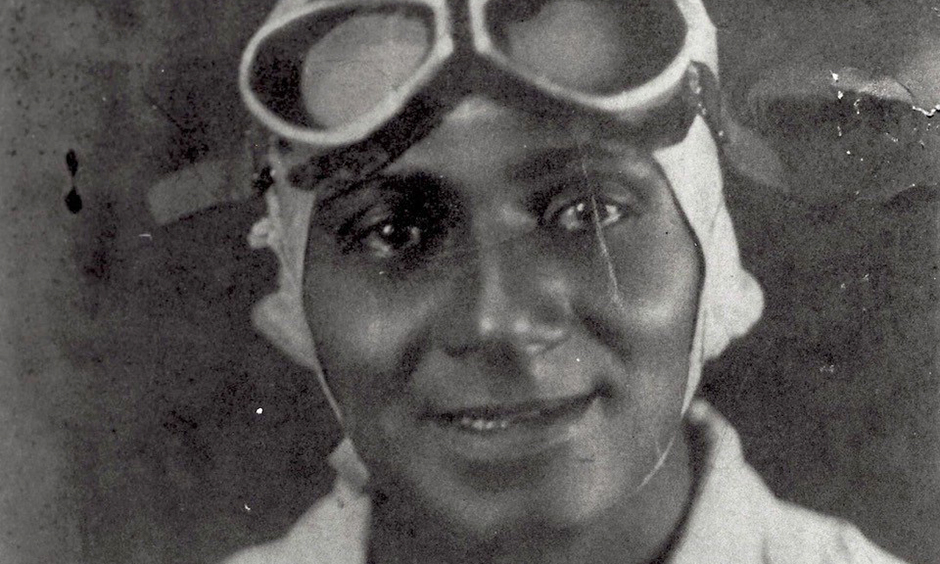
Wiggins, a self-taught mechanic and visionary, built the car from scratch, utilizing his deep understanding of engineering to outperform competitors on the dirt tracks of the Midwest. The For Gold & Glory exhibition will offer visitors an intimate look at the car that propelled him to four Gold & Glory Sweepstakes championships, providing a tangible link to a man who, despite being barred from the Indianapolis 500 due to his race, remained an indomitable force in the automotive world.
The exhibit is not solely a celebration of speed; it is an examination of the systemic barriers that defined 20th-century American life. Through archival photography, personal artifacts, and the centerpiece of the race car itself, the museum highlights how Wiggins navigated a segregated industry, serving as a beacon of resilience for his peers and future generations of motorsports enthusiasts.
A Chronology of a Forgotten Champion
To understand the significance of the For Gold & Glory exhibition, one must first understand the timeline of Charlie Wiggins’ life—a trajectory marked by profound technical skill and constant social resistance.
The Early Years: The Foundation of Ingenuity
Born in Evansville, Indiana, in 1897, Wiggins moved to Indianapolis as a young man. At the time, Indianapolis was the epicenter of the American automotive revolution. Wiggins found work as a shoe shiner, but his curiosity about the internal combustion engine led him to frequent local garages. Often refused formal training due to his race, he learned by observing, eventually opening his own repair shop. This shop became a hub for the Indianapolis racing community, where even white drivers would clandestinely seek out Wiggins to fix their machines, recognizing his superior mechanical intuition.
The Rise of the Gold & Glory Sweepstakes
By the mid-1920s, the "Gold & Glory Sweepstakes" had emerged as the premier venue for Black drivers. While the mainstream racing circuits were strictly segregated, the Sweepstakes provided a platform for talent that had nowhere else to turn. Wiggins dominated this circuit, winning four championships and becoming a folk hero in the Black community.
The Erasure and the Long Silence
Following the decline of the Gold & Glory circuit and the onset of the Great Depression, the records of these achievements began to fade from the mainstream consciousness. As the motorsports industry moved toward professionalization and corporate sponsorship, the narrative of the "pioneer" was often whitewashed. The Wiggins Special, once a source of local pride, was eventually sold and lost to the public, buried in private collections and shadowed by the passage of time.
The Modern Rediscovery
The effort to locate the Wiggins Special was a years-long endeavor that culminated in its successful recovery. This restoration project, led by historians and automotive experts, has allowed the museum to piece together the final years of the car’s provenance, leading to the curated presentation arriving this September.
Supporting Data: The Impact of Segregated Motorsports
The For Gold & Glory exhibition relies on a wealth of data regarding the state of American racing during the Jim Crow era. Visitors will encounter evidence of the "Colored Speedway Association," an organization that formed in response to the absolute exclusion of Black drivers from major sanctioning bodies like the American Automobile Association (AAA).
Data points within the exhibition include:
- Economic Barriers: The high cost of specialized racing parts and the lack of corporate sponsorship for Black-owned teams meant that innovation was entirely grassroots. Wiggins’ ability to build a winning car from scavenged and custom-fabricated parts is a primary focus of the engineering analysis in the show.
- The Geography of Risk: The exhibition maps out the dangerous, unpaved tracks across the Midwest where Wiggins competed, highlighting the physical dangers of the era, compounded by the constant threat of racial violence during travel and competition.
- Technological Advancement: Through blueprints and comparative analysis, the museum demonstrates how Wiggins’ designs influenced the broader evolution of the racing engine—contributions that were rarely credited in the era’s industry journals.
Official Responses: A Personal Mission
The exhibition is the result of a collaborative effort between the museum’s professional staff and Ed Welburn, the former Vice President of Global Design at General Motors. Welburn, a legend in the automotive design world in his own right, has served as the guest curator, bringing a deeply personal perspective to the project.
Bruce Patton, Curator at LeMay – America’s Car Museum
"Charlie Wiggins’ story represents exactly why museums like ours exist," says Bruce Patton. "Automotive history is not only about the cars that were built or the races that were won, but about the people whose ingenuity, determination, and courage shaped the culture around them. For Gold & Glory gives us an extraordinary opportunity to bring Charlie’s achievements to a much wider audience and help restore his rightful place in American motorsports history. We are incredibly proud to work alongside Ed Welburn to tell this story with the depth, respect, and ambition it deserves."
Ed Welburn, Guest Curator
For Ed Welburn, the project is the culmination of a lifelong fascination with a hero who paved the way for his own career. "Charlie Wiggins was so much more than just a great race car driver," Welburn notes. "He was a brilliant mechanic, an innovator, a craftsman, and a champion who achieved extraordinary accomplishments despite barriers that should never have been placed in his way. I have carried Charlie’s story with me for many years, and seeing it come to life through For Gold & Glory is deeply personal. My hope is that people walk into this exhibition not knowing his name and leave inspired by his story and unbelievable perseverance."
Implications: Rewriting the History Books
The opening of For Gold & Glory signifies a shift in how cultural institutions approach the history of American industry. By focusing on an individual whose contributions were actively suppressed, LeMay – America’s Car Museum is participating in a broader movement of historical reconciliation.
Addressing Institutional Bias
The exhibition serves as a critique of the "Great Man" theory of history, which often favors the wealthy and the well-connected. By highlighting a self-taught Black mechanic, the museum forces a conversation about who gets to be remembered as an "innovator." The implications for motorsports history are profound; it validates the importance of the Gold & Glory circuit as a legitimate pillar of American racing heritage.
Educational Value
The exhibition is designed not just for car enthusiasts, but for students of American history and social justice. The museum plans to offer educational programming alongside the exhibit, aimed at local schools, to ensure that the next generation of engineers and historians understands that the history of American ingenuity is inclusive and multi-faceted.
A Lasting Legacy
As the Wiggins Special sits on display, it serves as a silent, powerful witness to a past that can no longer be ignored. The "restoration" of Charlie Wiggins to the halls of history is not an act of charity, but an act of accuracy. By the time the For Gold & Glory exhibition concludes its run, the museum hopes that the name Charlie Wiggins will be as synonymous with racing excellence as the titans of the Indianapolis 500.
The opening on September 19 is expected to draw historians, racing legends, and the general public, all gathered to witness the unveiling of a man who, despite being denied the finish line of the era’s most prestigious races, ultimately won the long-term race for historical legacy. In the end, For Gold & Glory is a reminder that while history can be obscured, it cannot be permanently erased—so long as there are those willing to dig for the truth and share it with the world.
