





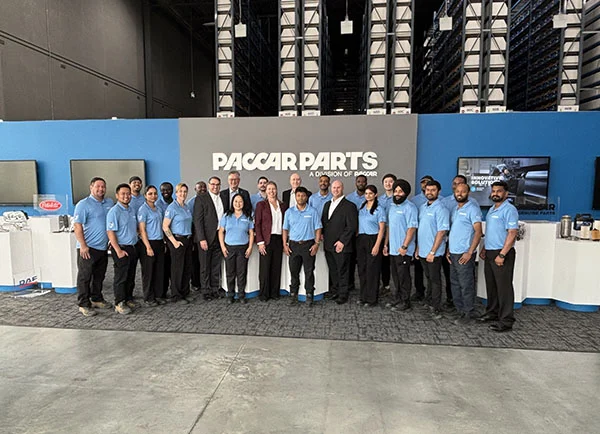
PACCAR Parts, a global leader in the distribution of aftermarket truck parts and components, has officially cemented its logistics footprint in Western Canada with the launch of its new Parts Distribution Center (PDC) in Calgary, Alberta. The 180,000-square-foot facility, which commenced operations in February 2026, marks the company’s third distribution hub in Canada, signaling a strategic shift toward localized inventory management to serve the growing demands of the trucking and transportation industry.
This expansion is more than a mere addition of square footage; it represents a tactical maneuver to mitigate supply chain volatility and drastically reduce lead times for dealers and fleet operators operating in the rugged terrain of Western Canada. By decentralizing its logistics, PACCAR aims to ensure that the vital components keeping the supply chain moving are never more than a day’s transit away from the end user.
The Core Facts: A Strategic Logistics Expansion
The Calgary PDC is designed to act as a vital artery for PACCAR’s North American logistics network. Spanning 180,000 square feet, the facility is equipped with state-of-the-art warehouse management systems (WMS) designed to optimize order picking, packing, and shipping efficiency.
The primary objective of the facility is to streamline the availability of both original equipment manufacturer (OEM) parts and aftermarket components for Peterbilt and Kenworth brands, as well as an extensive range of all-makes truck parts. For fleet operators, whose profitability is tied directly to vehicle uptime, the presence of a massive inventory hub in a major Western Canadian logistics node means fewer days spent waiting for essential repairs.
This facility is part of a broader, global ecosystem. PACCAR Parts currently manages a network of 21 distribution centers worldwide, encompassing more than 4.0 million square feet of warehouse space. The integration of the Calgary facility into this network allows for synchronized inventory replenishment, leveraging the company’s massive global procurement scale to ensure that the Calgary shelves remain stocked with both high-velocity parts and specialized, low-turnover components.
Chronology: Building the Foundation
The journey to the Calgary opening was a multi-year project driven by the increasing complexity of modern trucking logistics.
- Early 2024: PACCAR Parts identifies a significant bottleneck in Western Canadian delivery times, prompted by the rising volume of heavy-duty vehicle traffic in the energy and logistics corridors of Alberta and British Columbia.
- Late 2024: Planning and site selection for the Calgary hub begin, focusing on proximity to major transportation arteries (Highway 2 and the Trans-Canada Highway) to ensure rapid outbound logistics.
- Mid-2025: Construction reaches its final phases, with the focus shifting to the installation of automated shelving, high-density racking, and the deployment of advanced inventory software.
- February 2026: The facility officially goes live. The initial phase focused on inventory migration from existing PACCAR centers to ensure a seamless transition for local dealers.
- March 2026 and Beyond: The center transitions to full-scale operations, implementing a continuous improvement cycle to refine picking times and delivery accuracy.
Supporting Data: The Scale of PACCAR’s Operations
To understand the magnitude of this investment, one must look at the scope of PACCAR’s logistical reach. With 4.0 million square feet of warehouse space globally, the company handles millions of individual part numbers (SKUs) annually.
The Calgary facility is a microcosm of this global network. By utilizing "just-in-time" delivery models combined with regional safety stock, the Calgary center serves as a buffer against regional supply chain disruptions. Data from industry analysts suggests that localized distribution centers can reduce shipping lead times by up to 40% compared to centralized models that rely on long-haul shipping from the U.S. Midwest.
Furthermore, the integration of advanced inventory management technology allows PACCAR to track parts in real-time. This visibility is crucial for modern fleet management, where predictive maintenance—replacing a part before it fails—is becoming the industry standard. The Calgary center is stocked to support this transition, holding everything from engine components and lighting to complex electronic control units (ECUs) and aftermarket accessories.
Official Perspectives: Leadership on the Strategic Shift
The opening of the Calgary facility has been lauded by PACCAR leadership as a cornerstone of their commitment to "customer uptime."
Wibo de Booij, assistant general manager of operations for PACCAR Parts, emphasized the technological backbone of the new facility. "Our new Calgary distribution center represents a significant investment in supporting dealers and customers across Western Canada," de Booij stated. "Combined with advanced inventory management technology, the facility enhances part availability, accelerates order fulfillment, and helps maximize customer uptime."
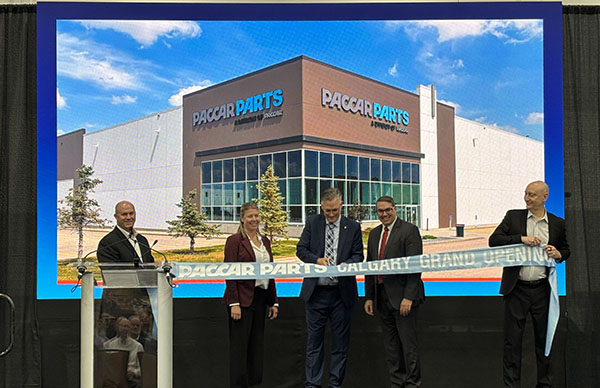
For PACCAR, "uptime" is not just a marketing buzzword—it is the primary metric by which their business success is measured. When a truck is sidelined due to a missing part, it incurs thousands of dollars in lost revenue daily.
Bryan Sitko, PACCAR vice president and general manager of PACCAR Parts, echoed these sentiments, highlighting the geographical necessity of the investment. "PACCAR Parts is committed to helping customers maximize uptime through reliable access to the right parts when they need them," Sitko noted. "The Calgary PDC reflects that commitment and strengthens our ability to support dealers and customers throughout Western Canada."
Implications: A New Era for Western Canadian Logistics
The establishment of this distribution center carries significant weight for the regional trucking economy.
1. Enhanced Resilience for Fleet Operators
Western Canada is characterized by extreme weather and vast, remote distances. The ability for a dealer in a remote location to receive a critical component via overnight shipping—made possible by the Calgary hub—is a game-changer. It reduces the dependency on long-distance logistics, which are often susceptible to weather-related delays on the mountain passes of the Rockies.
2. Economic Impact on Calgary
The facility also serves as an economic anchor. Beyond the immediate jobs created within the warehouse, the center acts as a catalyst for local logistics providers, freight carriers, and service technicians who rely on a steady supply of parts to maintain their own operations.
3. Advancements in Warehouse Technology
The "advanced inventory management" mentioned by PACCAR leadership implies a move toward digitized logistics. By using data analytics to predict regional part demand—based on fleet age, seasonal usage, and common repair patterns—the Calgary PDC can preemptively stock parts that are likely to be needed before an order is even placed. This shifts the relationship between the supplier and the dealer from reactive to proactive.
4. Competitive Advantage
In a crowded aftermarket space, the ability to promise and deliver parts with greater speed than competitors provides a significant competitive advantage. PACCAR is positioning its brand not just as a truck manufacturer, but as a total support provider. For independent workshops and fleet-owned maintenance bays, the ease of sourcing parts through a well-stocked regional hub makes PACCAR parts a more attractive choice compared to third-party alternatives.
Conclusion: The Path Forward
The opening of the 180,000-square-foot Calgary Parts Distribution Center is a clear indicator of PACCAR Parts’ confidence in the Canadian market. By aligning its logistical capabilities with the specific geographical and operational needs of Western Canada, the company has created a robust infrastructure that will serve the transportation sector for years to come.
As the industry continues to evolve toward greater electrification, autonomous features, and more complex vehicle systems, the need for a sophisticated, agile supply chain will only grow. With the Calgary facility now fully operational, PACCAR is well-positioned to meet these challenges head-on, ensuring that whether a truck is hauling timber through British Columbia or essential goods across the prairies, the parts it needs to keep moving are always within reach.
This investment represents a firm commitment to the long-term success of the Canadian trucking industry, proving that in the world of heavy-duty logistics, the distance between a problem and a solution is often determined by the strength of the distribution network behind it.
