




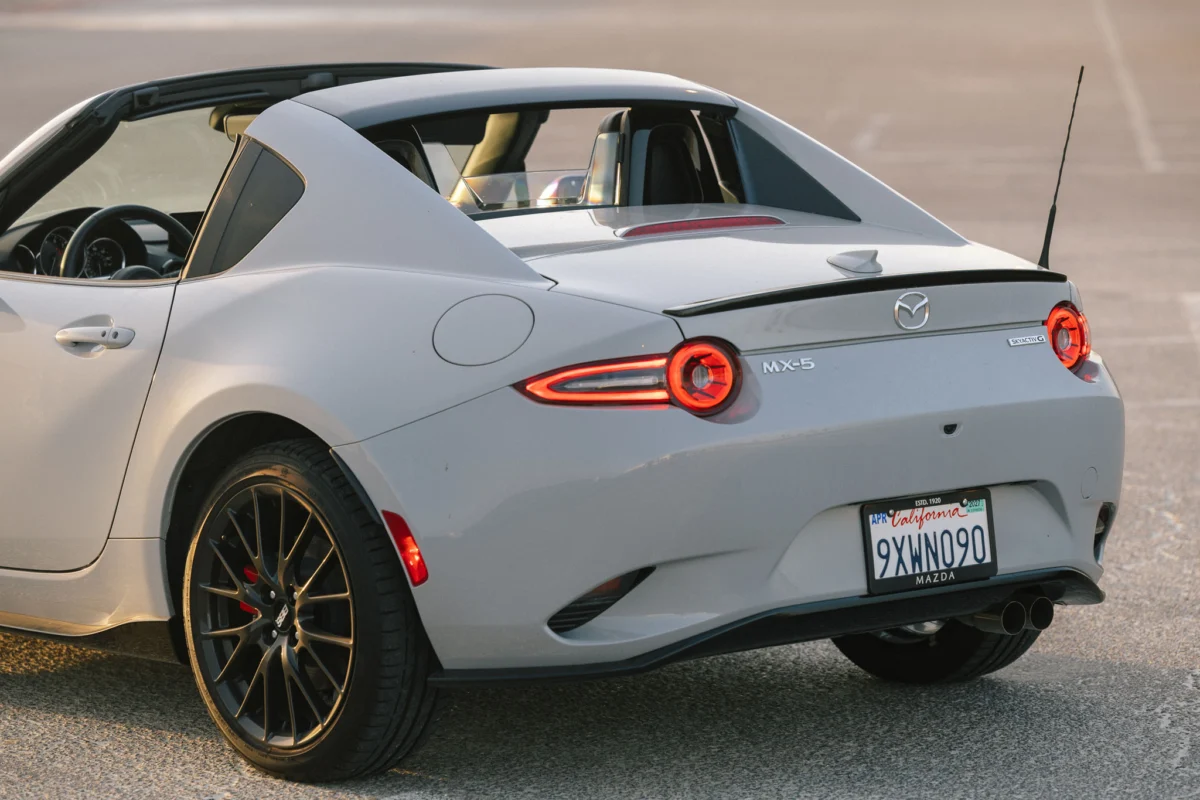
There is an automotive axiom that persists through generations of car enthusiasts: "Miata Is Always the Answer." It is a mantra born from the simple, unadulterated joy of the Mazda MX-5. Yet, as the calendar inches toward 2026, the question is no longer whether the Miata is a good car, but whether it remains relevant in an era of electrification, software-defined vehicles, and shifting consumer priorities.
To find out, I spent seven days with the 2026 Mazda MX-5 RF (Retractable Fastback) in the enthusiast-focused Club trim. Laden with the prestigious Brembo/BBS performance package, this test wasn’t just about commuting; it was a deep dive into the soul of the ND generation, comparing its modern refinement against the visceral, raw heritage of my own 2002 NB-generation Miata.
The Evolution of an Icon: Main Facts and Context
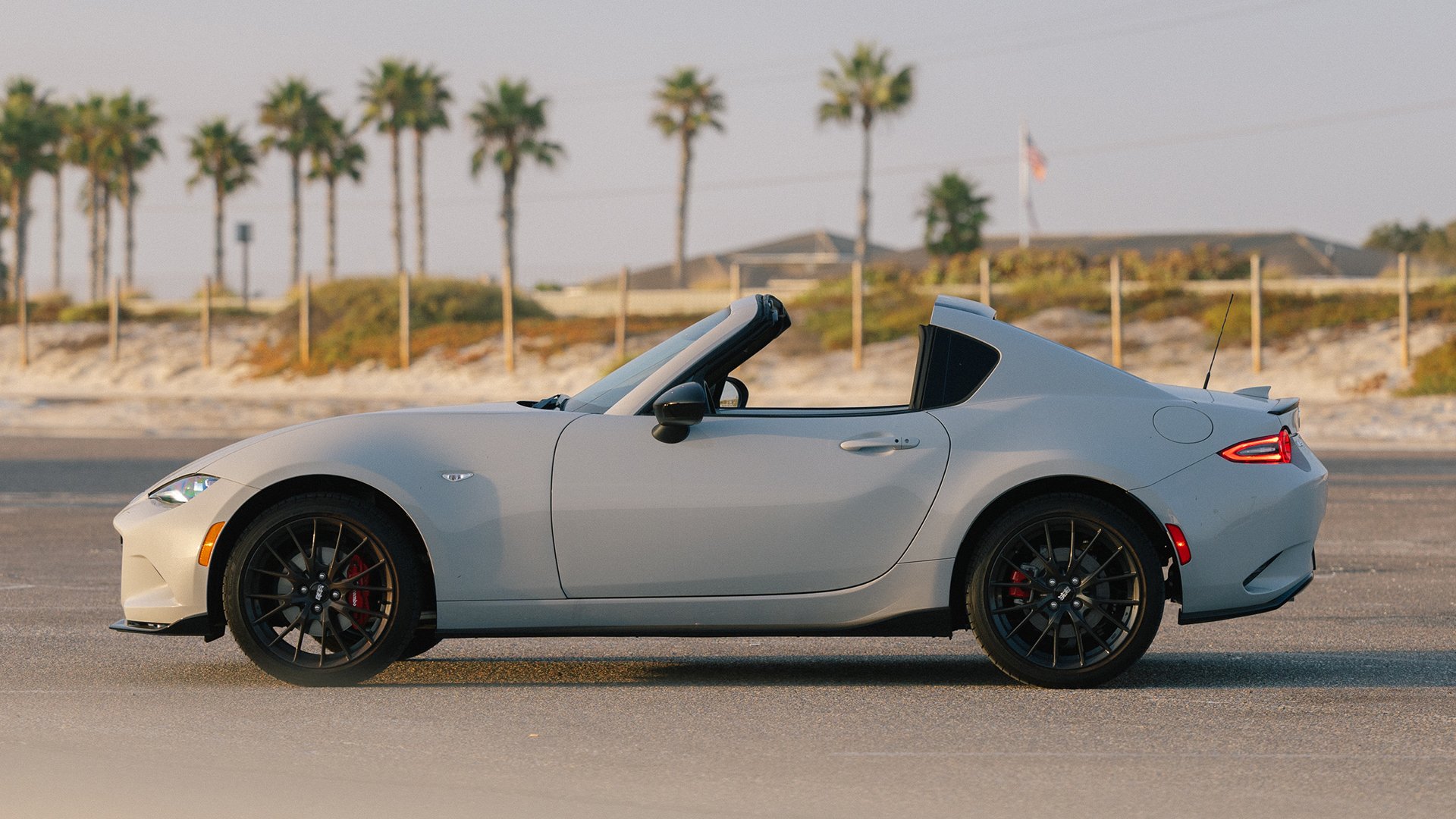
The ND-generation Miata, which debuted in 2015, has aged with remarkable grace. While competitors have grown bloated or shifted toward forced-induction heavy-handedness, the MX-5 remains a beacon of light-weight engineering. The 2026 model continues to utilize the same 2.0-liter Skyactiv-G inline-four that produces 181 horsepower and 151 lb-ft of torque. In an era where family sedans often push 300 horsepower, these numbers seem modest—until you account for the curb weight, which sits at a nimble 2,467 pounds.
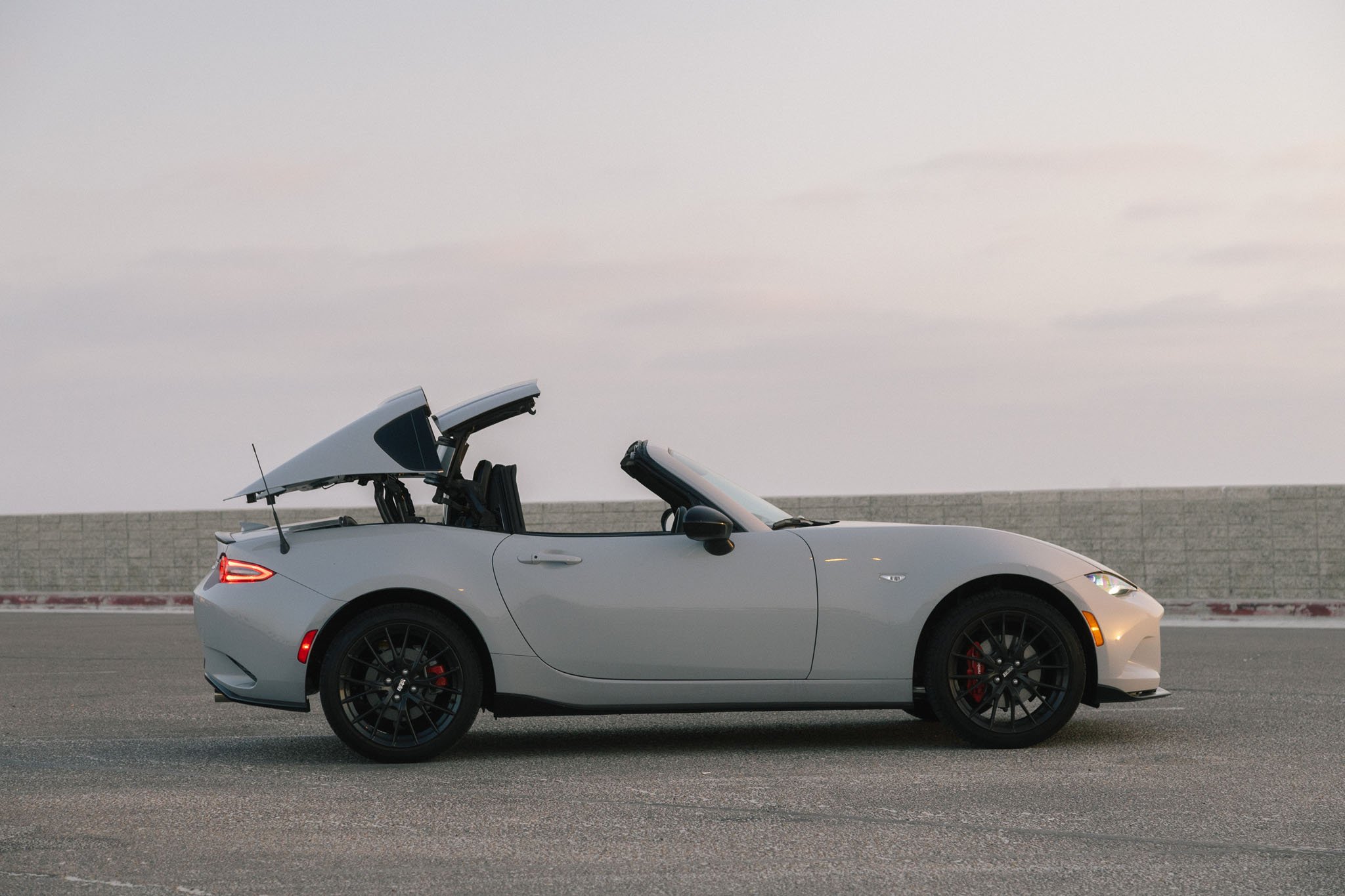
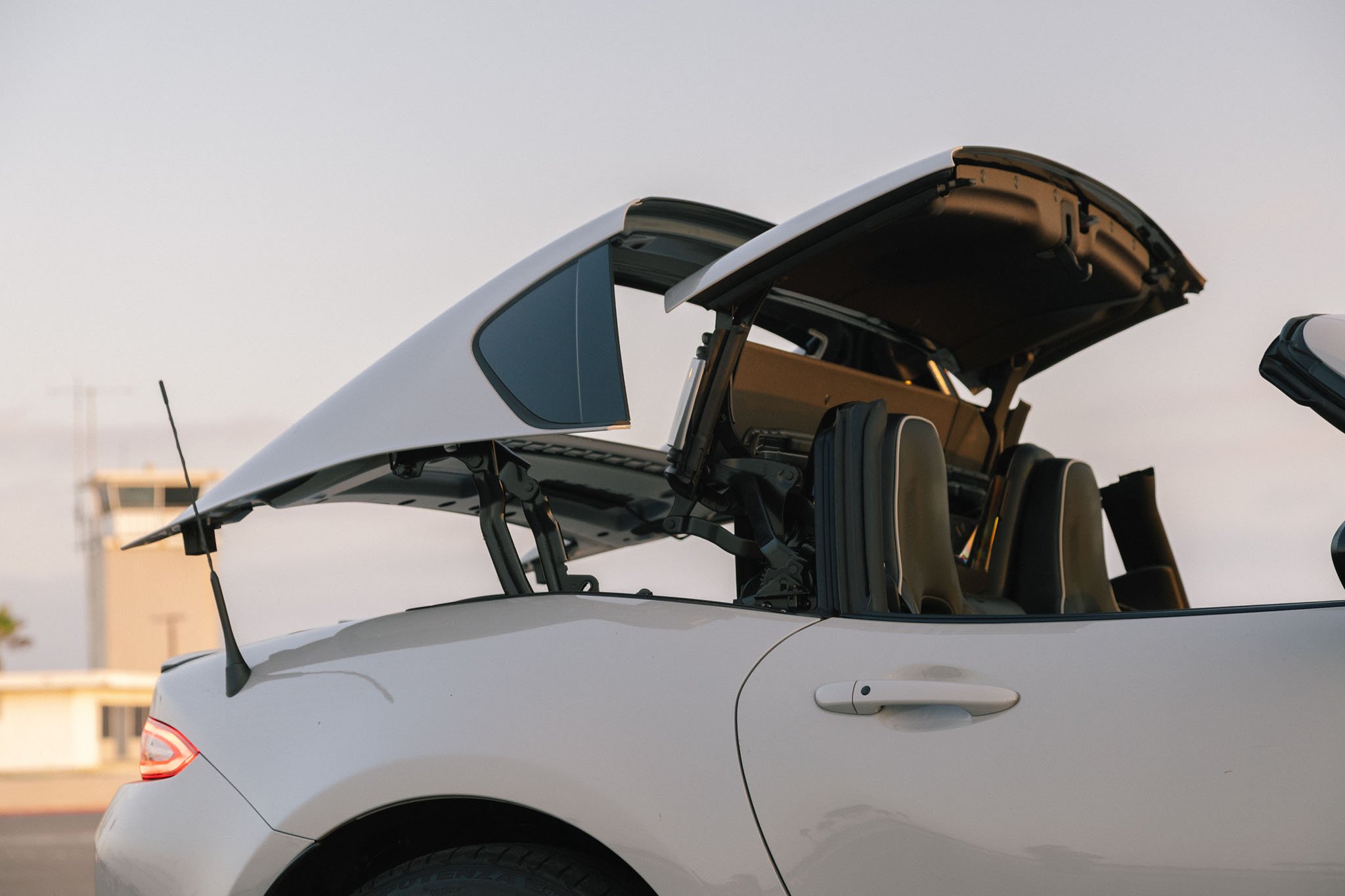
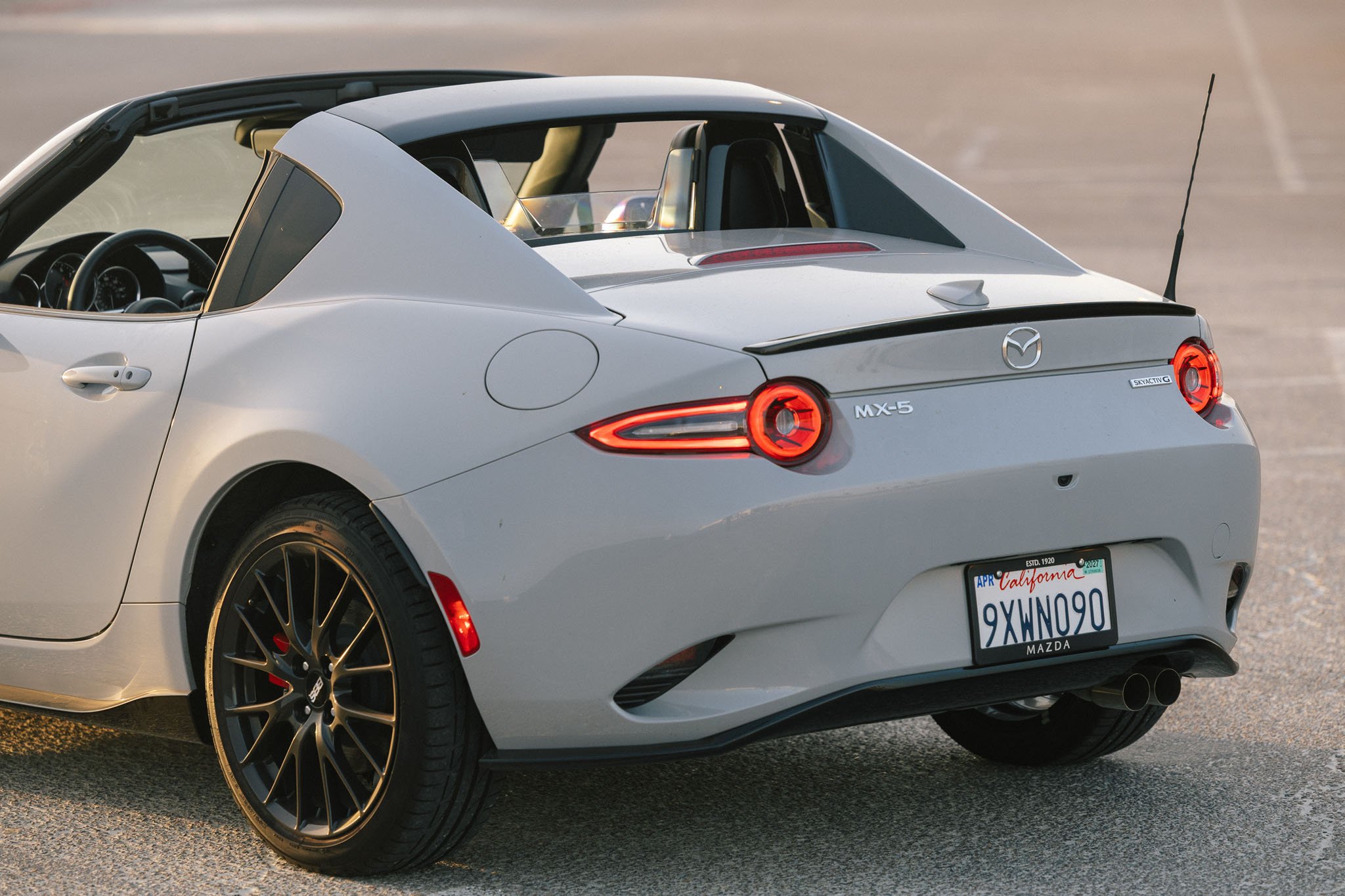
The RF variant, which arrived on the scene in 2017, serves as the bridge between the purist’s roadster and the practical coupe. By utilizing a complex, power-retractable hardtop system, Mazda offers a closed-cabin experience that feels more substantial than the traditional soft top. Unlike the removable hardtops of the 90s, which required two people and dedicated storage space, the RF’s roof stows away in 13 seconds, effectively turning the car from a grand-touring coupe into an open-air runabout at the push of a button.
Chronology of the Experience: A Week on the Road
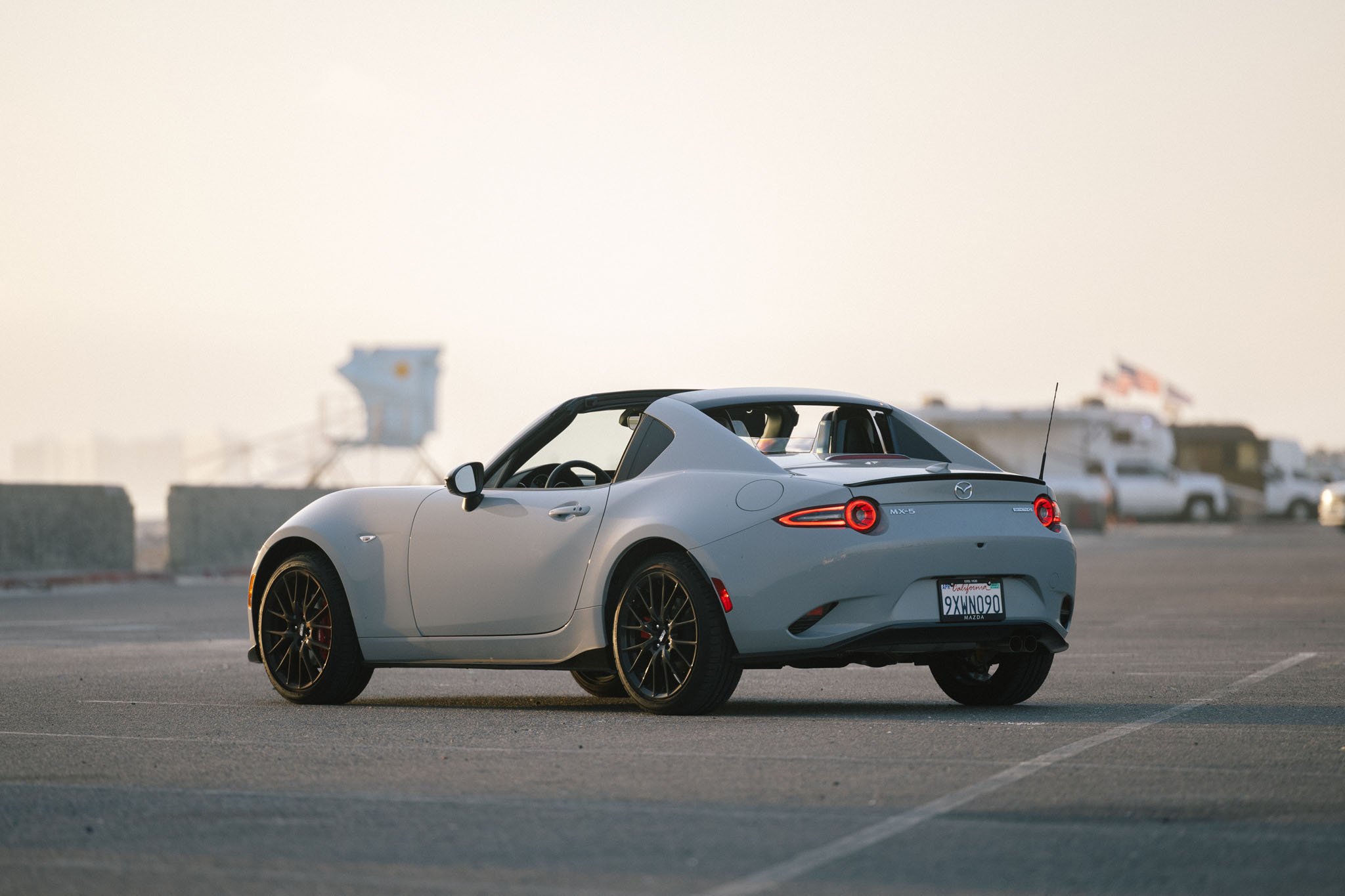
My week with the vehicle began in the winding canyons surrounding San Diego, where the MX-5’s chassis tuning truly shines. The initial impression was one of familiar comfort; the cockpit remains tight, a purposeful design choice that forces a connection between the driver and the machine.
Days 1-2: The Daily Grind
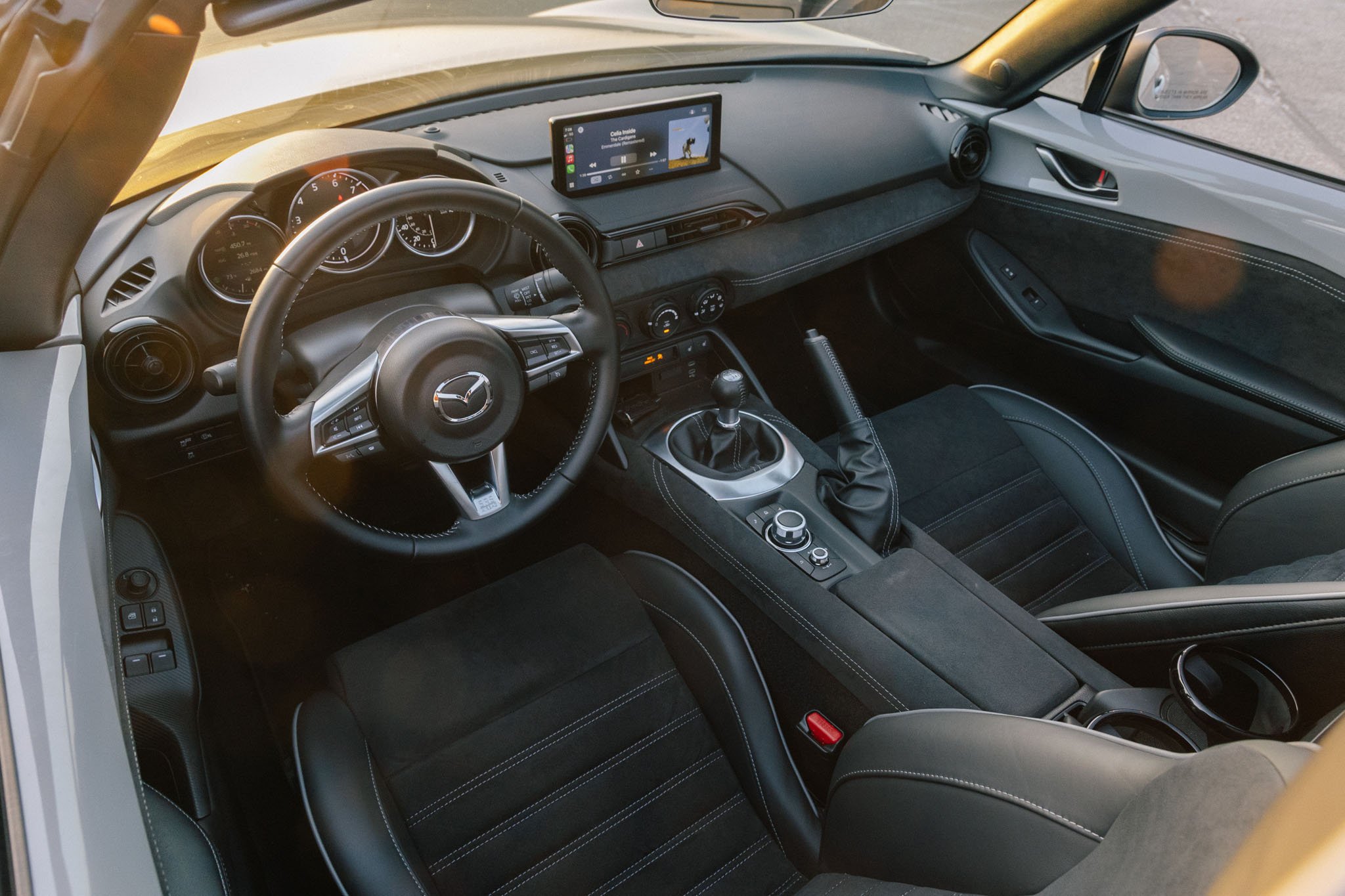
Commuting in the RF is a study in contrasts. With the top up, the cabin is surprisingly serene for a car of this size, though it lacks the acoustic dampening of a luxury sedan. The infotainment system, while functional, feels like a callback to a simpler time—an intentional choice by Mazda to keep the driver focused on the road rather than the screen.
Days 3-5: The Canyon Carve
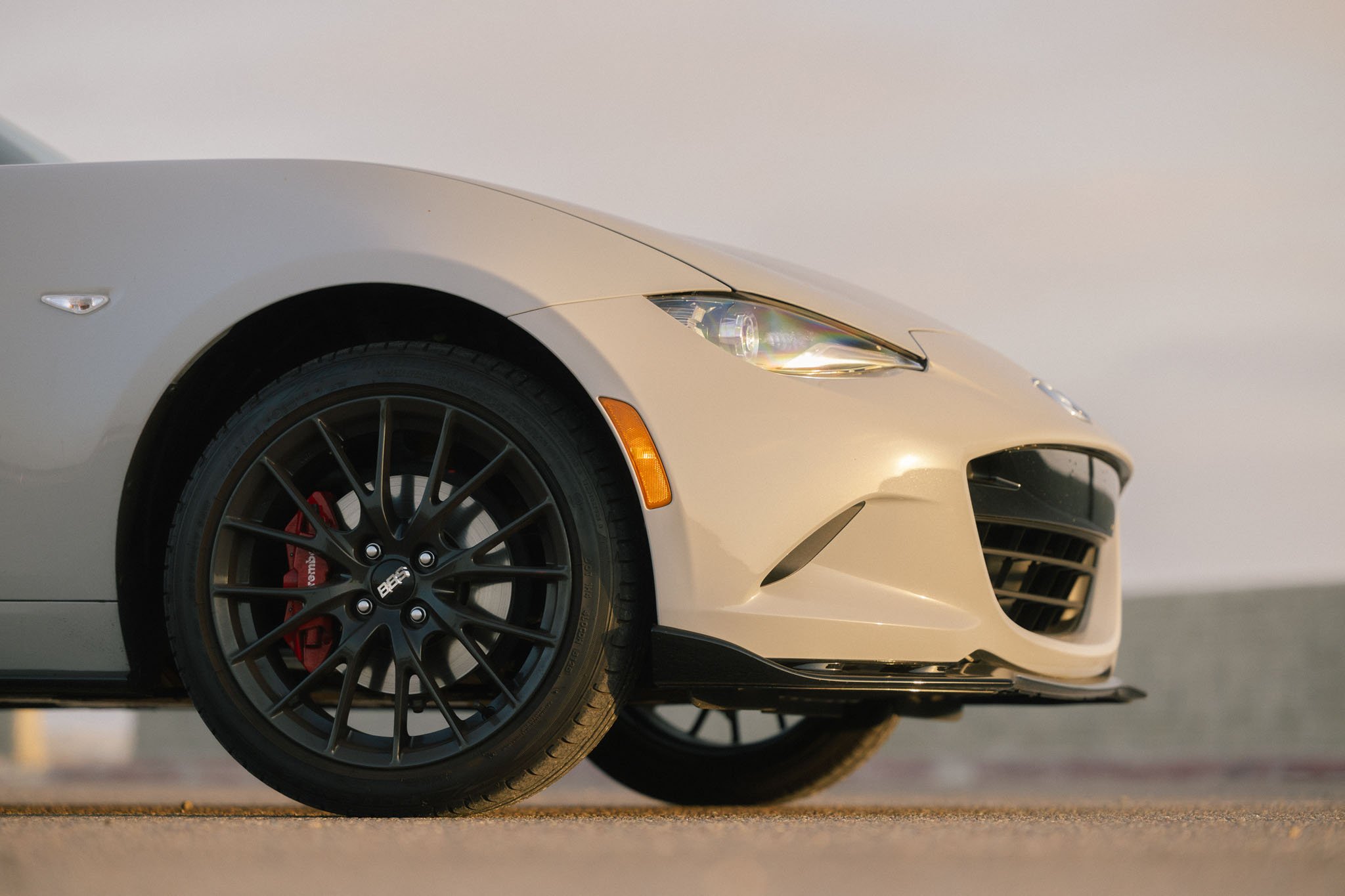
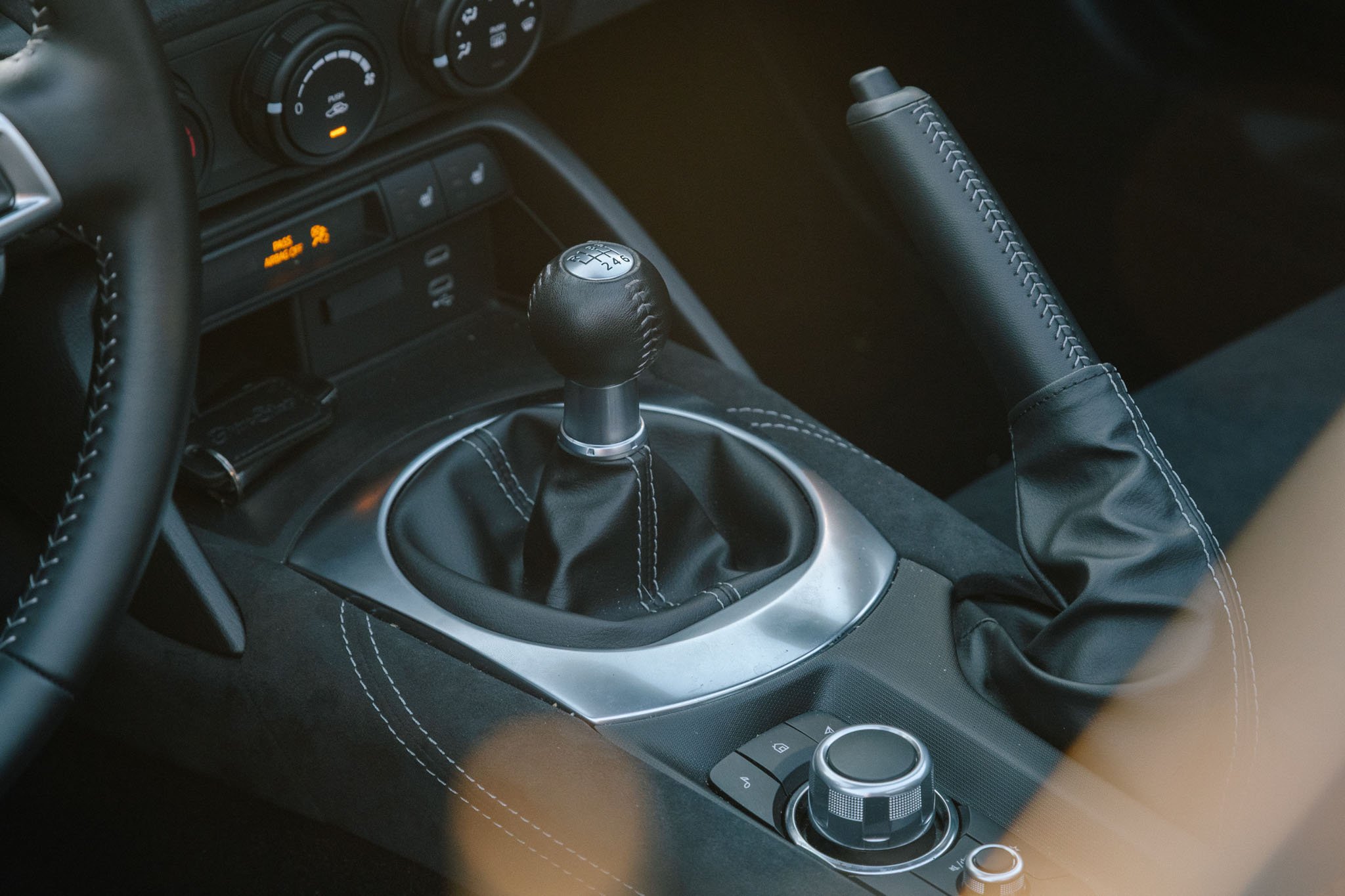
Mid-week, I took the MX-5 to the backroads. This is where the Brembo brakes and BBS wheels earn their keep. The pedal feel is linear and confidence-inspiring. However, the drive-by-wire throttle system introduces a slight latency compared to the cable-actuated throttles of my 2002 NB. It requires a recalibration of the driver’s right foot, particularly during heel-toe downshifts, where the engine management system hesitates for a millisecond before matching revs.
Days 6-7: The Verdict
By the final days, I found myself seeking out longer routes home. The ritual of the top-down drive, even on chilly evenings with the seat heaters engaged, cemented why this car remains the best-selling roadster in history. It is a car that demands engagement, and in return, it rewards the driver with a sense of freedom that few modern vehicles can replicate.
Supporting Data: Performance and Efficiency
When analyzing the 2026 MX-5, the numbers tell a story of efficiency meeting performance.
- Acceleration: The 0-60 mph sprint is achieved in approximately 5.5 seconds. While not a drag-strip monster, the car’s power-to-weight ratio makes it feel faster than the raw data suggests.
- Fuel Economy: The MX-5 is a surprising fuel-sipper. Rated at 26 mpg city and 34 mpg highway, my testing—which included aggressive driving through mountain passes—resulted in a 27 mpg combined average. This handily outperforms the Toyota GR86, its primary rival, which struggles to hit the 24 mpg mark in similar conditions.
- Physical Constraints: The RF adds approximately 100 pounds of weight compared to the soft-top model. While purists might scoff at this, the impact on handling is negligible for the average driver, though the added mass is noticeable during high-intensity track sessions.
Interior Ergonomics and Build Quality
The interior of the 2026 Club trim is a mix of high-end materials and questionable shortcuts. The use of Alcantara and tasteful piano-black trim elevates the cabin, but the steering wheel’s synthetic leather finish feels out of place in a vehicle with a price tag exceeding $43,000.
Furthermore, the "B-pillar" structure, necessary for the retractable roof, creates a significant blind spot. While the backup camera is a welcome addition, it is not a perfect substitute for rearward visibility. The Recaro bucket seats, while excellent for spirited driving, become restrictive during long-distance highway travel, highlighting the car’s role as a secondary vehicle rather than a cross-country cruiser.
Implications for the Future of the MX-5
The existence of the 2026 MX-5 RF forces a conversation about the direction of the automotive industry. As electrification looms, Mazda remains one of the few manufacturers committed to the internal combustion engine in a lightweight, driver-centric package.
The implications are clear: Mazda is betting that there will always be a segment of the market that prioritizes feel over features. While the RF is a "compromise" compared to the pure soft-top, it is a compromise that brings new buyers into the fold—those who want the Miata experience but demand the security of a hardtop.
The Competition: Miata vs. GR86
The debate between the MX-5 and the Toyota GR86 often centers on the "usefulness" of the rear seats. In reality, the GR86’s back seats are largely ornamental, suitable only for small bags or children. If one is truly looking for practicality, neither car is the winner. However, the MX-5 offers a top-down experience that the fixed-roof GR86 simply cannot match. If the priority is an open-air experience, the Miata is the only answer.
Final Assessment: The Verdict
The 2026 Mazda MX-5 RF Club is a testament to the fact that refining a perfect formula is a worthy endeavor. It is not without its flaws—the throttle response, the steering wheel texture, and the rear blind spots are genuine grievances. Yet, these pale in comparison to the sheer joy of the driving experience.
It remains the most accessible, honest, and engaging sports car on the market. For the driver who wants a vehicle that transforms a trip to the grocery store into an event, the MX-5 RF is not just an answer—it is a destination.
Specifications at a Glance
- Base Price (As-Tested): $41,900 ($43,730)
- Engine: 2.0L Inline-4
- Transmission: 6-Speed Manual
- Horsepower: 181 hp
- Torque: 151 lb-ft
- Curb Weight: 2,467 lbs
- Score: 8/10
Disclaimer: Cadillac (Mazda’s corporate partner/press fleet provider) provided The Drive with a seven-day loan of this vehicle for the purpose of this review.
