

The summer of 2024 will long be remembered by public health officials and food industry executives as the season of Cyclospora. While the immediate panic surrounding the parasite may have begun to fade from the headlines, the scale of the outbreak—and the systemic vulnerabilities it has laid bare—serves as a sobering wake-up call for the American food supply chain.
Tens of thousands of Americans have fallen ill with cyclosporiasis, a parasitic infection characterized by debilitating, persistent diarrhea, nausea, and fatigue. Since May, the prevalence of these infections has soared to levels approximately 26 times higher than historical norms. As the industry attempts to move forward, the question remains: Was this a singular anomaly, or is it a harbinger of a new, more dangerous era for restaurants and food manufacturers?
The Anatomy of the Outbreak: Main Facts
Cyclosporiasis is caused by the Cyclospora cayetanensis parasite. Unlike bacterial pathogens such as Salmonella or E. coli, which are relatively straightforward to detect and neutralize, Cyclospora is a single-celled protozoa. Its complex cellular structure makes it notoriously resistant to standard food-grade sanitizers and water-treatment processes.
As of the close of August, the Centers for Disease Control and Prevention (CDC) had recorded roughly 31,000 cases. However, experts warn that this figure is likely a significant undercount. State health departments, which often utilize broader criteria for reporting, have surfaced much higher numbers; for instance, Michigan alone documented over 14,500 cases.
The primary vector for the parasite is human feces, which enters the food chain through contaminated irrigation water. Because the parasite is highly resilient, it can survive the washing and bagging processes that typically render produce "ready-to-eat." When this tainted produce is distributed through a consolidated supply chain—dominated by massive players like Taylor Farms—a single point of contamination can trigger a national health crisis.
A Chronology of Crisis
The timeline of the 2024 outbreak highlights the difficulties in managing a pathogen that moves faster than traditional surveillance systems.
- Late Spring (May): Health departments began noting an uptick in gastrointestinal distress across several states, initially attributing the clusters to seasonal foodborne illnesses.
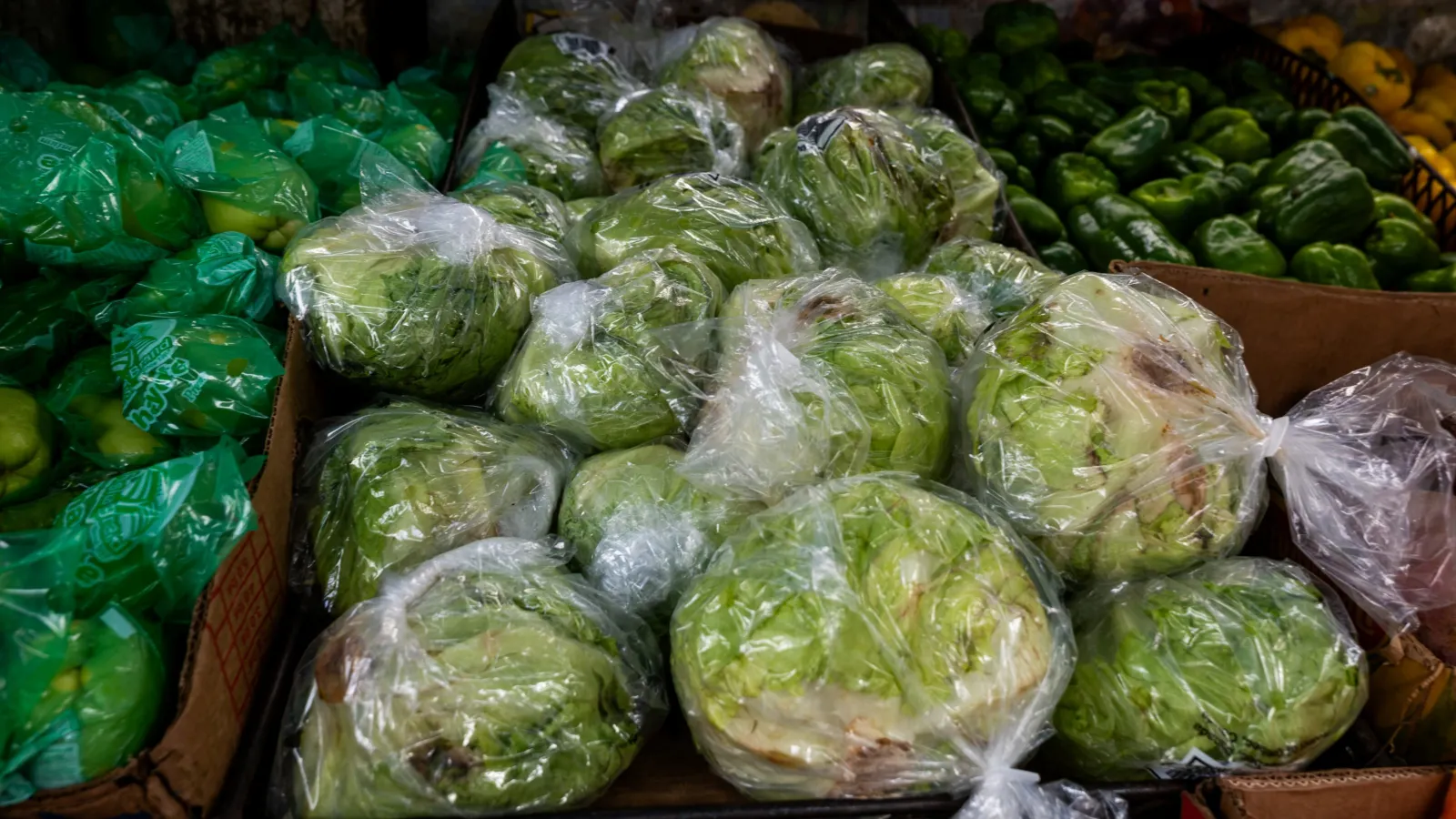
- Early Summer (June–July): As cases climbed into the thousands, epidemiologists identified a strong correlation between the illnesses and consumption of iceberg lettuce. Several major restaurant chains, including Taco Bell, were thrust into the center of the investigation as thousands of customers reported falling ill after dining at their locations.
- Mid-Summer (August): The FDA and CDC confirmed multiple distinct, epidemiologically unrelated clusters of Cyclospora. This confirmed that the outbreak was not a single, contained event, but a series of supply chain failures occurring simultaneously.
- Late Summer (September–October): While acute reporting slowed, the aftermath began in earnest, with high-profile lawsuits filed against major distributors and retailers. Industry leaders began to pivot their menus, publicly distancing themselves from high-risk ingredients like iceberg lettuce.
The Data Behind the Danger
The statistics paint a grim picture of the current state of food safety. With a 2,600% increase in infection rates compared to a typical year, the sheer volume of cases has overwhelmed local public health infrastructure.
Bill Marler, a renowned food safety attorney at Marler Clark, puts the problem in blunt terms: "Essentially, human feces has gotten into our food supply." The difficulty in managing this specific parasite lies in its biology. While bacteria reproduce rapidly and are often susceptible to heat or chlorine, the Cyclospora parasite is a "sturdy" organism.
Furthermore, the concentration of the U.S. food supply means that the risk is not evenly distributed. As Professor Amira Roess of George Mason University notes, "If one of the products is contaminated, and it happens to be the product that a third of the country accesses, you have the reason for your national outbreak." When millions of pounds of lettuce originate from a limited number of farms and processing facilities, the margin for error effectively vanishes.
Official Responses and Regulatory Gaps
The response from federal agencies has been hindered by years of funding constraints. The CDC’s specialized Cyclospora surveillance lab, which once served as the primary line of defense against such outbreaks, has seen its capacity reduced significantly.
During the height of the summer, the FDA and CDC were forced to rely on "shoe-leather epidemiology"—the slow, manual process of interviewing thousands of sickened individuals to cross-reference their dietary history and receipts. Because Cyclospora has a longer lifespan and unique genetic markers compared to common bacteria, traditional rapid testing methods have proven less effective.
Public health experts argue that the lack of investment in disease surveillance has created a "blind spot" in the American food system. Without the ability to detect contamination at the source—the irrigation water—the current system is forced to play a game of catch-up, reacting to outbreaks only after the contaminated food has already been consumed by the public.
The Implications for the Restaurant Sector
For restaurant operators, the Cyclospora crisis has created a legal and operational nightmare. The core of the issue is that once produce is contaminated, there is no "kill step" available to the restaurant.
"Once it’s contaminated, there’s not a dang thing that these restaurants can do to protect themselves or protect their consumers," says Marler. "You can’t wash these fecal pathogens off the lettuce, and you don’t cook lettuce."
Operational Dexterity and Brand Reputation
Some brands have navigated the crisis by proactively shifting their supply chains. Concepts like Cava and Sweetgreen have publicly emphasized their decision to avoid iceberg lettuce, a move that shields them from the most contaminated supply lines. However, as Bo Davis, CEO of MarginEdge, points out, not every restaurant has that luxury. "If you’re a burger concept, people can get their burgers without lettuce, and they’re fine, but if you’re a salad concept, you just take it on the chin for a while."
For operators, the implications are three-fold:
- Liability: Restaurants are ultimately responsible for the food they serve, regardless of whether the contamination occurred at the farm level. Legal challenges remain a significant threat to the bottom line.
- Traceability: The success of chains like Chipotle—which utilized RFID technology to isolate a contaminated shipment of jalapeños during a separate Salmonella event—highlights the importance of advanced supply chain transparency. Brands that know exactly where their ingredients are at every moment can perform targeted recalls rather than wide-scale menu removals.
- Communication: In an era of social media, silence is a liability. Operators who fail to communicate with their customers during a recall risk permanent brand damage. Transparency is no longer just a "nice-to-have"—it is a critical component of crisis management.
Looking Ahead: A More Resilient Future?
The 2024 Cyclospora outbreak has proven that the current model of food safety is struggling to keep pace with the realities of a consolidated, industrialized food system. As Professor Roess noted, "We know the techniques. We have the tools. We know the best processes. But you can’t do them if you’re limited in terms of your resources."
To mitigate future risks, the industry must transition toward a "trust but verify" model. This involves more than just purchasing from major distributors; it requires deep-dive audits into water safety plans, rigorous on-site testing, and a total commitment to supply chain transparency.
The lesson of the summer of Cyclospora is that the food safety net is thinner than the public assumes. For manufacturers, distributors, and restaurant operators, the path forward requires a fundamental shift in how they view their suppliers—not merely as vendors, but as the first line of defense in protecting the health of the American consumer. Until that shift occurs, the risk of another "summer of sickness" remains a persistent shadow over the industry.
