




For decades, the hospitality industry’s approach to marine conservation has been largely monochromatic: focusing almost exclusively on the vibrant, photogenic spectacle of coral reefs. While coral restoration remains a critical environmental endeavor, a paradigm shift is underway in the Balearic Islands. Palladium Hotel Group, a titan in the global hospitality sector, is pivoting its sustainability focus toward a less glamorous but arguably more vital underwater ally: the seagrass meadow.
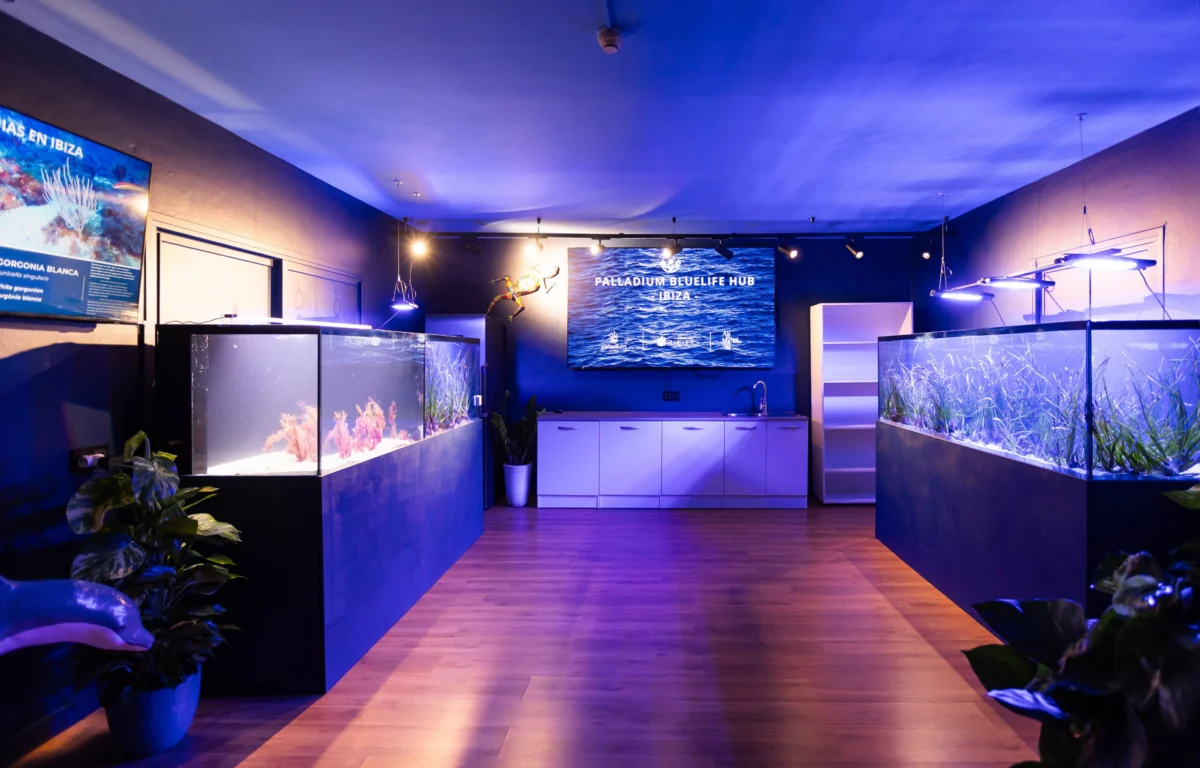
With the inauguration of a dedicated marine conservation lab at the Grand Palladium Select Palace Ibiza, the group is not merely sponsoring environmental initiatives; it is integrating active ecological restoration into the guest experience. This move marks a significant departure from traditional resort sustainability, positioning seagrass—specifically the Mediterranean’s endemic Posidonia oceanica—at the heart of a new, science-led tourism model.
Main Facts: A Shift in Conservation Strategy
The new marine laboratory at the Grand Palladium Select Palace Ibiza serves as a multi-functional hub for research, education, and active restoration. By bringing the laboratory onto the resort grounds, Palladium has dismantled the wall that typically exists between a hotel’s environmental operations and its leisure offerings.
The facility functions as a nursery for seagrass seedlings, allowing scientists to cultivate and monitor plant health before they are transplanted into the surrounding Mediterranean waters. For guests, the project offers a unique immersive experience: they can tour the nursery, participate in educational workshops, and join guided dives to witness active restoration efforts firsthand.
The initiative is designed to address the "invisibility" of seagrass. Unlike the colorful, high-contrast imagery of coral reefs, seagrass meadows are often mistaken for mere seaweed or debris by the average beachgoer. Palladium’s goal is to rebrand these meadows as the "lungs of the Mediterranean," shifting public perception from viewing them as a nuisance to recognizing them as a vital life-support system.
Chronology: From Concept to Conservation
The journey toward this project began as part of a broader sustainability review within the Palladium Hotel Group, prompted by the increasing environmental volatility observed across the Balearic archipelago.
- 2021–2022: Initial assessments of the coastal health surrounding the Grand Palladium properties in Ibiza revealed significant degradation of local seagrass meadows, primarily due to illegal boat anchoring and rising water temperatures.
- Early 2023: Palladium management engaged with marine biologists and local environmental NGOs to explore restoration techniques. The concept of an on-site "nursery" was developed to bridge the gap between scientific research and tourism engagement.
- Late 2023: Construction of the marine laboratory began, incorporating specialized filtration and lighting systems designed to mimic the conditions of the Mediterranean seabed.
- Spring 2024: The lab officially opened, marking the first phase of an ongoing restoration project that aims to replant thousands of seagrass shoots over the next three years.
- Summer 2024: The resort launched its guest-centric programs, including "Conservation Dives," where hotel guests work alongside marine biologists to transplant seagrass shoots in protected zones.
Supporting Data: Why Seagrass Matters
The tourism industry has spent the last half-century marketing the "white sand, clear water" aesthetic. However, the science behind this beauty is often misunderstood.
The Myth of the White Sand
White sand is not a permanent feature; it is largely composed of calcium carbonate, much of which originates from the breakdown of coral and shells. Seagrass meadows play a counter-intuitive role here: they act as natural filters. By slowing down water currents, they capture sediment and particulate matter that would otherwise drift freely, clouding the water. Without healthy seagrass, the very water clarity that resorts rely on to attract guests begins to diminish.
The Carbon Sink Powerhouse
While tropical rainforests receive the bulk of the attention regarding carbon sequestration, the ocean’s seagrass meadows are arguably more efficient per unit of area.
- Carbon Sequestration: Seagrass meadows are estimated to store up to 18% of the world’s oceanic carbon, a process known as "blue carbon" storage.
- Biodiversity: A single hectare of Posidonia seagrass can support hundreds of species of fish, crustaceans, and mollusks, providing critical nursery habitats for marine life that maintains the equilibrium of the entire Mediterranean food chain.
- Coastal Protection: Beyond carbon and biodiversity, seagrass meadows act as a buffer against coastal erosion, stabilizing the seafloor and protecting beaches from the destructive power of storm surges—an increasingly relevant service as climate change fuels more intense weather events.
Official Responses and Strategic Vision
Palladium Hotel Group’s leadership emphasizes that this initiative is not merely a philanthropic gesture but a strategic necessity for long-term viability.
"We recognize that the future of hospitality is inextricably linked to the health of the ecosystems in which we operate," said a spokesperson for the Palladium Hotel Group. "By moving our conservation work from the periphery into the heart of the guest experience, we are fostering a new type of traveler—one who understands that a luxury vacation should not come at the cost of the environment."
Local environmentalists have largely lauded the move, noting that corporate intervention is often required to scale restoration efforts that NGOs cannot fund alone. Dr. Elena Moreno, a marine biologist consulting on the project, stated: "We are moving past the era of ‘don’t touch’ conservation. We are now in the era of ‘active restoration.’ Palladium’s facility provides the scale necessary to re-populate areas that have been decimated by human activity over the last thirty years."
Implications: The Future of Eco-Tourism
The Palladium initiative holds significant implications for the hospitality industry, suggesting a move toward "regenerative tourism."
Redefining Guest Expectations
The success of this lab suggests that modern travelers are increasingly interested in "impact-based" travel. Guests are no longer satisfied with just "not leaving a trace"; they are seeking opportunities to leave a place better than they found it. By offering hands-on experiences, Palladium is tapping into a market segment that prioritizes environmental literacy alongside comfort.
The Ripple Effect on DMOs
Destination Marketing Organizations (DMOs) in the Mediterranean and beyond will likely need to adjust their messaging. For decades, the focus has been on the visual aesthetics of the coastline. The new mandate for these organizations is to promote "resilience." Marketing materials will eventually need to highlight the presence of healthy seagrass as a marker of a premium, well-managed, and sustainable destination.
The Climate Challenge
Climate change remains the greatest threat to this project. Rising ocean temperatures are pushing Posidonia to its physiological limits, causing "die-offs" in regions that were previously stable. Palladium’s lab is currently experimenting with heat-resistant strains of seagrass, a form of "assisted evolution" that may be the only way to ensure these ecosystems survive the next century of warming.
A New Standard for Coastal Resorts
If the Grand Palladium Select Palace Ibiza project proves successful, it will likely create a blueprint for coastal resorts worldwide. The industry is currently at an inflection point: as coral reefs continue to face catastrophic bleaching events, seagrass restoration provides a more resilient, scalable, and ecologically significant alternative for hotels seeking to invest in the protection of their marine assets.
In conclusion, Palladium Hotel Group’s initiative represents a profound maturation of corporate environmental responsibility. By pivoting from the aesthetic appeal of the reef to the functional necessity of the meadow, the group is setting a new standard for the industry. It is a recognition that the "white sand" dream is only as sustainable as the seagrass that keeps it clear, protected, and alive. As the climate crisis accelerates, the survival of coastal luxury may well depend on whether the industry can successfully transition from being passive observers of the sea to active guardians of its foundation.
