




As the global countdown to the 2028 Summer Olympic Games in Los Angeles begins, the event is emerging not merely as a celebration of athletic prowess, but as a critical laboratory for urban survival. With an estimated five billion people—more than half the world’s population—expected to tune in, the Games represent one of the most significant stages on Earth. However, as the host city navigates the complex intersection of recovery from recent devastating wildfires and the immense logistical demands of a mega-sporting event, the world is asking: Can the Olympics evolve to meet the realities of the climate emergency?
On June 23, 2026, experts, urban planners, and sustainability advocates will convene for a specialized webinar as part of London Climate Action Week to dissect this exact challenge. The event will explore whether Los Angeles can transform the blueprint for global sporting spectacles into a model for climate resilience.
Main Facts: The 2028 Sustainability Mandate
The Los Angeles 2028 Olympic and Paralympic Games (LA28) are positioning themselves as a watershed moment for sustainable infrastructure. Unlike previous iterations of the Games, which often left behind "white elephant" stadiums and abandoned infrastructure, the LA28 organizing committee has made a groundbreaking pledge: the use of only existing or temporary venues.
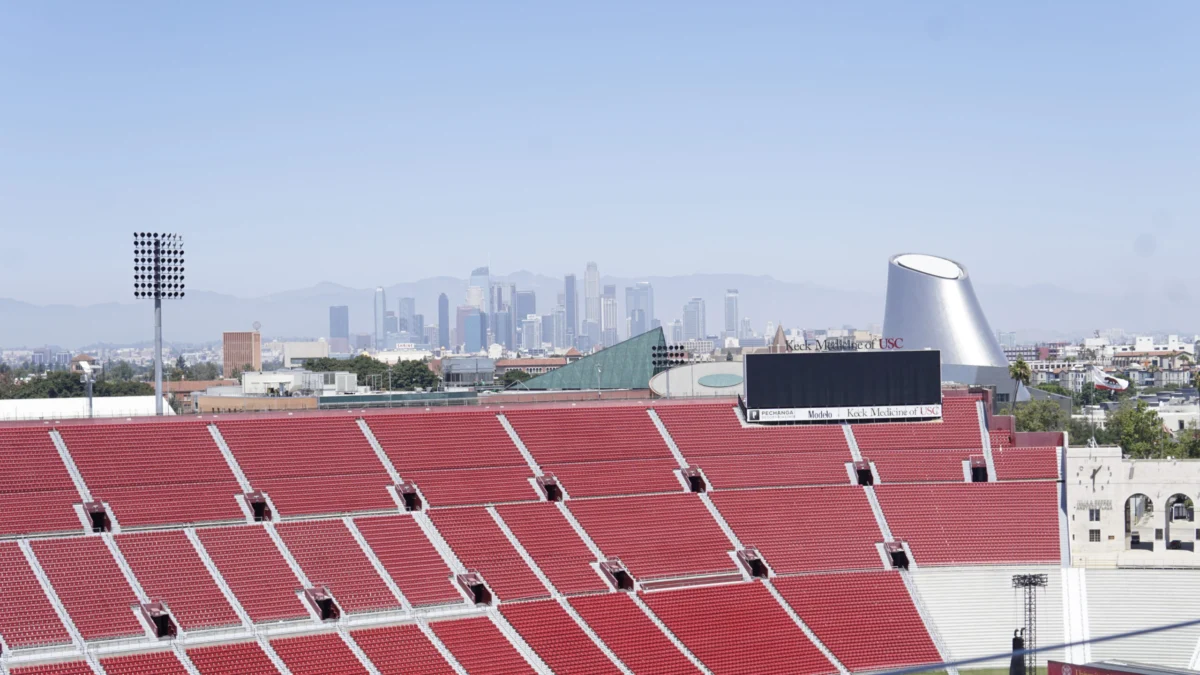
By leveraging the city’s deep reservoir of world-class facilities—from the iconic Los Angeles Memorial Coliseum to the modern arenas of the University of Southern California—organizers aim to eliminate the carbon footprint associated with large-scale construction. Furthermore, the committee has committed to a "car-free" initiative, a radical proposition for a city historically defined by its car culture. The plan seeks to incentivize public transit and active mobility patterns, potentially reshaping urban policy in the Southern California basin for decades to come.
Chronology: From Wildfire Recovery to Olympic Readiness
To understand the stakes of 2028, one must look at the timeline of the city’s recent history.
- 2017–2021: The Era of Escalation. Los Angeles experienced a series of unprecedented wildfire seasons, driven by prolonged droughts and record-breaking heat waves. These events forced a shift in local governance, prioritizing fire mitigation and emergency response infrastructure.
- 2022–2024: The Olympic Planning Pivot. As LA28 finalized its venue plan, the pressure to integrate climate resilience into the "host city" identity grew. The narrative shifted from "hosting a show" to "building a future."
- 2025: Strengthening the Infrastructure. The city began integrating Olympic-related transit projects with long-term wildfire evacuation route improvements.
- June 23, 2026: The London Climate Action Week Webinar. This virtual forum serves as a mid-cycle checkpoint. It acts as a critical juncture for policymakers to address the friction between the spectacle of the Games and the underlying instability of the local climate.
- 2028: The Games. The ultimate test. Can the city manage the influx of millions of visitors while maintaining its pledge to climate neutrality?
Supporting Data: The Scale of the Challenge
The logistics of hosting a modern Olympic Games in a climate-vulnerable region are staggering. Data suggests that the primary challenge lies in the "Urban Heat Island" effect, which is compounded by the increasing frequency of "red flag" fire days in Southern California.
Recent urban planning audits reveal that the Los Angeles transit system currently faces a massive gap between current capacity and the projected demand for the 2028 Games. The proposed mobility plan aims to close this gap by investing in expanded bus rapid transit (BRT) and rail extensions.
Furthermore, sustainability metrics show that by utilizing existing venues, the organizers expect to reduce the embodied carbon of the Games by an estimated 60% compared to previous Olympic cycles. However, critics point to the "scope 3" emissions—the indirect emissions resulting from the international travel of five billion viewers and the supply chain requirements of the event—as the elephant in the room that has yet to be fully accounted for in the official sustainability reports.
Official Responses and Strategic Vision
The International Olympic Committee (IOC) and the LA28 Organizing Committee have maintained a unified front: the Olympics must adapt or risk becoming obsolete.
"We are not just hosting a competition; we are hosting a conversation about the future of urban living," stated a representative for the organizing committee. The official stance emphasizes that the Olympics are a catalyst for accelerated urban development. By tying Olympic funding to public transit projects, the committee argues they are effectively fast-tracking infrastructure that would have taken decades to approve under normal bureaucratic conditions.
Regarding the wildfire risk, local municipal authorities have assured stakeholders that the Games will operate under an "Adaptive Response Framework." This includes real-time air quality monitoring for athletes and spectators, as well as a flexible scheduling system that allows for the modification of events should environmental conditions pose a safety risk.
Implications: Can the Olympics Survive the Climate Crisis?
The implications of the LA28 approach reach far beyond the borders of California. The success or failure of these Games will establish a precedent for all future mega-events.
The Urban Policy Shift
The Olympics are forcing Los Angeles to rethink its relationship with the automobile. If the city successfully pulls off a "car-free" Games, it will provide a proof-of-concept for other major metropolises struggling with congestion and emissions. The policy shift could lead to permanent pedestrian-only zones and a more robust public transit culture.
The Resilience Paradox
There is a fundamental friction between the "standout global show" and the realities of climate recovery. Recovery efforts often require immense resources—water, personnel, and energy—which are the same resources required to run an Olympic Games. The webinar in June 2026 will grapple with this tension: How can a city justify the glitz of the Olympics while its residents are still grappling with the trauma and economic impact of climate-driven disasters?
Athletic Prowess in a Changing Climate
The most existential threat is to the athletes themselves. As heatwaves become more severe, the definition of "athletic performance" is being rewritten. Can the human body perform at its peak in 100-degree-plus temperatures? The 2028 Games will likely be the most technologically advanced in history regarding athlete monitoring, but there is a growing consensus that technological intervention cannot replace the need for a stable environment.
Conclusion: A Model or a Mirage?
As the 2026 webinar approaches, the conversation remains nuanced. The organizers have made the right pledges: no new stadiums, a focus on transit, and a commitment to transparency. But the path from pledge to reality is fraught with the unpredictable nature of climate change.
Los Angeles 2028 is essentially attempting to perform a high-wire act. On one side, it must deliver the high-octane excitement the world expects from the Olympic movement. On the other, it must acknowledge the sobering reality that the world is watching from the front lines of a changing climate.
The question remains: will the 2028 Games be remembered as a triumphant model of how a city can reinvent itself for a sustainable future, or will they stand as a final, fleeting display of grandeur before the climate crisis forces a permanent change to the way we gather?
The world will be watching in 2028. But the work starts now, in the planning rooms, the policy debates, and the upcoming discussions that will define the legacy of these historic Games.
For those interested in participating in the ongoing dialogue, the webinar scheduled for 23 June 2026 offers a vital opportunity to hear from the experts shaping the future of global sport. Registration details and additional insights can be found on the London Climate Action Week portal.
