





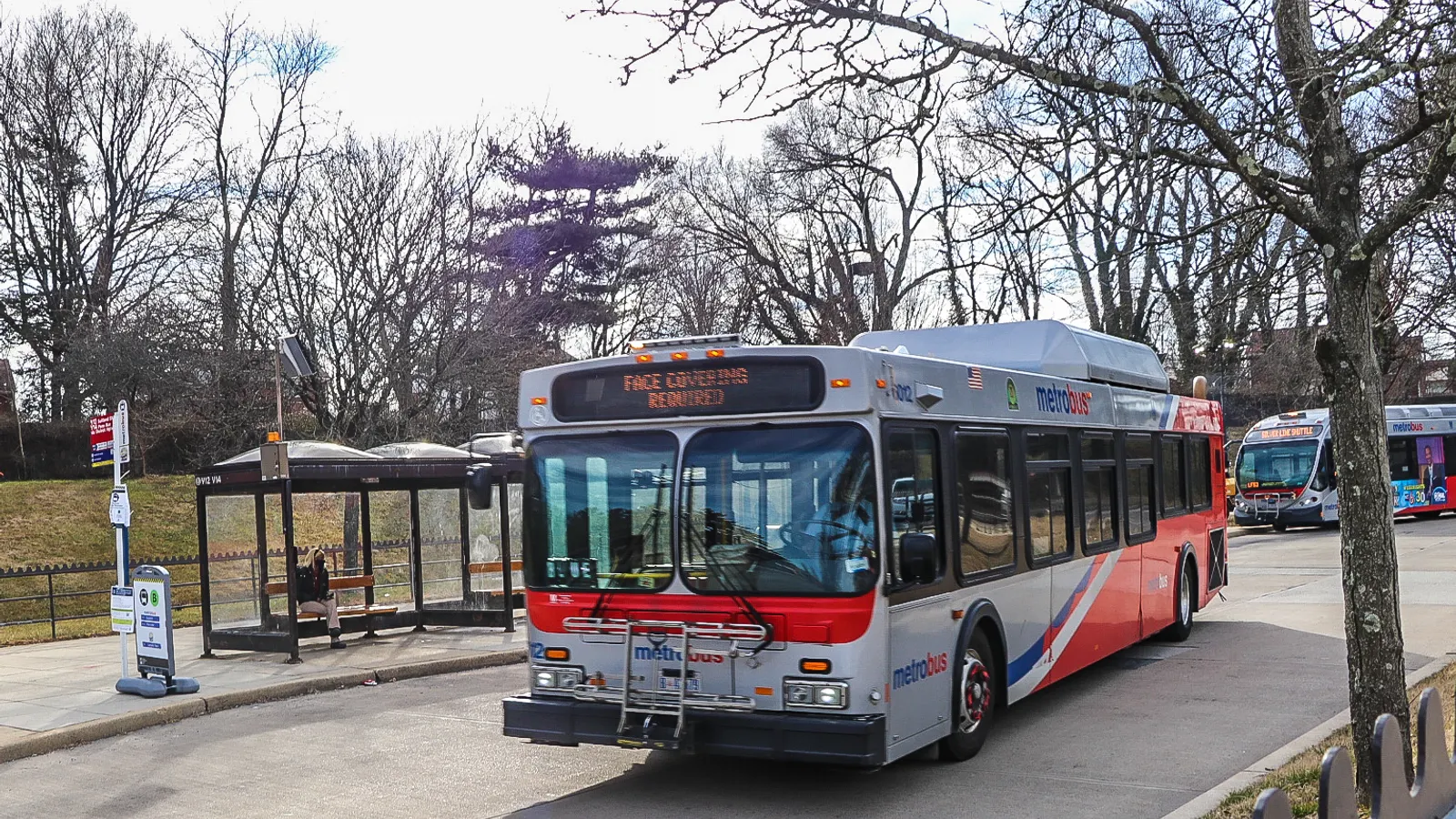
The American public transit landscape is often viewed through the prism of urban mobility—bus stops, commuter wait times, and the efficiency of metropolitan transit authorities. However, beneath the daily rhythm of city transit lies a sprawling, high-stakes industrial ecosystem. A groundbreaking report released by Oxford Economics on September 18, 2026, reveals that the economic footprint of the transit bus industry is far more extensive than previously understood, serving as a vital backbone for manufacturing, employment, and regional economic health across the United States.
While the primary image of this industry is the final assembly of heavy-duty transit buses, the reality is a complex web of suppliers, engineers, and service providers that ripple across state lines. With over 65,000 heavy-duty transit buses currently in operation across the nation, the industry represents a critical component of the domestic industrial base.
The Economic Footprint: A Macro View
According to the Oxford Economics study, the transit bus industry functions as a significant job creator. In 2025 alone, direct employment within bus manufacturing firms stood at approximately 4,700 workers. Yet, this figure is merely the tip of the iceberg. The industry’s supply chain—comprising the specialized components, electronics, chassis fabrication, and interior fittings—supports an additional 15,900 jobs.
When accounting for "induced" economic impacts—the household spending generated by the wages of those 20,600 direct and supply-chain workers—the industry accounts for another 13,500 jobs. This creates a total employment multiplier that underscores the importance of domestic transit manufacturing to the broader U.S. economy.
"The industry’s economic footprint extends well beyond the firms that assemble transit buses," the report emphasizes. The geographical distribution of these benefits is concentrated, with California, Alabama, Illinois, Indiana, Michigan, Minnesota, New York, Pennsylvania, and Texas emerging as the primary hubs where the marriage of manufacturing and supply-chain logistics drives regional prosperity.
Chronology of Production: From Pre-Pandemic Peaks to Modern Recovery
To understand the current state of the industry, one must look at the production trends of the last decade. The industry has navigated a volatile landscape, oscillating between high output and significant structural headwinds.
- 2017–2019: The Pre-Pandemic Baseline: During this period, the industry enjoyed robust health, with annual production rates exceeding 6,000 units. Public transit agencies were in a steady replacement cycle, and manufacturers were operating at high capacity.
- 2020–2022: The "Great Disruption": The onset of the COVID-19 pandemic introduced a trifecta of challenges: global supply chain breakdowns, acute labor shortages, and unprecedented financial strain on transit agencies. These factors forced production to dip, ranging between 4,000 and 4,800 units annually.
- 2023–2024: The Transition Period: As the industry began to stabilize, the focus shifted toward decarbonization. Battery-electric buses (BEBs) began to claim a larger share of the market, accounting for approximately 20% of deliveries, while diesel-powered vehicles maintained a 55% share, reflecting a industry in the midst of a slow, capital-intensive transition to green technology.
- 2025: The Current Landscape: The industry is currently characterized by a "replacement-led" recovery. With a significant portion of the nation’s fleet nearing retirement, manufacturers are seeing a renewed surge in demand, even as they contend with the lingering effects of the post-pandemic supply chain recalibration.
Supporting Data: The Age of the Fleet
One of the most pressing drivers for the industry is the aging state of the national transit fleet. The Federal Transit Administration (FTA) defines the "useful life" of a standard transit bus as 12 years. Currently, roughly 21% of the national fleet—approximately 13,700 vehicles—has exceeded this 12-year threshold.
This statistic presents both a challenge and an opportunity. For transit agencies, operating a fleet past its useful life increases maintenance costs, reduces service reliability, and hinders environmental goals. For manufacturers, this represents a massive backlog of potential orders.
The market remains dominated by two primary players: Gillig and New Flyer. Together, these firms accounted for the majority of bus deliveries in 2025. They are joined in the competitive landscape by companies such as ElDorado National, Solaris, and BYD, each vying for a slice of a market that is increasingly focused on the intersection of public infrastructure and sustainable technology.
Official Responses and Industry Outlook
Industry leadership remains cautiously optimistic. On an August 7, 2026, earnings call, John Sapp, the CEO of NFI Group (the parent company of New Flyer), addressed the current market dynamics. He noted that the company expects sustained strength in the coming years, primarily driven by the urgent need for transit agencies to modernize their fleets.

"The need to replace older, inefficient buses is the primary engine of our current growth," Sapp stated. His comments reflect a broader industry consensus that the long-term fundamentals—demand for public transportation and the federal government’s commitment to infrastructure—remain strong.
However, the industry is not without its critics and skeptics. Some analysts point out that while the push for electric buses is commendable, the high upfront costs and the need for specialized charging infrastructure continue to pose significant barriers for smaller transit agencies. The transition is not just about manufacturing the vehicle; it is about building an entirely new support ecosystem.
Implications: The Road Ahead
The implications of the Oxford Economics report are twofold. First, it confirms that the domestic transit bus industry is a strategic asset. Policymakers who look to bolster domestic manufacturing or promote "green" infrastructure must recognize that support for transit bus procurement has massive, positive externalities for the labor market.
Second, the data highlights a looming infrastructure crisis. If 13,700 buses are already over the 12-year mark, transit agencies face a critical "funding cliff." Without consistent and robust federal and state-level investment, the industry may struggle to replace these vehicles at the pace required to maintain service levels.
Infrastructure and Urban Planning
The reliance on these vehicles is absolute. Urban centers depend on the reliability of these fleets to keep workers moving and cities functioning. As the industry moves toward a future where 20% of its output is already electric, the manufacturing sector is becoming an unintended laboratory for clean energy transition. The shift requires not just a change in the powertrain of the bus, but a change in how the entire manufacturing workforce is trained and deployed.

The Legislative Connection
Legislative bodies, particularly those in the key manufacturing states identified in the report, are increasingly viewing bus production as a pillar of their state’s industrial policy. Tax incentives for suppliers and grants for the purchase of low-emission vehicles are being debated with a new intensity, as officials recognize that keeping these manufacturing lines open is synonymous with keeping thousands of skilled workers employed.
Conclusion
The transit bus industry is far more than a collection of metal, glass, and rubber. It is an essential component of the American economic architecture. From the assembly lines in Alabama to the supplier networks in the Midwest, the industry supports tens of thousands of families and ensures that the nation’s public transit systems can continue to operate.
As the industry moves into the latter half of the 2020s, it faces a clear path: the transition to electric power, the urgent replacement of a rapidly aging national fleet, and the necessity of maintaining a stable, skilled workforce. The report from Oxford Economics serves as a vital reminder that when we invest in the buses that carry our commuters, we are investing in the very fabric of our national economy. The road ahead for transit manufacturing is complex, but it is undoubtedly one of the most critical sectors for the future of American mobility and industrial health.
