


By Bailey Schulz
September 22, 2026
The modern traveler’s journey is no longer a linear path. It is a fragmented, digital odyssey that often begins with a fleeting glimpse of a sun-drenched beach or an enticing street-food tour on an Instagram Reel or a TikTok post. However, for travel brands, the challenge lies in the "black box" that exists between that initial spark of inspiration and the final transaction.
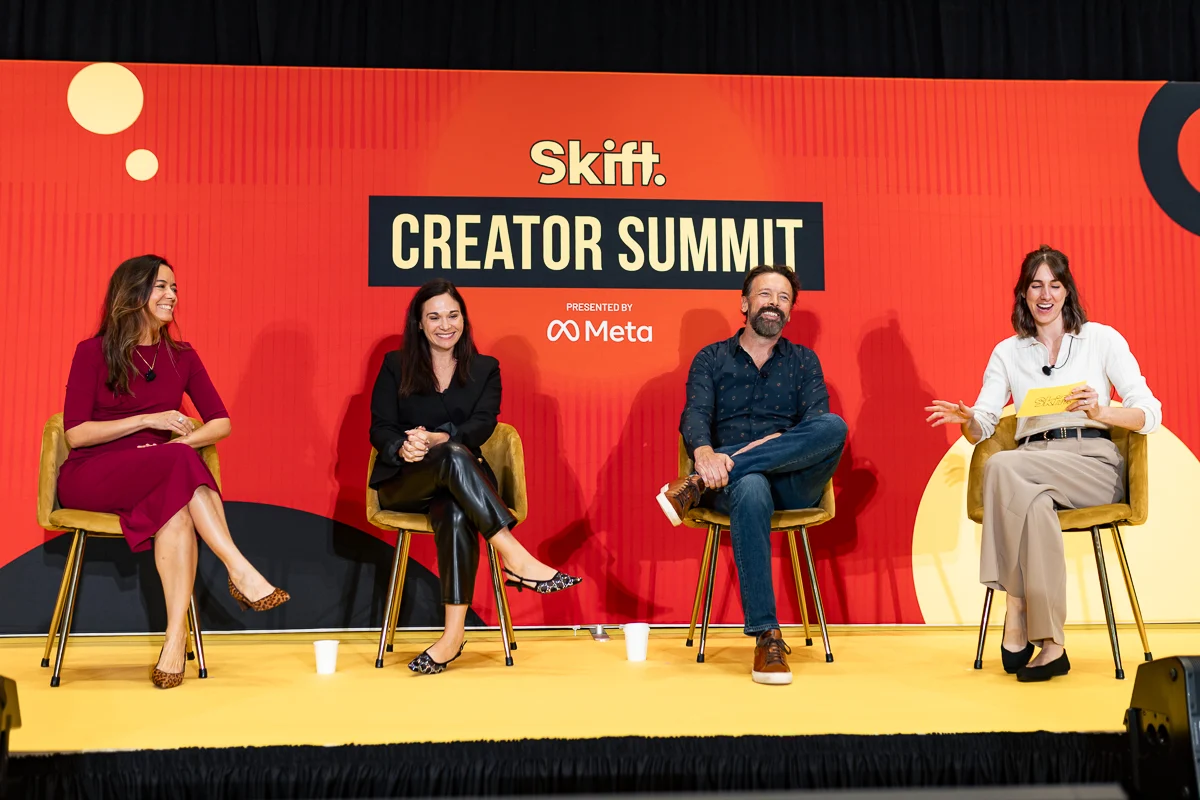
At the 2026 Skift Creator Summit in New York City, industry leaders gathered to address a growing concern: the failure of traditional marketing metrics to capture the true influence of social media video on travel bookings. As consumer behavior shifts toward immersive, short-form video, the legacy reliance on click-based attribution is increasingly looking like a relic of the past.
The Core Conflict: Why Click-Based Attribution Fails
For years, travel marketing has relied heavily on "last-click" or "click-based" attribution—a model that gives credit for a booking to the final link a consumer clicked before purchasing. While this provides a clear, quantifiable data point, it fundamentally ignores the "nurture" phase of the marketing funnel.
Diana Lucas, director of marketing science for North America at Meta Platforms, argues that the industry’s obsession with clicks is blinding brands to the massive value being generated by video content. "If you’re only focused on the click, you’re missing the vast majority of the story," Lucas noted during the summit.
The data suggests that the lag time between inspiration—seeing a travel video—and booking can span weeks or even months. During this period, the potential guest may be exposed to multiple touchpoints, none of which involve a direct click, yet all of which contribute to the final decision. When 60% of content consumed on platforms like Instagram and Facebook is now video, relying on outdated metrics is not just an oversight; it is a fundamental miscalculation of return on investment (ROI).
A Chronology of the Traveler’s Path to Purchase
To understand why travel brands are struggling to "connect the dots," one must look at the non-linear progression of the 2026 traveler:
- The Inspiration Phase (T-minus 3 months): A user scrolls through Instagram while commuting. They encounter a high-quality, authentic video of a boutique hotel in Kyoto. They do not click; they simply watch, perhaps saving the video to a collection folder.
- The Consideration Phase (T-minus 6 weeks): The user begins researching flights. They recall the Kyoto hotel and search for it directly in their browser. Because they didn’t click the original Instagram ad, the platform’s tracking tools may fail to link this search to the social media impression.
- The Validation Phase (T-minus 2 weeks): The user searches for "Kyoto boutique hotels" on a search engine. They see a paid search ad from a major aggregator and click. The aggregator gets the credit for the conversion, despite the initial social video being the primary driver of the user’s interest.
- The Booking (Day Zero): The user completes the transaction.
This chronology illustrates a "multi-touch" reality where the final link—often a search ad or an organic direct visit—receives the credit, while the brand-building, high-funnel video content that actually created the desire receives zero recognition.
Supporting Data: The Rise of Video Dominance
The shift toward video is not merely a trend; it is a structural change in how humans consume information. According to industry analysis presented at the summit, the "passive" engagement metrics—view time, completion rates, and shares—are becoming far more predictive of future sales than the "active" click.
- Video Consumption: With over 60% of social media time now dedicated to video, brands that fail to invest in high-production, high-authenticity video are effectively invisible to a majority of the market.
- The "Sleeper" Effect: Research into long-tail conversion cycles indicates that travel-related purchases have the longest "consideration window" of any retail category. A single video can act as a "sleeper" trigger, remaining in the consumer’s subconscious until they are ready to plan their next getaway.
- The Attribution Gap: Industry estimates suggest that brands using click-only attribution are under-reporting the impact of their social video campaigns by as much as 40% to 70%.
Official Perspectives: Balancing Loyalty and Reach
The summit featured a panel of industry experts, including Laurie Blair, senior vice president of global marketing and loyalty at Hyatt, and Ross Borden, founder and CEO of Matador Network, who provided a balanced view of the evolving landscape.
The Loyalty Perspective
For a brand like Hyatt, the challenge is maintaining the integrity of the loyalty program while reaching new audiences through creators. Laurie Blair emphasized that while social video is a powerful acquisition tool, it must be balanced with the tangible benefits of loyalty programs.

"We want to capture the traveler at the point of inspiration," Blair stated. "But we also need to ensure that the content being pushed by creators aligns with the reality of the guest experience. If the video creates a false expectation, the loyalty we’ve built over decades is at risk."
The Creator Economy Perspective
Ross Borden of Matador Network argued that the industry needs to rethink the "creator" role entirely. Instead of viewing creators as just another advertising channel, brands should view them as the new storytellers of the travel industry.
"The most effective travel content is not the perfectly polished ad," Borden noted. "It’s the authentic, shaky-cam, real-life experience. That’s what stops the scroll. Brands that allow creators to lead the narrative see a much higher conversion rate, even if the attribution models aren’t quite ready to prove it yet."
Implications: Moving Toward "Marketing Science"
As the industry moves into the latter half of the decade, the implications for travel marketing budgets and strategies are significant.
1. The Death of the "Last-Click" Obsession
Marketing leaders are beginning to shift toward "Marketing Mix Modeling" (MMM) and "Incrementality Testing." Instead of asking, "Did this specific user click on this specific ad?", brands are asking, "If I increase my spend on video by 20%, what happens to my total booking volume across all channels?" This holistic approach acknowledges that not every dollar spent on social media needs to show a direct, trackable click to be effective.
2. The Rise of "Brand Equity" Metrics
Travel companies are increasingly prioritizing "Share of Search" and "Brand Sentiment" over immediate conversion metrics. If a video campaign drives a spike in direct searches for a hotel brand on Google, that is a success—even if the video itself didn’t feature a "Book Now" button.
3. The Need for Better Tech Integration
There is a clear call to action for ad-tech companies to build better bridges between social platforms and booking engines. The current fragmentation—where social media data lives in one silo and hotel booking data in another—is a bottleneck that the travel industry can no longer afford.
Conclusion: The Future is Immersive
The Skift Creator Summit made one thing abundantly clear: the "black box" of attribution is beginning to open. While the technical challenge of mapping a 30-second TikTok video to a hotel reservation three months later remains, the solution lies in a more sophisticated understanding of data.
Travel brands that cling to the safety of click-based attribution will continue to struggle, finding themselves under-valuing their most effective content. Meanwhile, the brands that embrace the complexity of the modern traveler—who value authenticity, storytelling, and long-term engagement—will be the ones that win the battle for the consumer’s heart, and ultimately, their wallet.
As we look toward 2027 and beyond, the message to travel CMOs is simple: stop counting clicks and start counting stories. The revenue will follow.
