




By [Your Name/Journalistic Staff]
August 31, 2026
As the rapid integration of artificial intelligence across industries continues to reshape the American workforce, a haunting question remains: Is the nation’s social safety net prepared for a potential wave of structural displacement? While widespread, AI-driven mass unemployment has not yet materialized in the catastrophic proportions many once feared, experts warn that our current Unemployment Insurance (UI) system is fundamentally ill-equipped to handle the volatility of the modern labor market.
Michele Evermore, Senior Policy Fellow for Economic Security at the National Employment Law Project (NELP), argues that the United States is currently repeating the mistakes of the past. By neglecting to modernize UI during periods of relative stability, the government is setting the stage for a repeat of the administrative failures seen during the COVID-19 pandemic. With job markets becoming increasingly hostile—characterized by “ghost jobs,” record-low hiring, and long-term unemployment—the call for legislative reform has reached a fever pitch.
The Core Problem: A System in Decay
At its inception, the Unemployment Insurance system was designed as a pillar of economic stability. Its goals were threefold: to provide income replacement for displaced workers, to facilitate a smooth transition back into the workforce, and to serve as a “countercyclical stabilizer”—a mechanism that injects money into local economies during downturns to prevent total collapse. Studies consistently show that for every dollar spent on UI benefits, nearly two dollars of economic activity are generated within local communities.
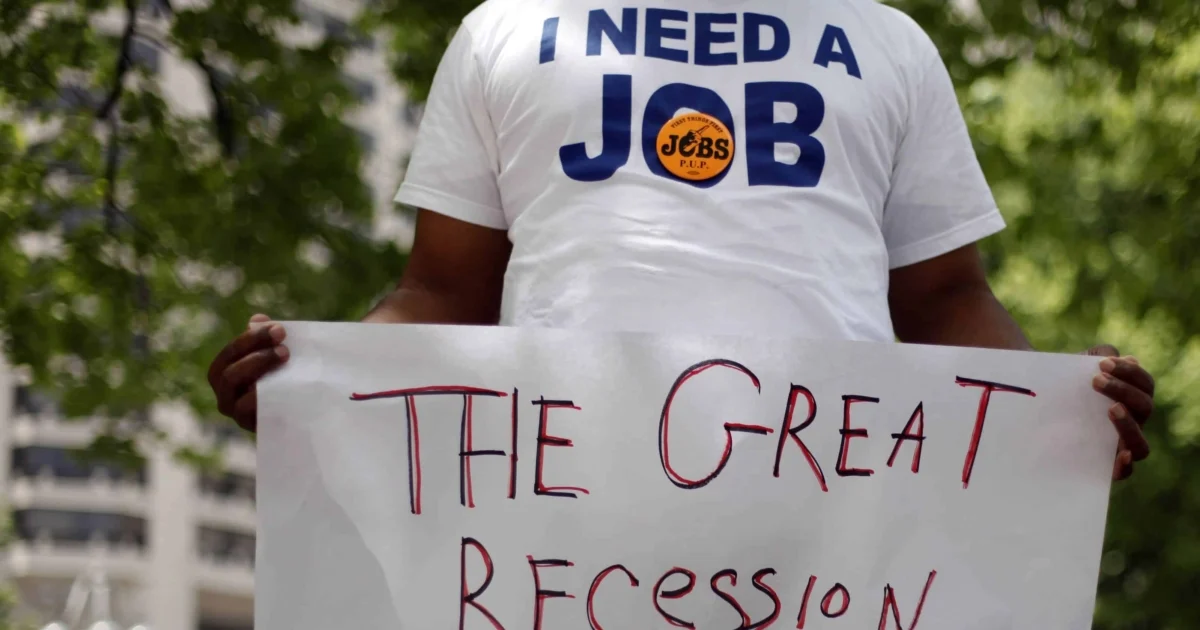
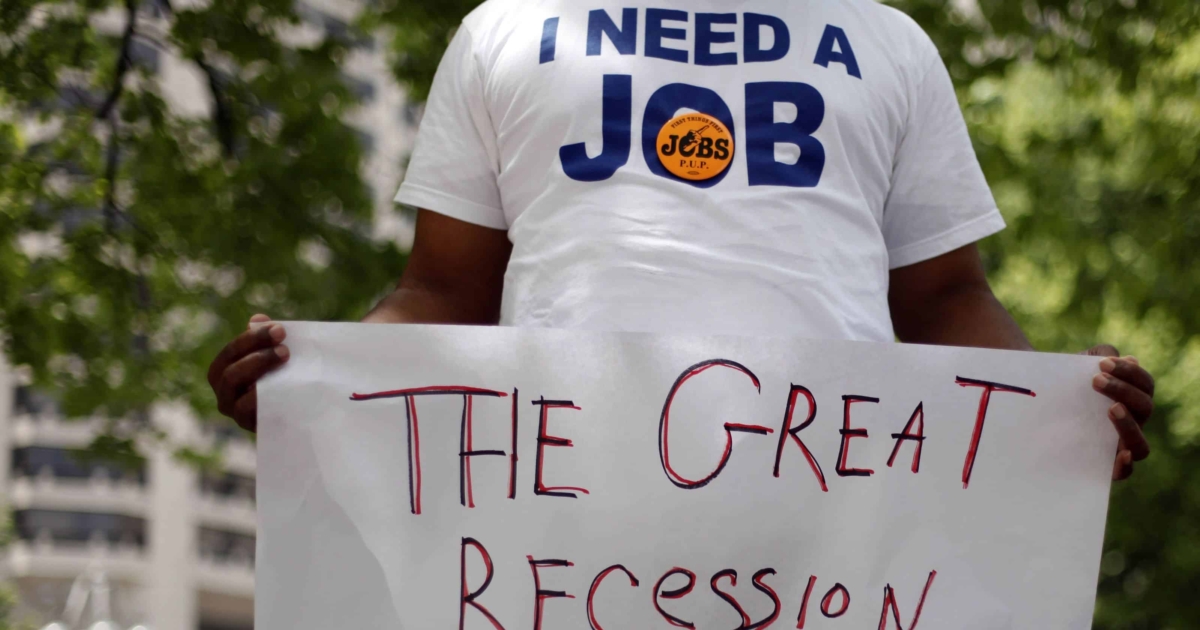
However, in the decades since the Great Recession of 2008, the system has undergone a systematic “race to the bottom.” States have aggressively cut eligibility, reduced the duration of benefits, and lowered the replacement rate of lost wages. The result is a patchwork system that, in many jurisdictions, fails to meet any of its original policy objectives.
The current environment is not merely a temporary lull in hiring; it is a structural shift. With one in three online job postings now estimated to be fraudulent or “ghost jobs,” jobseekers are finding themselves in a demoralizing loop of submitting hundreds of resumes with zero feedback. This environment breeds long-term unemployment, which in turn diminishes labor force participation and creates a drag on the national economy that the current UI system is not configured to mitigate.
A Chronology of Neglect
To understand the current crisis, one must look at the history of UI funding and policy evolution:
- 1980–1996: Bipartisan commissions were convened to assess the efficacy of the UI system. These commissions produced clear, actionable recommendations to improve administrative efficiency and benefit equity. These reports were largely shelved and ignored by successive administrations.
- 2008–2010 (The Great Recession): States began the trend of aggressive benefit cutting to preserve trust fund solvency, marking the start of the “race to the bottom” in UI policy.
- 2020 (The COVID-19 Pandemic): The systemic failure became glaringly obvious. When the economy shuttered, millions of Americans were left without income. The federal government was forced to create three new, temporary programs to fill the gaps in the state-run systems.
- 2022: A House report confirmed that UI agencies were operating at a 50-year low in funding, crippled by decades of under-investment. This left the system relying on antiquated, COBOL-era technology that struggled to process record-breaking claim volumes.
- 2025–2026: Legislative momentum builds. Senators Ron Wyden and Michael Bennet, alongside Congressman Don Beyer, reintroduce comprehensive, bicameral legislation aimed at finally codifying the recommendations made by those long-forgotten commissions of the 1980s and 90s.
Supporting Data: Why Modernization is Urgent
The failure of the current system is not merely anecdotal; it is backed by stark economic data. The decline in UI efficacy coincides with a period of massive under-investment in the "Employment Service"—the division of the Department of Labor tasked with helping people find new work.
- Administrative Debt: Decades of under-funding left state agencies with insufficient staff and outdated software. When the pandemic hit, this “administrative debt” meant that by the time systems were updated to handle new relief programs, they were already being exploited by sophisticated, international criminal syndicates.
- The "Ghost Job" Phenomenon: Recent labor market analysis suggests that nearly 33% of all current job postings on major platforms are fake or not intended to be filled. This phenomenon exacerbates the stress on the unemployed, who spend thousands of hours pursuing non-existent roles.
- Labor Force Participation: The participation rate remains at historic lows. This is not just a result of a lack of motivation, but a lack of structural support. Without an active, well-funded Employment Service to facilitate retraining and job placement, the “friction” between a displaced worker and a new role becomes an impassable barrier.
Official Responses and Legislative Solutions
The legislative path forward is currently defined by the efforts of Senators Wyden and Bennet and Representative Beyer. Their proposed legislation aims to standardize UI benefits across states, preventing the “race to the bottom” and ensuring that workers in every state have access to a baseline of income support.
The proposal includes:
- Federal Minimum Standards: Ensuring that benefit levels and durations do not fall below a standard that allows for basic survival and active job searching.
- Modernized Infrastructure: Mandating investments in digital infrastructure to replace legacy systems, allowing for faster processing and better fraud detection.
- Reinvigorating the Employment Service: Moving beyond simple "check-writing" to provide actual career counseling, training, and placement services through local, brick-and-mortar offices.
Advocates argue that this legislation is the bare minimum required to prepare for the “AI shock.” If the labor market shifts as rapidly as many technologists predict, the current system would face a collapse far more severe than that of 2020.
The Implications: A Crisis of Our Own Making
The implication of inaction is clear: we are choosing to allow millions of Americans to become permanently detached from the workforce. The transition to an AI-driven economy will be painful, but it need not be catastrophic.
If the government waits until the crisis hits—until the unemployment rate spikes due to automation and algorithms—the response will be, as it was in 2020, chaotic and inefficient. Emergency legislation, by its nature, is prone to fraud and implementation errors. By acting now, Congress has the opportunity to build a "resilience-first" system that treats unemployment not as a moral failing of the individual, but as a manageable economic variable.
The history of the UI system is a cautionary tale of "kicking the can down the road." We had the solutions 50 years ago. We have the data today. What remains to be seen is whether the political will exists to transform a decaying, 20th-century safety net into a 21st-century economic foundation.
As Evermore notes, breaking the cycle of crisis-driven policymaking is the most significant challenge facing our economic infrastructure. The cost of reform is high, but the cost of continued neglect—measured in lost livelihoods, increased poverty, and economic stagnation—is one that the American public can no longer afford to pay.
The clock is ticking. The technology is not waiting, and neither should our policy.
