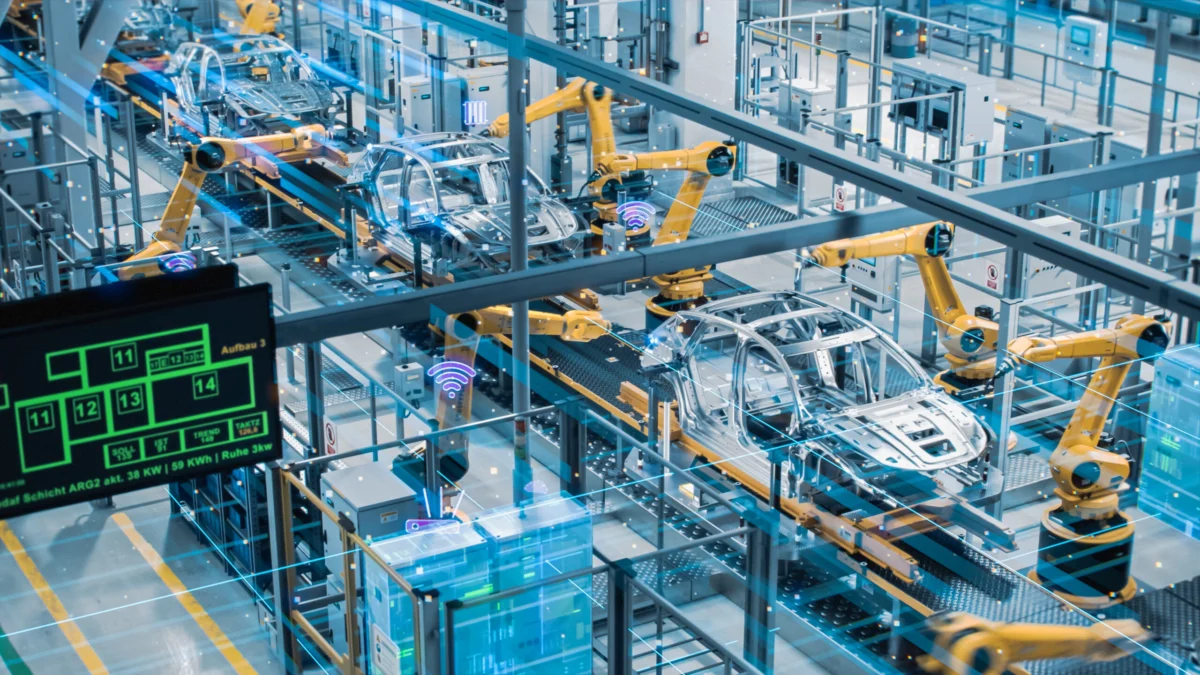





The relentless pursuit of autonomous technology has long been driven by a singular corporate ambition: the decoupling of labor costs from operational efficiency. While much of the public discourse surrounding self-driving technology focuses on robotaxis navigating urban centers or semi-trucks hauling freight across interstate corridors, a quiet revolution is taking hold within the controlled, predictable environments of industrial facilities. General Motors (GM), an automotive titan traditionally focused on passenger and commercial vehicles, has signaled its intent to disrupt the intralogistics sector with a recent patent filing that reimagines the humble forklift as a sophisticated, autonomous robotic unit.
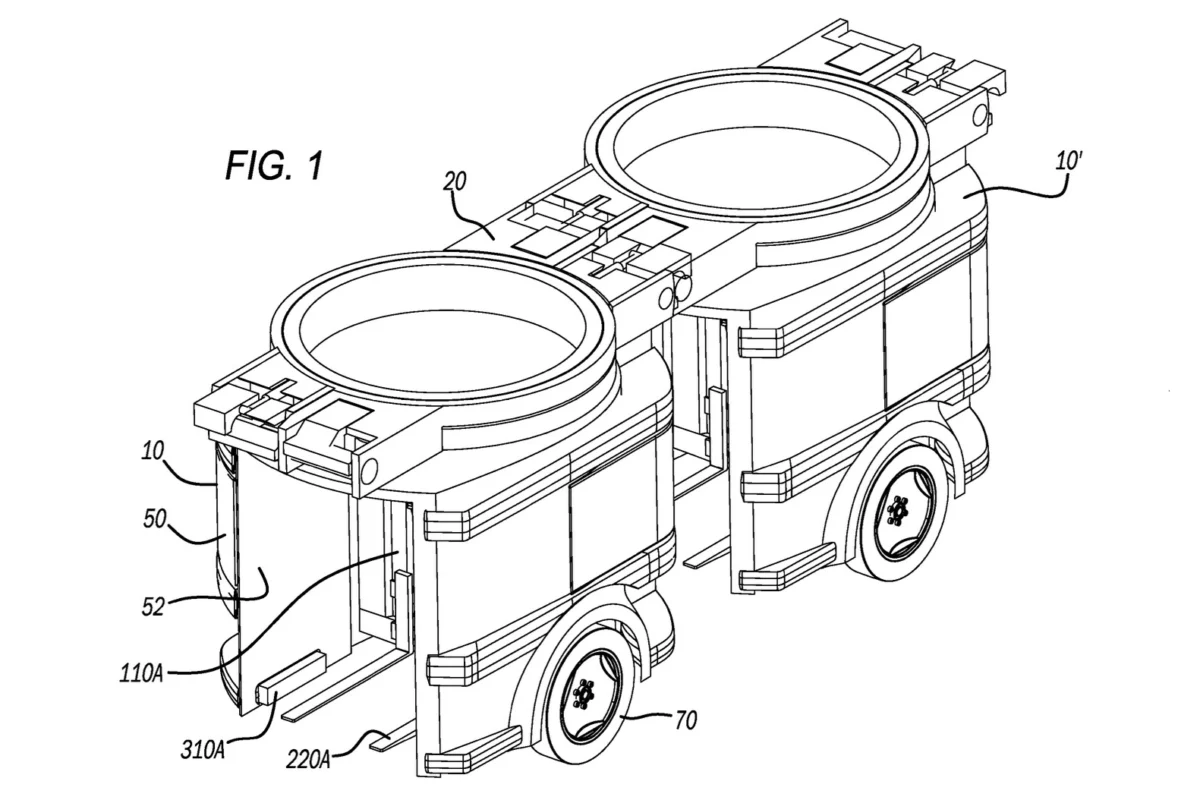
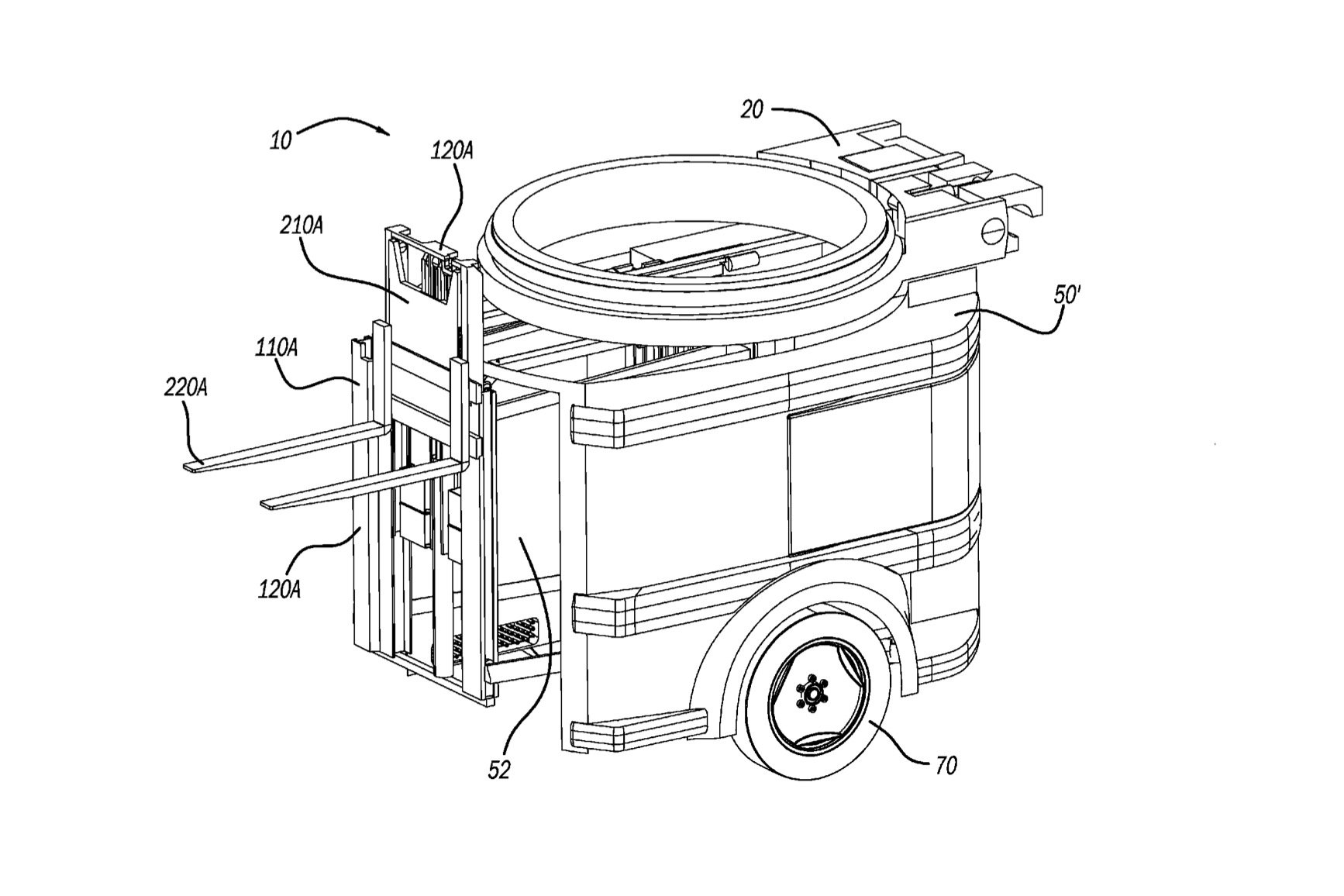
The patent application, published by the United States Patent and Trademark Office (USPTO) on September 17, 2026, describes a specialized "forklift vehicle" devoid of a driver’s cabin. This design pivot marks a departure from traditional warehouse machinery, suggesting a future where material handling is managed by a fleet of intelligent, interconnected machines rather than human operators.
The Evolution of Industrial Automation
The transition from human-operated machinery to autonomous systems has been a slow burn within the manufacturing sector. For decades, factories have utilized Automated Guided Vehicles (AGVs)—machines that follow magnetic strips or laser guidance systems along fixed paths. However, the industry is now moving toward Autonomous Mobile Robots (AMRs), which utilize advanced sensor suites, LiDAR, and real-time processing to navigate dynamic environments.
General Motors’ latest filing represents a significant leap forward in this transition. By removing the driver’s seat, the design achieves a reduction in the physical footprint of the vehicle while simultaneously opening the door to innovative mechanical configurations that were previously impractical for human-operated units.
Key Features of the Proposed Design
- Sleek, Cabin-less Architecture: The removal of the operator’s cab allows for a compact, aerodynamic, and highly maneuverable chassis.
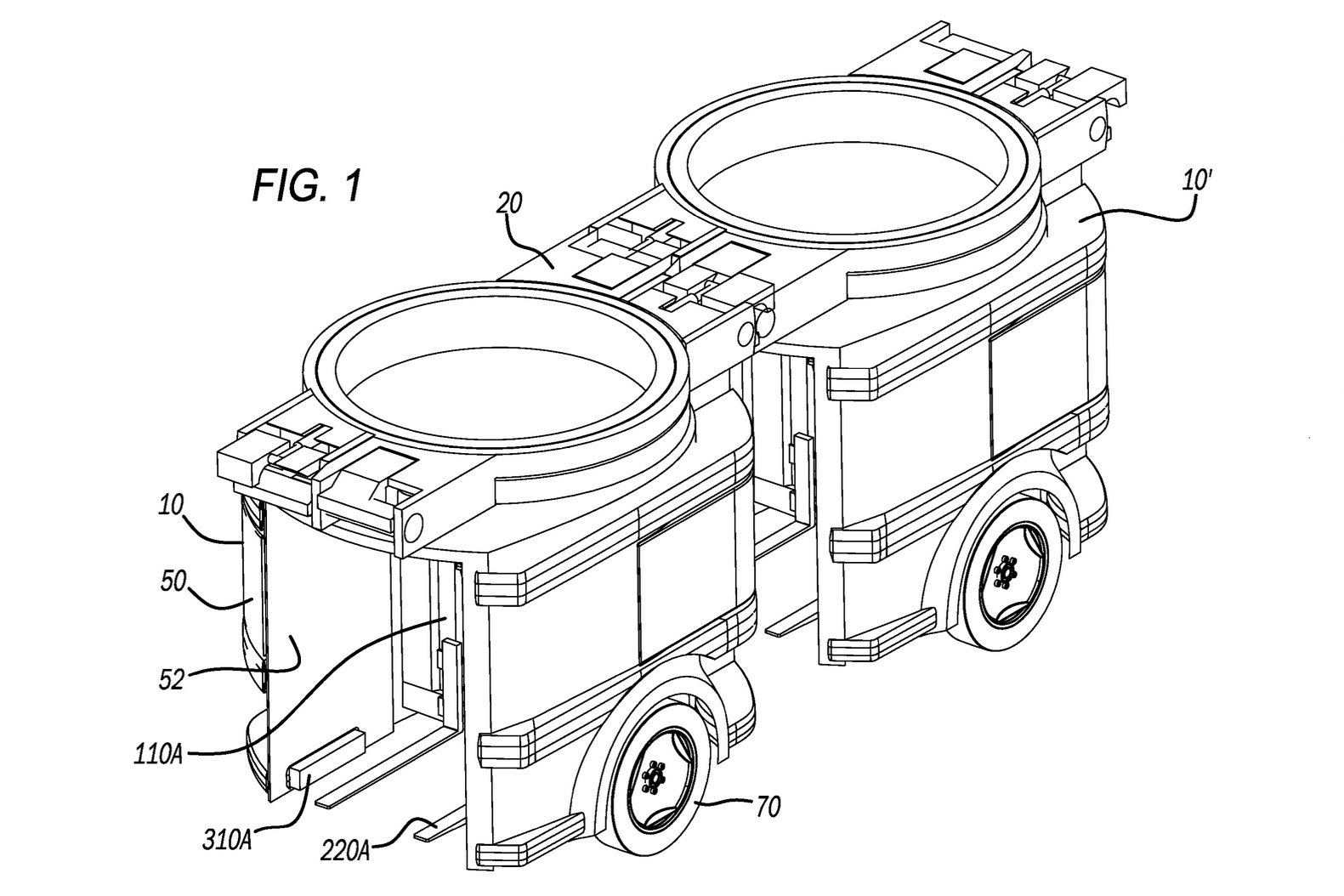
- Modular Coupling Systems: One of the most intriguing elements of the patent is the inclusion of a coupling device located at the rear. This feature allows multiple forklift units to link together, effectively forming a "train" that can move inventory in bulk.
- Dynamic Articulation: The design notes that the coupling mechanism permits connected units to move independently in perpendicular directions. This capability would allow one unit to pivot and retrieve a pallet while the rest of the "train" remains stationary or continues to follow a set path.
- Extended Reach and Secure Handling: The patent outlines specialized arms and clamping hardware designed for enhanced pallet manipulation, ensuring that the autonomous units can handle irregular or unstable loads with a level of precision that mimics, or perhaps exceeds, human dexterity.
- Self-Balancing Hardware: Given the drawings depict a configuration utilizing a single centered axle, the design implies the use of advanced gyroscopic stabilization technology—similar to that found in personal mobility devices like Segways—to maintain equilibrium during high-torque operations.
A Chronology of GM’s Robotic Ambitions
To understand the significance of this patent, one must look at GM’s history of experimenting with logistics-focused technology.
- 2021: The BrightDrop Launch: GM introduced BrightDrop, a brand specifically curated to address the "last-mile" delivery crisis. At the time, the company debuted the EP1, a self-driving, electric cargo pallet designed to assist couriers in moving goods from delivery vans to doorsteps.
- 2023–2025: The Pivot: While BrightDrop’s electric delivery vans (the Zevo 400 and 600) saw successful commercial adoption, the broader brand faced market headwinds. By mid-2026, reports indicated that GM was reevaluating the structure of its commercial operations.
- September 2026: The Patent Publication: The filing of the autonomous forklift patent suggests that while the BrightDrop brand might have been reorganized, the engineering DNA—specifically the autonomous material-handling research—is being recycled and applied to a new, industrial-grade application.
The Economic and Industrial Landscape
The economic argument for autonomous forklifts is compelling for large-scale manufacturers. Warehousing is currently plagued by high turnover rates, safety liability, and the inherent inefficiencies of human-operated machinery.
Comparative Efficiency
According to industry data from the Material Handling Institute (MHI), warehouse automation can reduce operational costs by up to 30% while simultaneously increasing throughput capacity. In a 24/7 manufacturing environment, a fleet of autonomous forklifts would not require shift changes, breaks, or the extensive ergonomic accommodations necessary for human workers.
Furthermore, the integration of these machines into existing factory ecosystems—such as those operated by BMW, Honda, and Toyota—has already proven that small-scale robots can function safely alongside human personnel. The difference here is scale; GM’s patent suggests a system capable of heavy-duty lifting and modular configuration, moving beyond the simple "towing" robots currently popular on factory floors.
Implications for the Workforce
The prospect of autonomous forklifts inevitably raises concerns regarding the displacement of skilled laborers. Forklift operation is a certified trade that requires spatial awareness, safety training, and quick decision-making.
Labor advocates argue that replacing human operators with software and sensors ignores the nuanced problem-solving skills human workers bring to the floor. When a pallet is damaged, or a warehouse floor becomes cluttered with debris, a human operator can quickly adapt. Whether an autonomous system can replicate this "common sense" without constant manual intervention remains the primary hurdle for widespread adoption.
However, proponents of the technology argue that this shift will simply transition workers into higher-level roles. Instead of operating the equipment, humans may become "fleet managers" or "system technicians" responsible for overseeing the performance of dozens of machines simultaneously.
Official Responses and Industry Outlook
As of late 2026, General Motors has not released a formal statement detailing a timeline for a prototype or a commercial rollout of the autonomous forklift. Often, large corporations file patents as a "defensive" measure to secure intellectual property rights in emerging sectors, even if they do not intend to manufacture the product immediately.
Industry analysts remain divided. Some view this as a logical extension of GM’s existing expertise in robotics and electric propulsion. Others see it as a "trial balloon"—a way for the company to gauge interest from logistics partners and major retailers before committing to a full-scale R&D program.
The Future of the Factory Floor
The patent serves as a stark reminder that the "autonomous revolution" is not just coming for our highways; it is already entrenched in our supply chains. If General Motors successfully brings this technology to market, it could catalyze a paradigm shift in how warehouses are designed. Future facilities may no longer need wide aisles designed for human-sized cabins; instead, they could be optimized for compact, automated units that can stack goods higher and tighter than ever before.
As the lines between automotive engineering and industrial robotics continue to blur, General Motors is positioning itself not just as a car manufacturer, but as an architect of the automated logistics systems that will underpin the global economy for the next decade. Whether this specific forklift design ever reaches the factory floor remains to be seen, but the intent is clear: the era of the driverless warehouse is rapidly approaching, and the competition to control that space is only just beginning.
