



By Phil Neuffer | Published October 23, 2026
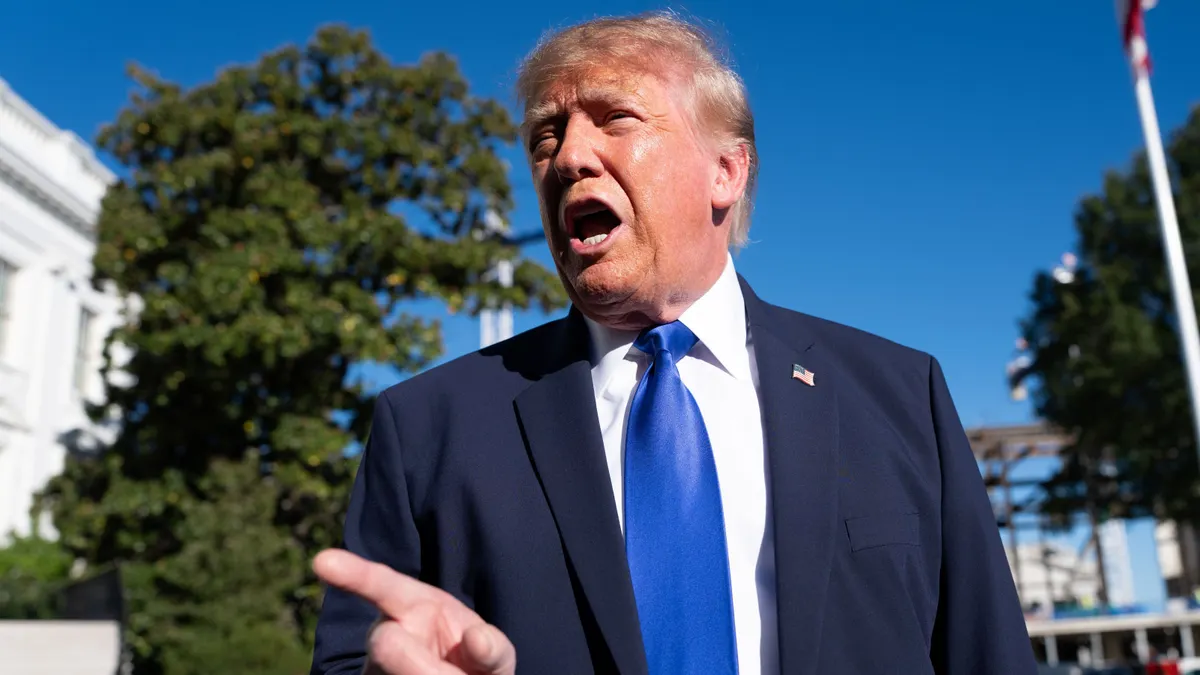
In a significant recalibration of the ongoing trade dispute between the United States and Canada, President Donald Trump has issued a new executive proclamation aimed at narrowing the scope of the aggressive 50% tariffs currently imposed on a wide array of Canadian imports. The adjustment, which takes effect on October 30, marks the latest development in a high-stakes economic standoff that has roiled supply chains, sparked retaliatory measures, and invited intense legal scrutiny.
While the administration is granting a reprieve to specific sectors—most notably plywood, industrial machinery, and certain packaging materials—the proclamation simultaneously widens the net for other commodities. As of late October, goods such as cocoa powder, specialized carpets, and air conditioning units will now fall under the 50% duty umbrella, signaling that while the administration is willing to prune the tariff list, its commitment to the broader trade offensive remains undiminished.
The Chronology of a Trade War
The current trade friction is the culmination of months of deteriorating diplomatic and commercial relations. The roots of the conflict trace back to mid-2026, when the White House first signaled its intent to utilize Section 338 of the Trade Act of 1930.
- July 2026: President Trump initially ordered the 50% tariffs, targeting approximately $20 billion in Canadian imports. The administration cited alleged Canadian "discrimination" against U.S. commerce, specifically pointing to tariffs and quotas on U.S. automotive imports, the halting of American alcohol imports, and restrictive tariff-rate quotas on dairy products.
- August 2026: Following a breakdown in negotiations, Canadian Prime Minister Mark Carney formally withdrew from trade talks. With diplomatic avenues exhausted, the U.S. levies went into effect, marking a dramatic escalation in North American trade policy.
- September 2026: Canada responded in kind, implementing a series of retaliatory tariffs matching the 50% rate on selected U.S. exports. In response to this defiance, President Trump expanded the scope of the U.S. tariffs and introduced targeted import bans on specific luxury and consumer goods, including specialty cheeses, boats, and furniture.
- October 2026: The current "rebalancing" phase begins. The administration claims the new adjustments are based on feedback from senior executive branch officials who argued that the revised list would maintain pressure on Canada while mitigating some of the collateral damage to U.S. industries that rely on Canadian raw materials.
Understanding the Legal Basis: Section 338
At the heart of this dispute is Section 338 of the Trade Act of 1930. This statute provides the executive branch with broad authority to impose duties of up to 50% on articles imported from countries that the president determines are discriminating against U.S. commerce.
For the Trump administration, the statute serves as a blunt instrument to correct perceived imbalances in the North American trade relationship. However, the legal application of this statute has become a flashpoint for critics. Legal scholars and industry trade groups argue that the use of a 1930s-era law in the modern, highly integrated North American supply chain is legally precarious, particularly given the subsequent passage of newer trade legislation that may supersede or constrain such broad presidential discretion.
Legal Challenges and Judicial Hurdles
The administration’s trade strategy is currently being tested in the Court of International Trade. Earlier this week, the Liberty Justice Center—representing the food importing company Gellert Global Group—filed a landmark lawsuit challenging the legality of the tariffs.
The plaintiffs argue that the President failed to meet the specific evidentiary requirements mandated by Section 338 to justify such severe duties. Furthermore, the suit contends that the administration’s actions ignore modern trade frameworks, suggesting that the executive branch has exceeded its constitutional authority. The legal challenge seeks not only an immediate injunction to halt the collection of these tariffs but also a mandate for the federal government to issue refunds to importers who have been forced to pay the 50% premiums since the policy’s inception.
Industry analysts are watching the court case closely. Should the judiciary rule against the administration, it could force a rapid unwinding of the current tariff regime, potentially creating a chaotic transition period for retailers and manufacturers who have already priced these tariffs into their long-term contracts.
Implications for the Supply Chain
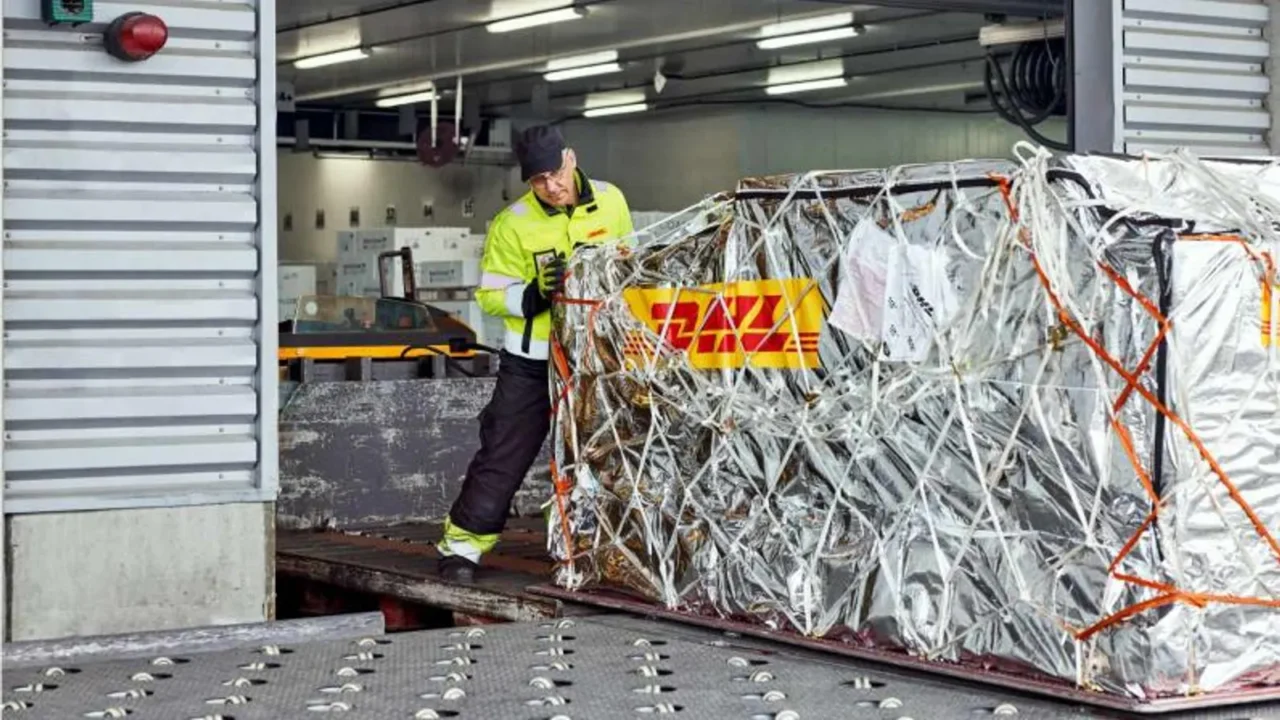
The impact of the ongoing trade war is being felt across multiple sectors, creating a "wait-and-see" environment for procurement managers and logistics coordinators.

1. Manufacturing and Raw Materials
The decision to remove plywood and specific industrial machinery from the tariff list provides a temporary sigh of relief for the U.S. construction and manufacturing sectors. For months, these industries have faced skyrocketing costs, forcing them to either absorb the expenses—thereby squeezing margins—or pass them along to the end consumer, contributing to inflationary pressures in the housing and automotive markets.
2. Retail and Consumer Goods
Conversely, the addition of items like air conditioners and cocoa powder to the tariff list will likely impact consumer pricing. Retailers reliant on these imports will be forced to renegotiate supply contracts or seek alternative sourcing, a process that is often time-consuming and costly given the logistical integration of the U.S. and Canadian markets.
3. Logistical Uncertainty
The "back-and-forth" nature of the tariff list—where goods are added and removed with little lead time—is arguably as damaging as the tariffs themselves. Businesses rely on predictability to manage inventory and capital expenditures. By constantly shifting the goalposts, the administration has created a climate where long-term planning is nearly impossible for companies with high exposure to Canadian imports.
Official Responses and Perspectives
The White House maintains that these tariffs are a necessary "corrective measure." In his latest proclamation, President Trump emphasized that the adjustments were made after careful consideration of the "public interest." The administration’s stance remains that Canada has systematically disadvantaged American businesses, and that the 50% tariff is the only tool sufficiently powerful to force a change in Canadian trade behavior.
Conversely, Canadian officials have consistently characterized the U.S. measures as "unwarranted and retaliatory." Prime Minister Carney’s administration has signaled a willingness to stay the course, maintaining that Canada will not be coerced into unfavorable trade terms through unilateral tariffs. The impasse suggests that while the tariff list may shift, a comprehensive resolution to the underlying trade disputes remains elusive.

Future Outlook: A Tense Standstill
As the October 30 deadline approaches, companies are scrambling to adjust their supply chain models to reflect the latest changes. The broader economic outlook for North American trade remains clouded by the dual pressures of legal intervention and persistent diplomatic friction.
Experts suggest that unless a bilateral breakthrough occurs, the trade war may settle into a "new normal" characterized by frequent, smaller-scale adjustments to tariff lists. This would leave businesses in a state of perpetual adaptation. Furthermore, the outcome of the lawsuit in the Court of International Trade looms large; a victory for the plaintiffs could set a precedent that restricts the executive branch’s ability to use historical trade statutes for contemporary geopolitical ends.
For now, the message from the White House is clear: the tariff regime is not a static policy but a dynamic, evolving tool of economic statecraft. For the businesses caught in the crossfire, the coming weeks will require intense vigilance and a renewed focus on supply chain resilience. As the U.S. and Canada remain locked in this cycle of action and reaction, the only certainty is that the landscape of North American commerce is undergoing its most significant transformation in decades.
