



By Luke Martin, Skift Hospitality Reporter
October 27, 2026
For decades, the hospitality industry has defined itself by physical assets: real estate, room count, and the quality of the pillows. However, as the travel landscape shifts toward an AI-integrated ecosystem, Hilton Worldwide Holdings is orchestrating a fundamental identity shift. Under the leadership of CEO Christopher Nassetta, the hotel giant is moving away from the traditional image of a brick-and-mortar operator and toward a vision defined by a singular, ambitious mantra: "people-led, tech-powered."
This transformation is no mere rebranding exercise. It is a strategic pivot evidenced by a flurry of high-profile executive hires, a major migration of its stock listing, and a concerted effort to weave its inventory into the emerging fabric of the AI-driven travel economy.
The Main Facts: A Convergence of Finance and Code
The recent flurry of activity at Hilton headquarters underscores a new operational philosophy. In October 2026, Hilton made three distinct moves that signaled to Wall Street and the travel sector alike that its future is inextricably linked to digital innovation:
- Executive Leadership Overhaul: Hilton appointed Jeff Moore as its new Chief Technology Officer. Moore arrives from Uber, where he managed a massive global engineering organization of 2,500 personnel. His mandate is clear: scale Hilton’s digital infrastructure to match the agility of a technology platform.
- The Nasdaq Migration: Hilton announced it will transfer its stock listing from the New York Stock Exchange (NYSE) to the Nasdaq. While the company insists the move will not impact daily operations, the symbolic weight is heavy. The Nasdaq is the traditional home of the "Big Tech" giants—Apple, Microsoft, and Nvidia. By aligning with this index, Hilton is signaling to institutional investors that it should be valued more like a scalable tech platform than a traditional hotel firm.
- AI Agent Integration: Hilton has confirmed that its booking and inventory systems are now fully compatible with the rapidly proliferating ecosystem of AI travel agents. Rather than fighting for traffic on traditional search engines, Hilton is ensuring its properties are "plugged in" to the predictive, conversational interfaces that consumers are increasingly using to plan and book trips.
Chronology of a Corporate Evolution
The path to this "tech-powered" strategy has been incremental, moving from backend optimization to a front-facing digital revolution.
- 2023-2024: Hilton prioritized the expansion of its digital key and app-based guest experience, focusing on reducing friction in check-in and loyalty program management.
- Early 2026: The company began intensive pilot programs testing generative AI in customer service interactions, focusing on personalized recommendations for its 200 million-plus Hilton Honors members.
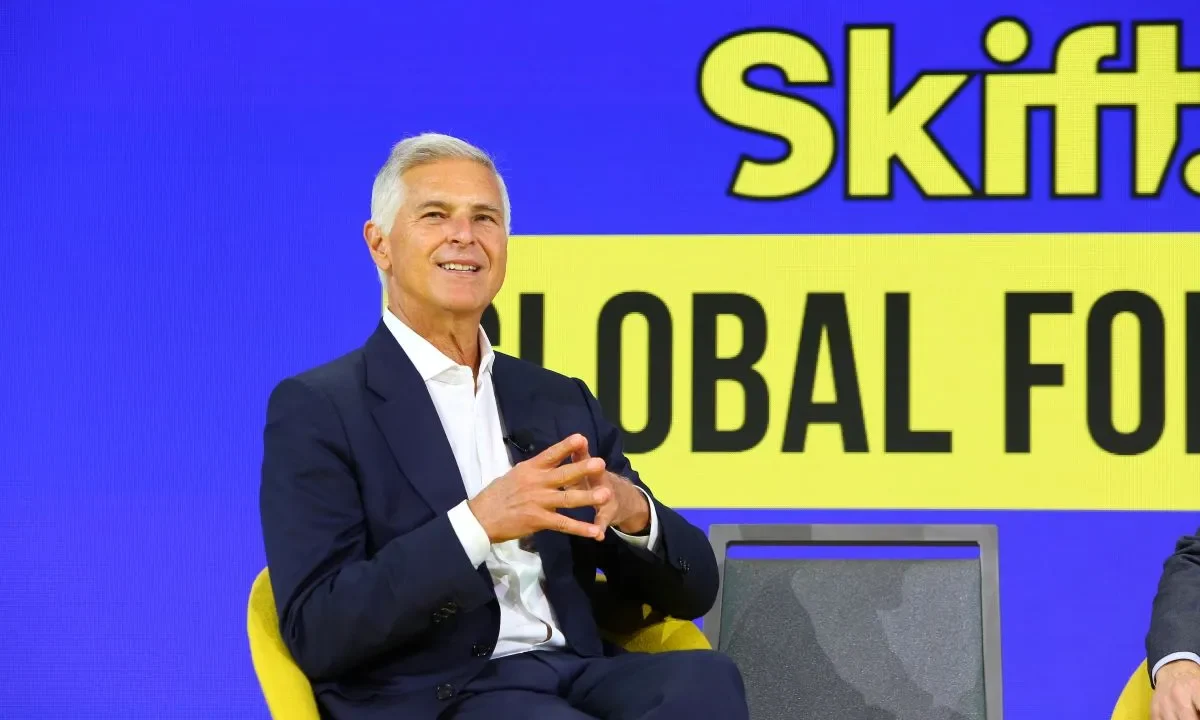
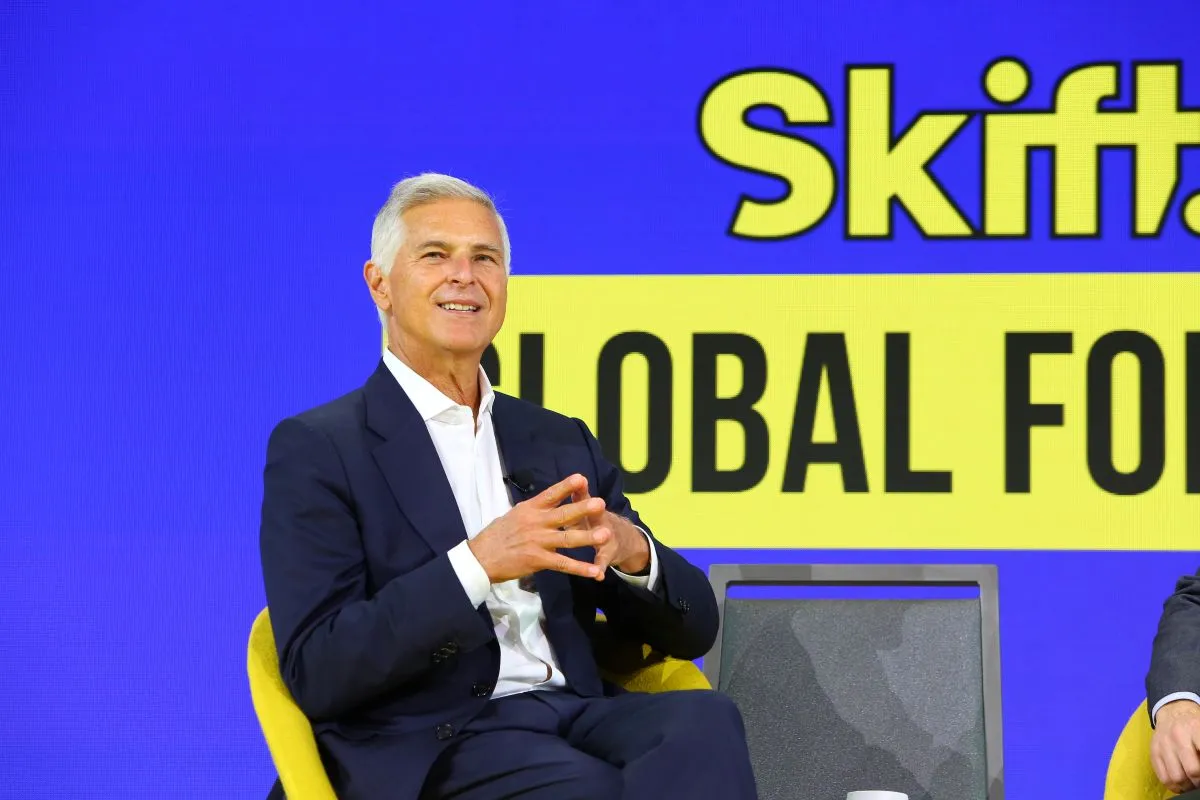
- September 2026: During the Skift Global Forum in New York City, CEO Christopher Nassetta provided a preview of this strategy, emphasizing that the human element of hospitality—the "people-led" side—requires a sophisticated tech backbone to scale effectively.
- October 2026: The hiring of Jeff Moore signaled the start of a "tech-first" hiring wave. Shortly thereafter, the Nasdaq announcement cemented the company’s intent to court a tech-savvy investor base.
Supporting Data: Why the Shift Matters
The hospitality industry is currently grappling with a "distribution dilemma." As AI agents and large language models (LLMs) begin to handle the heavy lifting of trip planning, hotel brands risk being sidelined if they do not provide clean, accessible, and real-time data to these models.
Hilton’s data suggests that its digital transformation is already yielding results. In its Q3 2026 earnings call, executives noted that direct bookings through digital channels reached record highs, significantly lowering customer acquisition costs compared to traditional Online Travel Agency (OTA) commissions.
Furthermore, the integration of AI is expected to streamline revenue management. By using predictive analytics, Hilton is moving toward a model of "hyper-dynamic pricing," where inventory is adjusted not just based on historical seasonality, but on real-time global events, weather patterns, and individual guest preferences processed by AI agents. The goal is to maximize Revenue Per Available Room (RevPAR) while minimizing the need for manual intervention by property managers.
Official Responses and Executive Strategy
During the October third-quarter earnings call, Christopher Nassetta was explicit about why Hilton is courting the Nasdaq. "The Nasdaq is home to the world’s most innovative companies," Nassetta stated. "We are building a platform that provides hospitality, but our foundation is becoming increasingly digital. We need our investors to understand that our scale, combined with our tech stack, provides a competitive moat that is as much about software as it is about square footage."

The hiring of Jeff Moore is seen as the catalyst for this shift. Moore’s background at Uber is particularly telling. At Uber, the focus was on the "marketplace"—matching supply (drivers) with demand (riders) in milliseconds. Hilton intends to apply this same logic to its global portfolio. By digitizing its inventory and optimizing its "matching" algorithms, Hilton hopes to reduce the "friction of the stay," turning a hotel room from a static asset into a service-enabled digital product.
Implications: The Future of Hospitality
The implications of this shift are profound for both the industry and the consumer.
For the Industry
Hilton’s pivot forces a "keep up or fall behind" scenario for competitors like Marriott and IHG. If Hilton successfully captures the "AI Agent market"—ensuring that when a user asks an AI assistant to "book me a business-friendly room in London," the system defaults to a Hilton property—it creates a significant competitive barrier. Smaller, less digitally mature hotel groups may find themselves forced to rely on legacy OTAs, paying higher commissions while their brand equity is diluted by the aggregator’s interface.
For the Consumer
For the guest, the "people-led, tech-powered" mantra promises a more seamless experience. Theoretically, a "tech-powered" Hilton will know exactly what a guest needs before they arrive, thanks to AI agents that store preferences and sync with personal calendars. However, this also raises questions about data privacy and the potential for a "cold" guest experience. The challenge for Nassetta will be to ensure that the tech acts as a concierge, not a replacement for the hospitality that made the Hilton brand famous in the first place.
For Investors
The Nasdaq listing is a masterclass in market signaling. By seeking a valuation multiple that aligns with software-as-a-service (SaaS) companies rather than real estate investment trusts (REITs), Hilton is betting that its digital efficiency will provide higher margins in the long run. If investors buy into this vision, Hilton could see a valuation expansion that separates it from the rest of the hotel sector.
Conclusion: A New Era for Hilton
As 2026 draws to a close, Hilton is positioning itself at the intersection of hospitality and software. The transition from a traditional hotel operator to a "tech-powered" platform is ambitious, but it reflects the reality of the modern traveler.
In a world where AI agents serve as the primary gateway to travel, Hilton has decided that it does not want to be a bystander. By investing in top-tier engineering talent, aligning with the tech-heavy Nasdaq, and aggressively integrating with AI infrastructure, the company is proving that in the future of hospitality, the most important asset may not be the bed itself, but the code that brings the guest to it.
Whether this transition will result in a truly "people-led" experience remains to be seen, but one thing is certain: Hilton is no longer just selling rooms. It is selling a platform, and it is doing so with the speed and precision of a tech company.
