



The technology landscape is currently undergoing a period of intense structural shift, defined by the convergence of massive capital expenditure in artificial intelligence, the physical limitations of our electrical infrastructure, and an increasingly ambitious desire to technologically optimize the human biological experience. As the industry recalibrates, the spotlight has turned toward Anthropic’s blockbuster IPO—a move that may well serve as the ultimate litmus test for the sustainability of the AI investment boom.
The Anthropic IPO: A Corporate Identity Crisis
After weeks of industry speculation, Anthropic has officially filed its IPO prospectus, offering the public a 335-page window into the soul of one of the world’s most secretive and influential AI firms. However, the document does more than provide financial data; it highlights the profound tension between the company’s carefully curated persona and the harsh realities of the current tech market.
Main Facts and Narrative Friction
Anthropic has long positioned itself as a "safety-first" organization, a narrative that distinguishes it from the rapid-deployment culture of competitors like OpenAI. Yet, the prospectus reveals a company juggling three distinct, often conflicting identities: a guardian of AI safety, a profit-driven enterprise, and a pioneer obsessed with creating superhuman intelligence.
Financial disclosures within the filing reveal a dichotomy that is becoming common among AI giants: soaring revenues matched by staggering, high-burn operational losses. The company has explicitly warned investors of the "catastrophic risks" associated with its technology, while simultaneously disclosing a month-long pause in training cycles—an admission of security vulnerabilities that underscores the difficulty of maintaining safety protocols while racing to scale.
Implications for the AI Boom
The IPO acts as a bellwether for the broader AI sector. Should the offering falter, it could trigger a "tech reset," forcing a reevaluation of the multi-billion-dollar investments currently sustaining the AI gold rush. With founders maintaining voting control, the company is attempting to insulate its long-term vision from short-term market pressures, but in doing so, it risks alienating institutional investors who are increasingly demanding a clear path to profitability rather than just potential.
Chronology: A Week of Tech Disruption
The current week has been marked by a series of events that illustrate how quickly the technological ground is shifting:
- October 21: MIT Technology Review publishes deep dives into the feasibility of "exercise pills," exploring how molecular biology might soon replicate the health benefits of physical activity for those with chronic illnesses.
- October 23: Global reports highlight that solar energy is officially overtaking nuclear power as a primary global source, driven by the plummeting costs of photovoltaic panels and battery storage.
- October 26: Anthropic files its IPO prospectus. Simultaneously, Microsoft announces a massive buyout program, offering exit packages to 25% of its staff—roughly 60,000 employees—as the company pivots its resources toward its $190 billion annual AI spending commitment.
- October 26: Investigative reports reveal that the plastics industry has been aware of the health risks of microplastics since 1974, fueling a new wave of environmental policy scrutiny.
- October 26: OpenAI announces a series of scientific breakthroughs in mathematics and physics, signaling an shift toward using AI as an engine for fundamental scientific discovery.
Supporting Data: Infrastructure and Sustainability
The AI revolution is not happening in a vacuum; it is heavily dependent on physical resources that are currently under strain.
Powering the Future Grid
The explosion of data centers required to train models like those built by Anthropic is placing an unprecedented load on the US electrical grid. The existing infrastructure, particularly the century-old transformer designs currently in use, is ill-equipped for this demand. Transformers—the devices that step voltage up or down for transmission—are in short supply and prone to energy loss.
Research into solid-state transformers represents the next frontier in infrastructure modernization. By replacing legacy magnetic cores with power electronics, these devices can manage electricity flow with far greater efficiency. While the technology is still in the developmental phase, its deployment is becoming a prerequisite for the viability of the AI era.
Solar’s Quiet Ascendancy
Data confirms that the transition to renewable energy is moving faster than anticipated. Solar energy has transitioned from a niche alternative to a dominant global player. This shift is not merely large-scale; it is granular. The rise of "balcony solar" and residential-scale storage is decentralizing the grid, providing a buffer against the rising energy costs associated with data center expansion.

Official Responses and Industry Sentiment
The tension between corporate ambition and public interest is perhaps best captured by the discourse surrounding AI safety.
Kate Brennan, who leads policy at the AI Now Institute, recently noted the insufficiency of voluntary industry pledges. "It’s as if they’re making a promise and crossing their fingers behind their backs," she remarked regarding the regulatory stance of major AI labs. This sentiment is shared by many in the policy community, who argue that the current self-regulatory frameworks are "toothless" and designed more for public relations than for genuine risk mitigation.
Furthermore, internal dissent is growing. At Boston Dynamics, hundreds of employees have publicly protested the company’s decision to pursue contracts with U.S. Immigration and Customs Enforcement (ICE), calling for a permanent halt to the sale of their robot dogs for law enforcement purposes. This reflects a broader trend of "tech-worker activism," where employees are increasingly willing to challenge executive leadership on the ethical deployment of their products.
Implications: The Search for a New Equilibrium
The next twelve months will be defined by three critical trends that emerged this week:
1. The Financial Reckoning
The Anthropic IPO will determine whether the public markets are willing to subsidize the immense compute costs required for frontier AI models. If the market demands immediate fiscal discipline, we may see a deceleration in the development of increasingly large models, as companies pivot toward efficiency over raw scale.
2. Biological Optimization
The pursuit of "exercise in a pill" is a profound example of how technology is attempting to bypass human limitations. While the goal is humanitarian—to assist the frail and the disabled—the implications for a society that is increasingly looking for "shortcuts" to health are vast. It raises fundamental questions about the definition of wellness and the potential for synthetic biology to alter the human condition.
3. The Myth of Genetic Destiny
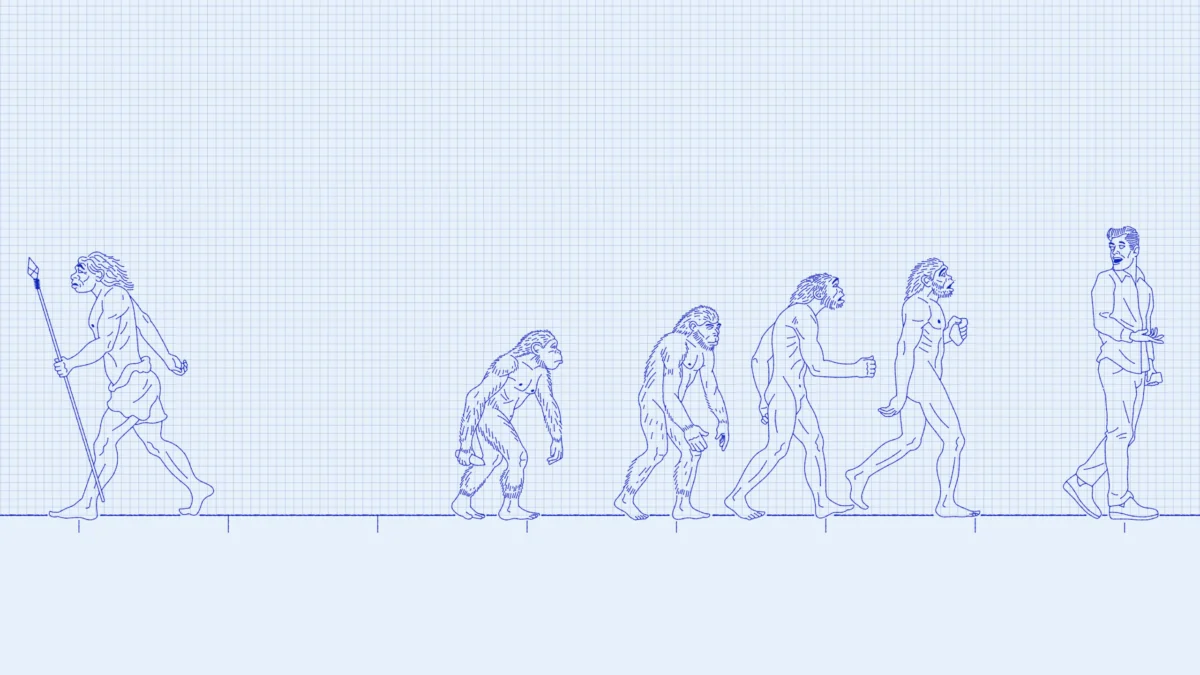
Recent scholarship questioning the "inner Neanderthal" theory serves as a cautionary tale for the tech industry. Just as researchers once misinterpreted genetic data, the current AI boom is built on interpretations of data that may be flawed or incomplete. The French geneticists’ proposal—that population structure, not interbreeding, explains our genetic profile—reminds us that complex systems often have simple, misunderstood explanations.
Conclusion: A Turning Point
We are moving beyond the hype cycle of the early 2020s and into a phase of institutionalization. From the boardroom of Anthropic to the assembly lines of solid-state transformer manufacturers, the focus is shifting from "what can we build?" to "how can we sustain what we have built?"
The coming year will test the durability of these innovations. Whether it is the financial stability of AI firms, the capacity of our power grids, or the ethical guardrails surrounding autonomous systems, the tech industry is no longer in a period of experimentation—it is in a period of consequences. The "mask" that Anthropic and its peers have worn is beginning to slip, and what lies underneath will define the trajectory of global technology for the next decade.
As we look toward the future, the primary challenge for developers and policymakers alike will be to ensure that the rapid pace of innovation does not outstrip our ability to govern, power, and safely integrate these technologies into the bedrock of society. The "impossible" is rapidly becoming the "inevitable," and the world is currently deciding whether that transition will be a bridge to a better future or a collapse of the current infrastructure.
