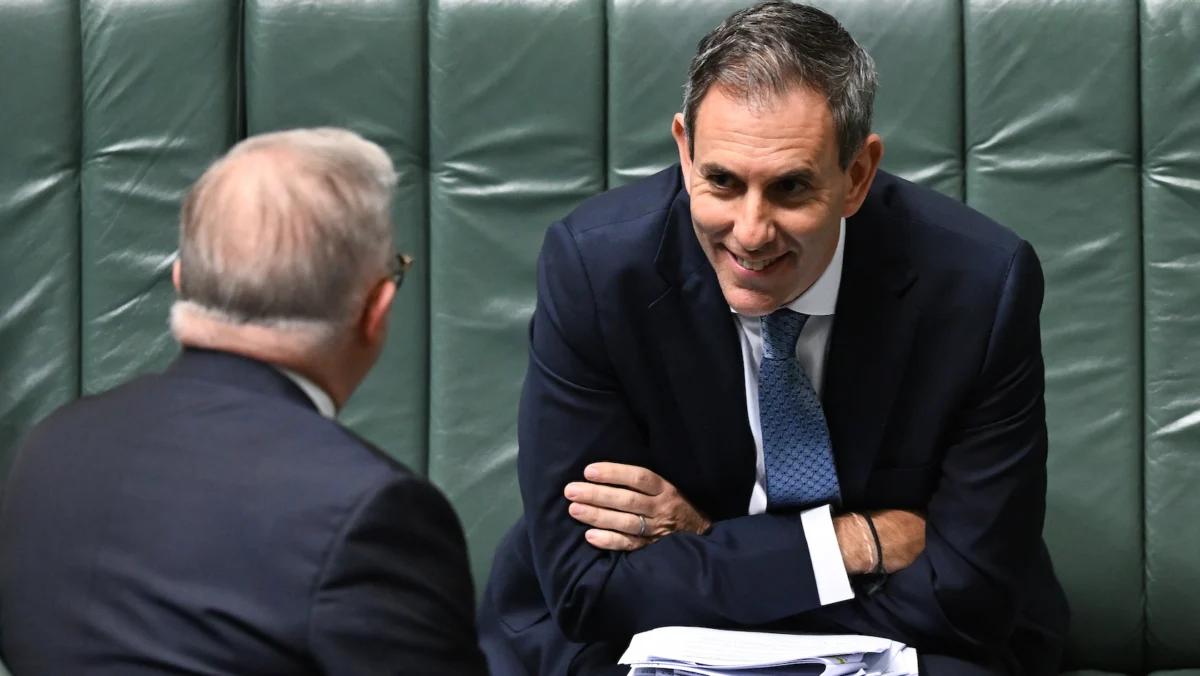





The Australian startup ecosystem is currently navigating a period of intense legislative flux. Following months of industry-wide anxiety, the Albanese government has officially tabled the Treasury Laws Amendment (Tax Reform No. 4) Bill 2026. This landmark legislation, introduced to Parliament this week by Treasurer Jim Chalmers, represents a significant recalibration of the government’s approach to venture capital and innovation funding.
While the government has made notable concessions—lowering innovation thresholds and providing a clearer pathway for existing shareholders—the tech sector remains cautious. As the Bill heads to the Senate, the prospect of aggressive "horse-trading" by crossbenchers and the opposition suggests that the final form of these tax laws remains far from certain.
The Core of the Reform: Easing the CGT Burden
The primary objective of the new legislation is to provide more flexible Capital Gains Tax (CGT) relief for startups. In the wake of the May 2026 budget, which initially drew sharp criticism for its restrictive definitions of "innovation," the government has returned to the drawing board.
Under the updated provisions, the government has lowered the innovation activity thresholds required for startups to qualify for tax concessions. By broadening the scope of what constitutes an "innovative" enterprise, the Treasury hopes to capture a wider array of high-growth companies that were previously excluded by rigid technical criteria.
Perhaps most critically, the legislation introduces a new mechanism designed to protect existing shareholders as companies mature. In the past, the transition from a startup to a scale-up often triggered tax events that penalized early-stage investors and founders. The new "safety valve" provisions allow for greater flexibility in equity structures, ensuring that the dilution of ownership during funding rounds does not inadvertently strip shareholders of their tax-concession status.
A Chronology of Conflict: From Budget to Bill
The journey to the current iteration of the Tax Reform No. 4 Bill has been defined by a cycle of policy announcement, industry backlash, and reactive consultation.
- May 2026 (The Budget): Treasurer Jim Chalmers announces a suite of tax changes aimed at streamlining startup investment. The initial reaction from the tech sector is one of alarm, with industry bodies arguing that the proposed definitions of "innovation" are too narrow to be effective in a modern, AI-driven economy.
- June–August 2026 (First Consultation): The government initiates a series of roundtable discussions. Stakeholders highlight that the proposed R&D tax incentive changes would inadvertently stifle long-term research projects.
- September 2026 (Second Consultation): Recognizing the political and economic pressure, the Treasury opens a second round of feedback, focusing specifically on the unintended consequences of the proposed CGT frameworks.
- October 2026 (Introduction to Parliament): The government tables the final version of the Bill, incorporating several "smart" adjustments to satisfy vocal critics.
- The Road Ahead: The Bill now faces the Senate floor, where the Albanese government—lacking a clear majority—must negotiate with the Greens and independent senators to pass the legislation.
Supporting Data: The Balancing Act
The government’s rationale for these reforms rests on a desire to balance fiscal responsibility with the need for a robust innovation sector. Australia’s venture capital market has matured significantly over the last decade, yet domestic investment continues to lag behind global leaders in terms of R&D intensity.
According to data presented by industry groups during the consultation phase, the "innovation threshold" in the original proposal would have disqualified nearly 40% of early-stage SaaS (Software as a Service) startups. The revision to these thresholds is projected to bring that number back into the fold, potentially unlocking hundreds of millions of dollars in previously sidelined investment capital.
However, these gains are countered by the government’s concurrent focus on tightening R&D tax incentives. The Treasury argues that the R&D incentive system has been prone to "rorting," with some firms claiming rebates for projects that lack genuine scientific or technological novelty. The industry, conversely, argues that these "cuts" are a blunt instrument that will discourage companies from pursuing high-risk, high-reward research.
Official Responses and Political Posturing
Treasurer Jim Chalmers has positioned the Bill as a "sensible evolution" of Australia’s tax code. In his address to Parliament, the Treasurer emphasized that the government has "listened and learned" from the startup community. "We are committed to fostering a culture of innovation," Chalmers stated, "but we must ensure that the tax system remains sustainable for all Australians."
The response from the startup sector has been a mix of relief and lingering apprehension. While industry leaders have welcomed the relaxation of CGT rules, the "bite" of the R&D changes remains a point of contention.
"It’s a step in the right direction," noted one prominent venture capitalist. "But it’s like giving someone a band-aid while still holding a scalpel to their R&D budget. We need to ensure that the final legislation doesn’t just protect the exit of the investor, but also the survival of the innovator."
Opposition figures have signaled that they intend to challenge several aspects of the bill, particularly those related to the R&D tax incentive. Meanwhile, crossbench senators are expected to use their leverage to push for additional protections for regional startups and a more inclusive definition of "green tech" ventures.
Implications: The Long-Term Outlook
The implications of the Treasury Laws Amendment (Tax Reform No. 4) Bill are profound. If passed in its current form, it will fundamentally alter the investment landscape for Australia’s startup ecosystem.
1. The Maturity of the Ecosystem
By simplifying the CGT process and providing protections for existing shareholders, the government is signaling that it views startups not just as hobbyists, but as the engine room of the future economy. This professionalization of the sector is a necessary step for attracting more institutional capital—such as superannuation funds—into the venture capital space.
2. The Risk of Regulatory Drift
The primary danger lies in the complexity of the "innovation activity" definitions. If these definitions remain subject to frequent interpretation by the Australian Taxation Office (ATO), startups may find themselves trapped in years of litigation rather than focused on product development. The "smarter" approach promised by the government must be backed by clear, predictable, and administrative-friendly guidelines.
3. Senate Horse-Trading
The final outcome will be decided in the Senate. Investors and founders should be prepared for significant last-minute amendments. It is common for such legislation to be used as a bargaining chip for unrelated political agendas. The uncertainty inherent in this process is currently causing a "wait-and-see" approach among some angel investors, which may temporarily dampen investment activity in the short term.
Conclusion
The Albanese government has successfully moved the goalposts in a way that benefits the startup community, yet the broader context of fiscal consolidation ensures that the sector remains on high alert. The Treasury Laws Amendment (Tax Reform No. 4) Bill is a complex piece of legislation that reflects the inherent tension between rewarding entrepreneurial risk and protecting the national treasury.
As the Bill moves through the parliamentary process, the focus for the tech industry must remain on lobbying for a stable, long-term regulatory environment. Whether this legislation proves to be a catalyst for growth or a source of ongoing administrative friction will depend on the final compromises struck on the Senate floor. For now, the startup community—ever resilient—remains poised, waiting to see if these "smarter" rules will provide the stability needed to build the next generation of Australian unicorns.
