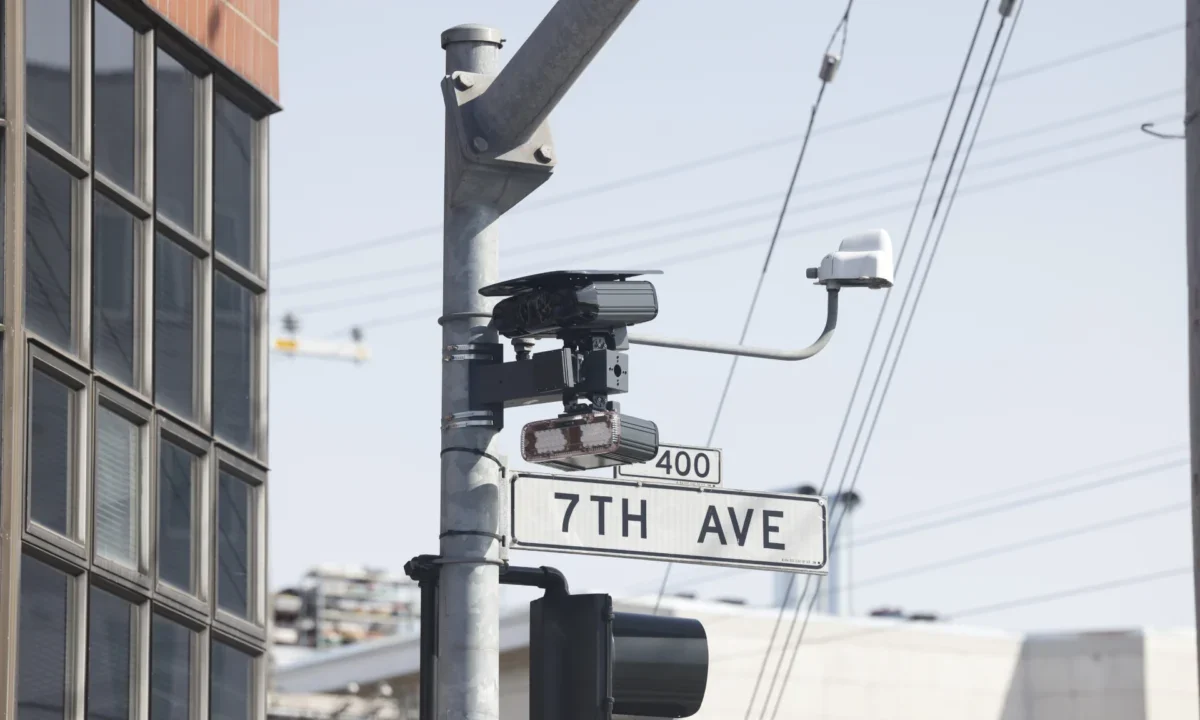




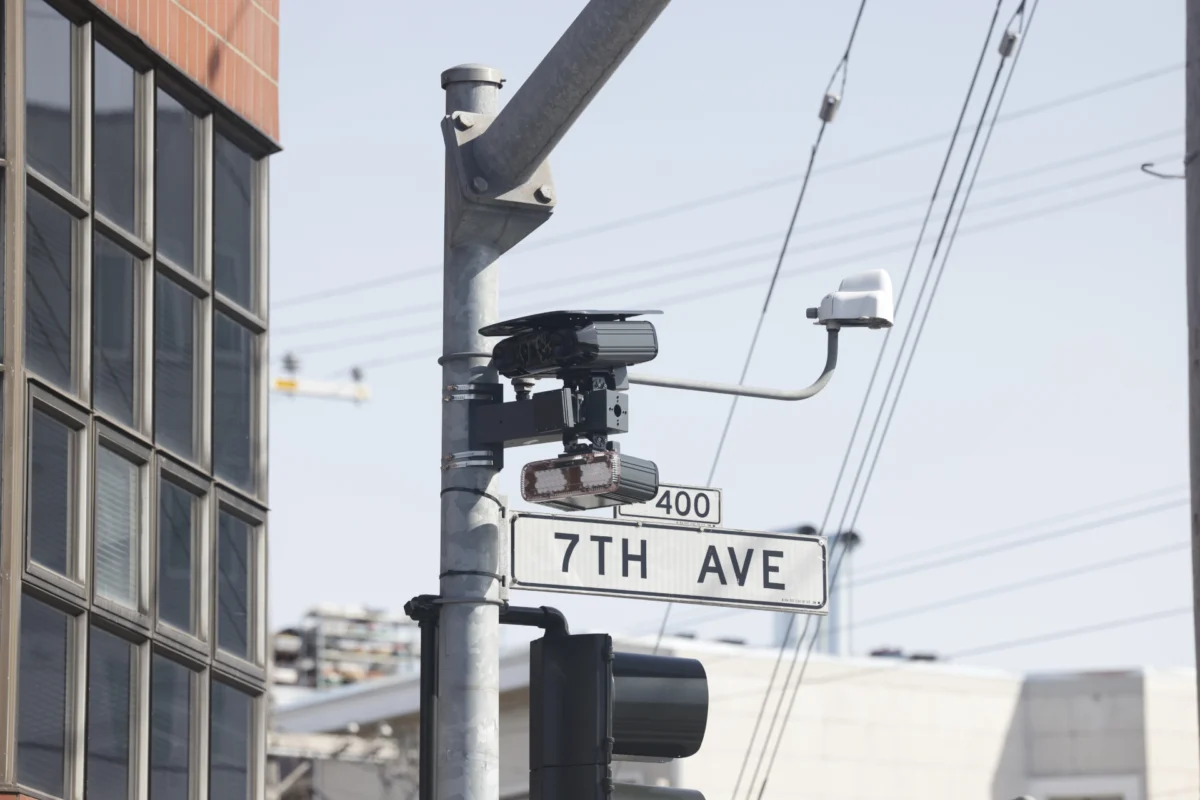
In a move that marks a definitive shift in American traffic enforcement, Los Angeles has officially activated its new "Speed Safety Systems Program." This transition mirrors a long-standing European model of automated traffic oversight, signaling an end to the era where speed limits were enforced solely by human officers. As of this Monday, the first 25 high-definition cameras have gone live across the city, aiming to curb what municipal officials describe as an epidemic of dangerous driving.
While the technology is new to the streets of Los Angeles, the philosophy behind it is rooted in the "Vision Zero" movement—a global strategy designed to eliminate all traffic fatalities and severe injuries. As the city grapples with rising collision statistics, the implementation of these cameras is being positioned as a critical, if controversial, tool for public safety.
The Rollout: A Phased Approach to Compliance
The activation of the first 25 cameras is merely the tip of the spear. The Los Angeles Department of Transportation (LADOT) has outlined an ambitious expansion plan that will see a total of 125 speed cameras installed and fully operational by the end of this year.
To mitigate immediate public backlash and allow motorists to adjust their driving habits, the city has implemented a 60-day "grace period." During this window, any vehicle captured by the system traveling 11 mph or more over the posted speed limit will not receive a financial penalty. Instead, registered owners will receive a formal warning via mail, serving as an educational tool rather than a punitive one.
Once this two-month introductory phase concludes, the system will pivot to full enforcement. At that point, citations will be issued automatically to the registered owners of vehicles caught exceeding the speed threshold. This transition from "educational enforcement" to "monetary enforcement" represents a significant departure from traditional traffic stops, which require an officer to physically pull over a vehicle.
The Mechanics of Enforcement
The technology driving this initiative is sophisticated. Unlike traditional radar guns that require a line of sight and manual operation, these automated systems use high-resolution imaging and laser-based speed detection. The cameras are programmed to trigger specifically when they detect a vehicle exceeding the speed limit by at least 11 mph.
The system is designed to capture high-quality images of the vehicle’s license plate, which are then cross-referenced with DMV databases. Once the identity of the registered owner is confirmed, the system processes the violation and generates a citation. This "no-contact" enforcement method is designed to be unbiased, removing the potential for human error or racial profiling often associated with traditional police traffic stops.
However, the fines themselves are not uniform. The LADOT has implemented a tiered fine structure, where the severity of the financial penalty increases in proportion to the degree of the speeding violation. While the exact fine schedules are subject to adjustment based on state-mandated guidelines, the program is designed to ensure that those who drive significantly faster than the limit face heavier financial consequences, reflecting the increased risk their speed poses to others.
The Data-Driven Argument: Why Now?
The decision to deploy these cameras is not arbitrary; it is the result of years of data analysis by the LADOT. In 2024, the city recorded a troubling statistic: approximately one in five fatal crashes in Los Angeles was directly attributed to excessive speed.
The correlation between speed and pedestrian mortality is stark. Data from the LADOT’s 2023-24 Annual Report illustrates that at 20 mph, a pedestrian has a significantly higher chance of survival if struck by a vehicle. As speed increases to 40 mph, that survival rate plummets to near zero. By placing cameras in areas identified as "high-injury networks"—corridors where the frequency of accidents is statistically higher—the city hopes to force drivers to adhere to safer speeds in the most vulnerable zones.
The city also draws encouragement from neighboring San Francisco, which has already navigated the complexities of this technology. Early data from the Bay Area suggests that speed cameras led to a 72% reduction in speeding incidents in monitored zones. For Los Angeles planners, this figure serves as the primary justification for the expenditure and political capital required to roll out the program.
Official Perspectives: Safety vs. Surveillance
The official stance from the Los Angeles Department of Transportation is clear: the program is a public health initiative, not a revenue-generation scheme.
"Speeding is one of the leading causes of serious injuries and deaths on our streets," a spokesperson for the LADOT stated during the program’s announcement. "The deployment of this program will increase accountability for excessive and chronic speeding, and help people make better choices about their driving. The goal is safer streets, more lives saved, and fewer severe injuries."
However, the program is not without its critics. Civil liberties groups have raised concerns about the "Big Brother" implications of widespread surveillance. Privacy advocates argue that the constant tracking of vehicle movements creates a database of citizen travel patterns that could be misused. Furthermore, there is the ongoing debate regarding whether automated fines disproportionately affect lower-income residents, for whom a traffic citation can be a significant financial burden.
To address these concerns, the LADOT has emphasized that the data collected is restricted solely to traffic safety enforcement. The cameras are not intended for general law enforcement or vehicle tracking beyond the scope of speeding violations.
The Five-Year Pilot: A Long-Term Test
The current implementation is part of a five-year pilot program authorized by the state legislature. This is a critical detail, as it implies that the longevity of the program is contingent upon its success.
At the conclusion of the five-year period, the city is required to produce a comprehensive report for the California State Legislature. This report will evaluate two primary metrics:
- Safety Impact: Has there been a measurable reduction in traffic fatalities and severe injuries in areas where cameras are active?
- Economic Impact: Is the program self-sustaining, and what has been the socioeconomic impact of the fine structure on the population?
This reporting requirement forces the city to prove that the system is working as intended. If the data shows a significant drop in accidents, the program will likely be cemented as a permanent fixture of Los Angeles infrastructure. If, however, the results are ambiguous, or if the public opposition reaches a breaking point, the legislature may opt to sunset the program or mandate significant modifications.
Implications for the Future of American Driving
The move by Los Angeles is indicative of a broader trend across the United States. As urban centers become more crowded and the push for "Complete Streets"—roads designed for all users, including pedestrians and cyclists—gains momentum, the traditional police traffic stop is increasingly viewed as inefficient and dangerous.
The transition to automated enforcement shifts the burden of responsibility from the reactive to the proactive. Rather than waiting for a crash to occur and then investigating it, the city is creating a "persistent presence" that influences driver behavior in real-time.
For the average Los Angeles driver, the "new normal" will require a greater degree of awareness regarding local speed limits. The days of relying on "buffer speeds"—the common practice of driving 5 to 9 mph over the limit without fear of being pulled over—are effectively coming to an end in these monitored zones.
As the city continues to install cameras throughout the remainder of the year, motorists are advised to utilize navigation apps and local resources to identify where these systems are located. A list and interactive map of the initial 25 locations are available through NBC 4 Los Angeles, and the city intends to update these resources as the network expands to 125 units.
The success of this initiative will be measured not just in the number of tickets issued, but in the eventual decline of the grim statistics that prompted its creation. Los Angeles is now participating in a massive social and technological experiment; whether it results in a safer city or merely a more frustrated commuting public remains the central question of this urban transformation.
