



Main Facts: A Landmark Investment in Pediatric Care
Hyundai Hope on Wheels, the non-profit organization dedicated to the fight against pediatric cancer, has officially entered its second year of operations within the Canadian landscape. The initiative has announced a substantial $650,000 injection of funding directed toward four prominent children’s hospitals across Western Canada. This localized contribution is part of a broader, ambitious national mandate that sees the organization committing over $4.1 million this year to bolster pediatric cancer research, clinical care, and comprehensive family support programs.
The funding structure is designed to provide immediate relief and long-term capacity building for frontline medical institutions. The Alberta Children’s Hospital Foundation, the Stollery Children’s Hospital Foundation, the Jim Pattison Children’s Hospital Foundation, and the Children’s Hospital Foundation of Manitoba have each been awarded $100,000 grants. These funds are earmarked to alleviate the operational strain on these facilities and to enhance the quality of life for young patients undergoing rigorous treatment protocols.
Beyond institutional support, the program has solidified a strategic partnership with the C17 Council, Canada’s preeminent network for pediatric oncology and hematology programs. This collaboration marks a turning point in how corporate philanthropy interacts with clinical research, ensuring that funding is not just distributed, but strategically placed where it can drive the most significant scientific breakthroughs.
Chronology: The Evolution of a Mission
The history of Hyundai Hope on Wheels is rooted in the belief that the automotive industry has a moral imperative to contribute to the well-being of the communities in which it operates. Having spent years refining its model in the United States, the organization’s expansion into Canada last year represented a milestone for the company’s corporate social responsibility (CSR) portfolio.
The Foundation of the Canadian Initiative
- Year 1 (The Launch): Hyundai Hope on Wheels officially launched its Canadian operations, establishing a framework for hospital partnerships and setting the stage for national research funding.
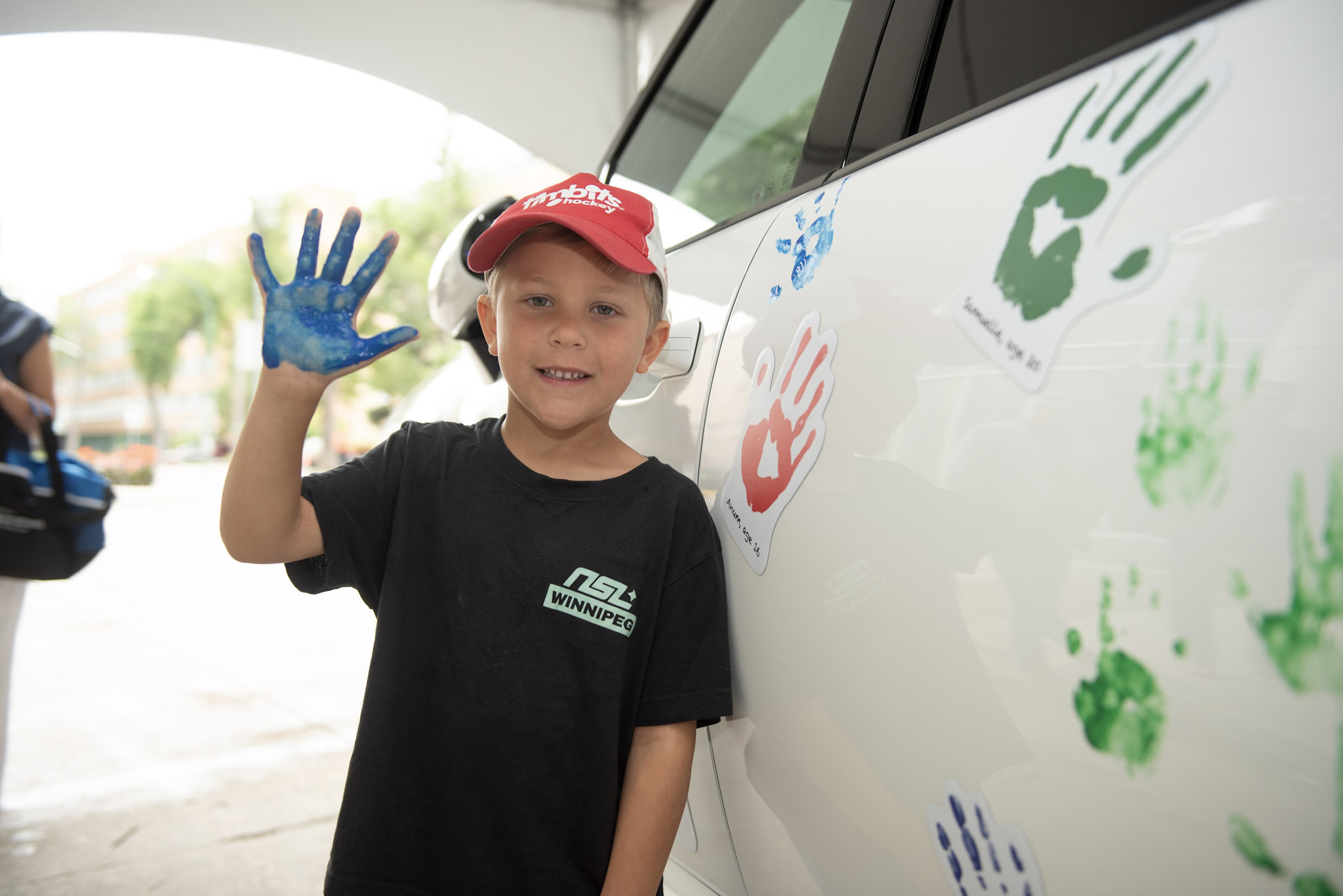
- August 12 (The Handprint Ceremony): This year’s significant milestone took place on August 12, during a series of "Handprint Ceremonies." These events serve as the emotional and symbolic heartbeat of the organization. During these ceremonies, children battling cancer leave painted handprints on a dedicated Hyundai vehicle—a powerful, physical manifestation of their resilience and the "Hope on Wheels" journey.
- The Current Cycle: The recent $650,000 announcement marks the beginning of the program’s second cycle of Canadian donations, signifying a commitment to sustain the momentum generated in its inaugural year.
Supporting Data: Targeting the Frontier of Leukemia Research
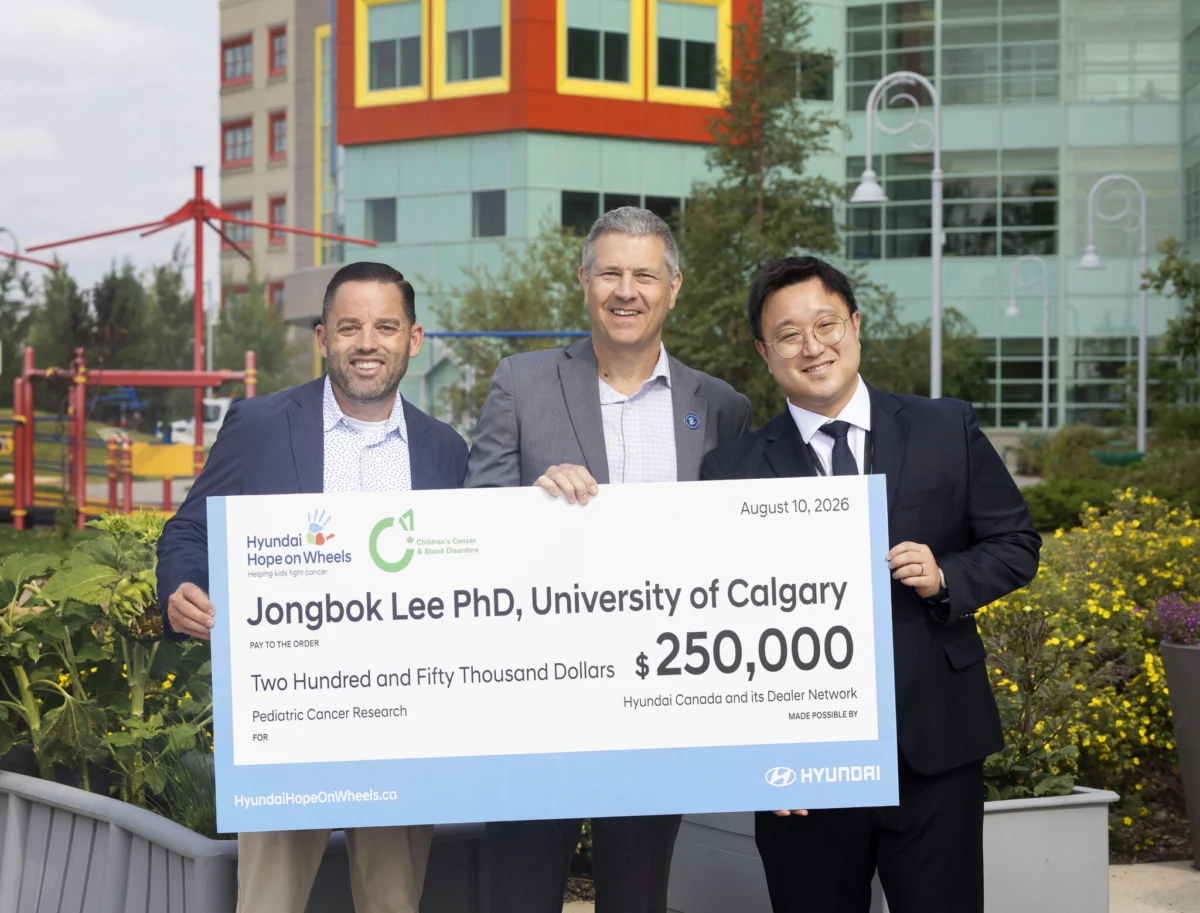
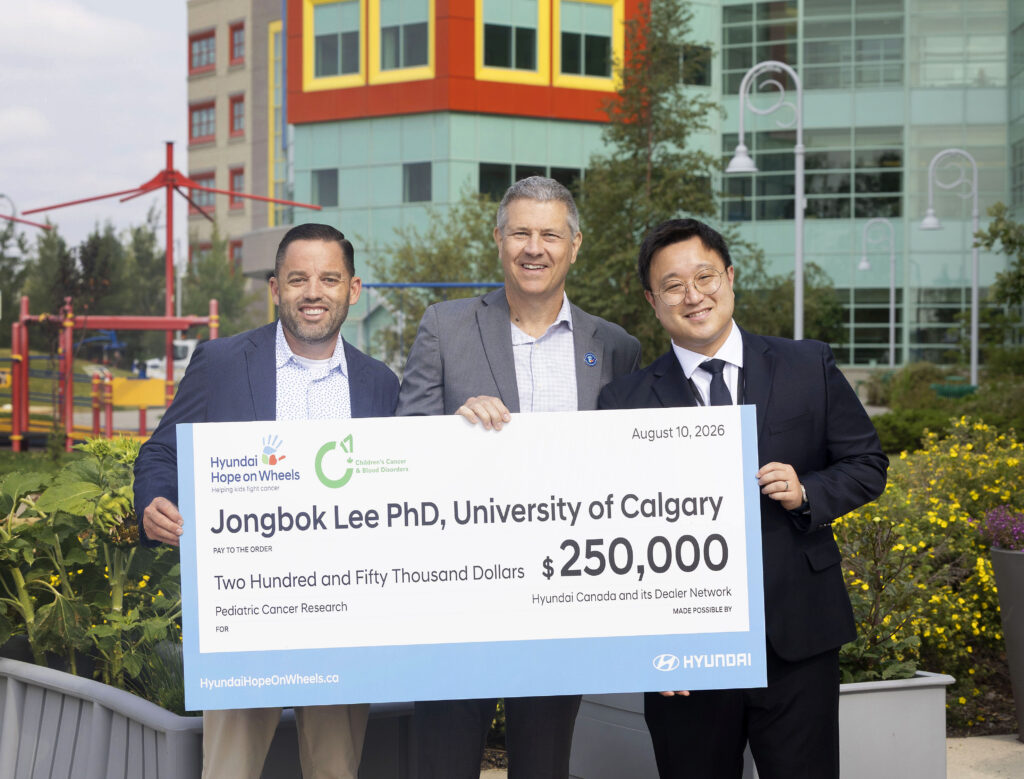
The flagship achievement of this year’s initiative is a $250,000 research grant awarded to Dr. Jongbok Lee at the University of Calgary. This specific grant is the result of the collaboration with the C17 Council and targets a high-stakes area of pediatric medicine: acute myeloid leukemia (AML).
The Science of CAR-T Cell Therapy
Dr. Lee’s research centers on the advancement of chimeric antigen receptor (CAR)-T cell therapy. This cutting-edge treatment involves reprogramming a patient’s own immune cells to identify and destroy cancer cells. While the technology holds immense promise, its current application is hindered by complex manufacturing processes and long wait times, which can be detrimental to children with aggressive cancers.
"Our research aims to make life-saving CAR-T cell therapy more accessible and reduce wait times for children who need it most," Dr. Lee stated. By focusing on streamlining the production and efficacy of these therapies, Dr. Lee’s work represents the intersection of high-level academic inquiry and urgent clinical necessity. The $250,000 investment from Hyundai Hope on Wheels provides the financial runway necessary to transition this research from the laboratory bench to the bedside.
Official Responses: The Human Dimension of the Mission
The true impact of the Hyundai Hope on Wheels program is best understood through the stories of those who have navigated the halls of the hospitals receiving the funding. At the Jim Pattison Children’s Hospital, the community recently mourned the loss of a young girl named Clarke, who spent over three years battling an aggressive form of leukemia.
A Legacy of Courage
For the families involved, the hospital is often more than a place of treatment; it is a "second home." Cassandra Thiesen, Clarke’s mother, spoke poignantly at the August 12 Handprint Ceremony. Reflecting on the time spent in the pediatric ward, she noted the profound difference that support programs make for families living in the shadow of a cancer diagnosis.
"Clarke would be so happy knowing Hope on Wheels is helping all the other kids who spend their days doing the hard things," Thiesen remarked. Her words encapsulate the core philosophy of the organization: that while clinical research provides the future cure, emotional and financial support for families provides the strength to survive the present.
Implications: The Corporate Social Responsibility Paradigm
The success and expansion of Hyundai Hope on Wheels in Canada highlight a shifting trend in the automotive sector. No longer content with traditional marketing, corporations are increasingly embedding social impact into their business models.
The Economic Mechanism
The funding for these initiatives is not pulled from a passive endowment; it is generated through the commercial success of the brand. A portion of every new Hyundai vehicle sold in Canada is funneled directly into the Hope on Wheels fund. This creates a tangible link between the consumer, the manufacturer, and the charitable cause. When a customer purchases a vehicle, they are implicitly participating in a cycle of philanthropy that touches the lives of thousands of families across the country.
Long-Term Impact on Pediatric Oncology
The implications of this $4.1 million annual commitment are twofold:
- Clinical Capacity: By distributing funds to hospitals in diverse regions—from Manitoba to Alberta—the program ensures that high-quality cancer care is not geographically siloed. This decentralization of resources is vital for a country as vast as Canada, where access to specialized care can often be hampered by distance.
- Research Continuity: Medical research is notoriously difficult to fund, often requiring years of sustained financial backing before breakthroughs occur. By providing multi-year support and partnering with organizations like the C17 Council, Hyundai is ensuring that research projects like Dr. Lee’s are not abandoned due to funding gaps.
Looking Ahead: Building a Sustainable Future
As Hyundai Hope on Wheels looks toward its third year and beyond, the focus will likely remain on the dual pillars of research and support. The organization has successfully created a platform that bridges the gap between the corporate world and the medical community.
The challenge, however, remains the daunting statistics of pediatric cancer. While survival rates have improved significantly over the last few decades, leukemia and other pediatric cancers remain leading causes of disease-related death among children. The work being done by Dr. Lee and the clinical teams at the Jim Pattison and Alberta Children’s hospitals is critical to pushing those survival rates closer to 100%.
A Call for Continued Advocacy
The partnership between Hyundai and Canadian medical institutions serves as a blueprint for how private-public cooperation can effectively combat complex societal issues. The Handprint Ceremony, while a symbolic act, serves a crucial role in public awareness. By bringing the reality of pediatric cancer into the public consciousness, these events help destigmatize the disease and encourage broader societal support.
As we move forward, the success of this program will be measured not just in the millions of dollars donated, but in the children who, because of these research advancements, will be able to leave the hospital, return to their families, and pursue their futures. The "Hope on Wheels" moniker is increasingly becoming a fitting description for an initiative that is truly driving the medical community toward a future where pediatric cancer is a treatable, and eventually, preventable condition.
Conclusion: The Road Toward a Cure
The expansion of Hyundai Hope on Wheels in Canada is a testament to the power of sustained corporate commitment. By aligning their commercial success with the urgent needs of the pediatric healthcare system, Hyundai has demonstrated that the automotive industry can play a pivotal role in the scientific and emotional journey of families facing the unimaginable.
With $650,000 currently flowing into Western Canadian hospitals and $4.1 million slated for national initiatives, the program is well-positioned to make a measurable difference. From the innovative CAR-T cell therapy research at the University of Calgary to the compassionate, family-centered support provided at institutions like the Jim Pattison Children’s Hospital, the impact of these donations will be felt for years to come. As the painted handprints of these courageous children continue to accumulate on the hoods of Hyundai vehicles across the country, they serve as a reminder of the road ahead—a road that, with the help of dedicated research and community support, is moving ever closer to a cure.
