



The landscape of North American commerce faces a period of heightened instability following the breakdown of recent trade negotiations between the United States and Canada. The Associated Equipment Distributors (AED), a leading trade association representing companies involved in the distribution, rental, and support of construction and heavy equipment, has voiced significant disappointment regarding the current stalemate.
As the two nations remain at an impasse, the AED has signaled its intent to aggressively lobby for a return to the negotiating table, warning that the current trajectory of protectionist measures threatens to undermine the interconnected economic prosperity that has defined the U.S.-Canada relationship for decades.
Main Facts: The Current Impasse
At the core of the issue is the failure of recent high-level diplomatic efforts to reach a comprehensive trade agreement that addresses existing grievances and prevents the escalation of tariffs. For the AED, the stakes are not merely bureaucratic; they are existential for the members who form the backbone of the heavy equipment industry.
The association maintains that the free movement of goods—specifically the machinery used to build infrastructure, cultivate agricultural land, and extract energy resources—is essential for the economic health of both nations. By failing to secure a deal, both governments have left businesses in a state of paralysis, unable to forecast costs or plan capital expenditures with any degree of certainty. The AED’s statement serves as a stark reminder that trade wars rarely have victors; instead, they generate a ripple effect of increased costs that ultimately fall upon the consumer and the taxpayer.
Chronology of Stalled Diplomacy
The path to the current stalemate has been marked by shifting political priorities and fluctuating economic nationalist sentiment.
- Phase One: The Pre-Negotiation Climate: For months, the trade relationship between Washington and Ottawa had been under strain, characterized by disagreements over steel and aluminum duties and lingering disputes regarding agricultural supply management.
- Phase Two: The Recent Negotiation Cycle: In the most recent round of talks, high-level officials from both the U.S. Trade Representative’s office and Canadian Ministry of Foreign Affairs attempted to bridge the gap. Expectations were high that a framework could be established to phase out existing retaliatory tariffs.
- Phase Three: The Breakdown: Despite initial optimism, the negotiations concluded without a formal agreement. Sources close to the talks suggested that neither side was willing to make the necessary concessions on key protectionist measures, leading to a breakdown in communication that has left the business community in limbo.
- Phase Four: The Aftermath: The current state is one of "managed tension." While no new, broad-scale tariffs have been immediately implemented, the lack of a resolution keeps the threat of further escalation on the table, creating a "chilling effect" on cross-border investment.
Supporting Data: The Economic Weight of Equipment Distribution
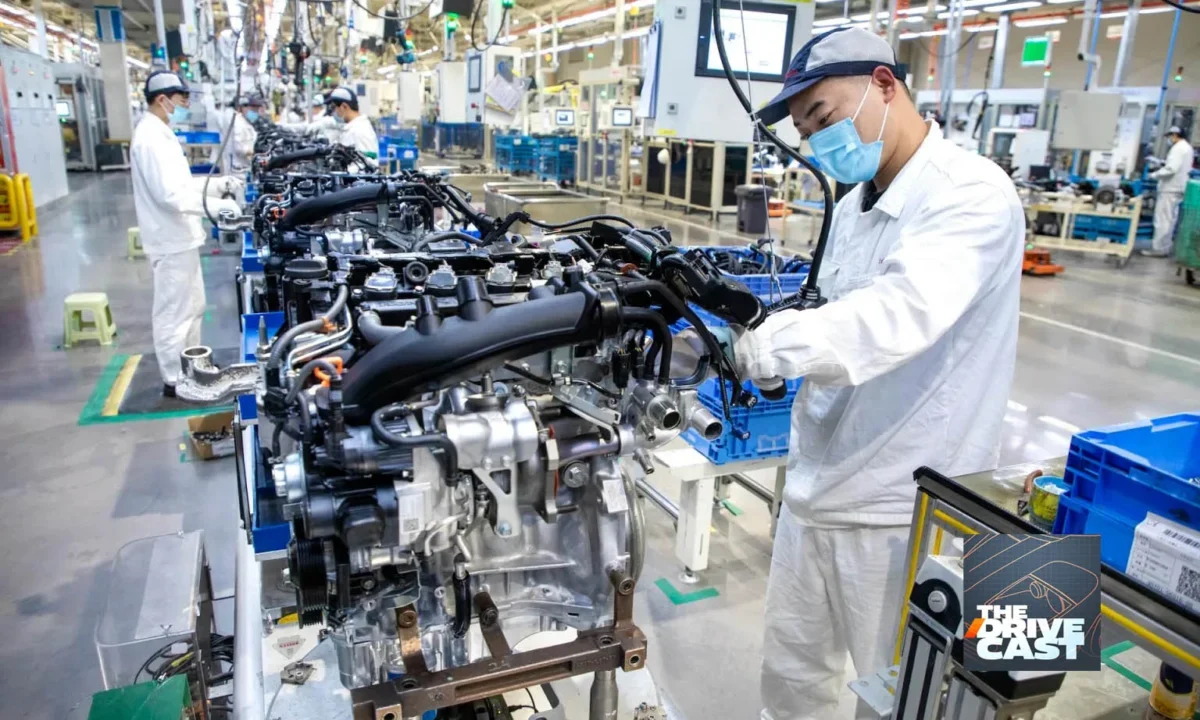
To understand the gravity of the AED’s position, one must look at the data surrounding the North American heavy equipment industry. The industry is characterized by highly integrated supply chains where components frequently cross the border multiple times before reaching the end user.
Impact on Capital Expenditure
Data suggests that uncertainty in trade policy is the primary deterrent for capital investment. According to industry analysis, when tariffs are applied to heavy machinery or the steel/aluminum components used in their manufacturing, the cost of an average earthmoving machine can spike by 10% to 15%. For a construction firm operating on thin margins, this is not a manageable expense—it is a project-killer.
Cross-Border Integration
The U.S. and Canadian markets are uniquely linked. A significant portion of the heavy equipment sold in Canada is manufactured in the United States, and vice versa. AED members manage a vast network of dealers that rely on a seamless flow of parts and equipment. When tariffs are introduced, the immediate result is:
- Inventory Bloat: Dealers cannot move equipment across the border efficiently, leading to overstock in one region and shortages in another.
- Service Delays: Critical maintenance parts for agricultural or mining machinery are often delayed at customs, leading to downtime for farmers and energy producers.
- Inflationary Pressure: These costs are passed down the chain, eventually raising the price of public infrastructure projects, food production, and energy delivery.
Official Responses and AED’s Stance
The AED has been unequivocal in its critique of the current protectionist drift. In a formal statement, the organization highlighted that its resolve remains firm despite the diplomatic setback.
"AED is disappointed that the United States and Canada could not come to a trade agreement during recent negotiations," the association stated. "However, our resolve remains strong."
The association’s leadership has emphasized that the rhetoric of trade wars often ignores the reality of the "boots on the ground." The AED’s message to policymakers is simple: Tariffs and retaliatory tariffs damage the economies on both sides of the border.
The organization further clarified its position by stating, "Any measures that target equipment that builds, feeds and fuels both countries are detrimental, regardless of if they’re imposed by Canada or the United States." By framing the issue through the lens of national essential services—building infrastructure, feeding the population, and fueling the economy—the AED is attempting to shift the narrative from political posturing to economic necessity.
Implications: A Looming Economic Reality
The failure to secure a trade deal carries long-term implications that extend far beyond the immediate disappointment of industry groups.
The Erosion of Competitiveness
As the U.S. and Canada struggle to harmonize their trade policies, other global competitors are positioning themselves to capitalize on the friction. If North American equipment remains artificially expensive due to tariffs, the competitive edge that these industries enjoy in the global market begins to erode.
Supply Chain Resiliency
The COVID-19 pandemic taught the world the importance of supply chain resilience. The current trade impasse works in direct opposition to this lesson. By placing barriers on the trade of heavy machinery and its components, both governments are actively making their own supply chains more brittle and less responsive to domestic demand.
The Political Outlook
Moving forward, the AED has committed to a policy of active engagement. The association is working with officials in both Washington and Ottawa to encourage a return to the negotiating table. This involves:
- Direct Lobbying: Meeting with legislative aides and trade representatives to present case studies of how tariffs have specifically hindered business operations.
- Coalition Building: Partnering with other industry groups in the manufacturing, construction, and agricultural sectors to create a unified front against protectionist policies.
- Public Awareness Campaigns: Educating the public on how trade barriers translate into higher costs for roads, homes, and groceries.
Conclusion: The Path Back to Stability
The disappointment expressed by the Associated Equipment Distributors is a bellwether for the broader North American business community. The message is clear: the current stalemate is unsustainable.
For the U.S. and Canada to maintain their positions as global leaders in infrastructure development and industrial innovation, they must prioritize the removal of barriers that hinder the very tools used to build their futures. As the AED continues to push for a return to negotiations, the focus remains on restoring the free and fair trade that has historically fueled the economic growth of both nations. The question remains whether political leadership will recognize the mounting costs of the impasse before the damage to the heavy equipment sector becomes irreparable.
In the coming weeks, eyes will be on the diplomatic offices of both capitals to see if the calls for renewed negotiation gain traction. For now, the heavy equipment industry remains in a state of cautious waiting, hoping that pragmatism will eventually overcome the currents of protectionism.
