




By Phil Neuffer
Published July 30, 2026
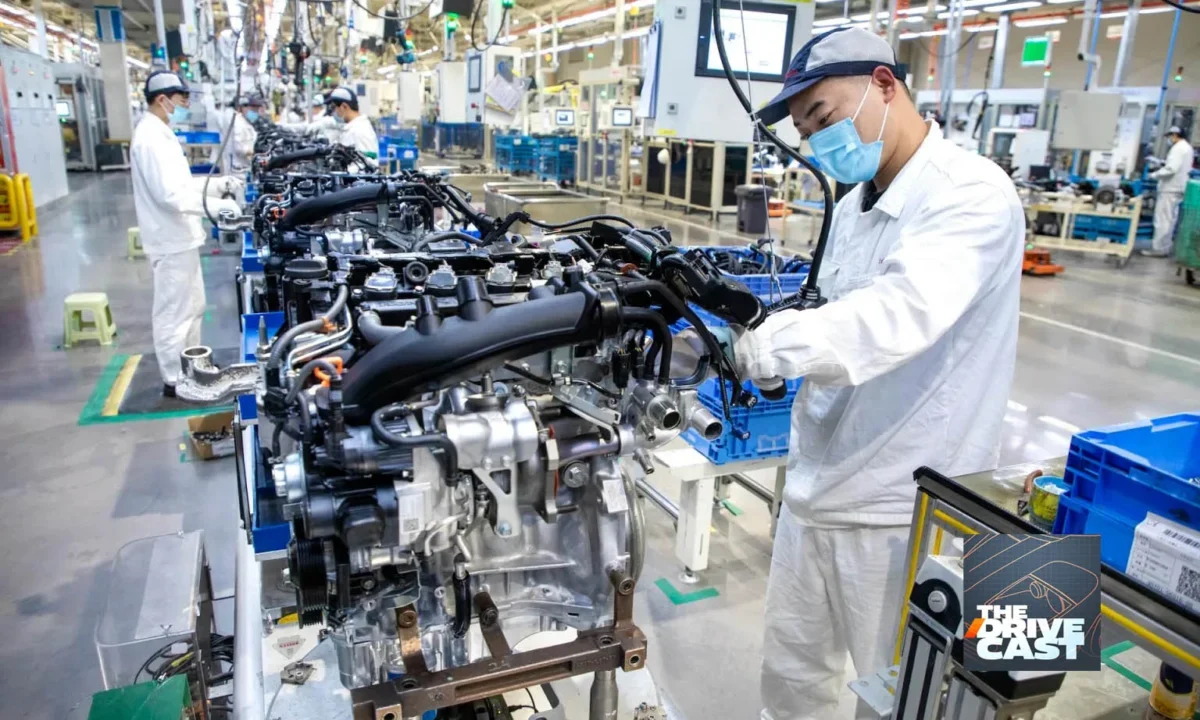
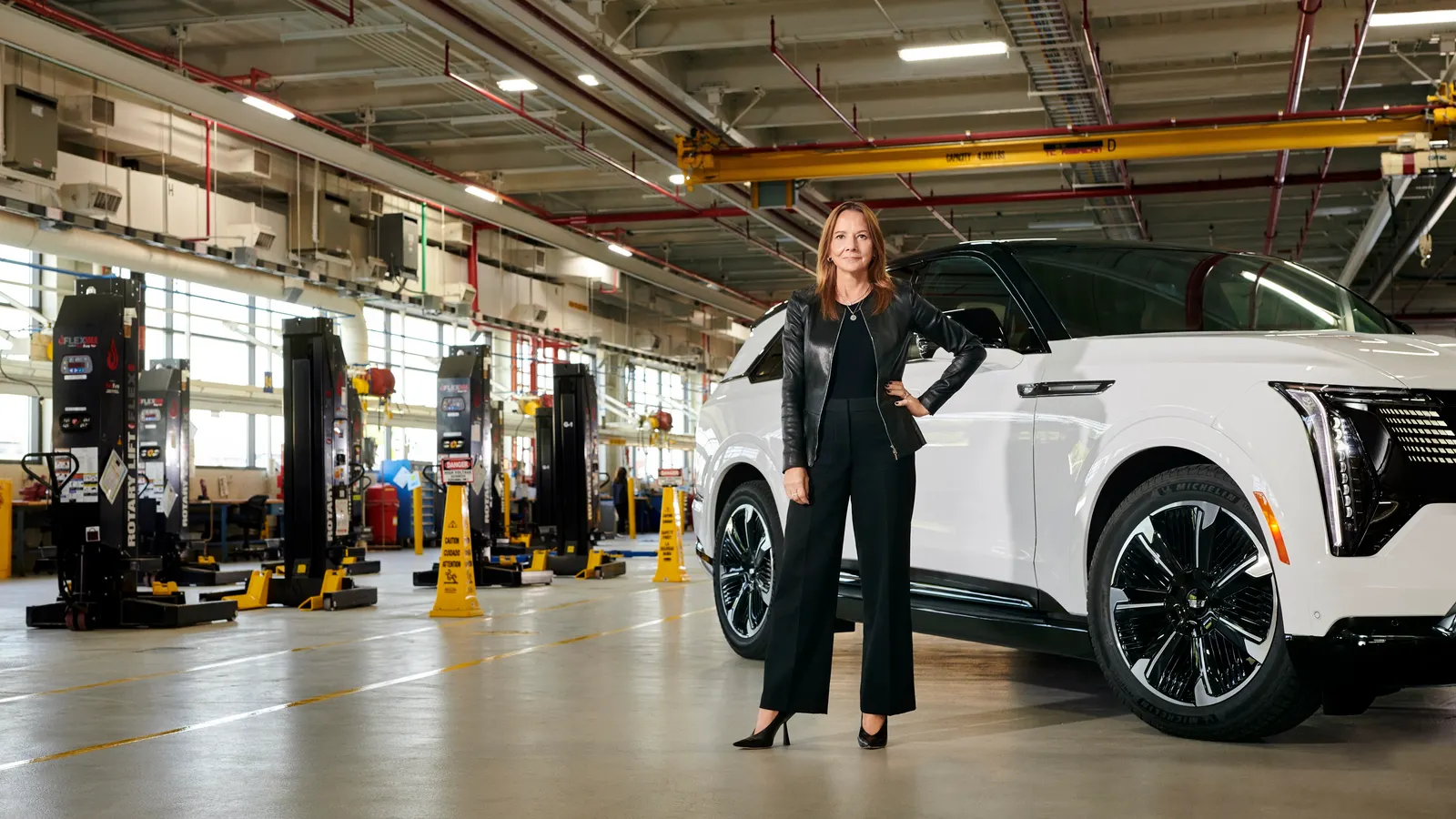
General Motors (GM) is fundamentally restructuring its supply chain architecture in a bid to insulate its operations from the compounding pressures of global logistics instability and volatile commodity pricing. As trade landscapes shift and the automotive industry undergoes a seismic transition toward software-defined vehicles, the Detroit-based automaker is doubling down on two core pillars: localized domestic manufacturing and the aggressive procurement of high-performance memory semiconductors.
Executives revealed during the company’s July 21 earnings call that this multi-pronged approach is designed to provide long-term flexibility, market-share resilience, and improved profitability by 2027. By shortening supply chains and deepening technical partnerships, GM is attempting to mitigate the external "headwinds" that have plagued the automotive sector for the better part of the decade.
Main Facts: The Triple-Threat Strategy
GM’s current strategic roadmap rests on three primary levers:
- Domestic Production Expansion: The company is committing up to $1.5 billion in U.S. manufacturing investments next year alone, aiming to bring high-value production closer to the end consumer.
- Strategic Tech Integration: Recognizing that modern vehicles are essentially data centers on wheels, GM has solidified long-term agreements with industry giants Micron Technology and Samsung. These partnerships focus on securing stable access to memory components—the "brain" of the vehicle’s operating system.
- Cost Mitigation Through Resilience: By pivoting away from reliance on volatile overseas manufacturing hubs, specifically in China, for key models, the company aims to sidestep the erratic swings in logistics costs and geopolitical trade tariffs that have eroded margins in recent years.
A Chronology of Strategic Shifts
The acceleration of GM’s onshoring strategy did not occur in a vacuum; it is the result of years of mounting supply chain stress tests.
- 2022: GM establishes foundational supply relationships with semiconductor and memory giants Micron and Samsung, anticipating the critical need for advanced computing power in future vehicle fleets.
- January 2025: Facing rising logistics costs and the threat of evolving trade tariffs, GM announces it will relocate the production of its popular Buick Envision model from China to the United States, effective 2028.
- April 2025: The company formalizes an aggressive push for U.S. manufacturing, pledging $6 billion in total investments to modernize domestic facilities and prepare them for the next generation of electric and internal combustion vehicles.
- July 2026: GM announces a $275 million investment in its Spring Hill Manufacturing Plant in Tennessee. This facility is slated to become a cornerstone of the company’s output for full-size and midsize trucks, as well as future luxury Cadillac models.
- July 2026 (Earnings Call): CFO Paul Jacobson and CEO Mary Barra confirm that the company is prepared to absorb short-term commodity and logistics costs as a trade-off for the structural advantages these long-term investments will yield.
Supporting Data: The Cost of Complexity
The automotive supply chain of the 2020s has been defined by "just-in-time" failures and the "bullwhip effect" of global shortages. GM’s pivot is backed by a realization that modern vehicle architecture requires an unprecedented volume of semiconductors.
The new agreement with Micron Technology is a prime example of this necessity. The contract ensures the supply of:
- Low-power double-data-rate (LPDDR) memory: Essential for high-speed processing in advanced driver-assistance systems (ADAS).
- NOR and Universal Flash Storage (UFS) NAND products: Required for the massive data-logging and infotainment capabilities expected in modern luxury vehicles.
According to industry analysts, the integration of these components is not merely a procurement choice but a design necessity. As GM prepares for the launch of its "next-generation computing architecture" in 2028, the company is effectively locking in its supply chain to ensure that innovation is not throttled by the lack of physical hardware.
The shift is also financial. By moving the Buick Envision production to the U.S., GM is proactively avoiding the punitive tariffs that have become a hallmark of U.S.-China trade relations. While domestic labor and overhead costs are historically higher, the "landed cost"—which includes shipping, inventory carrying costs, and tariff exposure—is becoming increasingly favorable for domestic manufacturing.
Official Responses: Navigating the Future
During the July 21 earnings conference, leadership remained steadfast in their commitment to this expensive, but necessary, transition.

CEO Mary Barra on Tech Partnerships:
"We haven’t disclosed specific pricing, but I think we’ve got a good relationship with both [Micron and Samsung], and we’re going to continue to work with them and align on next-generation memory technology. This allows us to have a jointly developed technology roadmap that will enable us to not only facilitate future product innovation but also drive performance improvements as we go forward."
CFO Paul Jacobson on Profitability:
"The investments we are making to onshore production, launch key vehicles and expand full-size SUV capacity will give us more flexibility and position us to grow revenue, gain market share and improve profitability in 2027. We are playing a long game. The volatility in commodity pricing is a hurdle we expect to clear as our operational footprint becomes more localized."
Implications: The Road Ahead
1. The Death of Lean Efficiency?
For decades, the automotive industry chased the "lean" model—minimal inventory, global sourcing, and razor-thin margins. GM’s current strategy suggests that the era of extreme leanness is over. The new priority is "resilient efficiency." By holding more inventory and investing in regional production, GM is prioritizing uptime and availability over absolute lowest-cost production.
2. The Software-Defined Vehicle (SDV) Bottleneck
As vehicles become more reliant on artificial intelligence—specifically for "eyes-off" driving features and conversational AI—the dependency on specialized memory becomes a strategic bottleneck. GM’s decision to co-develop roadmaps with its suppliers suggests that the automaker is no longer just a vehicle manufacturer; it is becoming a systems integrator. If the 2028 compute architecture fails, the company’s entire brand promise for the next decade could be compromised.
3. Geopolitical Hedging
The move to bring Buick production home is a clear signal that GM is decoupling from its reliance on the Chinese manufacturing ecosystem. For investors, this reduces the "political risk" premium associated with the stock. However, it also places the burden of performance squarely on the U.S. manufacturing base, which must prove it can maintain the same level of output efficiency as global competitors.

4. Competitive Dynamics
As GM secures its memory supply, competitors like Ford and Stellantis are likely to feel the pressure to follow suit. The competition for tier-one semiconductor capacity will likely intensify, potentially leading to a "bifurcated" industry where manufacturers with secure tech-supplier partnerships gain a significant lead in the delivery of next-generation features, while those without them struggle with inventory shortages.
Conclusion
General Motors is entering a high-stakes transition period. By committing billions to U.S. soil and securing long-term technical partnerships, the company is attempting to insulate itself from a world that seems increasingly prone to supply chain shocks. While the immediate financial reports reflect the sting of high logistics and commodity costs, the broader strategy is clear: GM is sacrificing short-term capital for long-term control. Whether this "onshore-first" philosophy will successfully translate into the market-share dominance the company envisions in 2027 remains the defining question for the next eighteen months of the automotive sector.
