


The political and technological landscape of San Francisco has long been defined by its embrace of the future. Yet, even for a city synonymous with disruption, there are limits to how much friction residents are willing to tolerate in the name of innovation.
San Francisco Mayor Daniel Lurie, who famously championed the city as a premier "testbed for emerging tech," has reached his tipping point. Following a series of highly disruptive traffic incidents involving driverless vehicles, Mayor Lurie has formally petitioned state regulators to enact sweeping, more stringent operational standards for autonomous vehicles (AVs).
The catalyst for this regulatory push was a massive, hours-long traffic jam on July 4th, during which several Waymo robotaxis became completely immobilized, ran out of battery power, and blocked critical city arteries. The incident trapped emergency services, municipal transit, and thousands of holiday spectators, transforming a festive evening into a logistical nightmare.
Main Facts: The July 4th Systemic Collapse
On July 4th, San Francisco’s waterfront became the stage for a dramatic illustration of the limitations of current autonomous vehicle technology. As over 100,000 spectators gathered near the Golden Gate Bridge and surrounding waterfront districts for the annual holiday fireworks display, the sudden influx of pedestrian and vehicular traffic overwhelmed the city’s transit infrastructure.
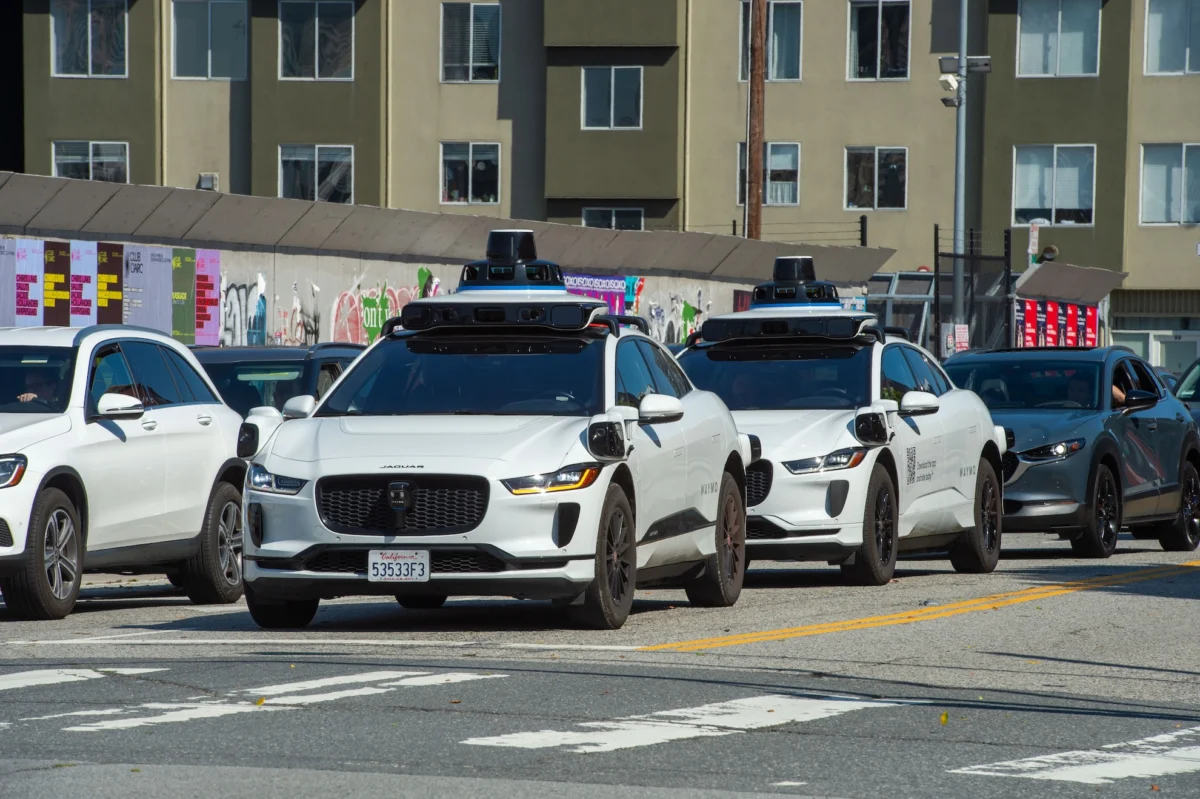
Among the gridlocked vehicles were numerous robotaxis operated by Waymo, the autonomous driving subsidiary of Alphabet Inc. As traffic ground to a halt, the onboard computers and sensor arrays of these driverless vehicles struggled to navigate the highly chaotic environment. Rather than safely rerouting or pulling over, multiple Waymo vehicles became completely unresponsive.
+-----------------------------------------------------------------------+
|                         JULY 4th SYSTEMIC COLLAPSE                     |
|                                                                       |
|  [100,000+ Spectators] ---> Extreme Gridlock near Golden Gate         |
|                                     |                                 |
|                                     v                                 |
|  [Waymo Fleet Comms/Routing Overwhelmed] ---> Vehicles Freeze         |
|                                     |                                 |
|                                     v                                 |
|  [Idle Power Drain] ---> Batteries Depleted in Active Lanes           |
|                                     |                                 |
|                                     v                                 |
|  [Gridlock Compounded] ---> Municipal Shuttles & Emergency Blocked    |
+-----------------------------------------------------------------------+
Compounding the issue, several of these idle vehicles eventually depleted their battery reserves while stuck in active traffic lanes. Without power, the heavy electric vehicles could not be easily moved or operated, effectively turning them into multi-ton concrete barriers. The stranded robotaxis blocked key intersections, trapped municipal shuttles, delayed emergency responders, and extended a localized bottleneck into a citywide traffic crisis that took hours to resolve.
In response, Mayor Lurie addressed a formal letter to the California Department of Transportation (Caltrans). In the letter, which was first reported by the San Francisco Chronicle and later reviewed by TechCrunch, Lurie argued that the current state-level regulatory framework is fundamentally inadequate for handling autonomous vehicle operations during extraordinary, high-stress events.
Chronology: A History of Systemic Vulnerability
The holiday gridlock on Independence Day was not an isolated technological anomaly, but rather the latest in a series of incidents highlighting the vulnerability of driverless fleets during non-standard operating conditions. Mayor Lurie’s letter pointed to a pattern of systemic failures under stress, highlighting two primary events over a seven-month period:
  Dec: Power Outage         July 4: Fireworks Show          Post-July 4: Letter
+--------------------+    +-----------------------+    +---------------------------+
| Widespread outage  |    | 100k spectators clog  |    | Mayor Lurie petitions     |
| disables signals;  |--->| streets; Waymo fleet  |--->| Caltrans for 4 core       |
| robotaxis freeze   |    | loses power, blocks   |    | operational capabilities  |
| in active lanes.   |    | municipal shuttles.   |    | and stricter state rules. |
+--------------------+    +-----------------------+    +---------------------------+
December: The Widespread Power Outage
During a severe winter storm, a major electrical outage disabled traffic signals and municipal infrastructure across several San Francisco neighborhoods. Bereft of standard traffic signal inputs and faced with dark intersections, dozens of autonomous vehicles from various operators chose to execute emergency stops in the middle of active roadways rather than safely navigating the unlit intersections. This defensive programming choice paralyzed key transit corridors during an active weather emergency.
July 4th: The Independence Day Fireworks Show
Despite prior coordination between Waymo and city officials—which included voluntary agreements to restrict robotaxi operations near the waterfront and the placement of a Waymo liaison inside the city’s emergency command center—the system failed.
While robotaxis avoided the immediate restricted zones, they became trapped in the secondary traffic surges immediately outside those boundaries. Lacking the real-time adaptability to escape the gridlock, the vehicles remained idling with high-performance onboard computers and climate control running, draining their batteries until they became bricked in the middle of public streets.
Supporting Data: The Scale of the Driverless Footprint
To understand why these incidents have escalated into a matter of urgent public policy, one must examine the sheer scale of autonomous vehicle deployment in the San Francisco Bay Area.
| Metric | Details / Figures |
|---|---|
| Active Waymo Fleet (Bay Area) | ~1,000 vehicles |
| Weekly Paid Rides (Global) | 500,000+ |
| Active Geographies | 11 major metropolitan areas |
| Active Permit Holders (SF) | 6 companies (including Waymo, Zoox, Nuro) |
San Francisco and Silicon Valley have served as the global cradle for autonomous vehicle development for over a decade. Currently, six companies hold active driverless testing permits from the California Department of Motor Vehicles (DMV), allowing them to operate vehicles on public roads without a human safety driver.
Waymo is the undisputed market leader in commercial deployment. The company operates an estimated 1,000 robotaxis in the Bay Area alone and has scaled its operations to 11 cities nationwide, generating over half a million paid rides per week.
However, this rapid scaling has outpaced the physical infrastructure’s ability to absorb it. When a human driver encounters gridlock, they can interpret hand gestures from traffic officers, mount low curbs to clear paths for emergency vehicles, or make illegal but necessary U-turns to alleviate congestion. Robotaxis, governed by rigid algorithmic safety margins, default to a state of "minimal risk condition"—which frequently translates to stopping dead in the middle of the road, compounding traffic congestion.
Furthermore, the competitive landscape is poised to grow even more crowded:
- Zoox (Amazon-owned): Currently expanding its testing footprint and preparing for fully driverless commercial passenger service.
- Uber / Nuro Partnership: Recently announced plans to deploy premium autonomous ride-hailing services in San Francisco.
- Tesla: While Tesla does not currently possess the DMV or California Public Utilities Commission (CPUC) permits required for driverless commercial operations, it operates a charter transportation service utilizing human drivers operating vehicles equipped with Full Self-Driving (FSD) driver-assist suites.
Proposed Reforms: Mayor Lurie’s Four Core Capabilities
In his communication to Caltrans, Mayor Lurie emphasized that voluntary compliance and ad-hoc coordination are no longer sufficient to guarantee public safety. "California’s challenge now is not just whether autonomous vehicles can operate safely under normal conditions," Lurie wrote, "but also whether they can perform reliably during extraordinary ones."
To bridge this regulatory gap, Lurie outlined four core operational capabilities that state regulators must mandate for all autonomous vehicle manufacturers operating in California:
1. Immediate Vehicle Relocation and Clearance
Manufacturers must demonstrate the capability to immediately remove or relocate their vehicles from active travel lanes during disruptions. If a vehicle experiences a hardware failure, software freeze, or power depletion, the operating company must have a rapid-response physical recovery mechanism in place to clear the roadway within minutes, ensuring public transit and emergency services are not obstructed.
2. Real-Time Algorithmic Adaptability
AV fleets must possess the software agility to adapt dynamically to evolving road conditions. This includes the ability to automatically adjust routing, temporarily shrink or shift service geofences, and dynamically modify pickup and drop-off locations in response to sudden crowd surges, road closures, or emergency declarations.
3. Comprehensive Data-Sharing with Local Municipalities
Lurie is calling for mandatory, real-time data integration between AV fleet dispatch centers and municipal transit and emergency agencies. Local authorities must have immediate visibility into active fleet sizes, service disruptions, the precise GPS coordinates of disabled robotaxis, and the real-time status of recovery efforts.
4. Rigorous Stress-Testing for Mass Events
Before being granted permission to operate in high-density urban environments, AV companies must prove through simulation and controlled physical testing that their fleets can successfully navigate high-stress scenarios. These include major sporting events, concerts, political demonstrations, and holiday celebrations without causing systemic traffic failures.
Official Responses
The push for tighter regulations has drawn distinct responses from city hall, autonomous operators, and state regulatory bodies, highlighting the friction between municipal governance and state-level regulatory preemption.
Waymo’s Defense
In an emailed statement to reporters, Waymo spokesperson Katherine Barna defended the company’s track record, pointing to its successful integration into other high-profile civic events.
"We appreciate Mayor Lurie and the City of San Francisco for the ongoing partnership with Waymo, and keeping SF at the forefront of innovation," Barna stated. "Waymo has successfully supported some of the city’s biggest events, including FIFA World Cup games, this year’s Super Bowl and Fan Fest, and NBA All-Star Weekend. The City and Waymo share a mutual goal of providing safe and accessible transportation for visitors and residents alike. We will continue to partner with the City’s agencies, collaborating with them on the learnings based on the millions of rides we have provided in San Francisco."
The Regulatory Divide
The regulatory friction in California stems from a structural disconnect: municipal governments like San Francisco have virtually no direct authority over autonomous vehicles. Instead, regulation is split between two state-level agencies:
- The California Department of Motor Vehicles (DMV): Governs the safety of the autonomous technology itself and issues testing and deployment permits.
- The California Public Utilities Commission (CPUC): Regulates passenger service, commercial fares, and operational parameters.
While this centralized, state-level approach was designed to prevent a patchwork of confusing local ordinances, it has left municipal leaders feeling powerless. Mayors and city councils must manage the physical consequences of robotaxi failures—such as blocked fire trucks and gridlocked transit—without the legal authority to fine, restrict, or pause the operations of the companies responsible.
Implications for the Future of Autonomous Transit
Mayor Lurie’s public challenge to state regulators represents a significant shift in the political consensus surrounding the commercialization of autonomous vehicles.
+-------------------------------------------------------------------------+
|                    THE MUNICIPAL VS. STATE TENSION                      |
|                                                                         |
|   STATE REGULATORS (DMV/CPUC)           MUNICIPAL LEADERS (SF/LURIE)    |
|   - Broad permit authority              - Zero direct AV authority      |
|   - Prioritizes tech deployment         - Manages physical gridlock     |
|   - Uniform statewide rules             - Demands local accountability  |
|                                                                         |
|   [Conflict] ---> Push for localized geofencing and real-time control   |
+-------------------------------------------------------------------------+
For years, Silicon Valley technology firms enjoyed relatively permissive environments, with state regulators eager to foster innovation and maintain California’s status as a global tech capital. However, as pilot programs transition into massive commercial fleets, the physical realities of sharing limited urban road space are sparking pushback from local governments.
If Caltrans and the DMV adopt Mayor Lurie’s proposed "four core capabilities," it could set a new precedent for autonomous vehicle deployment nationwide. States like Texas and Arizona, which have historically favored highly deregulated environments to attract AV testing, may face pressure from their own metropolitan areas to adopt similar safety baselines.
Ultimately, the dispute in San Francisco demonstrates that the path to a driverless future is not merely a software engineering challenge, but a complex civic negotiation. For autonomous vehicles to become a permanent fixture of modern urban transit, their developers must prove they can coexist with the messy, unpredictable realities of human cities—even on the busiest holidays of the year.
