





The roar of the crowd at a sold-out stadium, the pulsating bass of a music festival, and the global fervor of international soccer tournaments represent cultural milestones for North American cities. Yet, for the unsung heroes of the supply chain—the commercial drivers, delivery personnel, and commuters navigating these urban centers—these spectacles represent something far less celebratory: a logistical nightmare.
A comprehensive new report from telematics leader Geotab has laid bare the mounting pressure placed on road networks by large-scale public events. By synthesizing data from 3,000 drivers across the United States, Canada, and Mexico, the study reveals that the allure of major events comes at a hidden, significant cost to productivity, mental health, and environmental sustainability.
The Cost of Celebration: Main Facts and Findings
The data paints a sobering picture of modern urban mobility. As cities compete to host high-profile events, the strain on existing infrastructure is reaching a breaking point. Geotab’s findings indicate that major events do not merely cause temporary inconveniences; they fundamentally disrupt the rhythm of commerce and daily life.
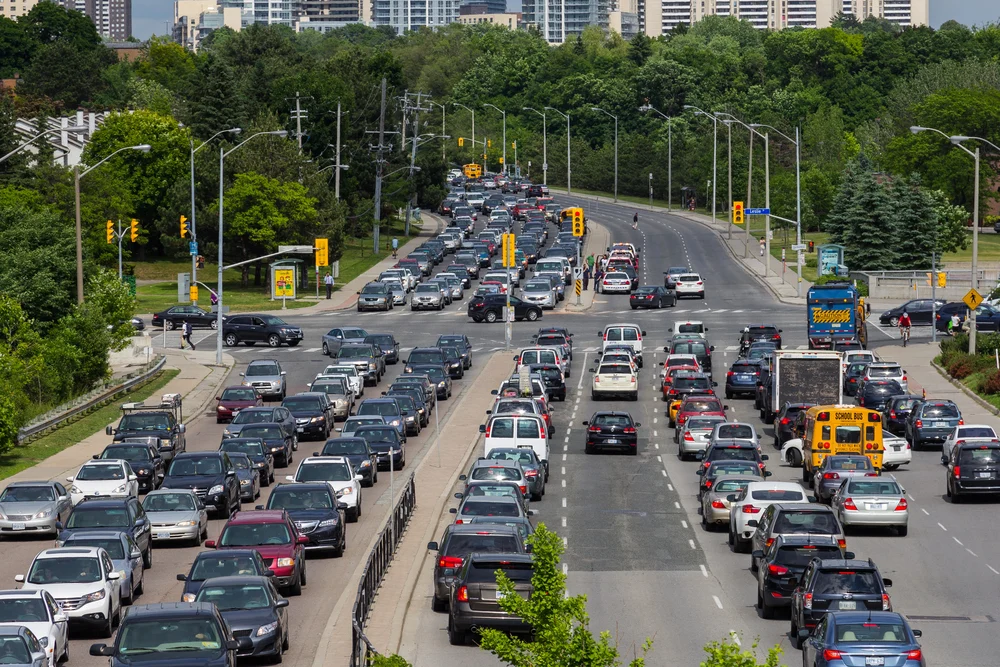
Across North America, the primary victims of this disruption are those who rely on the road for their livelihood. When a city hosts a major event, travel times balloon, congestion turns gridlocked arterial roads into parking lots, and stress levels among professional drivers spike. The ripple effects are felt in missed delivery windows, burned fuel, and a heightened risk of road accidents.
According to the survey, the impact is most acutely felt in Mexico, where drivers reported an average delay of 41 minutes per shift during major events. Canadian drivers face an additional 29 minutes, while U.S. drivers report an average delay of 27 minutes. While these numbers may seem marginal in isolation, when aggregated across thousands of commercial fleets and millions of daily commutes, the result is a staggering loss of economic efficiency.
Chronology of the Crisis: From Planning to Gridlock
To understand the scope of the problem, one must view the lifecycle of a major event through the lens of traffic management.
Pre-Event: The Planning Void
The friction begins long before the first fan enters the stadium. In the days leading up to a marquee event, road closures, lane restrictions, and the influx of tourists begin to compress the available road capacity. However, as the Geotab report suggests, the current state of communication between event organizers, city planners, and the logistics industry is often inadequate. Drivers reported that a lack of preemptive, clear communication is one of the primary drivers of their frustration.
During the Event: The Peak of Disruption
As the event reaches its crescendo, the impact on the road network hits its zenith. This period is characterized by erratic traffic patterns, increased idling, and an uptick in aggressive driving behavior. Commercial drivers, who are often operating on tight, time-sensitive schedules, find their routes compromised. The data shows that this is the window where fuel waste is at its highest, as vehicles sit stationary or move at a crawl for hours.
Post-Event: The Recovery Gap
The "exit surge" is perhaps the most dangerous phase of the event lifecycle. As thousands of attendees depart simultaneously, the infrastructure—already exhausted by the day’s activities—often fails to handle the concentrated volume of traffic. This is where safety risks are most pronounced, with drivers reporting heightened anxiety and a greater likelihood of near-misses and collisions.
Supporting Data: By the Numbers
The Geotab report serves as a diagnostic tool for the health of North American road networks. Its Host City Rankings, which utilize connected vehicle data to measure congestion, idling, safety, and resilience, offer a stark contrast between venues.
The Venue Spectrum
- Gillette Stadium (Foxborough, MA): Ranked at the top of the resilience list, indicating superior management of the complex traffic flow surrounding the venue.
- BMO Field (Toronto, ON): Ranked at the bottom, suggesting that the surrounding infrastructure struggles significantly to absorb the surge associated with major event days.
Stress and Sentiment
The psychological toll on drivers is undeniable. When asked about their stress levels during major events:
- Mexico: 89% of respondents reported increased stress.
- United States: 79% of respondents reported increased stress.
- Canada: 76% of respondents reported increased stress.
The Environmental and Economic Toll
Fuel waste, a byproduct of idling in traffic, is a major concern for fleet managers and independent drivers alike. The survey revealed that 83% of Mexican drivers, 67% of Canadian drivers, and 63% of U.S. drivers express deep concern regarding the fuel inefficiency caused by event-related congestion. Furthermore, the correlation between large-scale events and road safety risks is a major alarm bell, with 84% of Mexican, 77% of U.S., and 69% of Canadian drivers noting that their work environment becomes inherently more dangerous during these times.
Official Perspectives: The Data-Driven Solution
Mike Branch, vice-president of data and analytics at Geotab, highlights that the problem is not merely about traffic—it is about the integrity of the supply chain.
"Drivers already do a stressful job and major events like the World Cup add another layer of pressure," Branch stated. "They change delivery routes, extend work shifts, increase idling and add pressure for drivers who still need to move goods, provide services and keep local businesses running."
Branch argues that the solution lies in a paradigm shift regarding how cities and private enterprises interact with data. By leveraging connected vehicle data, municipalities can move away from reactive traffic management and toward a proactive, predictive model.
"Survey data tells us drivers already feel the impact of major events," Branch noted. "Connected vehicle data helps cities and businesses see where that impact is likely to be most severe, how far disruption spreads, and where planning can make the biggest difference."
Implications: The Path Toward Smarter Urban Mobility
The implications of these findings are profound for city planners, transit authorities, and the logistics sector. As urbanization continues and the demand for global events shows no sign of slowing, the "business as usual" approach to traffic management is no longer sustainable.
Improving Communication and Signage
The consensus among drivers across all three surveyed nations is clear: they are not asking for events to stop; they are asking for better management. Enhanced signage, clearer communication of road closures, and more efficient crowd-control measures are the baseline requirements for improvement.
Data-Driven Infrastructure Planning
The use of telematics and connected vehicle data allows for a granular view of how traffic behaves during peak events. Municipalities that embrace this technology can create "digital twins" of their road networks, allowing them to test traffic rerouting strategies before they are implemented. By understanding the "spillover" effect—where traffic from a stadium affects commercial routes miles away—cities can implement smarter zoning and scheduling for service vehicles.
The Future of Logistics
For logistics companies, the Geotab report acts as a roadmap for operational resilience. By integrating real-time traffic intelligence into routing software, fleets can bypass the worst bottlenecks. This not only protects the driver’s mental well-being but also preserves profit margins by reducing fuel consumption and ensuring that deliveries meet their time-sensitive targets.
Conclusion
The intersection of public entertainment and public infrastructure is becoming increasingly congested. The Geotab report serves as both a warning and an invitation. While major events bring cultural and economic vitality to our cities, they also expose the fragile nature of our road networks.
By moving toward a more collaborative, data-informed approach to urban management, we can ensure that the excitement of a concert or a soccer match does not come at the expense of the professional drivers who keep North American society moving. The technology exists to map the disruption, predict the congestion, and safeguard the workforce. Now, the challenge lies in the hands of the cities and planners to implement these solutions before the next major event turns the streets into a standstill.
