




By Industry Desk
Published September 8, 2026
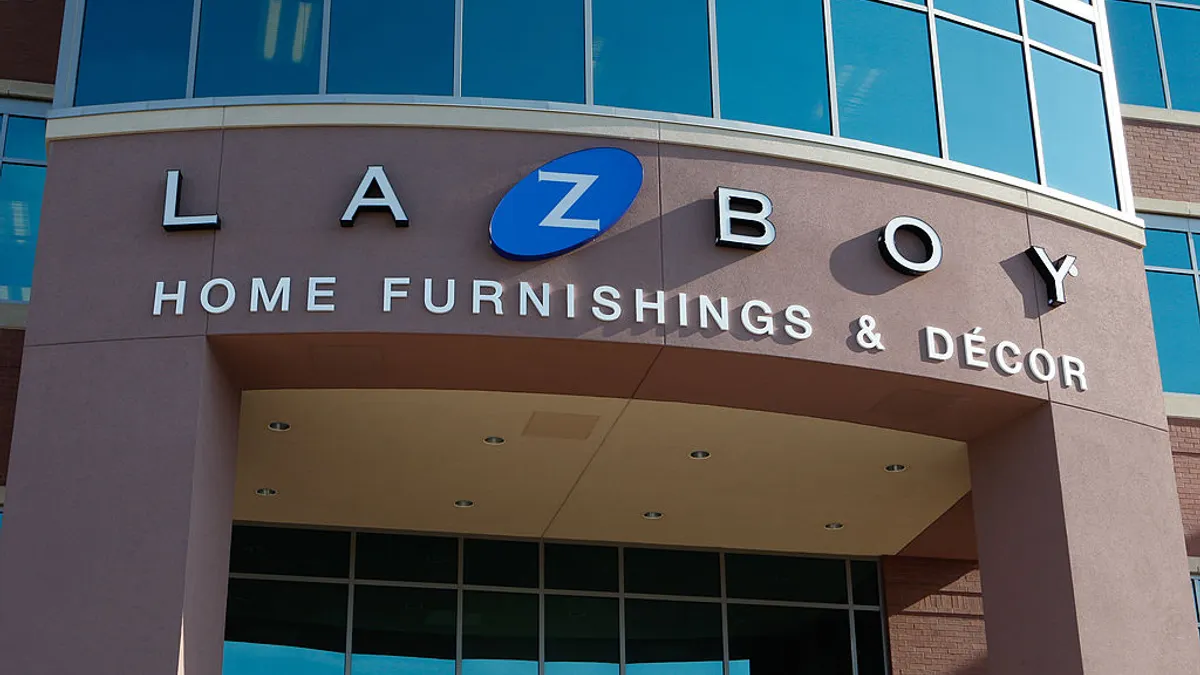
In a move that signals a fundamental shift in how legacy furniture manufacturers manage logistics, La-Z-Boy Incorporated has announced a $23 million investment to expand its manufacturing footprint and construct a cutting-edge, 150,000-square-foot distribution hub in Neosho, Missouri. This development, confirmed by the Missouri Department of Economic Development on August 31, underscores the company’s aggressive commitment to consolidating its fragmented supply chain into a more agile, centralized network.
The project is not merely an infrastructure upgrade; it represents a core pillar of La-Z-Boy’s multiyear strategic plan to modernize operations, slash overhead, and improve the delivery experience for the end consumer. By anchoring this new hub at the site of one of its oldest and most productive manufacturing facilities, the furniture giant is effectively marrying its historic roots with the demands of a high-velocity, digital-first retail market.
The Strategic Anatomy of the Expansion
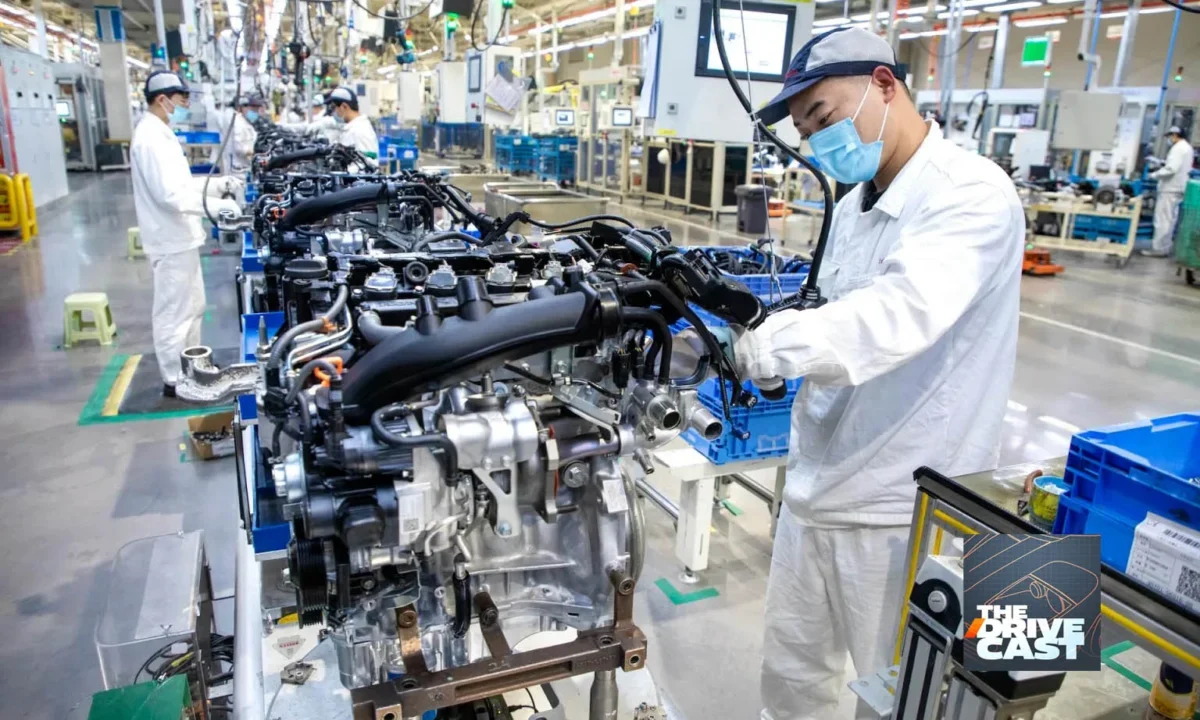
The Neosho facility has long served as a crown jewel in La-Z-Boy’s manufacturing portfolio, responsible for producing a significant portion of the company’s customized furniture offerings. For years, the factory operated in a traditional, somewhat siloed capacity. The addition of a 150,000-square-foot distribution center directly adjacent to this manufacturing site marks a pivot toward a "make-and-ship" model that minimizes lead times and reduces the friction inherent in moving bulky, customized goods across long distances.
Melinda Whittington, president and CEO of La-Z-Boy, emphasized that the decision to build in Neosho was driven by data-backed operational necessity. "It was clear that expanding our presence in the city with a distribution center would deliver enhanced operational efficiencies for the enterprise and also fortify an already strong consumer experience," Whittington stated in the official release.
For Neosho, the economic impact is tangible. The project is expected to create up to 100 new full-time jobs, reinforcing La-Z-Boy’s status as the city’s largest manufacturing employer. To facilitate this investment, the state of Missouri has approved a package of tax credits and withholding incentives through the Missouri Works Program, totaling $356,304, contingent upon the company meeting specific hiring and investment benchmarks.
Chronology of a Network Overhaul
The Neosho project is a critical component of a broader, multi-phase distribution overhaul that has been years in the making. Understanding the timeline of this transformation reveals the scale of the logistical challenges La-Z-Boy has undertaken:
- Early 2024: La-Z-Boy initiates its comprehensive distribution redesign, identifying the need to transition from a decentralized, legacy model to a centralized, hub-and-spoke system.
- Early 2025: The company officially opens its first major regional hub in Arizona, marking the successful launch of its "Western Hub." This facility served as the pilot program for the new, streamlined distribution strategy.
- Late 2025 – Early 2026: Following the success of the Western hub, the company begins the final phases of its network transition, moving to establish the Midwest and Eastern hubs.
- August 31, 2026: The Missouri Department of Economic Development formally announces the $23 million investment package for the Neosho site.
- September 2026: The company confirms the integration of the Neosho site into its national network, aiming for substantial completion of the broader distribution revamp by the end of the calendar year.
This timeline reflects a deliberate, phased approach. Rather than attempting a "big bang" implementation, the company tested its model in the West before scaling the logistics architecture to the Midwest, demonstrating a conservative but firm commitment to risk mitigation in its supply chain.

Supporting Data: The Case for Consolidation
The drive toward centralization is backed by compelling financial and operational metrics. In recent earnings calls, La-Z-Boy leadership has articulated a clear vision for the "new" supply chain: a reduction of the total number of regional distribution centers from 15 to three.
Key Performance Indicators (KPIs) for the Overhaul:
- Warehouse Footprint: The company is targeting a 30% reduction in total warehouse square footage. By centralizing inventory in high-efficiency hubs, La-Z-Boy eliminates redundant storage space and optimizes inventory turnover ratios.
- Transportation Efficiency: The new network is designed to reduce heavy-furniture delivery mileage by approximately 20%. In an era of volatile fuel prices and rising labor costs, reducing the "last mile" and "middle mile" distance traveled is a direct path to margin expansion.
- Margin Growth: The reduction in overhead—combined with the speed of delivery—is expected to have a cumulative, positive effect on the company’s operating margins. As noted in recent filings, the transition is expected to deliver long-term value for shareholders by curbing the "drag" caused by legacy, inefficient logistics operations.
Official Responses and Economic Context
The partnership between La-Z-Boy and the state of Missouri highlights the role of public-private cooperation in industrial retention. Missouri officials view the investment as a validation of the state’s manufacturing ecosystem.
"La-Z-Boy’s decision to continue investing in their Neosho facility is a testament to the talent and dedication of our workforce," noted representatives from the Department of Economic Development. The state’s incentive package is designed to offset the initial capital expenditure of the distribution center, ensuring that the company maintains its competitive edge while providing high-quality, stable employment in a regional market.
For the employees in Neosho, the announcement provides long-term security. By anchoring the distribution hub to the manufacturing plant, La-Z-Boy is essentially "future-proofing" the facility against the risk of outsourcing or closure, as the factory is now integrated into the company’s essential infrastructure.

Implications: The Trend Toward Logistics Centralization
La-Z-Boy’s strategy is not an isolated incident. Across the manufacturing and retail sectors, major players are aggressively restructuring their distribution networks to combat rising costs and changing consumer expectations.
Comparative Industry Shifts:
- Hasbro: The toy giant recently cut its distribution nodes from five to three, opening a massive 600,000-square-foot facility in Georgia. Like La-Z-Boy, Hasbro is prioritizing speed and cost-efficiency to remain competitive in a digital-heavy retail environment.
- Procter & Gamble (P&G): P&G is currently executing a massive multiyear plan to consolidate 50 separate distribution centers across Europe into a single, unified warehousing center. This represents the extreme end of the "centralization" trend, aiming for maximum economies of scale.
- PepsiCo: In North America, PepsiCo is testing the integration of its snack and beverage distribution channels. By housing both product lines in the same warehouses, the company aims to reduce facility overlap and optimize delivery routes for its vast fleet.
The Macro View
The underlying theme across these examples is the "death of the silo." For decades, companies grew through acquisition and decentralized logistics, resulting in redundant, inefficient networks. Today, the combination of advanced warehouse management systems (WMS), predictive analytics, and the necessity of high-speed delivery to the consumer’s doorstep is forcing a return to centralized, high-efficiency logistics.
For La-Z-Boy, the Neosho expansion is the final piece of a puzzle that began years ago. By the time the Midwest and Eastern hubs are fully operational, the company will have effectively transformed itself from a traditional manufacturer with an outdated logistics arm into a modern, data-driven furniture leader. The $23 million investment in Missouri is not just about building walls and roofs; it is about building a competitive moat that will serve the company for the next generation of furniture retail.
As the industry watches, the success of this transition will likely serve as a case study for other legacy retailers struggling to balance the heritage of their manufacturing operations with the relentless efficiency demands of the 21st-century supply chain.
