




By Dan Zukowski
Published August 24, 2026
In a significant milestone for Southern Nevada’s evolving infrastructure, the Regional Transportation Commission of Southern Nevada (RTC) officially inaugurated a new 7.3-mile Bus Rapid Transit (BRT) corridor on August 23, 2026. The $378 million project represents more than just a transit upgrade; it serves as a masterclass in modern, climate-resilient urban design, weaving together high-frequency public transportation, pedestrian-centric sidewalk expansions, and aggressive environmental cooling strategies.
The corridor, which connects key residential and commercial hubs, stands as one of the most ambitious public works projects in the region’s history. As Las Vegas continues to grapple with the dual pressures of explosive population growth and record-breaking desert heat, this project offers a glimpse into how American cities can modernize their transit networks without the prohibitive costs and lengthy timelines of light rail construction.
The Anatomy of the Project: Main Facts
The project is a comprehensive reimagining of a major arterial roadway. Spanning 7.3 miles, the corridor was designed to prioritize movement for all modes of transport—buses, cyclists, pedestrians, and automobiles alike.
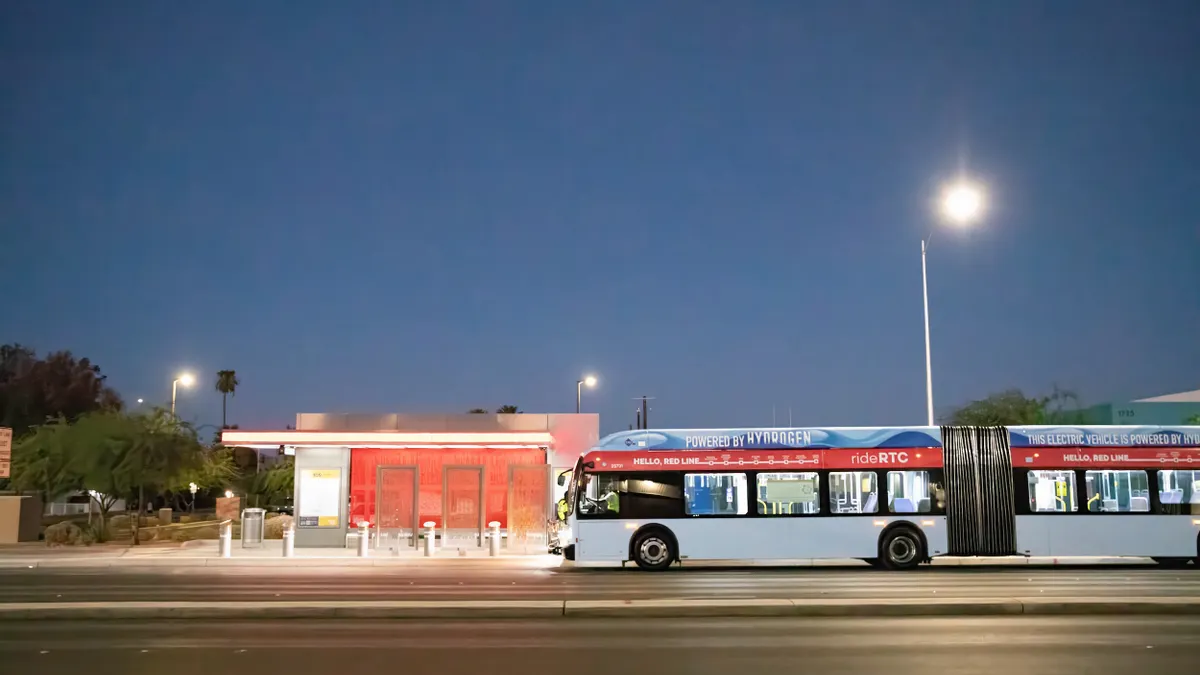
At the heart of the investment is the deployment of a new fleet of 60-foot zero-emission buses. These vehicles are designed to provide a "rail-like" experience, offering high-frequency service with a 12-minute headway during daylight hours. To ensure these buses remain efficient, the RTC has implemented dedicated outside lanes, effectively insulating transit from the congestion of general-purpose traffic. Furthermore, the installation of transit signal priority (TSP) technology allows buses to communicate with traffic signals, extending green lights to minimize dwell time at intersections.
The financial scaffolding for this $378 million initiative was a collaborative effort, drawing from a blend of federal grants, regional funding, and local sales tax revenue. This diversified funding model highlights the increasing reliance on multi-layered financial strategies to complete complex urban infrastructure projects in the post-pandemic era.
A Timeline of Transformation: Chronology
The realization of the BRT corridor was a multi-year endeavor marked by both operational challenges and strategic planning.
- Pre-Construction Phase (2022–2023): Initial planning focused on corridor selection, environmental impact assessments, and securing the necessary federal grants. The RTC identified the route as a critical artery, home to over 63,000 residents and 109,000 jobs.
- The Construction Period (2024–Early 2026): As work began, the corridor faced the inevitable disruptions of heavy construction. During this time, ridership on the existing local routes dipped to approximately 9,000 daily passengers as construction zones temporarily hindered accessibility.
- The Final Push (Mid-2026): The final months involved the "greening" of the corridor—the strategic planting of trees and the completion of the 10-foot-wide sidewalks.
- Opening Day (August 23, 2026): The line officially opened to the public, marking the transition from a traditional bus route to a high-capacity, modern BRT system.
The successful completion of this timeline reflects a broader trend seen across the United States, where cities are increasingly prioritizing "quick-start" transit solutions. According to data tracked by the Urban Institute, this Las Vegas project is one of over a dozen major transit corridors opening nationwide in 2026, signaling a robust year for public infrastructure.
Data-Driven Growth: Supporting Evidence
The RTC’s projections for the corridor are ambitious but rooted in clear demographic and traffic data. Before the upgrades, the corridor carried nearly 35,000 vehicles daily. By creating a more efficient transit experience, the RTC expects to reverse the recent dip in ridership and grow the daily user base to 13,000 by 2040.
The efficiency gains are quantifiable: officials estimate a 20% reduction in bus travel time along the 7.3-mile stretch. This efficiency is achieved not only through the dedicated lanes but through the re-timing of traffic signals to optimize the flow for both transit and private vehicles, ensuring that the project does not unfairly penalize commuters who remain dependent on personal cars.

Perhaps the most compelling data point involves the environmental mitigation strategy. With extreme heat identified as the primary barrier to active transportation in Southern Nevada, the RTC opted for a "dual-canopy" approach. By planting trees on both sides of the roadway and within the central median, the project seeks to lower the "urban heat island" effect. This is complemented by the widening of sidewalks from a standard 5 feet to a more generous 10 feet, creating a safer and more inviting environment for pedestrians.
Official Responses: Navigating the Future
Leadership at the RTC has been vocal about the necessity of this project in the context of broader regional growth.
"As Southern Nevada continues to grow, we’re focused on delivering a better transit experience for every rider," said M.J. Maynard-Carey, CEO of the RTC, in a statement accompanying the launch. She acknowledged that while the project is a massive win for the region, the agency remains mindful of the "ongoing transit funding challenges" that plague many municipal transportation authorities.
When asked about the cost of service, officials noted that fares remain consistent with existing RTC routes for the time being. However, the agency has already begun the process of public consultation regarding a potential fare increase next year. This delicate balance—improving service quality while maintaining fiscal sustainability—remains the central tension for transit boards across the country.
Regarding the urban design aspect, RTC officials highlighted the collaboration with local government agencies to "bring development closer to the corridor." By encouraging mixed-use, high-density development along the route, the agency hopes that buildings will provide natural shade, further reducing the temperature for pedestrians and transit users alike.

Implications: The Shift Toward Bus Rapid Transit
The success or failure of the Las Vegas BRT line will be closely watched by urban planners and municipal leaders nationwide. The project highlights a growing consensus in the transit industry: for many mid-sized and rapidly growing cities, Bus Rapid Transit is a more pragmatic choice than light rail.
Yonah Freemark, a prominent researcher at the Urban Institute and the mind behind The Transport Politic, has long advocated for this shift. "Many cities are choosing less expensive and more flexible bus rapid transit over light rail projects," Freemark noted. The flexibility of BRT—the ability to adjust routes, update technology, and phase construction more easily—is increasingly viewed as a competitive advantage in a world of shifting urban demographics and volatile construction costs.
A Model for "Cooler" Cities
The Las Vegas project’s focus on shade is particularly noteworthy. As climate change continues to drive extreme heat events, the "livability" of a city is no longer just about the speed of a train or the frequency of a bus; it is about the physical comfort of the passenger. By integrating tree canopies and building-to-street shading into the core design of the corridor, the RTC is effectively creating a new standard for desert infrastructure.
Economic and Social Connectivity
Ultimately, the project is designed to bridge the gap between where people live and where they work. With 109,000 jobs located along the 7.3-mile corridor, the improved connectivity serves as a vital economic engine. By making transit a more viable alternative to driving, the RTC is helping to reduce the overall transportation burden on low-to-moderate-income residents, while simultaneously easing the daily traffic load for everyone else.
As the ribbon-cutting ceremony fades into memory and the first commuters settle into their daily routines on the new line, the true impact of the $378 million investment will be measured in more than just ridership numbers. It will be measured in the daily quality of life for the residents of Las Vegas, the health of the local economy, and the resilience of a city learning to thrive in one of the harshest climates on Earth. The Las Vegas BRT is not just a bus line; it is a vital piece of a larger, more sustainable future for the American West.
