





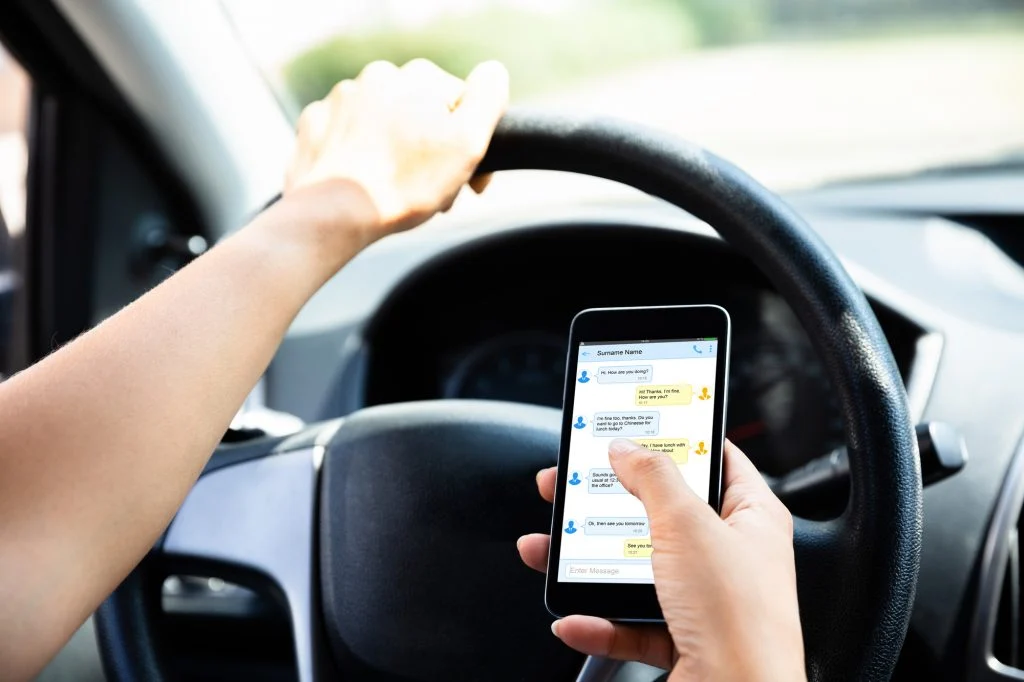
The act of driving, once viewed as a routine necessity of daily life, has transformed into a high-stakes environment defined by constant cognitive load and burgeoning hazards. According to a comprehensive 2026 national survey commissioned by Desjardins Insurance, the Canadian motorist is navigating a landscape increasingly fraught with distraction, chronic stress, and a troubling normalization of risky behaviors. The findings, derived from data collected from nearly 4,000 Canadians, suggest that road safety is no longer merely a matter of individual discipline, but a complex intersection of technological advancement, urban density, and human fatigue.
The Changing Face of Distracted Driving
For years, public safety campaigns have focused almost exclusively on the dangers of handheld devices. While cell phone use remains a critical concern, the Desjardins survey reveals a tectonic shift in what actually pulls a driver’s eyes and mind away from the road.
The data indicates that three in five Canadians view distracted driving as the primary menace on the road. However, the hierarchy of distractions has been reordered. External factors—such as heavy traffic congestion, the movement of pedestrians, and chaotic activity outside the vehicle—now account for 35 per cent of reported distractions, narrowly eclipsing cell phone use, which was cited by 32 per cent of respondents.
This shift suggests that modern infrastructure and the sheer density of urban environments are contributing to "cognitive overload." When drivers are forced to process a constant stream of external stimuli, their ability to filter relevant information diminishes, leading to slower reaction times and impaired decision-making. Furthermore, the proliferation of sophisticated in-vehicle technology—integrated touchscreens, navigation systems, and voice-activated infotainment—was identified by 26 per cent of respondents as a significant factor in their loss of focus.
Beyond electronics and external traffic, 22 per cent of drivers admitted that mundane habits, such as eating or drinking while behind the wheel, continue to degrade safety standards. These "everyday" distractions are often normalized, yet they fundamentally reduce a driver’s preparedness for the unexpected.
The Mental Toll: Fatigue and Stress as Silent Hazards
Perhaps the most alarming trend highlighted by the survey is the prevalence of physiological impairment that does not involve substances. Nearly half of the respondents (49 per cent) reported that they frequently operate a vehicle while feeling stressed or fatigued.
The implications of this are profound. Fatigue, often compared to alcohol impairment in terms of its effect on reaction time and situational awareness, is frequently overlooked by commuters who treat it as an unavoidable byproduct of a busy lifestyle. Similarly, stress functions as a cognitive drain. When a driver is preoccupied with personal, professional, or financial anxieties, the "mental bandwidth" available to scan mirrors, anticipate the actions of other motorists, and interpret traffic signals is significantly compromised.
"Road safety is about more than individual behaviour; it’s shaped by the conditions drivers face every day," says Valérie Lavoie, president and chief operating officer of Desjardins General Insurance Group. "Canadians are navigating distraction, stress, and constant external demands all at once. When these factors collide, the margin for error shrinks significantly."
The Disconnect: Awareness vs. Action
A recurring theme throughout the survey results is the cognitive dissonance between what Canadians know to be dangerous and how they choose to behave. This is most evident in the debate surrounding speeding.
While an overwhelming 85 per cent of respondents correctly identified speeding as a significant risk factor for collisions and fatalities, this consensus does not translate into universal compliance. A staggering 26 per cent of drivers openly admitted that they consider it "acceptable" to exceed posted speed limits under certain conditions. This admission highlights a cultural normalization of speeding, where drivers feel empowered to decide for themselves when a law is "necessary" versus when it is "optional."
This disconnect extends beyond speeding. The survey results paint a picture of a population that is hyper-aware of the dangers posed by their peers, yet frequently ignores those same dangers in their own conduct. Many Canadians report regularly witnessing unsafe behaviors from other motorists—aggressive lane changes, tailgating, and rolling through stop signs—yet they are often blind to the ways in which their own minor infractions contribute to the same ecosystem of danger.
Chronology of Road Safety Trends
To understand the current crisis, one must look at the evolution of the driving environment over the past decade:
- 2016–2019: The Smartphone Era. Safety initiatives focused almost entirely on "texting and driving." Legislation was tightened across all provinces, and police departments launched high-profile enforcement campaigns.
- 2020–2022: The Pandemic Shift. Road patterns changed drastically. With fewer cars on the road during lockdowns, some drivers adopted more aggressive habits. Post-lockdown, the return to normal traffic volumes created a volatile mix of increased congestion and "rusty" driving skills.
- 2023–2025: The Technological Integration. The rise of "connected vehicles" and touch-heavy dashboards introduced new forms of in-cabin distraction. Simultaneously, urban design began to struggle with the influx of micro-mobility options, such as e-scooters and increased cycling infrastructure, adding layers of complexity to the driving task.
- 2026 (The Current Survey): The focus has shifted from single-source distractions (the phone) to the "total environment" model. Policymakers and insurers are now looking at how stress, fatigue, and the complexity of modern vehicle interiors work in tandem to create a perfect storm of risk.
Supporting Data: A Statistical Snapshot
The 2026 Desjardins survey provides a granular look at the state of Canadian roads:
- Primary Distractions: 35% attribute focus loss to external activity; 32% to cell phones; 26% to in-vehicle tech; 22% to eating/drinking.
- The Stress/Fatigue Factor: 49% of drivers report frequent fatigue or stress while driving.
- The Speeding Paradox: 85% agree speeding is dangerous; 26% believe it is acceptable to break the limit.
- Sample Size: The survey engaged 4,000 Canadians, providing a robust statistical representation of national driving habits across provinces, age demographics, and urban versus rural settings.
Official Responses and Strategic Implications
The implications of this survey are far-reaching for policymakers, urban planners, and insurance providers. If road safety is, as Lavoie suggests, a byproduct of the "conditions drivers face," then the solution cannot rely solely on ticketing and fines.
Implications for Urban Planning
The fact that external distractions—pedestrians, traffic flow, and urban activity—are now the leading cause of distraction suggests that city planners must prioritize "forgiving" road design. This involves better lighting, clearer signage that reduces cognitive load, and separated infrastructure for vulnerable road users (cyclists and pedestrians) to prevent the constant "start-stop" and hyper-vigilance required by mixed-use lanes.
Implications for Insurance and Technology
For the insurance industry, the data underscores a need for personalized driver feedback. As in-vehicle technology becomes a source of distraction, some experts suggest that the future of automotive safety may lie in "driver monitoring systems" (DMS). These systems use internal cameras to detect signs of fatigue or distraction and issue warnings, effectively using technology to combat the very distractions technology has helped create.
Implications for Public Policy
The disconnect regarding speeding laws suggests that traditional enforcement may be hitting a ceiling of efficacy. Public awareness campaigns may need to evolve from "speeding kills" (a message most already know) to "how your stress levels impact your reaction time." Education regarding the "hidden" dangers of driving while tired or emotionally compromised could be the next frontier in Canadian road safety.
Conclusion: A Call for Mindful Motoring
The 2026 Desjardins survey serves as a wake-up call for Canadians. It challenges the common narrative that "other drivers" are the problem, forcing us to confront the role our own stress, fatigue, and complacency play in the safety of our communities.
As vehicles become more automated and roads more crowded, the human element—our focus, our mood, and our choices—remains the most critical safety feature on the road. Addressing the crisis of distracted and stressed driving will require more than just legislative changes; it will require a fundamental shift in how Canadians perceive the act of driving: not as a time to catch up on tasks or release the frustrations of the day, but as a primary task that demands our full, undivided presence.
Moving forward, the combination of technological solutions, better urban design, and a renewed commitment to personal responsibility will be the only way to reverse the current trajectory and ensure that our roads become safer for everyone. The data is clear: the environment has changed, and it is time for the Canadian driver to change with it.
