




By Alejandra Carranza | August 21, 2026
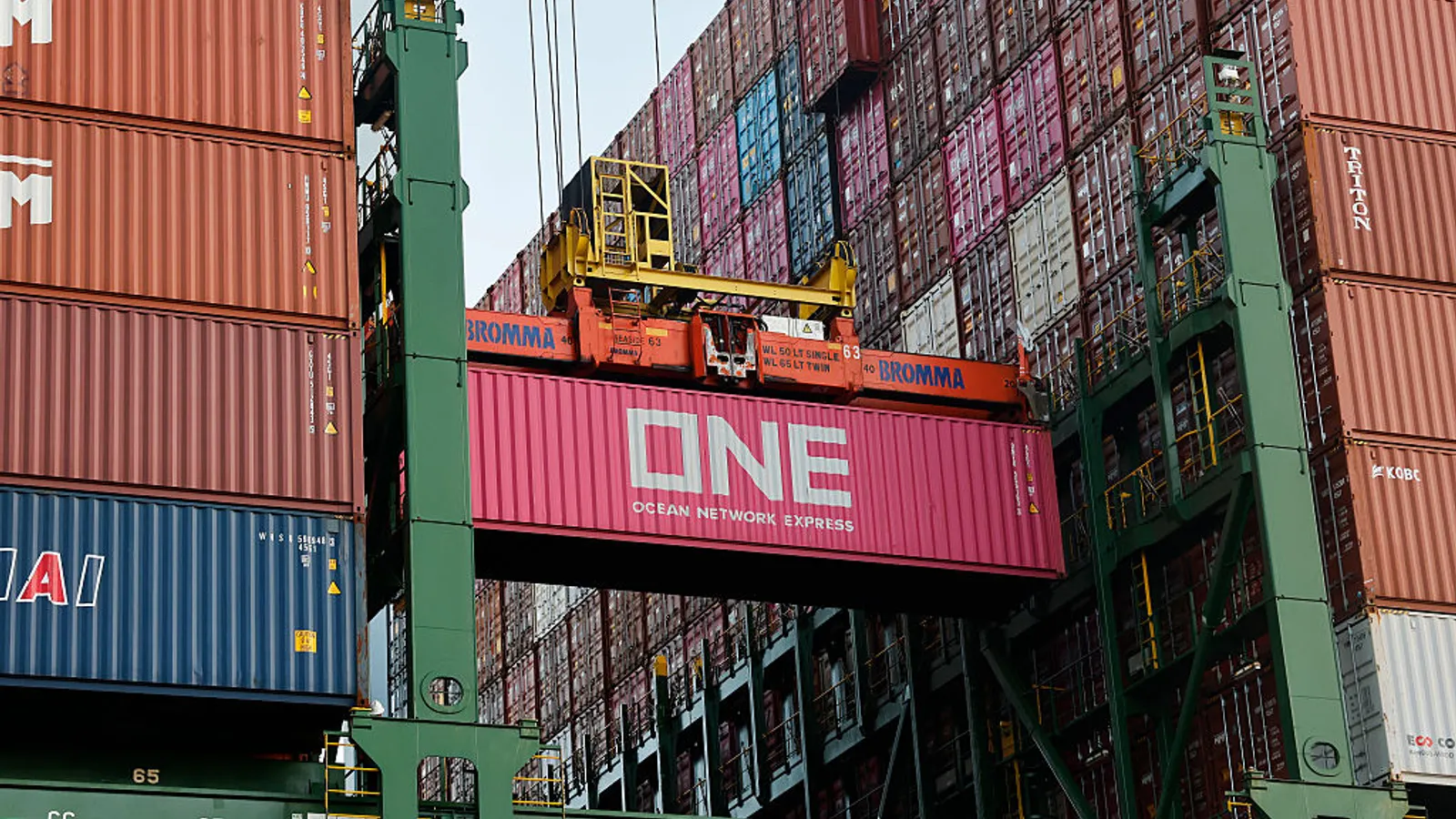
The Port of Los Angeles, the busiest gateway for containerized trade in North America, is preparing for a potential 5% surge in cargo volume as global supply chain instability forces shippers to reconsider their logistics strategies. With geopolitical friction in the Red Sea and persistent climate-related constraints at the Panama Canal, the West Coast is increasingly being viewed as a necessary buffer for importers looking to avoid transit delays.
As the port navigates this influx, it is actively coordinating with operating partners to ensure that terminal efficiency and inland logistics can handle the anticipated shift in trade flows.
Main Facts: A Gateway Under Pressure
The maritime logistics sector is currently grappling with a "triple threat" of uncertainty: geopolitical instability, climate-driven infrastructure limitations, and shifting trade policy. The Port of Los Angeles (POLA) has emerged as the primary beneficiary of these tensions, as carriers and shippers pivot toward the West Coast to bypass the bottlenecks plaguing East and Gulf Coast transit routes.
Executive Director Gene Seroka has signaled that the port is readying its infrastructure to accommodate a potential 5% uptick in volume. This growth is not merely speculative; it is a direct result of risk-aversion strategies adopted by major global retailers and manufacturers. By diversifying their points of entry, shippers are attempting to mitigate the risks associated with the Suez Canal—which remains a hotspot for security concerns—and the Panama Canal, which continues to struggle with the long-term impacts of drought-induced draft restrictions.
Chronology: The Evolution of 2026 Shipping Disruptions
The current state of play in global shipping is the culmination of events that began to unfold in late 2023 and accelerated through the first half of 2026.
- Late 2023 – Early 2024: Houthi-led attacks on commercial vessels in the Red Sea force major global carriers to divert ships around the Cape of Good Hope, adding weeks to transit times and significantly increasing fuel costs and insurance premiums.
- Early 2026: President Donald Trump invokes Section 122 of the 1974 Trade Act, imposing a 10% global tariff. This triggers a massive "frontloading" effect, where importers rush to move goods into the U.S. before the scheduled July expiration of the tariffs.
- May – July 2026: The Port of Los Angeles experiences a sustained surge in volume as companies expedite their supply chains to beat the July 24 tariff expiration deadline.
- July 2026: The Port of Los Angeles processes 960,464 TEUs (twenty-foot equivalent units). While this represents a 6% decrease year-over-year, it stands as the second-busiest July in the port’s history, highlighting the resilience of transpacific trade.
- July 9, 2026: Maersk confirms that select vessels have begun successfully traversing the Red Sea again, signaling a potential, albeit fragile, normalization of trade routes.
- September 2026 (Upcoming): The Panama Canal Authority is scheduled to implement further draft restrictions, forcing carriers to reduce the weight of their cargo or shift to alternative routes.
Supporting Data: Analyzing the Throughput
The numbers from the Port of Los Angeles provide a nuanced view of the current trade environment. While year-over-year comparisons show a slight contraction, the broader context—the five-year average—demonstrates a robust recovery and sustained demand.
July 2026 Performance Metrics:
- Total Processed TEUs: 960,464 (Down 6% YoY; up 7.5% vs. 5-year average)
- Loaded Imports: 499,552 TEUs (Down 8% YoY)
- Loaded Exports: 111,776 TEUs (Down 8% YoY)
- Empty Containers: 349,137 TEUs (Down 2% YoY)
The decline in loaded imports, when compared to the record-breaking figures of the previous year, is largely attributed to the "frontloading" phenomenon. Because so much cargo was pulled into the U.S. market between May and July, the traditional peak season rhythm has been distorted. Many retailers, fearful of the potential for prolonged tariff implementations or logistics failures, moved their Q3 and Q4 inventories months ahead of schedule.
Official Responses: Managing the Transition
Gene Seroka, the architect of the port’s recent operational strategies, has been vocal about the importance of "window of opportunity" planning. Regarding the impact of the Section 122 tariffs, Seroka noted:

"What we saw this year was that many importers saw a window of opportunity from May, June, and July to speed cargo into the market… they were set to bring that cargo in before the expiration on July 24th."
Seroka remains cautiously optimistic about the remainder of the year. While the urgency of the tariff deadline has passed, the persistent risks in the Red Sea and the Panama Canal suggest that shippers will continue to favor the reliable, high-capacity infrastructure of Southern California. "We expect another strong month in August, although some cargo that traditionally arrives later in the season has already moved," Seroka added.
The port is maintaining constant communication with terminal operators, chassis providers, and drayage companies to ensure that the projected 5% increase does not lead to the congestion issues seen in previous years.
Implications: The New Normal of Supply Chain Diversification
The current situation highlights a fundamental shift in how global supply chains are managed. The "Just-in-Time" model, which dominated the last two decades, is being replaced by a "Just-in-Case" philosophy.
1. The Panama Canal Conundrum
The Panama Canal’s ongoing struggle with water levels serves as a constant reminder of the vulnerability of maritime choke points. With new draft restrictions set for early September, carriers are already looking at alternative routing. This inevitably favors the Port of Los Angeles, as it avoids the "canal risk" entirely. Shippers are increasingly willing to pay higher overland transport costs (rail and truck) from the West Coast to reach the U.S. interior, rather than risking the potential delays of canal transit.

2. Geopolitical Volatility
While the Red Sea situation is showing signs of stabilization—as evidenced by Maersk’s recent successful transits—the psychological impact on supply chain managers remains. The risk of a sudden return to hostilities is high, leading to a permanent shift in route planning. Shippers are no longer willing to rely on single-route options; they are building "redundancy" into their logistics maps.
3. Regulatory Uncertainty
The expiration of the Section 122 tariffs has brought a temporary sense of relief, but the volatility of 2026 has left a lasting mark on import behavior. The "early peak season" is no longer an anomaly; it is a strategic response to a world where trade policy can change with the stroke of a pen.
4. Operational Efficiency
For the Port of Los Angeles, the challenge is maintaining high throughput while managing labor, warehouse capacity, and inland rail connections. The 7.5% increase over the five-year average proves that the port is currently performing well above its historical baseline. The key for the remainder of the year will be the coordination of cargo flow—ensuring that the incoming 5% volume boost does not overwhelm the drayage and rail networks that serve the broader Southern California logistics cluster.
Conclusion
As the global shipping industry enters the latter half of 2026, the Port of Los Angeles finds itself at the center of a major shift in trade patterns. By successfully absorbing the shocks of tariff deadlines and international security concerns, the port has solidified its status as a vital anchor for the North American economy. Whether this 5% volume growth materializes as expected or accelerates further, the port’s focus remains clear: leveraging data, maintaining open lines of communication with partners, and ensuring that the flow of goods remains as uninterrupted as possible in an increasingly unpredictable world.
