





By Max Garland | Published August 21, 2026
In the modern retail landscape, speed has transitioned from a competitive advantage to a fundamental consumer expectation. As shoppers increasingly demand the instant gratification of same-day fulfillment for everything from household groceries to last-minute gifts, retail giants are racing to shrink the gap between the "click" and the "doorstep." Leading this charge is Walmart, which, according to recent executive disclosures, is seeing a historic surge in demand for expedited delivery services—even as it tests the limits of consumer willingness to pay for that convenience.
The Core Data: A Surge in Expedited Demand
During its second-quarter earnings report, Walmart executives painted a clear picture: the faster the delivery, the more engaged the customer. The company’s Gross Merchandise Value (GMV) tied specifically to "fast delivery"—defined as services that complete a hand-off in three hours or less—soared by 48% year-over-year.
This growth is not merely a result of improved logistics, but a deliberate shift in consumer behavior. Walmart’s strategy of layering premium, high-speed delivery options—including 30-minute express services and drone-assisted arrivals—has gained significant traction. Most notably, the segment of store-fulfilled deliveries where customers opted to pay an additional fee for increased speed accounted for 37% of the total volume in the second quarter. This figure represents an all-time high, signaling that price sensitivity is becoming secondary to the utility of immediate receipt.
Chronology of an Omnichannel Evolution
To understand how Walmart reached this point, one must look at the systematic transformation of its brick-and-mortar footprint.
- The Foundation (2020–2023): Facing the pressures of a global pandemic, Walmart accelerated its "store-as-a-hub" model. It pivoted from using stores strictly as retail outlets to utilizing them as micro-fulfillment centers.
- The Expansion of Services (2024): Walmart solidified partnerships with drone delivery providers like Wing, expanding into new markets. Simultaneously, Sam’s Club launched a one-hour delivery service to combat the convenience offered by specialized e-commerce players.
- The Integration Phase (2025–2026): The current year has been defined by "density and utilization." Walmart has focused on refining its automated freight systems, ensuring that inventory moves from regional distribution centers to local store shelves with minimal manual intervention.
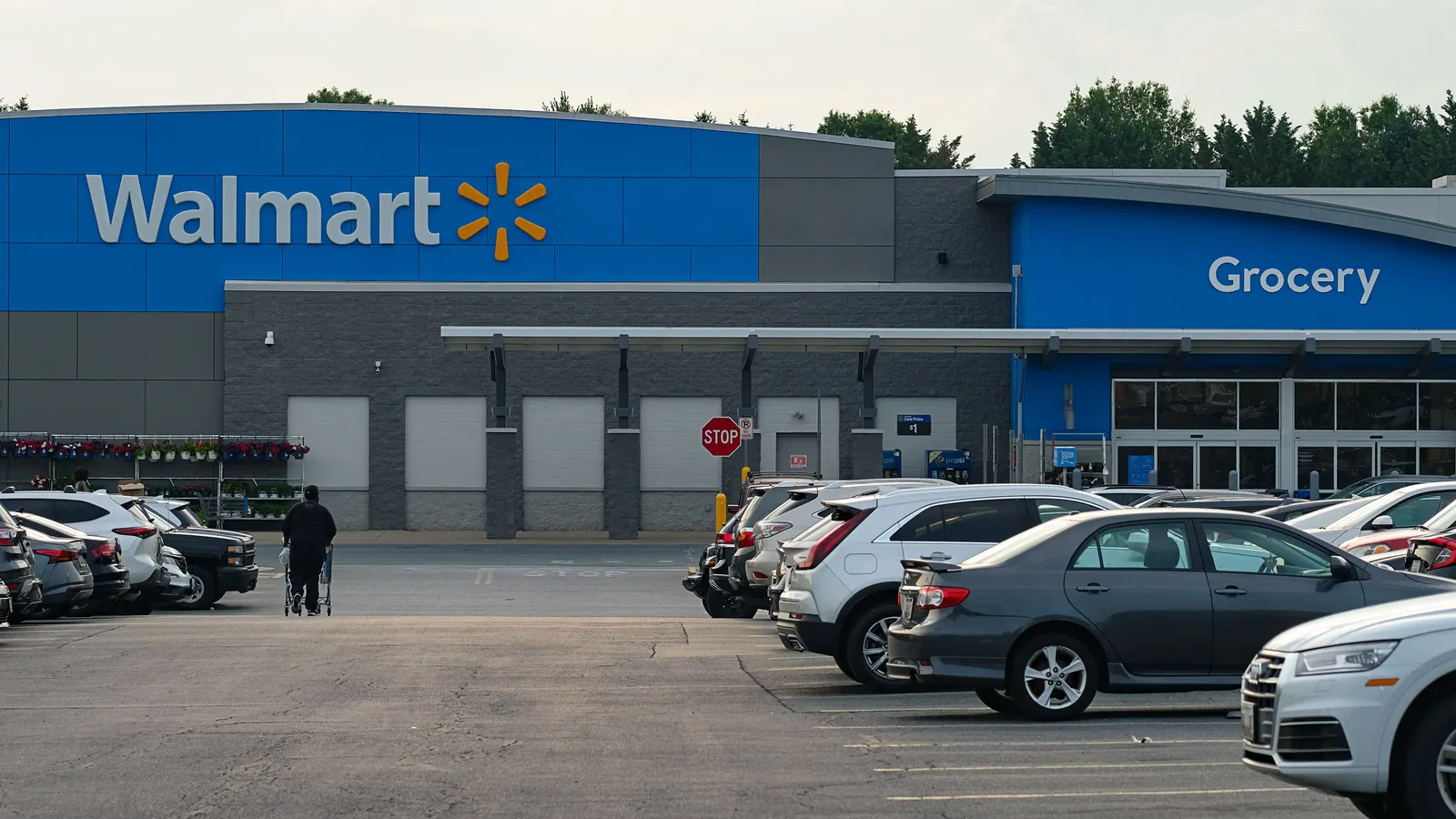
Today, the store is the primary node for Walmart’s logistics network. Currently, 80% of all e-commerce orders are fulfilled via store locations, a figure that climbs to 100% for the company’s "fast delivery" options.
Automation as the Engine of Efficiency
The ability to offer 30-minute delivery without eroding profit margins relies heavily on the "invisible" backend of the supply chain: automation.
John David Rainey, Walmart’s EVP and CFO, noted that approximately 3,100 of the retailer’s U.S. stores are now serviced by automated freight systems. In this model, freight is processed, sorted, and palletized by robotics before reaching the store floor. This transition serves a dual purpose: it reduces the labor burden on store associates and ensures that inventory levels remain high, preventing the "out-of-stock" scenarios that typically plague high-velocity delivery models.
By automating the "first mile" to the store, Walmart creates the stability required to execute the "last mile" to the customer’s home. As inventory moves more efficiently through the network, the economics of the omnichannel model improve, creating a virtuous cycle where speed and profitability begin to reinforce one another.
Official Perspectives: The "Significant Competitive Advantage"
John Furner, CEO of Walmart U.S., has been vocal about the strategic necessity of these investments. In his remarks to investors, he emphasized that Walmart’s massive physical footprint provides a defensive moat that purely digital competitors cannot easily replicate.

"Speed matters, and we have a significant competitive advantage," Furner said. "Our physical footprint, fulfillment infrastructure, and local delivery capabilities allow us to move closer to customers while maintaining an attractive cost structure."
Furner’s perspective highlights a critical reality: while other retailers struggle to build last-mile networks from scratch, Walmart already has a store within ten miles of roughly 90% of the U.S. population. By leveraging these existing assets, Walmart avoids the massive capital expenditures associated with building new, dedicated fulfillment centers in every major metropolitan area.
Implications for the Retail Industry
The success of Walmart’s speed-focused model carries profound implications for the broader retail industry.
1. The Death of the "Free Shipping" Standard?
For years, the industry standard was free, two-day shipping. Walmart’s data suggests that the new standard is becoming "paid, same-day delivery." By successfully charging a $10 fee for 30-minute delivery via the Walmart+ membership program, the retailer has proven that a subset of consumers is willing to pay a premium for time-savings, potentially altering the revenue models of competitors who have historically relied on subsidizing shipping costs.
2. The Polarization of Retail
Smaller retailers may find themselves in a precarious position. If the industry moves toward a model where 30-minute delivery is the baseline, firms lacking the massive scale and automated infrastructure of a Walmart or Amazon will face a "logistics divide." This may force smaller players to outsource their fulfillment to third-party providers or consolidate their operations to maintain profitability.

3. Sustainability and Density
Walmart’s focus on "density and utilization" hints at the environmental side of the equation. By delivering from a local store rather than a distant warehouse, the company reduces the distance each package travels. As the retailer improves its density—meaning more deliveries per route—the carbon footprint per package decreases. However, the reliance on drone and gig-economy driver networks remains an area of ongoing scrutiny regarding the environmental impact of fragmented, high-speed delivery.
Future Outlook: The Intersection of Tech and Logistics
As we look toward the remainder of 2026 and into 2027, the focus for Walmart appears to be the seamless integration of these disparate technologies. The goal is no longer just "getting it there fast," but "getting it there reliably."
The company’s ability to maintain high in-stock levels while simultaneously fueling a 48% growth in fast-delivery GMV is a testament to the power of their data-driven inventory management. As Furner indicated, the advantages are building on each other: better inventory visibility leads to fewer errors; fewer errors lead to higher customer trust; and higher trust leads to more frequent use of premium, fee-based delivery services.
Ultimately, Walmart’s trajectory suggests that the future of retail is not just about the product, but the precision of the delivery. By transforming their physical stores into high-tech fulfillment hubs, they have effectively positioned themselves to capture the most lucrative segment of the modern shopper—the one who views time as a luxury and is willing to pay for the privilege of saving it.
Whether this trend of paying for speed will hold up during periods of economic contraction remains to be seen. However, for now, the data is unequivocal: in the race for the modern consumer, Walmart is not just participating—it is setting the pace.
