





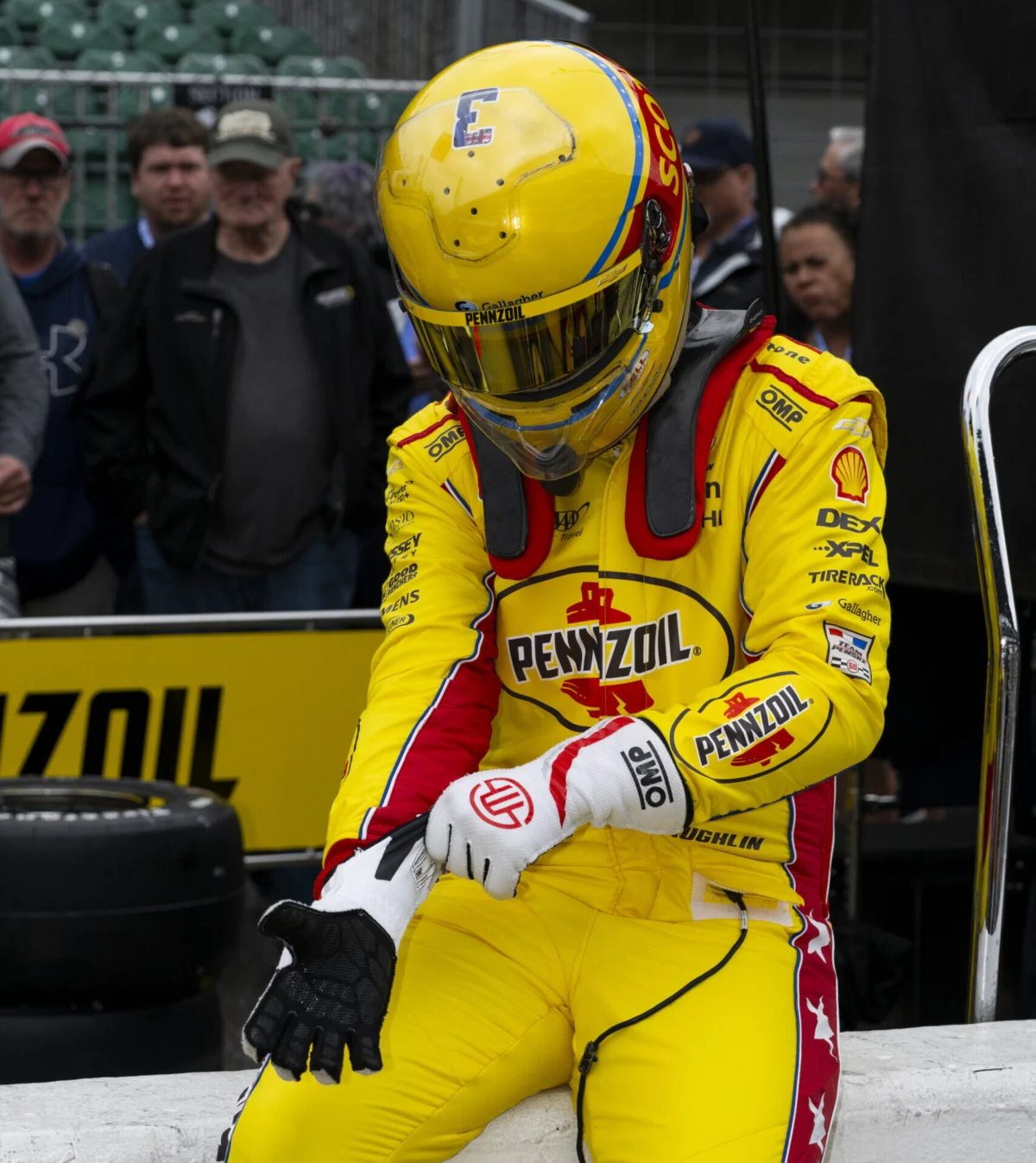
In the high-stakes world of the NTT IndyCar Series, victory is measured in milliseconds, but the foundation of that success is built on microscopic protection. While fans focus on the aerodynamic efficiency of the wings or the skill of drivers like Scott McLaughlin, a parallel battle is waged deep within the heart of the 2.2-litre twin-turbo V6 engines. Here, Pennzoil engineers and Team Penske technicians engage in a relentless quest to master the physics of friction, heat, and fluid dynamics. By pushing lubricants to their absolute physical limits on the track, these experts are not just chasing podiums—they are pioneering the next generation of engine oil technology for the everyday commuter.
Main Facts: The Physics of the Track
The IndyCar environment represents one of the most demanding laboratories on the planet. Conventional automotive engines operate under predictable cycles; by contrast, an IndyCar power unit is a masterpiece of extreme engineering. These engines routinely rev past 12,000 RPM and spend the vast majority of a race weekend at full throttle.
This creates a "thermal assault" on the lubricant. As the engine temperature spikes, the oil must maintain a stable viscosity—the measure of a fluid’s resistance to flow. If the oil becomes too thin, the critical "oil film" that separates metal-on-metal components vanishes, leading to catastrophic wear. If it becomes too thick, parasitic drag saps the engine’s 700+ horsepower. Balancing this chemical tightrope is the primary responsibility of the Pennzoil technical team, which serves as the official lubricant partner for both Team Penske and the IndyCar Series at large.
Chronology: A Partnership of Innovation
The collaboration between Pennzoil and Team Penske is long-standing, evolving alongside the technological leaps within the sport. For Dr. Jung Fang, the associate technology manager for North American motorsports at Shell-Pennzoil, this relationship is deeply personal.
"I remember my very first IndyCar race was in the exhibition place in Canada," Dr. Fang recalls. "I know it’s no longer there—we’ve moved to venues like Markham—but Canada and the IndyCar race have always had a special place in my heart."
Over the decades, this partnership has transitioned from simple sponsorship to a deep-integrated engineering consultancy. During every race weekend, the chronology of the effort is constant:
- Pre-race Simulation: Engineers model expected oil temperatures based on track layout and ambient weather.
- Real-time Telemetry: During the race, sensors feed data on oil pressure and temperature back to the pits.
- Post-race Analysis: Immediately following the checkered flag, lubricant samples are extracted for laboratory forensic analysis, tracking wear metals and oxidative breakdown.
This cycle ensures that the "lesson of the race" is captured, cataloged, and applied to future iterations of consumer-grade motor oils.
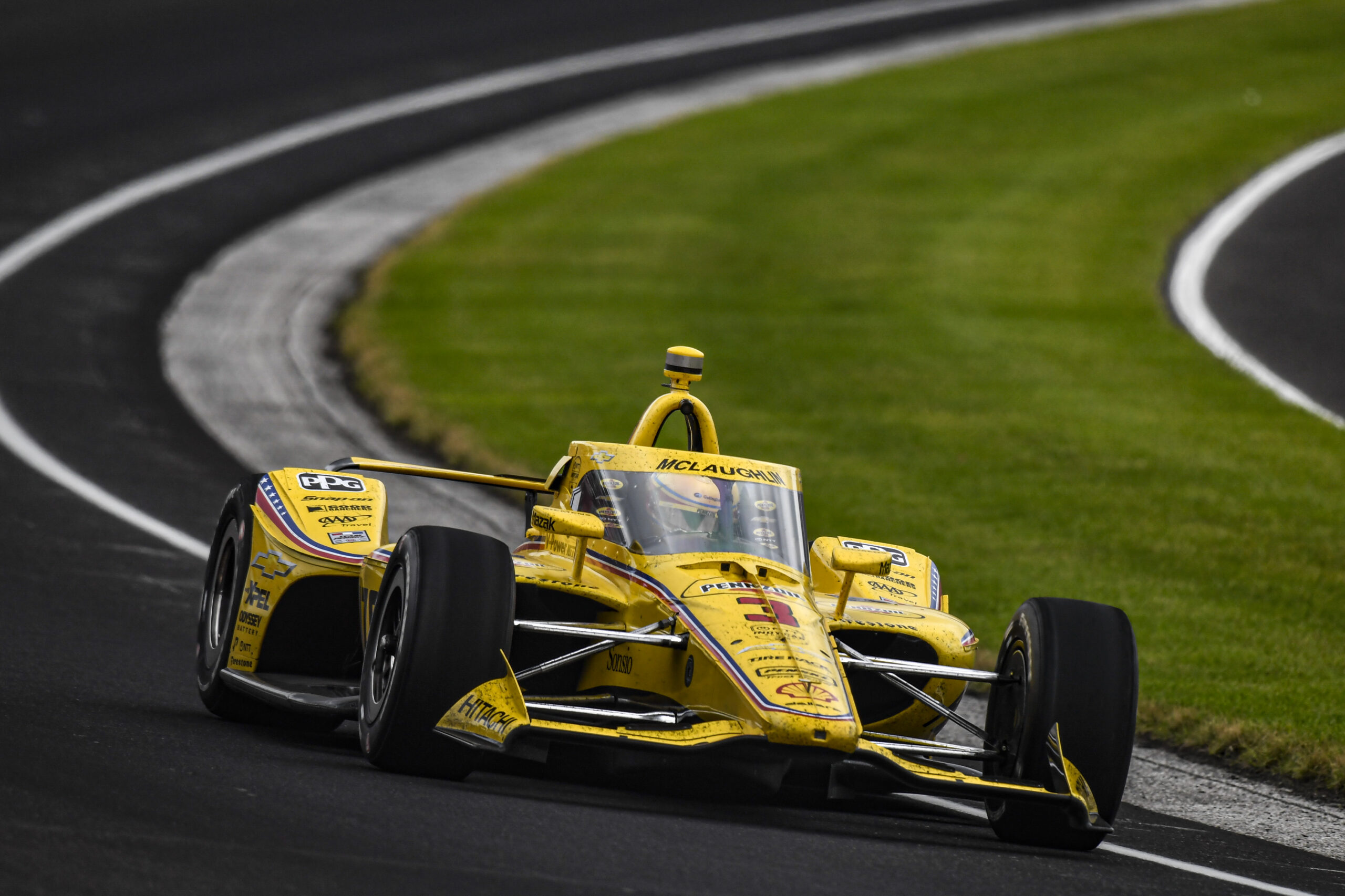
Supporting Data: When Engineering Meets Extremes
The data harvested from an IndyCar engine is voluminous. To understand the health of the engine, engineers focus on three primary metrics: Thermal Stability, Oxidative Stability, and Shear Strength.
The Threat of Aeration and Foam
One of the most insidious threats to an IndyCar engine is the formation of foam. As Dr. Fang explains, when oil temperatures soar, the oil can become agitated to the point of aeration. "When oil starts to foam, it cannot form a steady film between metal parts," he notes. "Air pockets are essentially empty space where protection should be. Furthermore, these bubbles make it significantly harder for the oil to carry heat away from the engine’s internal surfaces."
The "Wear Metal" Forensic Audit
Team Penske’s IndyCar development engineer, Andrew Miller, oversees the "wear-metal analysis" process. After every track session, technicians extract oil samples and subject them to laboratory testing to identify microscopic concentrations of iron, aluminum, and copper.
"Higher-than-expected levels of these metals are a smoking gun," Miller explains. "It tells us that the oil film thinned out or failed, allowing internal components to rub against each other. If we see elevated wear metal, it triggers an immediate review of our additive packages or base oil chemistry."
Official Responses: The Engineering Perspective
The synergy between the pit crew and the laboratory is evident in how Miller and Fang describe their collaborative workflow.
"You can’t get too low in viscosity," Miller cautions. "If you do, you lose the oil film between those metallic components, and that’s when you start to have metallic wear. But it’s a balancing act. We need that viscosity to be low enough for efficiency but high enough to maintain a protective barrier under 12,000 RPM."
Dr. Fang adds that the diagnostic telemetry is the bridge between theory and practice. "Oil temperature is a really important indicator for the thermal stability, oxidative stability as well as the heat transfer of the oil," he says. "We look at the telemetry data, and if the temperature trends too high, it might prompt a review of the oil volume or require a different base oil technology to increase the protection levels."
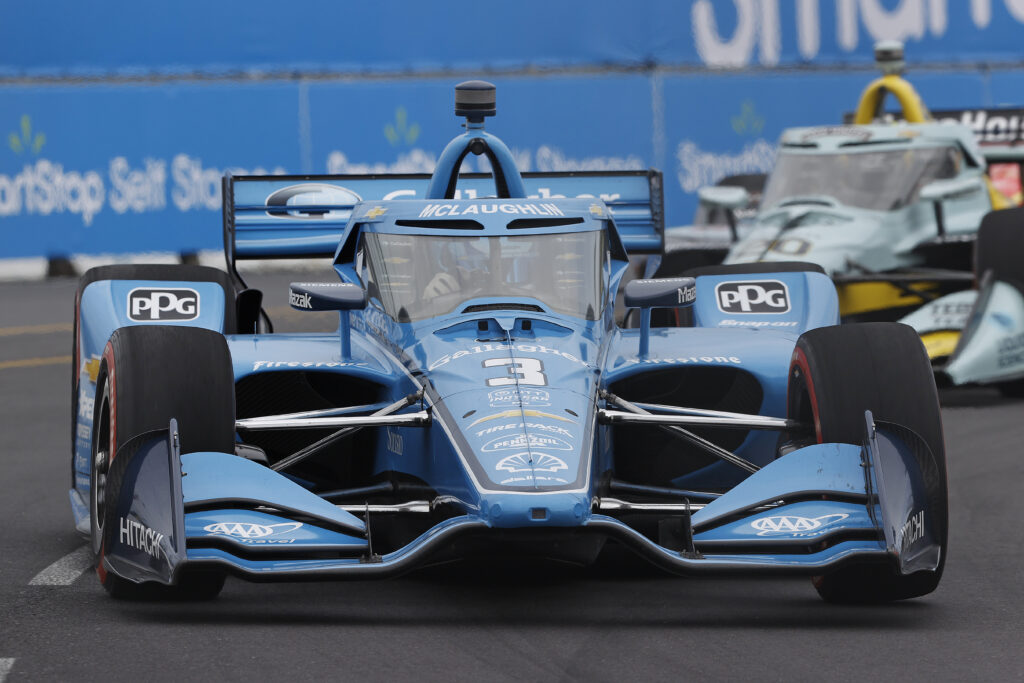
The team’s ability to monitor these variables in real-time allows them to adjust the car’s cooling ducts during a pit stop, effectively "tuning" the operating environment of the oil on the fly.
Implications: From the Racetrack to Your Driveway
It is a common misconception that racing oil is entirely unrelated to what a consumer buys at a service center. In reality, the "crucible" of the racetrack is where chemistry is stressed to its breaking point, revealing weaknesses that would take years to manifest in a passenger vehicle.
Refining Chemistry for the Consumer
When a new additive package survives the rigors of an IndyCar engine, it is deemed ready for the broader market. The high-speed, high-heat environment of the NTT IndyCar Series serves as a high-fidelity test bench. If a formula can keep a 700-horsepower engine running flawlessly at 220 mph for hours, it provides an unparalleled safety margin for a vehicle navigating stop-and-go traffic or long-distance highway commutes.
Tips for Everyday Engine Longevity
Based on the principles learned in the Pennzoil-Penske partnership, here are key takeaways for everyday drivers looking to maximize their engine life:
- Temperature Matters: Modern engines are designed to operate within a specific temperature range. Short, frequent trips where the engine never reaches operating temperature can lead to moisture buildup in the oil, which degrades its chemistry.
- Observe Oil Pressure: If your vehicle has an oil pressure gauge, learn what "normal" looks like. Sudden drops in pressure, even if they don’t trigger a warning light immediately, can be a precursor to lubrication failure.
- Follow Manufacturer Intervals: The "extreme" conditions of racing prove that oil is a "living" component of the engine. Once the additives are depleted through heat and oxidation, the oil stops protecting the engine. Following your manufacturer’s oil change interval is the single most important step for long-term reliability.
- Understand Viscosity: Use the oil grade recommended by your manufacturer. While racing teams may adjust viscosity for specific tracks, your road car is designed for a specific range that balances protection and fuel economy.
Conclusion: The Continuous Loop of Improvement
The partnership between Team Penske and Pennzoil is a testament to the fact that innovation is rarely a linear process. It is a feedback loop. By analyzing the microscopic metallic dust in an oil sample after a race in Markham, Ontario, scientists at Pennzoil are gaining the knowledge required to formulate an oil that will prevent a mid-sized sedan from breaking down on a family road trip years down the line.
As IndyCar continues to push the boundaries of internal combustion performance, the data gathered on the track will remain the gold standard for lubricant development. For the engineers involved, the goal is simple: ensure that every ounce of fluid in the engine is working in perfect harmony, whether that engine is screaming down the front straight at the Indianapolis Motor Speedway or idling at a red light in the city.
