





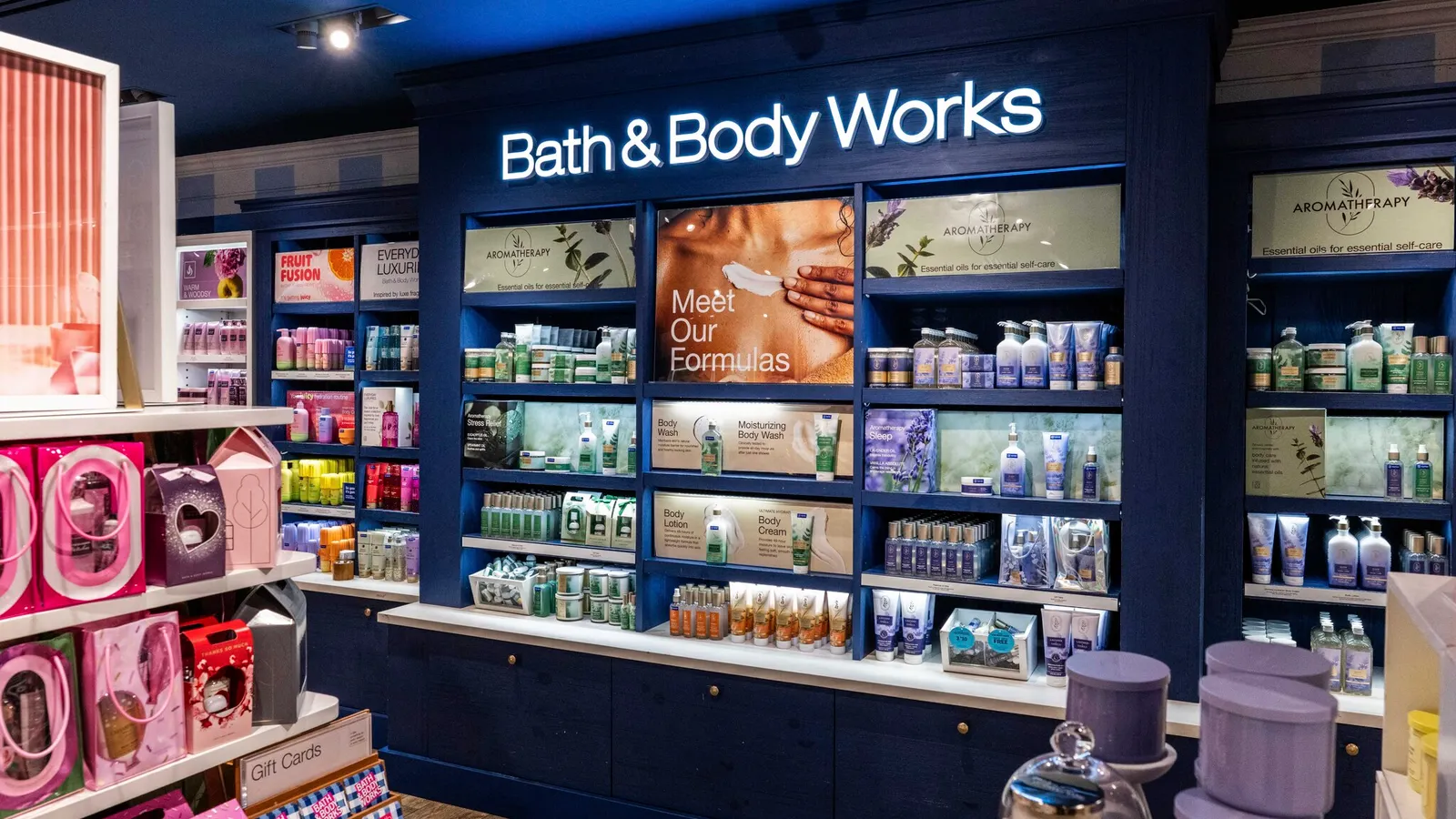
Bath & Body Works, a titan in the personal care and home fragrance retail space, is undergoing a profound operational metamorphosis. As the company navigates a challenging retail landscape defined by shifting consumer sentiment and post-pandemic market corrections, it is moving away from its long-standing reliance on aggressive discounting. Instead, leadership is pivoting toward a "product-first" strategy, aimed at simplifying its complex inventory footprint and restoring brand prestige.
Main Facts: The New "Consumer First" Philosophy
The cornerstone of this transformation is a strategic pivot away from promotional saturation. For years, Bath & Body Works relied on a high-frequency promotional cycle to drive foot traffic. However, current management, led by key executives, has concluded that this model is unsustainable for long-term brand equity.
“You can’t promote a business back to health,” says executive leadership, signaling a definitive break from the company’s historical playbook. The retailer is now concentrating its promotional efforts into the first half of the year, reserving the second half for brand marketing and product-led growth. This shift has forced the company to fundamentally rethink its supply chain, purchasing decisions, and inventory management.
The company’s "Consumer First Formula" is the guiding light for this change. By prioritizing brand storytelling and high-quality product launches—such as the recent partnership with Hilary Duff for the "Fruit Fusion" line—the retailer hopes to reclaim its status as a destination for innovation rather than just a source for deep discounts.
Chronology: A Path Toward Simplification
The journey toward this current strategic shift began in earnest following a period of sluggish performance in 2025. Recognizing that the brand was failing to fulfill its full potential, management initiated a series of critical structural changes:
- Early 2025: Facing stagnant growth and a diluted brand image, the company officially launched the "Consumer First Formula," a comprehensive growth strategy aimed at revitalizing sales and customer engagement.
- Q1 2025: As part of the new strategy, the company began the systematic exit from select, underperforming product categories. This was the first major step in what would become a massive SKU (stock-keeping unit) simplification program.
- Mid-2025 (June): By the end of the second quarter, management confirmed that the company had reached its targets for SKU reduction, confirming that the "rightsizing" of their product mix was largely on track.
- Late 2025 to Present: With the product mix now more streamlined, the focus has shifted to maintaining "clean" forward inventory levels. While overall inventory was elevated at the end of June, executives emphasized that this is balanced by strong demand signals for upcoming product launches.
Supporting Data: Why "Less is More"
The drive toward SKU simplification is not merely an aesthetic choice; it is a data-driven response to consumer frustration. Customer feedback gathered throughout 2024 and 2025 indicated that shoppers found the retail environment "too overwhelming and confusing." In a market where consumer attention is a finite resource, the clutter of an expansive SKU count was found to be counterproductive, leading to decision fatigue rather than increased basket sizes.
Bath & Body Works is not alone in this realization. Industry peers are increasingly adopting similar strategies. For instance, BJ’s Wholesale Club recently announced plans to cut its total product count by 20% over the next two years, citing the dangers of being "over-SKUed."
For Bath & Body Works, the data indicates that a tighter, more curated assortment allows for:
- Improved Supply Chain Agility: Smaller inventories allow for faster turnover and easier replenishment of "hero" products.
- Higher Margin Potential: By reducing the need for clearance markdowns to move excess, slow-moving SKUs, the company can protect its bottom-line profitability.
- Enhanced Brand Positioning: A simplified store floor allows the company to highlight new partnerships and premium product lines without them getting lost in a sea of legacy items.
Official Responses: Navigating the Back Half
In recent earnings commentary, company leadership addressed the state of the supply chain with cautious optimism. While inventory levels were nominally higher at the end of June, the quality of that inventory has improved significantly. Executives noted that "forward inventory is clean," suggesting that the products currently sitting in distribution centers and stores are those that the company intends to sell at full price, rather than stagnant stock awaiting a markdown.
The emphasis on "clean" inventory is essential for the second half of the year. Management has confirmed they are working aggressively to replenish stock for high-profile launches. The collaboration with Hilary Duff, which leverages the actress’s influence to draw in a younger, more engaged demographic, serves as the prototype for how the company intends to drive growth moving forward. By aligning marketing with supply chain precision, the company believes it is "well-positioned to deliver in the back half" of the fiscal year.
Implications: The Future of Retail Personal Care
The implications of Bath & Body Works’ strategy are significant, both for the company and the broader retail sector.
For the Consumer
Shoppers should expect a more curated, premium experience. The days of walking into a store and being confronted by a chaotic landscape of endless options are waning. Instead, the consumer will see more intentional store layouts, featuring seasonal highlights and celebrity-backed collections that feel fresh and relevant. While some long-time customers may miss the frequency of aggressive sales, the brand is betting that they will be compensated by a more enjoyable shopping environment and higher-quality products.
For the Supply Chain
The operational mandate is clear: precision over volume. The company’s purchasing teams are now tasked with a more difficult challenge than before—they must accurately forecast demand for a smaller number of products rather than relying on a broad, low-stakes inventory strategy. This requires tighter integration between retail marketing, store operations, and upstream suppliers. If successful, this creates a more resilient supply chain that is less vulnerable to the "bullwhip effect" caused by sudden shifts in consumer demand.
For the Retail Industry
Bath & Body Works is setting a template for how legacy retailers can modernize. The "Consumer First" strategy is a lesson in listening to the customer. When a brand becomes so large that it loses its identity in the complexity of its own inventory, the only path forward is to prune the excess. This "rightsizing" trend is likely to continue across the retail spectrum, as companies realize that the digital-first era rewards retailers who can offer a clear, distinct value proposition rather than those who simply offer "more."
Conclusion: A Delicate Balancing Act
The road ahead for Bath & Body Works is not without its risks. Moving away from a promotional-heavy model can result in short-term traffic dips, and the success of the new strategy rests entirely on the company’s ability to maintain a steady stream of "must-have" products.
However, the shift is an admission that the retailer can no longer rely on the habits of the past to survive the realities of the present. By choosing to prioritize brand equity and consumer experience over short-term sales volume, Bath & Body Works is making a high-stakes bet on its own future. As they move through the latter half of the year, all eyes will be on whether this refined, simplified approach can successfully restore the company to its position as the undisputed leader in the home fragrance and personal care category.
The transition is a testament to the fact that in modern retail, success is not found in the number of products on a shelf, but in the clarity of the brand’s voice and the efficiency of the chain that delivers it to the customer. For Bath & Body Works, the transformation has only just begun.
