





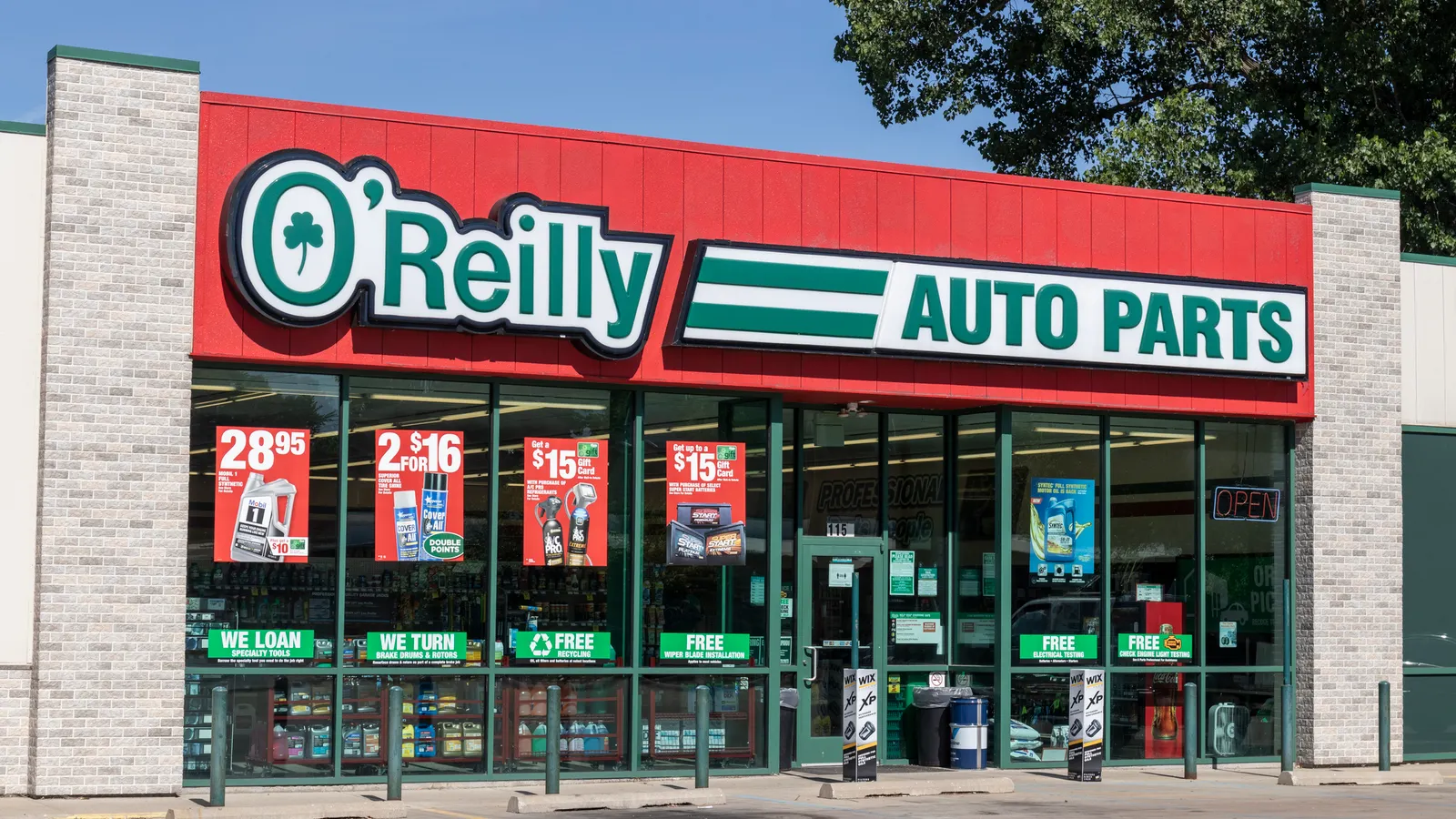
Published: August 6, 2026 | By Kelly Stroh
In the modern global supply chain, the flow of goods is often matched by a complex undercurrent of regulatory duties, customs fees, and the ever-shifting landscape of international trade policy. For major retailers, the question of who pays the tariff—and who reaps the rewards when those tariffs are refunded—has become a pivotal financial narrative.
As of August 2026, O’Reilly Auto Parts, a titan in the automotive aftermarket sector, has clarified its position regarding the influx of tariff refunds currently sweeping through the retail and manufacturing sectors. While competitors and industrial giants are reporting billions in reclaimed capital, O’Reilly’s leadership maintains that their unique sourcing model shields them from the traditional “importer of record” complexities, allowing them to manage costs more fluidly through long-term supplier negotiations.
The Core Strategy: Shifting the Burden of Import Compliance
The fundamental distinction in O’Reilly’s financial performance regarding tariffs lies in its supply chain architecture. During a recent earnings call, leadership, including executive voices such as Kirby, emphasized that the company has largely avoided the direct financial impact of significant tariff payments by design.
Unlike retailers who act as the "importer of record"—a designation that carries the legal and financial responsibility for customs clearance and duty payments—O’Reilly has historically relied on a model where its suppliers bear this burden. This structure is not merely a logistical choice but a deliberate fiscal strategy. By positioning suppliers as the primary importers, O’Reilly effectively offloads the administrative and immediate financial liability of tariffs.

“There may be a bit of misinterpretation regarding direct refunds in our supply chain model versus other retailers,” Kirby noted during the call. “When you think about direct tariff rebates or refunds as some retailers have spoken about it, that is something we are doing in cost and cost of goods and how we negotiate the cost of goods.”
In essence, O’Reilly does not chase the government for individual tariff refunds. Instead, they integrate the volatility of global trade costs directly into the contract negotiations with their suppliers. By controlling the "cost of goods" at the point of origin, the retailer maintains price stability for the end consumer without needing to navigate the labyrinthine process of duty drawback claims.
Chronology: The Evolution of Retail Tariff Management
To understand why O’Reilly’s stance is significant, one must look at the timeline of trade policy volatility over the last several years.
- 2018–2021: The Rise of Trade Friction: As global trade tensions escalated, many retailers faced the initial shock of widespread tariffs. During this period, companies were forced to choose between absorbing costs, raising consumer prices, or aggressively diversifying their supply bases.
- 2022–2024: The Pivot to Supplier Health: O’Reilly began a concerted effort to insulate itself from regional supply shocks. This involved a move toward "supplier health" initiatives, ensuring that their manufacturing partners were not just low-cost providers but resilient entities capable of navigating regulatory headwinds.
- 2025: The Refund Wave: As legal challenges and administrative reviews of past tariffs began to resolve, various industries started receiving substantial refunds. Companies like Ford Motor Co. announced expectations of $1.3 billion in rebates, while retailers began the public debate on how to use these windfalls.
- 2026: Consolidation and Control: O’Reilly continues to build internal capabilities to act as the importer of record only when it provides a distinct financial advantage, maintaining a hybrid approach that favors flexibility over rigid, one-size-fits-all supply chain operations.
Supporting Data: A Landscape of Divergent Strategies
The financial handling of tariff refunds has revealed a stark divide between how different corporate entities view their relationship with government trade policy.
The Consumer-Centric Model (Amazon and Walmart)
Retail giants such as Amazon and Walmart have taken a highly visible approach to returned tariff funds. Amazon has indicated it would issue refunds in limited, specific circumstances to affected customers, while Walmart has signaled that these funds are being integrated into broader price-reduction strategies. For these companies, the tariff refund is a tool for maintaining market share and consumer loyalty during inflationary periods.

The Operational Resilience Model (Ford and McCormick)
Conversely, large-scale industrial and manufacturing entities have earmarked these funds for capital reinvestment. Ford Motor Co.’s $1.3 billion expectation is earmarked for its “Ford Blue” and “Ford Pro” divisions, effectively using the capital to fund the transition to new technology and business models. Similarly, McCormick & Co. used its $28 million refund to offset supply chain pressures and rising input costs, treating the refund as a buffer against operational volatility.
O’Reilly’s Hybrid Approach
O’Reilly’s model is distinct. By avoiding the “importer of record” role in many instances, they avoid the "boom-and-bust" cycle of waiting for government refunds. Instead, they capture value at the negotiation table. This allows them to invest in private label expansion, giving them better control over the product life cycle and allowing them to source single SKUs from multiple, geographically diverse suppliers.
Official Responses and Strategic Implications
The implications of O’Reilly’s strategy are profound for the procurement sector. By moving toward a model where they can act as the importer of record only when it benefits them, the company is signaling a transition toward a more agile, data-driven supply chain.
“We’re continuing to build capabilities that allow us to—in the cases that it benefits us—become that importer of record,” Kirby explained. “In the cases it doesn’t—not be that importer of record.”
This flexibility is the ultimate hedge against uncertainty. It allows O’Reilly to:

- Mitigate Country-of-Origin Risk: By diversifying their manufacturing base, they ensure that a tariff on goods from one nation does not cripple their entire inventory of a specific auto part.
- Control Quality and Price: Through a broader private label portfolio, the company is less beholden to the pricing strategies of third-party brands, which are often the entities most impacted by sudden tariff spikes.
- Optimize Cash Flow: By avoiding the need to tie up capital in duties that may take years to be refunded, O’Reilly maintains a more liquid balance sheet, which can then be reinvested into store expansion, technology, or supply chain infrastructure.
The Future of Procurement: Lessons from O’Reilly
The case of O’Reilly Auto Parts serves as a masterclass in modern procurement. As geopolitical tensions continue to influence global trade, the reliance on traditional, static supply chain models is becoming increasingly risky.
The shift toward a "supplier-as-partner" model, where the retailer and the manufacturer share the burden and the benefits of global trade policy, appears to be a sustainable path forward. O’Reilly’s success in navigating these waters without being reliant on government-issued rebates suggests that the most effective way to handle tariffs is not to manage the refund process, but to manage the supply chain in such a way that the tariff’s impact is neutralized long before it hits the company’s bottom line.
As the retail industry continues to monitor the impact of trade policies in 2026 and beyond, O’Reilly’s proactive, flexible approach provides a template for others to follow. By prioritizing supplier diversity, internal control, and strategic flexibility, the company has managed to thrive in a global environment that remains, by all accounts, highly unpredictable.
Editor’s note: This analysis reflects the ongoing evolution of supply chain management strategies as discussed in industry briefings. For more insights into procurement trends, subscribe to our weekly newsletter.
