



By Alejandra Carranza | August 6, 2026
The global maritime supply chain is currently navigating a period of profound volatility, characterized by an aggressive "front-loading" of cargo that has pushed major ocean carriers to their operational limits. As peak season approaches, the industry is witnessing a decoupling from traditional shipping cycles, driven by a cocktail of geopolitical anxiety, shifting trade policies, and the urgent need for retailers to mitigate supply chain disruptions.
Main Facts: A Capacity Crunch
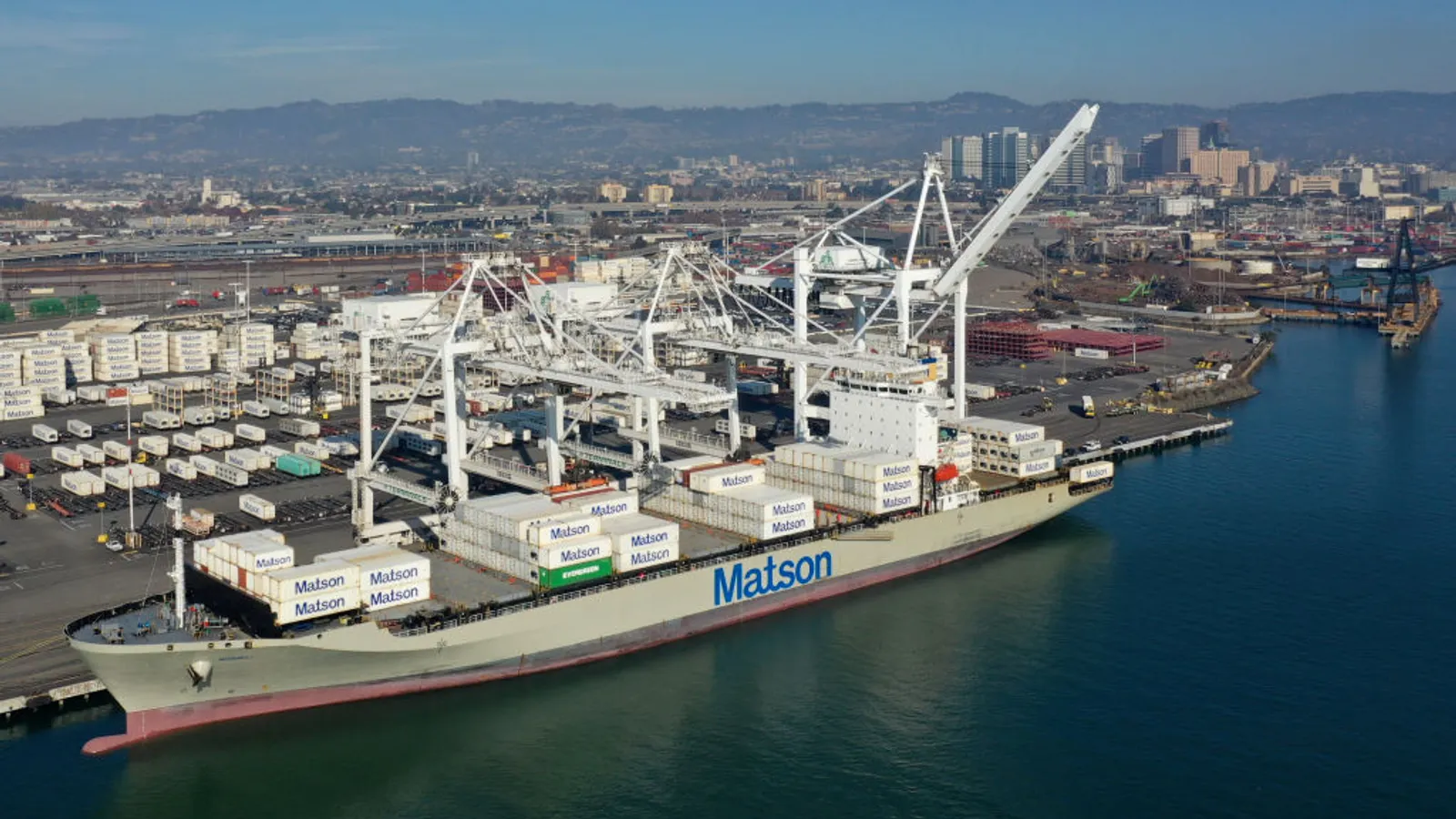
Ocean carrier Matson is among the industry players signaling that the Transpacific trade lane is experiencing a sustained surge in demand. According to CEO Matthew Cox, the company’s China-to-U.S. services exceeded capacity throughout July, and projections indicate that this tight supply environment will persist through the remainder of the peak season.
The current market is defined by a paradox: while economic indicators remain cautious, demand for e-commerce logistics remains robust. Shippers, desperate to avoid the bottlenecks that plagued the industry in previous years, are opting to secure space on vessels well ahead of schedule. This surge in demand has allowed carriers to maintain higher freight rates and near-total vessel utilization, even as the global macroeconomic environment faces the headwinds of inflationary pressure and trade protectionism.
Chronology: The Road to the 2026 Peak
The current state of affairs did not materialize overnight. To understand the current strain on infrastructure, one must look at the timeline of events that unfolded throughout the first half of 2026:
- Early Q1 2026: Market sentiment was dampened by lingering post-2025 tariff impacts and a general cooling of consumer spending. Ocean freight volumes initially saw a decline compared to the previous year.
- Late Q2 2026: As the threat of broader geopolitical instability—particularly in the Middle East and tensions surrounding international trade policies—began to intensify, shippers shifted their strategy. The prospect of renewed Section 122 tariffs (a temporary 10% global levy) created a sense of urgency.
- July 2026: The expiration of these temporary tariffs on July 24 acted as a flashpoint. Rather than waiting for the dust to settle, retailers aggressively front-loaded inventory throughout the month, leading to record-breaking volumes at major U.S. port gateways.
- August 2026 (Current Status): Capacity remains at or near maximum, with carriers like Matson reporting that they are struggling to accommodate the volume of cargo flowing from China to the U.S. West Coast.
Supporting Data: The Surge by the Numbers
The statistical evidence of this "front-loading" phenomenon is stark. Industry data across both the Pacific and Atlantic coasts illustrates a clear departure from standard seasonal trends:
- Year-Over-Year Growth: Matson reported a 15.2% increase in container volumes compared to the same period in 2025. This rebound is particularly significant when contrasted with the market decline experienced in Q2 2025, which was largely attributed to the initial rollout of restrictive tariffs.
- Port of Long Beach: June volumes saw a 10.6% year-over-year increase, as shippers sought to clear cargo through the port before potential policy shifts could further complicate customs clearance or lead to surcharges.
- Port of Los Angeles: The nation’s busiest container port reported a 12% increase in cargo volume for June, a trend directly correlated with the rush to beat tariff expirations and hedge against future geopolitical risks.
- Port of New York and New Jersey: The East Coast has mirrored the West Coast’s intensity, reporting a 12% year-over-year increase in June. Port authorities explicitly cited "changing federal trade policy" as the primary driver behind this early peak season.
Official Responses: The View from the C-Suite
For industry leaders, the current environment is a double-edged sword. While high utilization rates are positive for the bottom line, the unpredictability of the market makes long-term forecasting nearly impossible.
Matson CEO Matthew Cox noted that while the company anticipates a strong third and fourth quarter, the fourth quarter will likely see a return to "traditional seasonality." This expected cooling is a departure from the anomaly of late 2025, when freight demand remained artificially elevated due to supply chain backlogs.
"Customers are acting with caution," Cox explained during a recent investor briefing. "They are attempting to shield their bottom lines from general rate increases, mounting fuel surcharges, and the shadow of the Iran war, which has created uncertainty regarding transit times and insurance premiums."
This sentiment is echoed by port officials. Gene Seroka, Executive Director at the Port of Los Angeles, highlighted the lack of clarity in Washington as a primary driver of the behavior. "The retail community is advancing shipments and inventories because they simply don’t know what is going to happen with any level of specificity after these temporary measures expire," Seroka stated. He emphasized that the goal for most retailers is to avoid being caught "flat-footed"—a term that has become the unofficial motto for the 2026 peak season.

Implications: What This Means for the Global Supply Chain
The current rush to front-load has profound implications for the global logistics ecosystem.
1. Infrastructure Stress
When cargo arrives in waves rather than a steady stream, ports, rail terminals, and trucking fleets are pushed to the breaking point. The massive influx of containers in June and July has tested the resilience of intermodal connections, potentially leading to chassis shortages and extended dwell times at terminals.
2. The End of "Just-in-Time" Efficiency
The shift toward "just-in-case" logistics is now the standard operating procedure. By prioritizing inventory security over lean operations, retailers are essentially betting that the cost of carrying excess stock is lower than the cost of a stock-out caused by geopolitical or trade-related disruptions. This mindset is fundamentally altering how ocean carriers plan their vessel deployments.
3. Tariff Volatility
The uncertainty surrounding trade policy remains the single largest "wild card." Because global trade regulations have become more fluid and less predictable, shippers are effectively treating every trade policy window as a potential deadline. This behavior creates a feedback loop: high demand leads to higher freight rates and surcharges, which in turn encourages even more front-loading as shippers try to avoid further price hikes.
4. Seasonality Redefined
For decades, the peak season was a predictable cycle tied to the holiday shopping calendar. Today, the peak is determined by trade policy, legislative expirations, and conflict zones. As CEO Matthew Cox suggested, the fourth quarter of 2026 may look more like a traditional peak, but the industry has learned that "traditional" is a dangerous assumption to make in the current geopolitical climate.

Conclusion: A Future of Vigilance
As the industry moves deeper into the second half of 2026, the primary lesson for stakeholders is the necessity of agility. The collaboration between ocean carriers, port authorities, and retail giants is being tested by forces far beyond the reach of standard logistical planning. While the surge in volume is a welcome sign of demand, the underlying anxiety that fuels it suggests that the supply chain remains in a state of high alert.
For now, the strategy for the global shipper is clear: move early, hedge against the unknown, and remain prepared for a future where the only constant is change. As capacity remains tight and geopolitical headlines continue to dominate the boardroom agenda, the remainder of 2026 promises to be a defining chapter for the logistics industry—one that will likely be studied for years to come as a masterclass in risk-mitigation shipping.
