





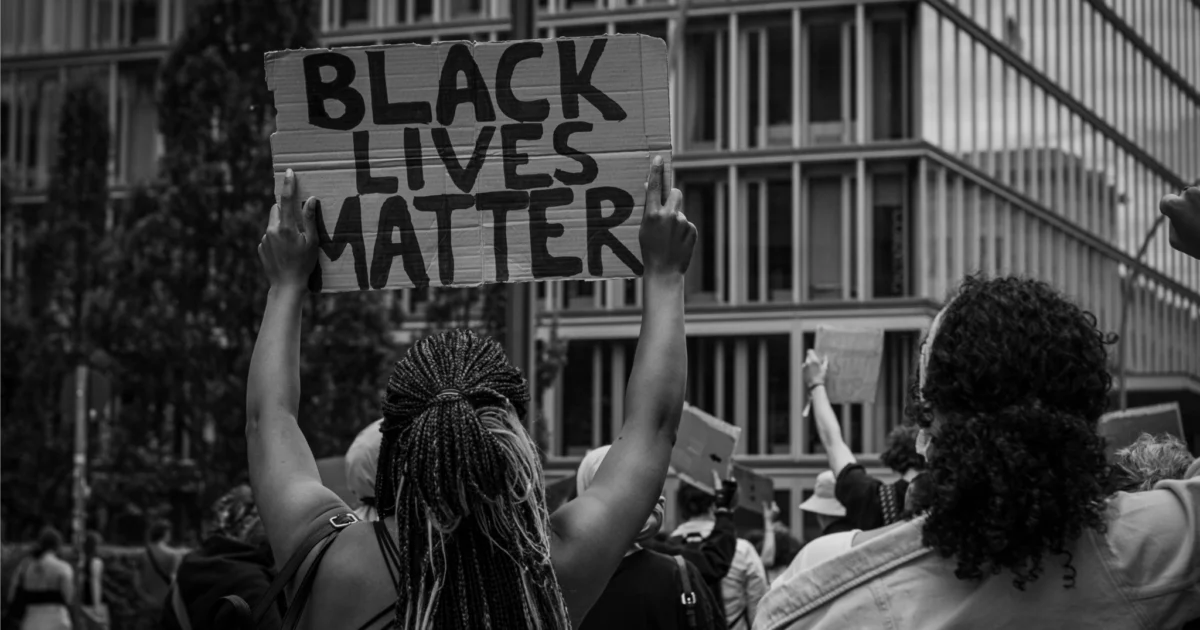
As the United States observes Juneteenth—the commemoration of the final emancipation of enslaved people in 1865—the nation finds itself at a critical economic crossroads. While the holiday is a celebration of the end of legal slavery, it serves as a sobering reminder that the journey toward true economic, social, and racial justice remains unfinished. Today, the battleground for equity has shifted from the plantation to the digital workplace, where the rapid integration of artificial intelligence (AI) threatens to replicate historical patterns of exclusion and exploitation.
The Persistent Shadow of Historical Inequity
The narrative of American progress often overlooks the immediate aftermath of 1865. Freedom from legal bondage did not equate to freedom from economic exploitation. Following the brief window of Reconstruction, the emergence of oppressive legal and social systems—ranging from convict leasing to systemic redlining—ensured that Black Americans were systematically denied the fruits of their labor.
This historical extraction of labor created a foundation of wealth inequality that persists today. Modern labor policies, often lacking robust protections, continue to facilitate a cycle where Black workers are disproportionately concentrated in low-wage, high-risk roles. As the economy pivots toward an AI-integrated future, these long-standing disparities are not merely persisting; they are being accelerated by algorithmic bias and automated workforce restructuring.
Chronology of a Crisis: From Reconstruction to the AI Age
To understand the current labor climate for Black Americans, one must view it as a continuum of historical pressure points:
- 1865–1877 (Reconstruction): A period of promise where federal efforts sought to integrate formerly enslaved people into the economy, abruptly curtailed by the rise of Jim Crow laws that institutionalized labor exploitation.
- 1930s–1960s (The Industrial Era): While labor unions grew, they often excluded Black workers, pushing them into the most precarious, non-unionized segments of the service and domestic sectors.
- 2010s (The Digital Divide): The early stages of the tech boom saw a widening gap in access to high-growth, high-wage STEM roles, reinforcing occupational segregation.
- 2020–2025 (The AI Transition): The accelerated adoption of generative AI and machine learning tools across corporate America has fundamentally altered the landscape for support staff, administrative roles, and customer service departments—areas where Black women, in particular, hold a high density of employment.
Supporting Data: The Rising Tide of Displacement
The economic reality for Black women is particularly precarious. Data from the end of 2025 indicates that the unemployment rate for Black women surged to 7.3 percent, a figure nearly double that of white women. This statistic is not an anomaly but a direct consequence of current hiring and layoff practices in the age of automation.
Occupational Vulnerability
Research from the National Partnership for Women & Families reveals that more than 30 percent of workers in roles most vulnerable to AI-driven automation—such as administrative support, human resources, training, and customer service—are women of color. This is not coincidental; it is the result of decades of occupational segregation that has funneled Black women into roles deemed "essential" yet simultaneously "undervalued."
As firms deploy AI to streamline these functions, the "efficiency" gains are coming at the cost of job security for the most marginalized. The threat is twofold: first, the total displacement of roles; and second, the degradation of remaining positions. When AI takes over the routine tasks of an administrative role, the remaining tasks often become more atomized, less predictable, and stripped of the human agency required for career advancement.
The Mechanics of Exclusion
AI is not a neutral tool. It is trained on historical data—data that reflects a history of systemic bias. When recruitment algorithms screen candidates, they often mirror the preferences of previous hiring managers, effectively automating the "old boys’ club" mentality.
Furthermore, the rise of "algorithmic management"—where software monitors worker productivity, sets quotas, and manages scheduling—has introduced a new layer of workplace surveillance. For Black workers, who are already subject to higher levels of scrutiny in the workplace, these digital systems can be weaponized to enforce harsher performance standards, leading to faster burnout and higher turnover rates.
Official Perspectives and the Call for Reform
The National Employment Law Project (NELP) has been at the forefront of identifying these trends, advocating for a "good-jobs" economy. Their stance is clear: technological change should be a catalyst for opportunity, not a tool for deepening inequality.
Key Policy Recommendations:
- Strengthening Labor Standards: Policymakers must enact regulations that require transparency in how AI is used in hiring, firing, and performance monitoring.
- Modernizing Unemployment Insurance (UI): Current UI systems are outdated and ill-equipped for the "gig-ification" of the economy. Reforms are necessary to provide a safety net that covers workers transitioning between roles disrupted by automation.
- Investing in Worker Power: The most effective check on algorithmic overreach is collective bargaining. Unions must be empowered to negotiate the terms of technological implementation in the workplace.
- Anti-Discrimination Oversight: Legal frameworks must be updated to hold employers accountable when AI-driven tools result in disparate impacts on protected classes, regardless of the "neutrality" of the algorithm’s design.
Implications: A Vision for the Future of Work
The implications of failing to act are profound. If the current trajectory continues, the AI revolution threatens to widen the racial wealth gap to levels not seen since the pre-Civil Rights era. However, this is not an inevitable outcome.
The "Good Jobs" Economy
A "good-jobs" economy is defined by four pillars:
- Living Wages: Ensuring that no worker, regardless of their role, lives in poverty.
- Basic Protections: Providing safe working conditions, paid leave, and the right to organize.
- Economic Security: Creating a floor that prevents sudden displacement from destroying a family’s financial future.
- Inclusive Advancement: Offering clear, bias-free paths for professional growth that recognize the value of all workers.
Conclusion: Honoring Juneteenth Through Action
This Juneteenth, the commitment to "freedom" must be interpreted through the lens of modern economic reality. Honoring the generations of Black workers who built the infrastructure of this nation requires us to be the architects of a future where that labor is respected and protected.
We must recognize that the systems of the past—which devalued Black labor—have not disappeared; they have simply migrated into the code and the clouds of our digital infrastructure. By aggressively challenging the inequitable implementation of AI and demanding a labor policy that centers the most vulnerable workers, we can ensure that the promise of Juneteenth is finally realized for every American. The fight for economic justice in the 21st century is, at its core, a fight for the dignity of the human worker in an age of machines. Only by dismantling these new forms of inequity can we truly claim to be moving toward a more perfect union.
