




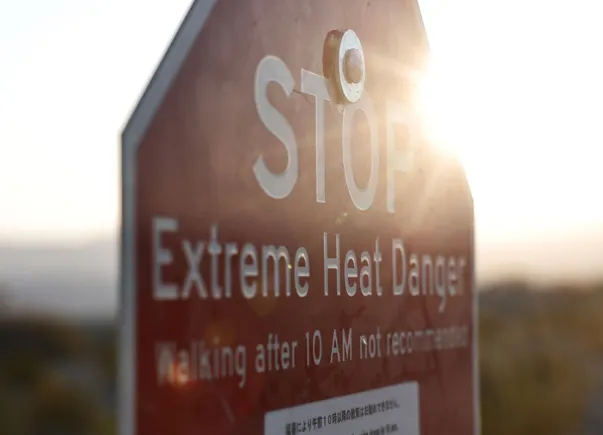
As climate patterns shift and extreme heat events become more frequent and prolonged, the global electronics manufacturing sector is facing an unprecedented logistical challenge. A comprehensive industry survey released this Tuesday by the Global Electronics Association (GEA) reveals that extreme heat is no longer just a meteorological concern—it has become a primary driver of supply chain volatility, affecting production schedules, labor stability, and operational throughput across North America, Europe, and Asia-Pacific.
Main Facts: The Cooling Crisis
The survey highlights a sobering reality: two-fifths of electronics manufacturers worldwide reported significant disruptions directly attributable to extreme heat in 2026. For an industry built on precision, consistency, and "just-in-time" delivery, the intrusion of record-breaking temperatures has introduced a new layer of systemic risk.
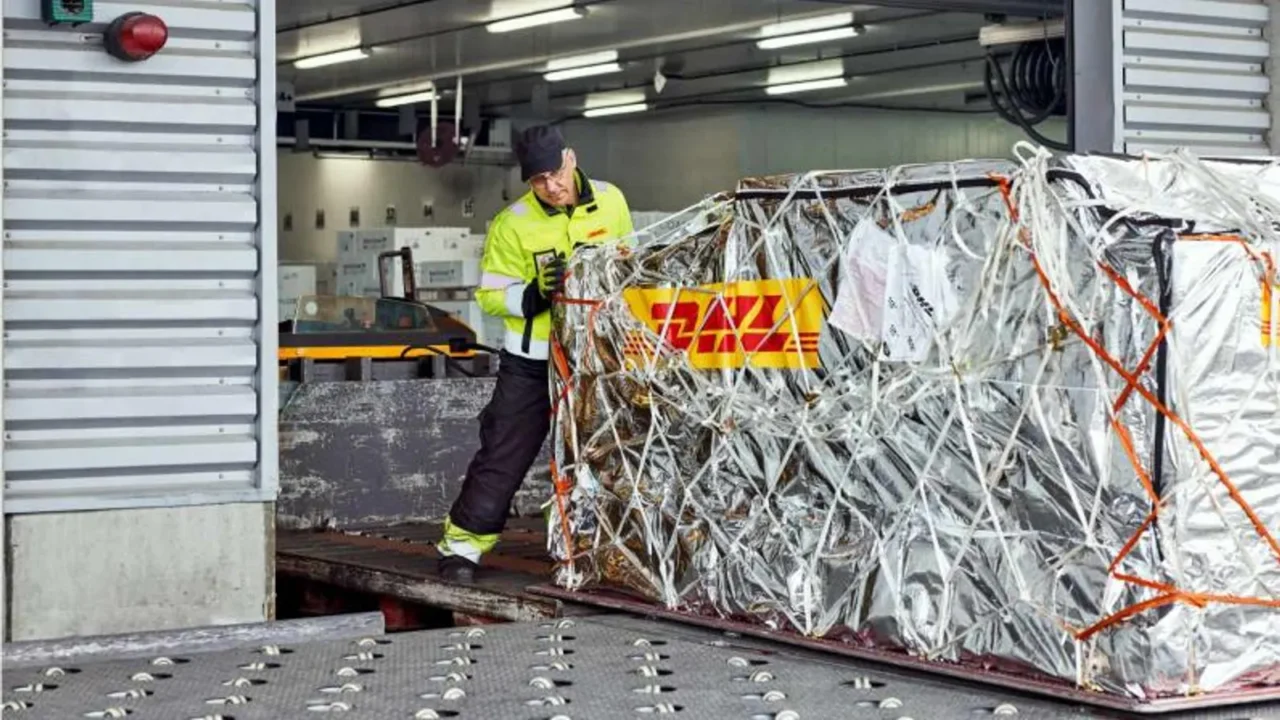
The most acute impact cited by industry leaders is the delay in supplier fulfillment. Almost 50% of global manufacturers identified supplier-related bottlenecks as the primary casualty of heat waves. While the survey did not categorize every granular cause of these delays, industry analysts point to a "cascading failure" model. When regional temperatures spike, the ripple effects are felt throughout the ecosystem: local energy grids struggle to meet cooling demands, leading to power curtailments; factories reduce operating hours to protect employee health; and transportation networks face delays as heat-sensitive freight requirements become harder to satisfy.
A Chronology of Climate-Driven Disruption
The narrative of climate-related industrial disruption has evolved rapidly over the last several years. Historically, manufacturers viewed environmental risks through the lens of acute disasters—hurricanes, floods, or earthquakes. However, the 2026 data marks a transition toward viewing "chronic" environmental shifts as constant operational threats.
- Early 2026: Initial reports from Asia-Pacific hubs indicated that localized heat waves were forcing temporary shutdowns in production facilities, setting the stage for inventory backlogs.
- Mid-2026: As the Northern Hemisphere entered the summer months, the intensity and duration of heat waves expanded. Manufacturers in North America and Europe began reporting a decline in "operational throughput"—the speed at which raw materials are transformed into finished electronics.
- Late 2026: The current period reflects a time of strategic recalibration. With the cooling of the autumn season, firms are moving from reactive firefighting to long-term scenario planning, as urged by the Global Electronics Association.
Supporting Data: The North American Landscape
While global statistics show widespread exposure—with over 50% of manufacturers reporting that their supply chains are vulnerable to extreme heat—the North American perspective provides a nuanced look at how developed markets are coping.
Data from the region indicates that 47% of firms have direct exposure to heat-related risks. While 57% of North American respondents reported "no disruptions," the remaining 43% faced a spectrum of challenges ranging from minor inconveniences to major operational crises. Specifically, 13% of North American manufacturers reported major impacts on productivity, while 50% faced moderate interruptions.
These "moderate" impacts, as defined by Chief Economist Shawn DuBravac, are not merely statistical anomalies. "To me, a moderate impact would be something that has to be addressed, something that impacted throughput, that impacted production schedules," DuBravac noted. When a factory is forced to adjust its schedule due to extreme heat, it creates a domino effect: delivery windows are missed, customer demand goes unfulfilled, and the overall reliability of the supply chain erodes.
Official Responses and Expert Analysis
Industry leadership is grappling with how to quantify the "unquantifiable." Shawn DuBravac, serving as the lead voice on the GEA report, emphasized that the lack of specific delay categorization is intentional—because the reality is that the delays are multifaceted.
"My sense is that it was probably an assortment of different things that would fall under that broader category of supplier delays," DuBravac explained. He pointed to a convergence of labor constraints, factory-level cooling limits, and freight bottlenecks as the primary culprits.
Perhaps most tellingly, the survey captured the "anxiety of the unaffected." Even among firms that have not yet suffered a major disruption, there is a clear recognition of future vulnerability. When asked about anticipated bottlenecks, 29% of North American firms identified "power reliability" and "cooling limits" as their top concerns. This reflects a growing consensus that current manufacturing infrastructure—much of it designed decades ago—is ill-equipped for the climate realities of the 2030s.
The Broader Implications: A New Industrial Playbook
The implications of the 2026 survey are clear: the cost of inaction is rising. As manufacturers look toward the coming years, more than two-thirds of global respondents anticipate that extreme heat will continue to dampen productivity.
Infrastructure and Energy Resilience
The reliance on stable power grids is perhaps the most critical vulnerability. As global temperatures rise, the competition for electricity between residential cooling and industrial production will likely intensify. Manufacturers are now faced with the prospect of having to invest in on-site power generation, advanced battery storage, or climate-hardened facility upgrades to ensure that a heat wave does not equate to a total cessation of production.
Rethinking Logistics and Staffing
The survey also highlights that disruptions are not limited to the assembly line. "Missed shifts" and "reduced staffing" were cited by firms as direct consequences of heat-related policies, which are necessary to prevent heat exhaustion among workers. This necessitates a change in how production capacity is calculated. Manufacturers must now build "buffer capacity" into their models to account for the days when human productivity is physically limited by ambient temperatures.
The Case for Scenario Planning
DuBravac’s recommendation for the current off-season is a call to action for operational leadership. He suggests that executives stop treating heat waves as "black swan" events and start treating them as predictable, albeit variable, seasonal realities.
"If I were advising a manufacturer, I would tell them now is the perfect time to run scenario plans on what happens to your operations if you had a week of 110-degree weather, if you had two weeks of 110-degree weather, if you had three weeks of 110-degree weather," DuBravac advised. "You want to have a clear playbook that you can turn to, rather than having to write the rules while you’re in the midst of it."
Conclusion: Adapting to the "New Normal"
The findings of the Global Electronics Association survey serve as a bellwether for the broader manufacturing sector. The era of assuming a static, stable environment for production is over. Whether it is through the diversification of suppliers in different climate zones, investment in heat-resistant infrastructure, or the adoption of more flexible production schedules, the path forward requires a fundamental shift in strategy.
As we move into 2027 and beyond, the companies that thrive will likely be those that have integrated "climate resilience" into their core operational philosophy. The heat is on, and for the global electronics industry, the time to build a more resilient, heat-proof supply chain is not when the thermometer rises, but while the air is still cool.
