


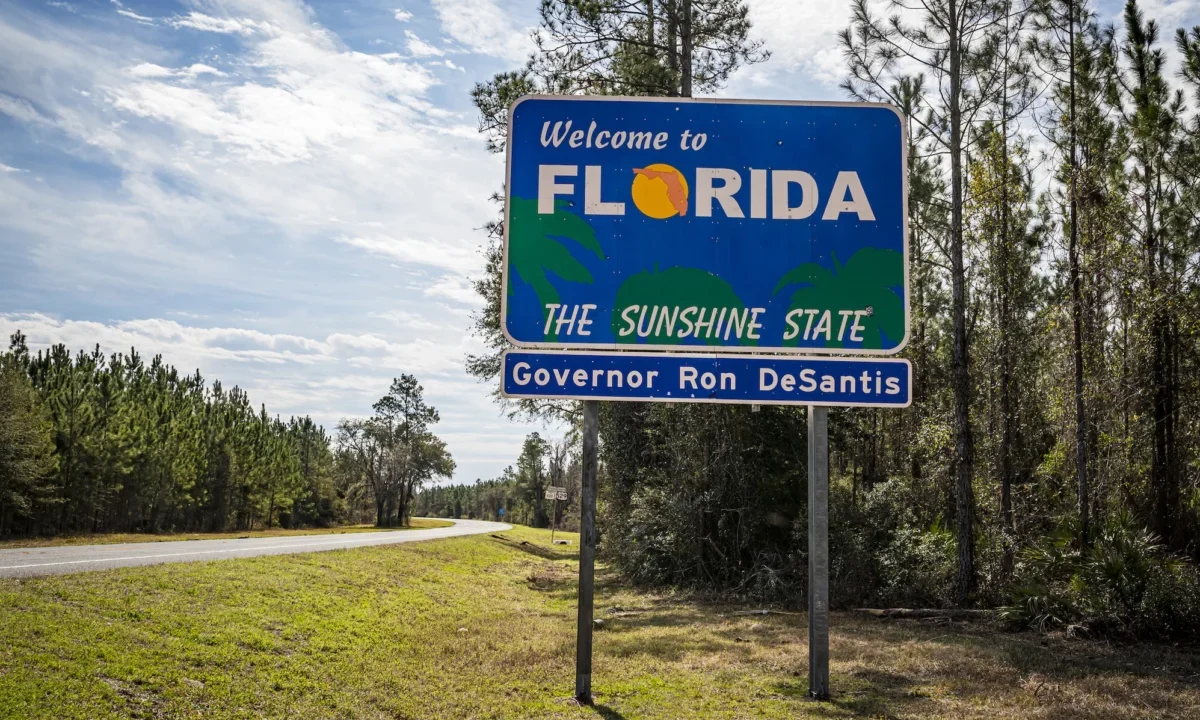


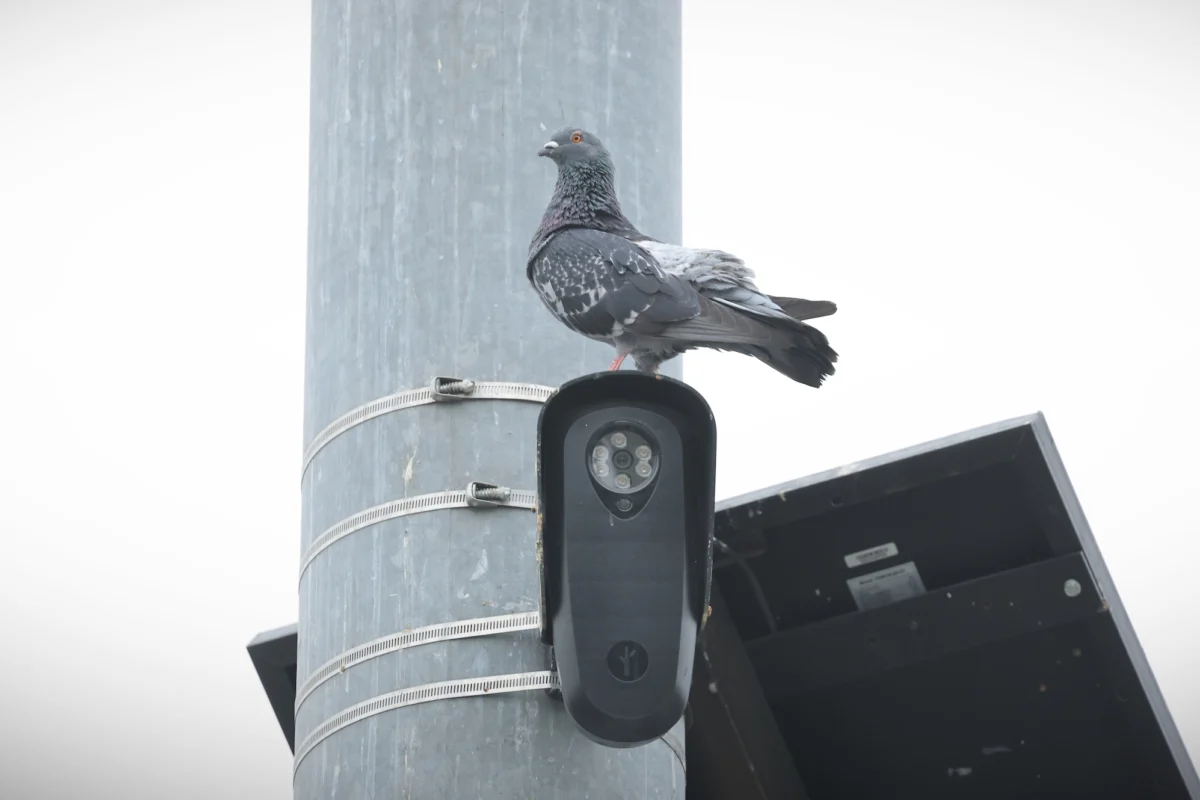
The rapid expansion of private surveillance grids across the United States has hit a major political and regulatory wall. In a striking bipartisan alignment against the invasive nature of modern surveillance technology, two of the nation’s largest states—Florida and Texas—have taken decisive steps to sever their ties with Flock Safety, a dominant provider of automated license plate readers (ALPRs).
Citing severe privacy violations, systemic data misuse, cybersecurity vulnerabilities, and unauthorized tracking of citizens, state leaders and transport officials are ordering the removal of these high-tech cameras from public highways. This coordinated pushback marks a pivotal moment in the national debate over public safety, private data collection, and the constitutional boundaries of the surveillance state.
Main Facts of the Multi-State Purge
The backlash against Flock Safety’s massive camera network has transitioned from local community protests to executive action at the highest levels of state government. The core developments of this shifting landscape include:
- Florida’s Highway Purge: The Florida Department of Transportation (FDOT) issued an official memorandum directing the immediate cessation of license plate readers on all state-managed highways. The agency explicitly targeted networks like Flock’s, citing "concerning reports of misuse, data privacy concerns, and surveillance schemes."
- The 30-Day Ultimatum: Florida authorities have mandated a strict 30-day window for the physical removal of these surveillance cameras from state highway rights-of-way.
- Texas Funding Freeze: Texas Governor Greg Abbott issued a directive ordering state agencies to stop funding Flock Safety cameras. The executive decision was prompted by mounting evidence of system abuse, including the criminal indictment of a Texas law enforcement officer.
- Corporate Scale and Resistance: Flock Safety currently maintains a footprint of approximately 130,000 active cameras across the United States. Despite local cancellations in states like Illinois, Massachusetts, and Oregon, the company has faced accusations of keeping its devices active or reinstalling them without authorization.
- A Shift in Surveillance Scope: Investigative reports indicate that Flock’s technological capabilities have evolved beyond mere vehicle tracking. The company is actively developing and deploying tools designed to identify and track individual pedestrians, raising the stakes for civil liberties advocates.
Chronology of the Backlash
The sudden collapse of state-level support for Flock Safety is the culmination of a multi-year buildup of technical failures, security breaches, and instances of police misconduct.
[Nov 2025] Hackers exploit stolen police logins to access Flock's database.
       │
[Dec 2025] Cambridge, MA terminates Flock contract over privacy concerns.
       │
[Mid-2026] Eugene, OR and Evanston, IL discover Flock cameras active post-termination.
       │
[Aug 2, 2026] Reports emerge of officers using the network to stalk ex-partners.
       │
[Mid-Aug 2026] Lufkin, TX officer indicted on 100 felony counts of database abuse.
       │
[Aug 24, 2026] Reports highlight Dallas's massive vulnerability with hundreds of active cameras.
       │
[Aug 26, 2026] Florida Gov. Ron DeSantis calls the surveillance grid "out of control."
       │
[Aug 29, 2026] Texas Gov. Greg Abbott officially blocks state funding for Flock.
       │
[Aug 31, 2026] Florida DOT issues a formal memo demanding camera removal within 30 days.
The Origins of the Friction (Late 2025)
The cracks in Flock’s armor began appearing in late 2025. In November of that year, cybersecurity audits revealed that hackers had harvested stolen police credentials to gain unauthorized access to Flock’s sensitive portal, exposing the movements of millions of everyday drivers. By December 2025, cities like Cambridge, Massachusetts, formally terminated their contracts with the surveillance giant, citing a lack of oversight and data protection.
Local Defiance and Unauthorized Reinstalls (Early to Mid-2026)
Throughout the first half of 2026, friction grew between municipal governments and the tech firm. Towns such as Evanston, Illinois, and Eugene, Oregon, ordered the decommissioning of Flock devices. However, local officials soon discovered that the company had either failed to turn off the devices or had actively reinstalled them, sparking outrage over corporate overreach and defiance of local sovereignty.
The Summer of Scandals (August 2026)
The situation deteriorated rapidly in August 2026. On August 2, reports surfaced detailing how law enforcement personnel across multiple jurisdictions had weaponized Flock’s sprawling database to spy on and stalk former romantic partners. Shortly thereafter, a major scandal broke in Lufkin, Texas, where an officer was indicted on dozens of felony charges for unauthorized searches.
By late August, the political leadership of both Texas and Florida intervened. On Wednesday, August 26, Florida Governor Ron DeSantis publicly condemned the technology during a press conference. Days later, on August 29, Texas Governor Greg Abbott blocked state funding. The final blow of the month fell on Monday, August 31, when the Florida Department of Transportation issued its 30-day eviction notice to Flock.
Supporting Data and Systemic Failures
The decisions by Governors Abbott and DeSantis are backed by a growing body of evidence highlighting the systemic vulnerabilities and societal risks associated with Flock’s business model.
The Lufkin Police Indictment
The catalyst for Texas’s aggressive stance was the indictment of a police officer in Lufkin, Texas. The officer faced 100 felony counts related to the unauthorized use of the Flock Safety database. Investigations revealed that the officer systematically queried the network to track the locations and daily routines of citizens without any legitimate law enforcement purpose or judicial warrant.
Cybersecurity Flaws and Credential Theft
Flock’s centralized database, which stores billions of location data points, has proven to be a prime target for cybercriminals. In late 2025, security researchers discovered that hackers were actively selling stolen police logins on dark web forums. Because Flock did not enforce uniform, robust multi-factor authentication across all client law enforcement agencies, these stolen credentials allowed unauthorized actors to track vehicles in real-time across the United States.
The Danger of False Positives
The real-world consequences of Flock’s algorithmic errors have been severe. Civil liberties organizations have documented dozens of instances where innocent motorists were pulled over in high-risk "felony stops"—often involving officers drawing firearms—due to misidentified license plates or outdated database information.
In several documented cases, AI errors misread license plate numbers (confusing letters like "I" and "1" or "O" and "0"), leading to the wrongful detention and incarceration of law-abiding citizens.
| Location / Entity | Nature of Incident / Failure | Regulatory Action Taken |
|---|---|---|
| State of Florida (FDOT) | Systemic privacy concerns, "surveillance schemes" | 30-day mandate to remove all highway cameras |
| State of Texas | Lufkin officer indictment (100 felony counts) | Executive order blocking all state agency funding |
| Evanston, Illinois | Unsanctioned camera reinstallation | Local contract termination and removal orders |
| Cambridge, Massachusetts | Community backlash and civil liberties concerns | Complete contract termination (Dec 2025) |
| Eugene, Oregon | Cameras remained active post-contract expiration | Formal removal demands and compliance audits |
Scope Creep: From Cars to People
Perhaps the most alarming trend identified by privacy advocates is Flock’s transition from vehicle identification to biometric and pedestrian tracking. Recent investigative reporting has revealed that Flock’s newer software updates are designed to identify individual physical characteristics of pedestrians, such as clothing color, unique gait patterns, and carrying bags, transforming a traffic-monitoring tool into a comprehensive public tracking system.
Official Responses and Corporate Silence
The political rhetoric surrounding the ban highlights a rare moment of bipartisan agreement. While privacy advocates on the left have long warned of the civil rights implications of mass surveillance, conservative leaders are increasingly viewing the technology through the lens of government overreach and the preservation of individual liberties.
The Florida Mandate
In its Monday memorandum, the Florida Department of Transportation was unequivocal, stating that the state would no longer tolerate the presence of automated surveillance grids on its public roadways. The department cited:
"…concerning reports of misuse, data privacy concerns, and surveillance schemes."
Governor Ron DeSantis echoed these sentiments, warning that the unchecked expansion of these reader networks was "out of control" and represented an unacceptable intrusion into the daily lives of Floridians.
The Texas Directive
In Texas, Governor Greg Abbott’s office justified its funding freeze by pointing directly to the potential for abuse inherent in centralized databases. While the governor’s office did not release an exhaustive list of affected state agencies, the financial impact is expected to be massive.
In metropolitan areas like Dallas, where hundreds of Flock cameras are currently integrated into local policing efforts, the loss of state funding threatens to disrupt long-term municipal surveillance budgets.
Flock Safety’s Response
When reached for comment regarding the policy shifts in Florida and Texas, as well as the allegations of unauthorized camera reactivations in Illinois, Massachusetts, and Oregon, a spokesperson for Flock Safety declined to comment. The company has not publicly detailed how it plans to comply with Florida’s 30-day removal mandate, nor has it addressed how it will prevent further credential theft and database abuse by rogue operators.
Implications for Public Privacy and the Surveillance State
The decisions by Florida and Texas represent a watershed moment that could reshape the private surveillance industry in the United States. For years, companies like Flock Safety operated in a regulatory vacuum, selling software-as-a-service (SaaS) surveillance models directly to cash-strapped police departments and wealthy homeowners’ associations.
The End of the Regulatory Free Pass
The actions taken by two of the nation’s most politically influential states signal that the era of unregulated public surveillance is drawing to a close. As state governments begin to assert control over their public infrastructure, other states are likely to draft similar restrictive legislation. This could force a contraction in the market value and deployment scale of private-public surveillance partnerships.
The Constitutional Debate
The legal fallout from these bans will likely center on the Fourth Amendment, which protects citizens against unreasonable searches and seizures. Civil liberties groups, such as the American Civil Liberties Union (ACLU) and the Electronic Frontier Foundation (EFF), have argued that the continuous tracking of a citizen’s movements without a warrant is fundamentally unconstitutional.
The high-profile failures and subsequent bans in Florida and Texas provide powerful ammunition for future legal challenges aiming to set permanent constitutional limits on automated tracking.
A New Precedent for Local Autonomy
Finally, the resistance in towns like Evanston and Cambridge, coupled with the state-level mandates in the South, establishes a critical precedent for local and state autonomy. It sends a clear message to technology providers: public infrastructure cannot be co-opted into permanent, privatized surveillance grids without continuous, transparent oversight—and if a community chooses to pull the plug, the technology must be removed immediately, without corporate pushback or delay.
