





By [Your Name/Journalistic Staff]
Published August 28, 2026
As the rapid, decentralized proliferation of automated license plate reader (ALPR) systems continues to reshape the American urban landscape, a significant political shift is underway. Across the United States, municipal reliance on private surveillance technology—most notably provided by firms like Flock Safety—is facing a mounting wave of public backlash. As cities begin to cancel contracts and residents voice concerns over the "always-on" nature of modern policing, state governments are stepping in to reclaim control, arguing that the regulation of surveillance technology is too critical to be left to the fragmented policies of individual towns.
From Arizona to Florida, top state officials are now moving to establish uniform, statewide standards for how data is collected, stored, and used. This transition represents a pivotal moment in the intersection of public safety and constitutional privacy rights.
The Main Facts: A Tectonic Shift in Surveillance Policy
The core of the issue lies in the sheer volume of data collected by ALPRs. These systems do not merely capture license plates; they track movement patterns, creating a digital breadcrumb trail that can reveal sensitive information about a citizen’s associations, religious practices, medical appointments, and daily routines.
For years, the deployment of these cameras has been an "opt-in" model for cities, often funded through grants or public-private partnerships with vendors. However, as of late August 2026, the trend has shifted toward state-level intervention. Attorneys General and Governors are no longer waiting for local municipal councils to address the Fourth Amendment implications of these systems.
Arizona Attorney General Kris Mayes has officially launched a comprehensive review of ALPR systems across the state. The move is designed to determine whether current deployments violate the constitutional protections of Arizonans. "We need a statewide approach to this issue," Mayes stated in a recent press release. Her office is tasked with delivering a formal report to the state legislature and the Governor, providing a blueprint for potential legislative action.
Chronology: How the ALPR Backlash Built Momentum
The rise of ALPR technology was characterized by rapid adoption, often outpacing the legislative process.
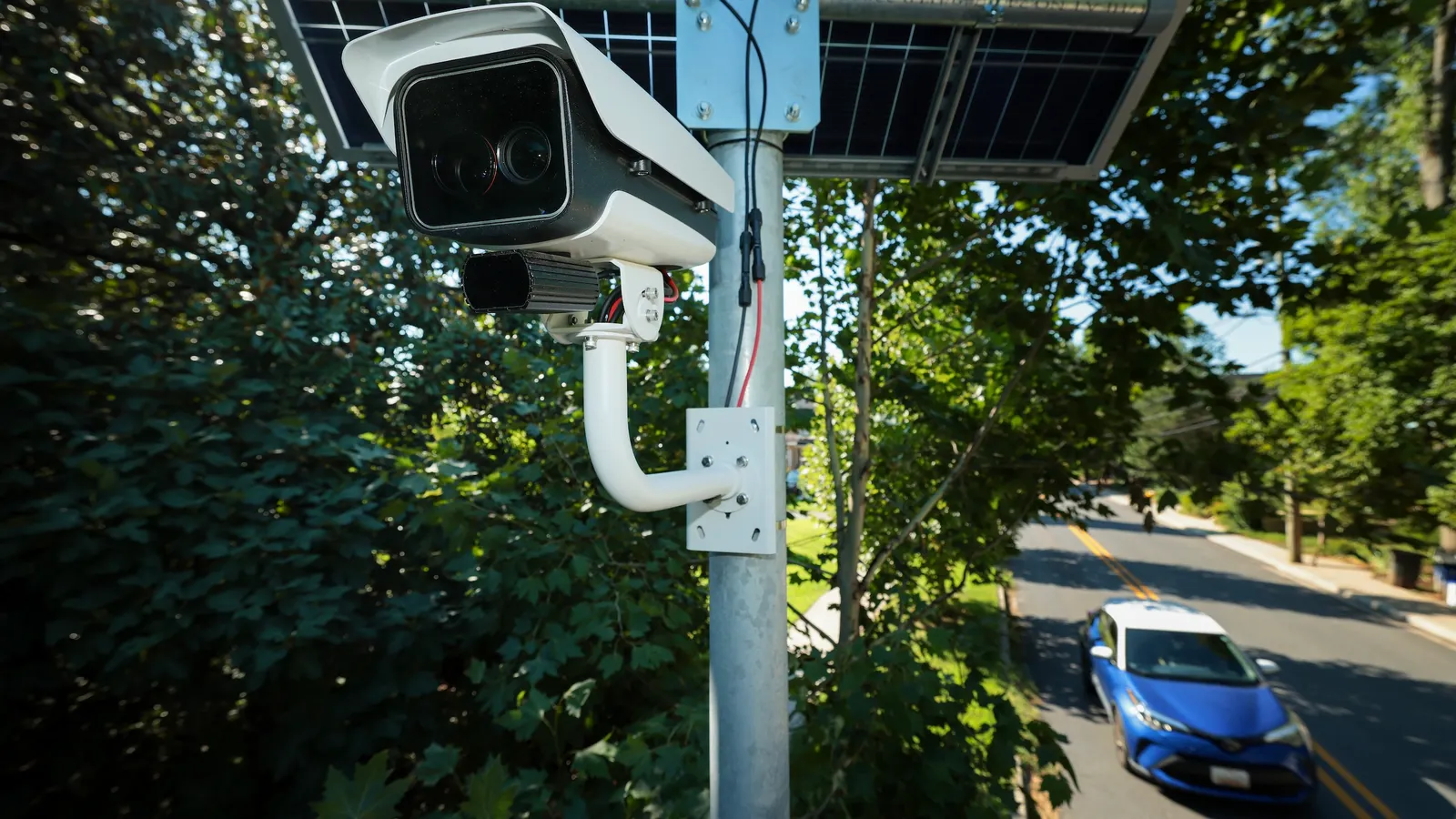
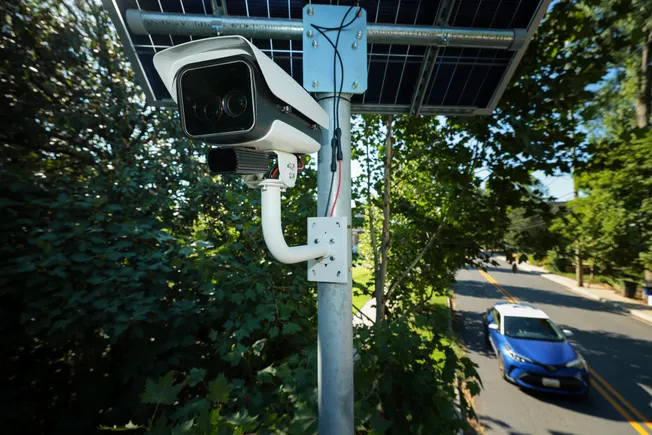
- 2020–2024 (The Era of Rapid Expansion): Cities across the U.S. began installing thousands of solar-powered, pole-mounted cameras. These systems were marketed to law enforcement as "force multipliers" capable of solving crimes through real-time hotlists.
- Early 2026: Public scrutiny intensified as independent audits and investigative reports highlighted data sharing practices, where local police departments shared captured data with third-party vendors or regional law enforcement agencies without clear, public-facing guidelines.
- August 7, 2026: Connecticut Governor Ned Lamont sent a formal letter to the state’s Police Officers Standards and Training Council, explicitly requesting a pause on the installation of new cameras until a statewide regulatory framework could be developed.
- Mid-August 2026: South Dakota Attorney General Marty Jackley signaled his intent to introduce legislation for the 2027 session, focusing on limiting ALPR use to legitimate law enforcement needs.
- August 26, 2026: Florida Governor Ron DeSantis publicly criticized the proliferation of these systems, describing the current landscape as "out of control" and signaling a push for legislative guardrails similar to those found in New Hampshire.
Supporting Data: The Disparity in Legal Protections
The current legal landscape for ALPRs is a patchwork quilt of inconsistent rules. According to the National Conference of State Legislatures, at least 16 states have statutes expressly addressing ALPR usage or data retention. However, this leaves more than two-thirds of the country without specific state-level oversight.
The Policing Project at the New York University School of Law has emerged as a primary voice in this debate, recently launching a "License Plate Reader Policy Scorecard." Their data paints a concerning picture: 26 states and the District of Columbia currently leave all surveillance rules to internal police department policy. This means that in these jurisdictions, there is no legislative or democratic oversight of how surveillance data is managed; it is left entirely to the discretion of the very agencies using the technology.
The Policing Project identifies Connecticut, Oregon, Virginia, and Washington as the current leaders in protecting residents, having implemented more rigorous statutory controls. Conversely, for the vast majority of the U.S., the "default" is a lack of protection, where data retention periods are often arbitrary and access protocols are opaque.
Official Responses: The Tension Between Safety and Privacy
The rhetoric surrounding these cameras has become increasingly polarized. Supporters argue that the technology is indispensable for solving violent crimes and locating stolen vehicles. However, even some of the most vocal proponents of law enforcement are beginning to express hesitation regarding the "surveillance state" architecture being built by private companies.
"No one’s been stronger on law enforcement than me—but I don’t want to have this become a surveillance state," Florida Governor Ron DeSantis remarked during a press conference. This sentiment, echoed by attorneys general in both red and blue states, suggests a rare bipartisan consensus forming around the need for "data hygiene" and constitutional safeguards.

In Arizona, the office of the Attorney General provided a clarifying statement to Smart Cities Dive, emphasizing the necessity of a coordinated, state-level approach: "Cities and towns across Arizona have been grappling with these questions on their own… Issues of constitutional rights and privacy are too great to be decided in isolation at the local level."
Implications: What This Means for the Future of Urban Tech
The move toward state-level regulation will likely have several long-term implications for municipalities and technology vendors:
1. The Death of the "Wild West" Procurement Era
For vendors like Flock Safety and others, the days of signing rapid, opaque contracts with individual city managers are coming to an end. Future procurements will likely require compliance with state-mandated data retention policies, mandatory annual audits, and standardized public-facing transparency portals.
2. Standardization of Data Retention
A primary area of legislative focus will be the "shelf life" of data. Currently, some departments delete data after 30 days, while others store it for years. Expect states to move toward a "deletion by default" model, where data not linked to a specific, active criminal investigation must be purged within a short, defined window.
3. Fourth Amendment Litigation
As states begin to codify ALPR usage, the judiciary will likely see an uptick in Fourth Amendment challenges. If a state law defines "reasonable expectation of privacy" in a way that contradicts current police practices, it could lead to landmark rulings that force a nationwide recalibration of how surveillance data is treated in court.
4. A Shift to Oversight Boards
Many states are looking at models that require independent, civilian-led oversight boards to review the usage of surveillance technology. This shift aims to move the decision-making process out of police departments and into the hands of elected officials or civilian committees, ensuring that the "cost" of surveillance—in terms of both dollars and privacy—is weighed against the public benefit.

5. Increased Cost of Compliance for Municipalities
While states are moving to regulate, they are also shifting the burden of compliance onto local governments. Small towns that previously relied on "turnkey" solutions provided by vendors may find themselves needing to hire legal counsel or technical auditors to ensure their surveillance programs adhere to new, complex state requirements.
Conclusion
The year 2026 marks the end of the initial, unregulated honeymoon phase of the automated license plate reader. As the technology continues to mature, the focus of the conversation has fundamentally changed from "Can we use this?" to "How must we govern this?"
By asserting control at the state level, policymakers are acknowledging a fundamental reality: that digital surveillance is not a local administrative task, but a matter of constitutional concern. As Arizona, South Dakota, Connecticut, and others forge ahead with new regulatory frameworks, they are likely setting the stage for a new national standard—one that attempts to balance the imperatives of public safety with the essential, often fragile, rights of the American public. The transition will be difficult, but for many, it is a necessary step toward ensuring that the smart cities of tomorrow do not become the surveillance states of yesterday.
