



By Colin Nagy | October 30, 2026
In the traditional hospitality model, revenue is inextricably linked to the “heads in beds” metric. A hotel’s success is measured by occupancy rates, average daily rates (ADR), and the length of a guest’s stay. However, a quiet revolution is taking place in the mountains of the American West and British Columbia, led by a company that has decided the bed is merely the beginning of the relationship, not the end.
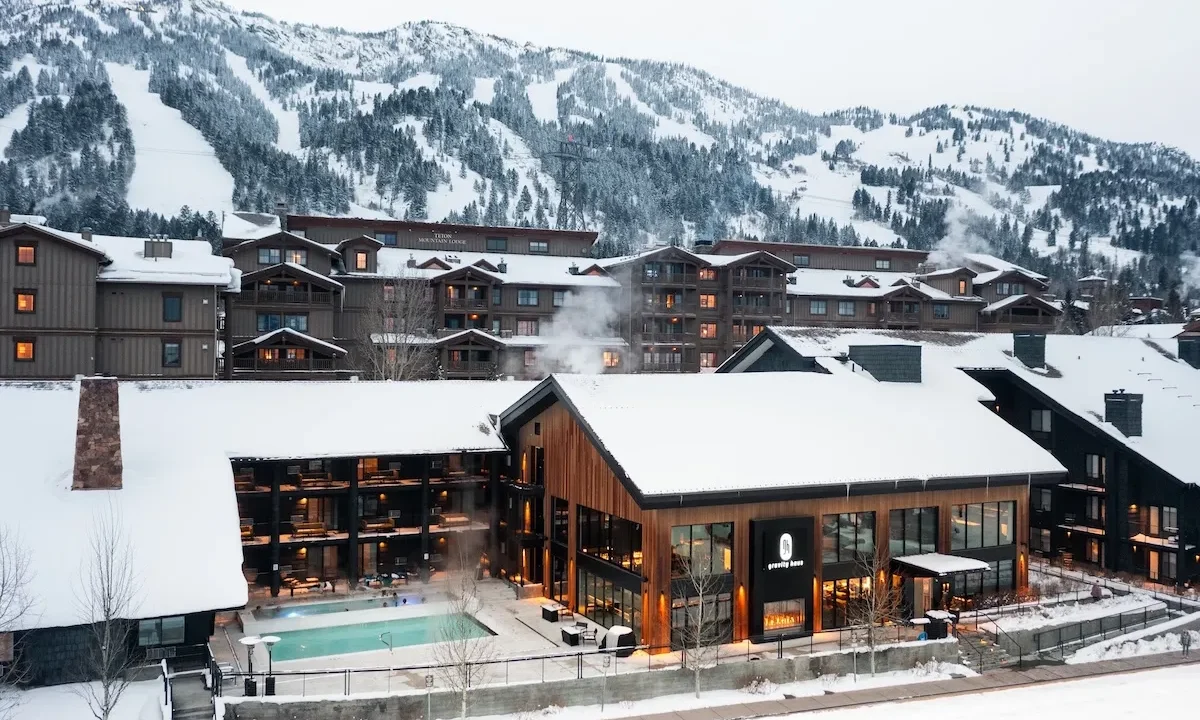
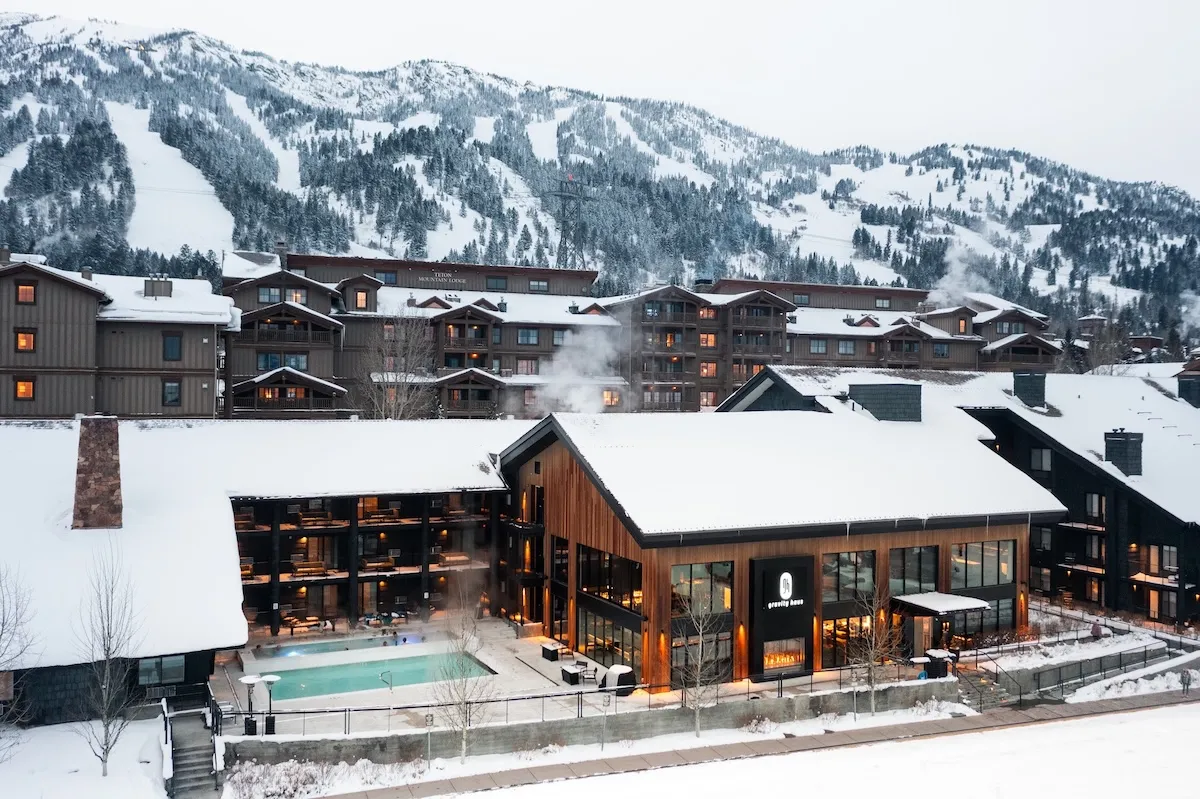
Gravity Haus, the outdoor-focused hospitality brand, is rewriting the rules of the mountain getaway. By blending coworking spaces, high-performance gyms, dining, and lodging into a singular membership-based ecosystem, the company is capturing value from guests who may never actually spend the night.
The Paradigm Shift: Beyond the Overnight Stay
The most telling anecdote regarding the future of mountain tourism comes from Jim Deters, founder and CEO of Gravity Haus. He describes a common scene at their properties: a parent from the Denver metropolitan area drives up to the mountains on a weekday morning. They drop their children off at ski school, but instead of retreating to a rental condo or sitting in a car, they head to a Gravity Haus property.
For this parent, the property serves as a “third space”—a vital, productive hub between the office and the home. They utilize the high-speed coworking facilities to handle morning conference calls, hit the gym for a recovery session, grab a nutritious meal, and enjoy a few runs on the mountain while the kids are in lessons. When the afternoon traffic hits the I-70 corridor, they work from the lounge, waiting out the congestion before picking up the children and heading home for dinner.
“The property plays a role in almost every part of that day,” Deters explains. “And we are earning revenue from a guest who doesn’t always need a bed.”
This model represents a fundamental departure from the seasonality that has historically plagued mountain resorts. By diversifying the utility of their physical assets, Gravity Haus is transforming what were once destination-only retreats into lifestyle utilities for the “outdoor-curious” professional.
Chronology of Expansion: From Niche to Network
Gravity Haus began with a singular vision: to remove the friction from the mountain experience for those who struggle to balance professional responsibilities with an active, outdoor lifestyle.
- 2019: The Genesis. Gravity Haus launches its flagship location in Breckenridge, Colorado. The concept was simple yet radical: convert a traditional hotel into a community hub that serves as a basecamp for the modern adventurer.
- 2021-2023: The Growth Phase. Recognizing the post-pandemic shift toward remote work and the “work-from-anywhere” ethos, the brand aggressively expanded its footprint. It began acquiring and renovating properties across Colorado, including locations in Vail, Steamboat, and Winter Park.
- 2024-2025: Strategic Diversification. The company moved beyond simple lodging, investing heavily in proprietary technology, app-based membership management, and specialized gear-testing partnerships.
- 2026: The Regional Powerhouse. As of October 2026, the brand oversees 13 properties across the Western U.S. and British Columbia. The expansion into Canada signals a move to capture the international market of digital nomads who prioritize proximity to world-class terrain.
Supporting Data: The Economics of the Membership Model
The hospitality industry is notoriously sensitive to economic downturns, but the membership model provides a layer of insulation that traditional hotels lack. By charging recurring membership fees—which grant access to discounted lodging, gym facilities, and coworking perks—Gravity Haus creates a predictable, recurring revenue stream (ARR) that complements traditional nightly revenue.
According to industry analysts, the “subscription-based hospitality” market has grown by nearly 18% annually since 2023. Gravity Haus’s focus on high-frequency, low-friction visits differentiates them from vacation rental platforms like Airbnb or traditional resort hotels that rely on expensive, infrequent bookings.
Key Performance Drivers:

- Utilization Rate: Unlike a hotel room that sits empty during the day, a Gravity Haus workspace is occupied from 8:00 AM to 5:00 PM, generating auxiliary income through food and beverage and day-pass sales.
- Customer Lifetime Value (CLV): A member who visits 10 times a year for day-use is often more profitable over a five-year period than a one-time guest who occupies a suite for a week during peak season.
- Ancillary Revenue: Partnerships with outdoor gear brands for equipment testing and rentals provide an additional layer of revenue that is highly targeted to the specific demographics of the membership base.
Official Perspective: Building for the "Hardcore"
When asked about the brand’s target demographic, CEO Jim Deters is strikingly candid. He isn’t building for the casual tourist who visits once every three years. He is building for the “hardcore” outdoor enthusiast—the individual for whom skiing, mountain biking, or hiking is not a vacation, but a fundamental part of their identity.
“We are building for the person who feels that the current mountain experience is too fragmented,” Deters says. “The friction of finding a place to work, finding a place to work out, and finding a place to stay is what keeps people from the mountains. We remove that friction.”
This philosophy suggests that Gravity Haus is positioning itself as a “mountain life utility.” By creating a network of properties that function as an extension of the member’s own home, the brand is fostering a sense of loyalty that is rarely seen in the transient world of travel.
Implications for the Hospitality Industry
The success of the Gravity Haus model holds significant implications for the broader hospitality sector. As corporate return-to-office mandates stabilize, the “work-from-anywhere” segment remains a permanent fixture of the economy. Hotels that continue to offer nothing more than a bed and a television are increasingly vulnerable to competitors that offer a fully integrated lifestyle experience.
1. The Death of the "Dead Time"
Gravity Haus has effectively eliminated “dead time” in hotel operations. Traditional hotels often have quiet periods during the mid-day hours. By programming their spaces for coworking, these properties remain vibrant and profitable throughout the entire business day.
2. The Rise of "Proximity Hospitality"
The model proves that hospitality can be local, not just international. By catering to residents within a three-to-four-hour drive, the company has created a “proximity hospitality” segment. This reduces the carbon footprint of travel and increases the frequency of guest engagement.
3. Community as a Competitive Advantage
In an era where travelers can book any room in the world with a few clicks, loyalty is harder to buy than ever. Gravity Haus’s focus on community events, group workouts, and member-only benefits creates a “stickiness” that prevents churn. When members feel they belong to a tribe, they are less likely to look for the cheapest deal on a generic booking site.
Conclusion: A New Horizon for Mountain Living
As Gravity Haus continues its trajectory into 2027 and beyond, the industry will be watching closely to see if this model can scale across different climates and geographies. Can the “mountain basecamp” concept translate to beach towns or urban centers?
The fundamental lesson remains: the modern traveler is no longer looking for a hotel; they are looking for a base of operations that allows them to live their life, not just pause it. Gravity Haus has identified that the most valuable real estate isn’t just the bed in the room—it’s the chair in the coworking space, the weight rack in the gym, and the community that connects them all.
For the parent stuck in mountain traffic, or the remote worker craving a view of the peaks, Gravity Haus is no longer just a hotel brand—it is a necessary component of the modern, balanced life. As the lines between work, leisure, and home continue to blur, Gravity Haus stands at the forefront of a shift that is likely to redefine the future of travel for decades to come.
